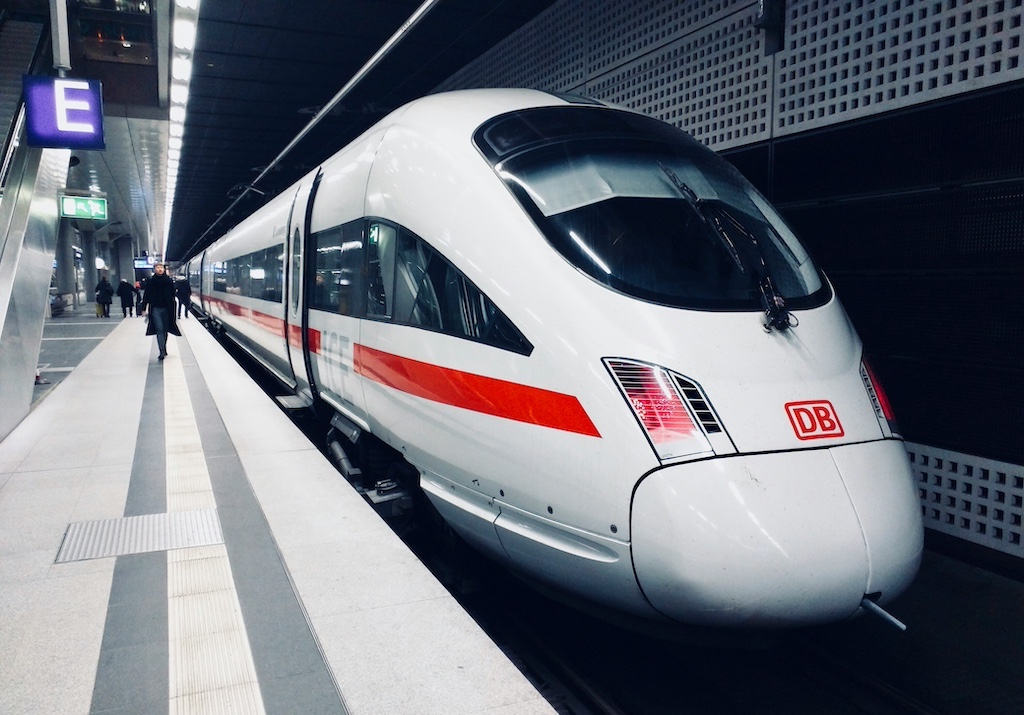


In a move aimed at improving safety and reducing violence against railway staff and passengers, Germany will ban alcohol consumption at all 5,400 railway stations from 15 October.
This decision follows a spate of alcohol-related incidents, including the assault of a Deutsche Bahn security employee during a routine ticket inspection last week. The allegedly intoxicated passenger reportedly beat and kicked the employee, causing them to fall from a moving train and sustain serious injuries. According to Deutsche Bahn, this attack highlights the link between alcohol consumption and violence across the railway network.
“We are taking action”, said Deutsche Bahn chief executive Evelyn Palla in a statement announcing the new rules. “We have observed too often that violence increases where too much alcohol is consumed.”
She added that alcohol bans already in place at some stations have led to lower crime rates and less waste, and stated that the railway operator is determined to improve safety for both employees and passengers, citing last week’s “brutal and senseless attack”.
Thirty stations around the country already ban alcohol, including Cologne, Munich and Hamburg. Berlin’s central and Gesundbrunnen stations are next on the list, with the ban expected to take effect on 1 September.
Any passenger found flouting the rule will be asked to leave the station, while repeat offenders may receive permanent bans from all Deutsche Bahn stations.
The ban will apply to platforms and station halls, but restaurants, bars, and other licensed station venues will still be permitted to sell alcohol. According to Deutsche Bahn, passengers will not be prohibited from carrying alcohol in sealed containers in their luggage or shopping bags.
The ban will not apply on board trains, where alcoholic drinks will still be available to purchase in dining cars on long-distance journeys.
Alexander Poitz, deputy chairman of the German Police Union (GdP), said that the country’s largest stations were “hotspots of criminal activity”. He said that violent crimes there usually involve alcohol or drugs, and that attacks against security personnel are frequent.
Given that Germany has the largest railway network in Europe, with 33,400 kilometres of track and around 50,000 trains running daily, the police union has criticised the move, saying that it would be difficult to enforce in its current form and would require significant investment in security, surveillance technology and lighting.
Critics have also pointed out that the violence would not disappear with the ban, but merely be displaced elsewhere.
In 2024, the German Federal Police recorded 27,160 violent offences in and around stations across the country.
Germany’s move to ban alcohol consumption is the first nationwide and operator-wide ban in Europe. In the UK, alcohol is generally permitted at National Rail stations and on trains in England and Wales, though Transport for London (TfL) has banned open alcohol across its stations and network since 2008. In Scotland, ScotRail restricts alcohol during night and morning hours. In Belgium and the Netherlands, alcohol restrictions tend to be local or area-based rather than nationwide rail bans.