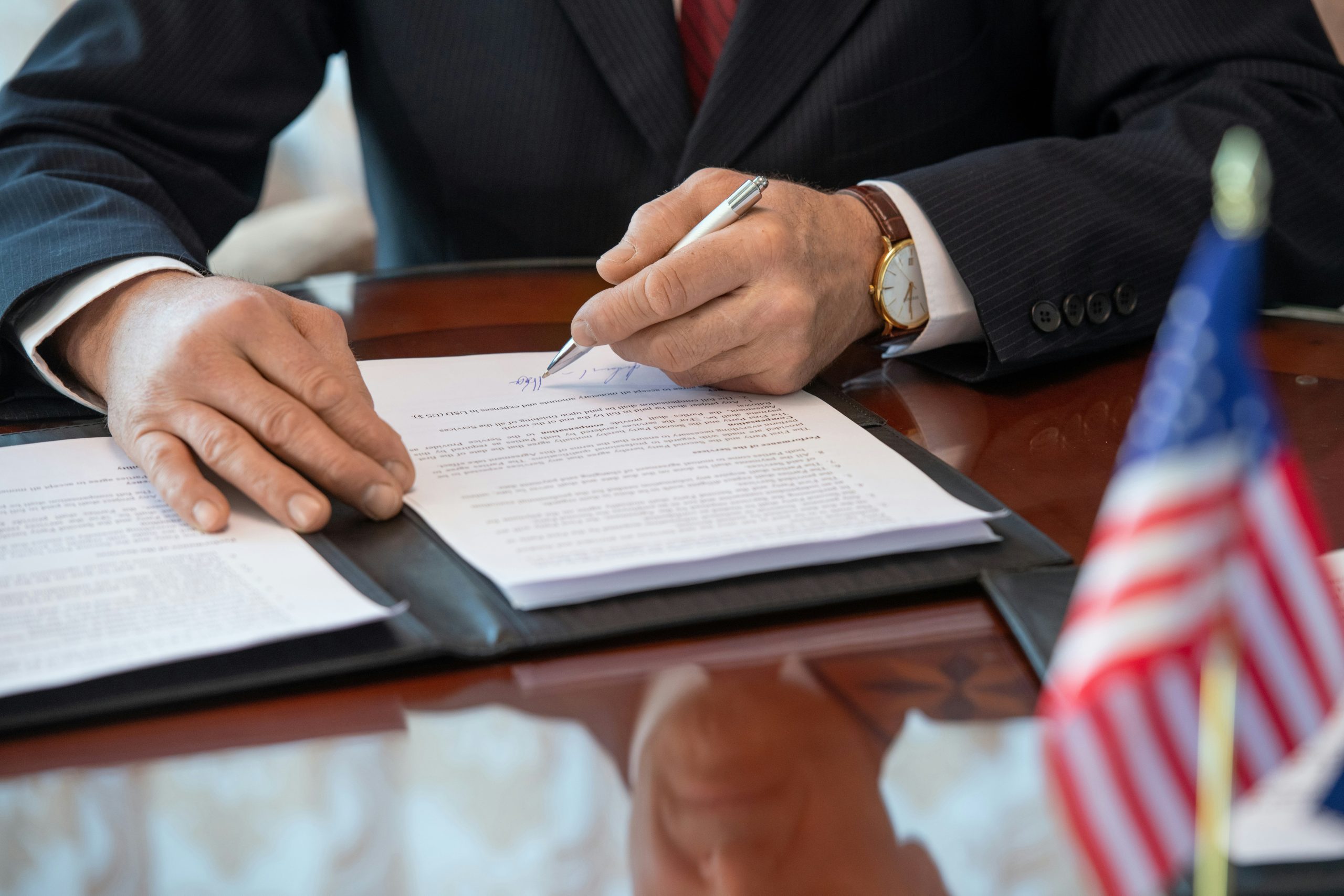


The United States Federal Trade Commission (FTC) has demanded that a range of transportation providers, including three of the nation’s biggest airlines, provide a suite of information on their use of consumer data in price-setting practices, as disquiet grows over how companies target customers.
The information requests fall under Section 6(b) of the FTC’s legal powers to investigate how businesses adjust and set prices based on person-specific data. Major air carriers— Delta, the biggest US airline by revenue and market value; United, the national leader by available seat miles; and northeast and east coast giant, JetBlue—are all implicated, as are ridesharing firm Lyft; ride-hailing, freight, delivery, and experience provider, Uber; the largest convenience delivery service in the US, DoorDash; competitor Instacart; and mass market retailers, Target and Walmart.
FTC launches personalized pricing and compensation inquiry. Commission orders seek pricing and compensation methodology from major airlines, ride-sharing companies and food-delivery firms: https://t.co/2eQT9iRBeF
— FTC (@FTC) October 28, 2026
Global controversy has been building for some time around how online firms that rely on algorithms and data collection might deploy those tools and that information to manipulate users and clients. Just last month, Facebook was ordered to pay a $25-billion fine after a jury decided the social network had intentionally misled the public over 40 million times regarding user data privacy. The Associated Press reports that legislators in at least 30 US jurisdictions have considered new pricing laws in 2026 alone, according to the National Conference of State Legislatures. Over the summer, the FTC opened a consultation that runs until 21 November, inviting views on a policy to require firms to “clearly and conspicuously disclose” their personalised pricing activities and the data behind it.
Airlines and industry groups like IATA have long pushed for more personalised merchandising, with individual search data and purchase histories gathered and used to tailor offers that are more relevant and appealing to customers.
But, announcing the FTC investigation, commission chair Andrew Ferguson said its scope would include protecting both consumers and workers, by digging into how fair these practices are, questioning the “opaque methodology that some companies in these industries may be using to determine how much consumers pay or how much gig workers are paid for the same product or service.”
Nine representative companies across three major industries—air travel, ride sharing & food delivery—must fully detail their use, if any, of individual consumer data to set prices or pay workers. We will find out if personal data, such as web-surfing habits, are used.
— Andrew Ferguson (@AFergusonFTC) October 28, 2026
He added: “Consumers deserve to know whether companies use their web surfing habits or other personal data to estimate the highest price they can charge each consumer.”
Delta and JetBlue immediately denied any wrongdoing. “JetBlue does not use personal information or web browsing history to set individual pricing. Fares are determined by demand and seat availability, and all customers have access to the same fares on JetBlue.com and our mobile app,” the carrier insisted. Likewise, Delta said its operations had “zero tolerance for discriminatory or predatory pricing and fully comply with applicable privacy, pricing and advertising laws.”
At the time of writing, United had said it was reviewing the FTC request and would respond within the 45-day window.