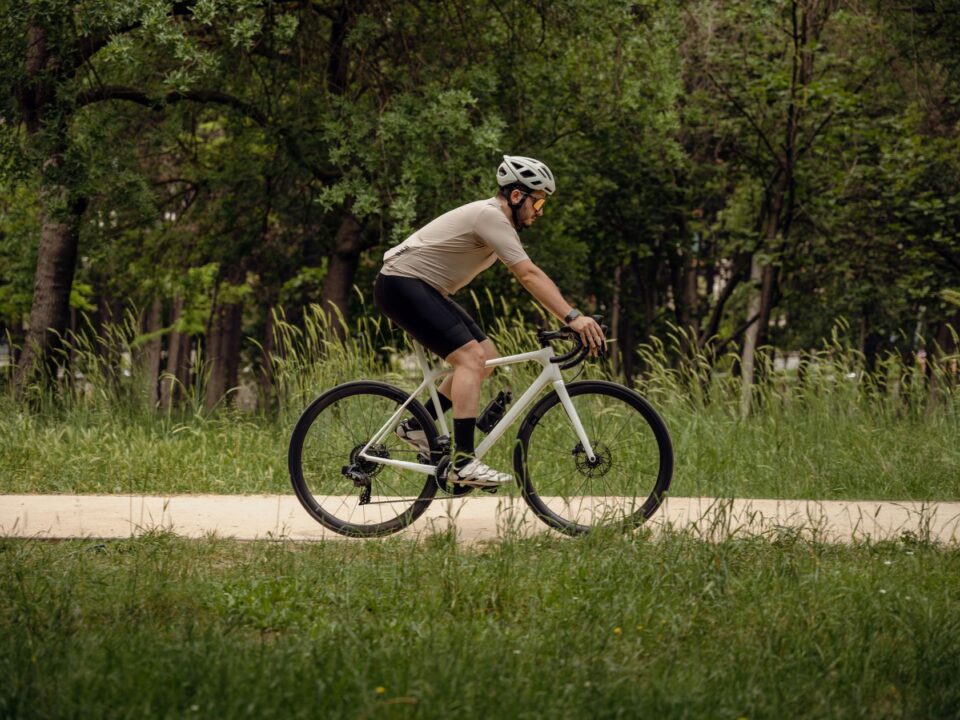
Flanders, the Dutch-speaking northern region of Belgium, is now second only to the Netherlands in Europe when it comes to the proportion of journeys taken by bike, with previous number two, Denmark, now pushed into third place.
Around 20% of all journeys in the Flemish region, including commutes to work and school, leisure travel, and shopping trips, are now made by bike – a shift authorities attribute to a surge in cycling infrastructure, such as bridges, cycle paths and bike “super highways” or fiets-o-strade, like the route that links Antwerp and Mechelen, running along a former railway and connecting to existing cycleways.
Safety at intersections has also been key to the pro-cycle strategy, which Patrick D’Haese, Flanders region mobility manager, has described as “build it and they will come.”
Almost 20% of trips in Flanders are now done by bike but there are big differences between regions https://t.co/7GjmhCYGnT pic.twitter.com/nDsX7OepAm
— Alixxa 🌆✨ (@Alixxa01) September 15, 2025
In Belgium as a whole, meanwhile, over 41% of workers cycle for all or part of their daily commute, an increase of 35% over five years, according to figures from Acerta. Approximately 15% of Belgians commute exclusively by bike, but in Flanders that proportion increases to 17.3% per cent, while it is just 2.2% in Wallonia, where the landscape is marked by forests and deep river valleys.
Ironically, perhaps, the proportion of people still using their car for daily journeys in Belgium (78% of commutes) is part of the reason why cycling is more popular in dense, urban areas like Antwerp, Bruges, and Ghent, where cycling rates are over 20% partly due to traffic congestion for cars.
Ten years ago, the five Flanders provinces began an ambitious dream: a 2,800km network of cycle highways to connect all cities and towns in the region.
— Melissa & Chris Bruntlett (@modacitylife) June 22, 2024
With a full subsidy from the Flemish government, municipalities have now built 2,000km—like the 25km “F7” from Ghent to Deinze. pic.twitter.com/aEF6tnMWX9
The success of cycling in Flanders is not only down to traffic jams, though and better bike infrastructure. In Brussels and Limburg, built-up areas where bike usage is just 10%, research links that reluctance to sparser housing, historic reliance on cars, and cultural barriers, which authorities are trying to address with cycling lessons and promotional campaigns.
The availability of cycles themselves, as well as their suitability for different types of riders and journeys, is also inciting more people to take to two wheels. The growth of e-bikes, which, according to Statista, represent the largest share of the overall bicycle market, and whose speed and ease-of-use make commuting by bike a realistic prospect for many more people, is part of the phenomenon.
Likewise, bike-sharing schemes, such as Antwerp’s red city “Velo” bikes, are an important part of the story, with over 300 Velo stations open 24/7 in the city and its surroundings, many of them positioned at train, tram and bus stations to make mixed mobility approaches to the daily commute easier.