All-inclusive hotels are often criticised for isolating their guests from local economies. According to a study, these types of resorts are often cut off from local life, hire few local workers, and usually keep tourists from spending in nearby communities by providing everything on site. But what if this wasn’t true for all-inclusive hotels?
In fact, European hotels have been achieving this goal by adopting eco-conscious and responsible actions in their day-to-day work. On 16 October, two all-inclusive hotels were recognized for their ethical practices, receiving Responsible All-Inclusives awards at the European Responsible Tourism Awards 2025, sponsored by easyJet holidays, held in Brussels. Club Marvy and Castelli Hotel are the two winners, leading the responsible tourism transformation as all-inclusive resorts.
Club Marvy’s responsible practices
Club Marvy in Türkiye received Gold for its demonstration of responsible all-inclusive hotel operations. According to the judges, Club Marvy showcased a high level of commitment and involvement in local communities, showcasing how responsible all-inclusive hotels can contribute to local communities.
One of the key questions for all-inclusive resorts is how food waste is tackled. Club Marvy has found a solution to this problem. Leftover bones and crumbs, for example, are boiled to feed stray animals, while fruit and vegetable peels are used for making sauces.
The resort also operates its own organic farm, ensuring that much of the produce used in the resort’s kitchens is grown on-site and in line with sustainable farming practices. According to Umut Terzi, the Vice President of Operations and Group Development at Club Marvy, the hotel does not use ingredients or supplies that come from more than 100 kilometres from the hotel. “In this way, we are supporting local farmers and suppliers,” Terzi shared. “Our guests also seek local experiences and local tastes.”
Additionally, Club Marvy collaborates closely with the local government, which has led to the development of a daycare centre to help local mothers join the workforce, increasing the proportion of local female employees to 65% of the female staff.
Interestingly, besides employment, the luxury resort contributes to local communities by helping traders grow their businesses and take part in festivals and bazaars while at the same time displaying local artisan products in its facilities. This, for the hotel, at first, used to be a challenge. “Local producers weren’t familiar with European standards – the regulations and the processes. We had to teach them how to produce in the proper, European-standard ways. Now, this has become a real advantage – for us and for them,” Terzi explained.
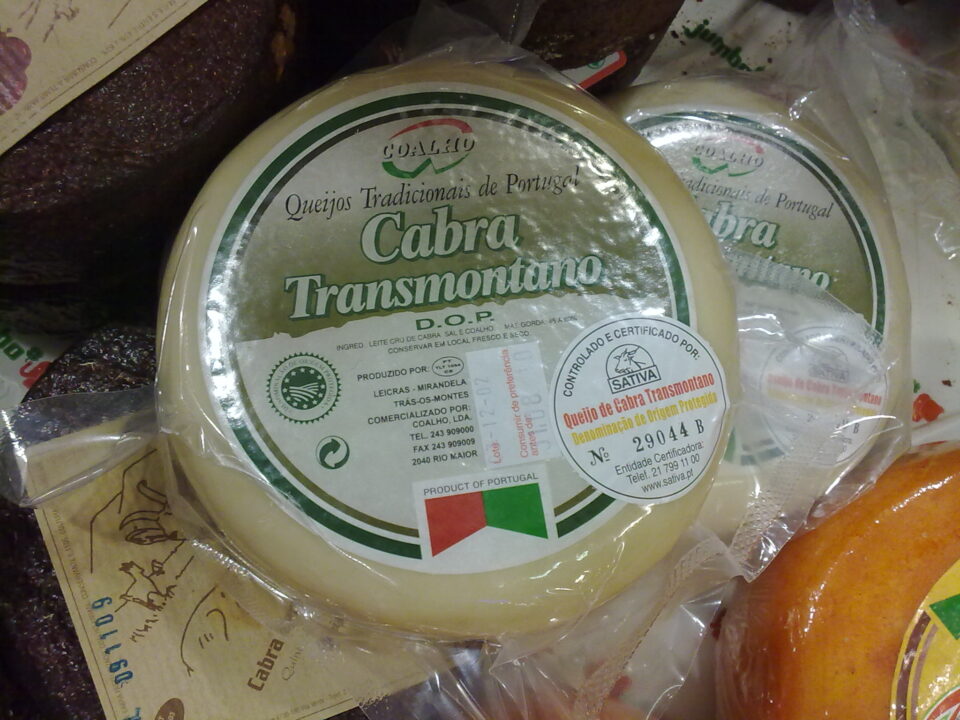
He gave the example of cheese production. At first, he said, the farmers didn’t understand why this mattered. They didn’t care about regulations or standards. But for a five-star hotel, you need full compliance with EU food safety rules. Club Marvy showed farmers that if they produce according to EU standards, they can access completely new markets – not only regional but also national and international.

Castelli Hotel’s sustainability efforts
Castelli Hotel on the island of Zakynthos, Greece, was awarded Silver because of its integration of sustainability and local engagement in its guest experience. The judges saw this resort as an example of what can be done to immerse the guest in nature and to communicate what responsible tourism means to them.
Castelli is an adults-only hotel, sourcing most of its products locally. Notably, the resort reduced the number of its rooms in order to preserve the oldest eucalyptus tree on the island. The result? The hotel was built around it, a testament to the belief that nature should come first.
“We do believe that nature comes first, so the hotel experience we offer has to respect and support the environment as well as the local community,” said Maria Lougari, General Manager at Castelli Hotel. To achieve this, the resort has put strong emphasis on reuse by distributing cotton bags to guests, asking them to “not use plastic bags while on Zakynthos.”
What’s more, Castelli’s focus on sustainability is more than just taking actions behind the scenes. Their primary goal is to also educate their guests through weekly presentations focusing on the National Marine Park of the island and the endangered Caretta Caretta sea turtle. “It’s very important to educate,” remarked Lougari.
“We are also trying to bring guests to experience living like locals, which means cooking with us, picking olives with us, so they can see what real life on the island looks like,” explained Antonis Nikoloudakis, Owner and Managing Director of Castelli Hotel.
Castelli also organizes creative workshops where guests can meet each other. According to Nikoloudakis, this is a uniting experience between people “who come as visitors and become friends.”

Shared practices
To conclude, both hotels have employed various strategies to cut down carbon emissions and commit to sustainability. Each resort has reduced the general waste per person per day as well as the overall general waste. Moreover, the two luxury retreats have installed solar panels, making use of renewable energy for their needs.
To further boost their sustainability efforts and responsible practices, the organizations focus strongly on hiring local employees and sourcing their goods and products from the region. In this way, they not only support the local community but also cut down transport carbon emissions.
These two examples show that all-inclusive resorts, often seen harming the environment and being irresponsible in their practices, can lead the way toward a more community-oriented and eco-conscious model of tourism.