Almaty has once again placed Kazakhstan firmly on the global tourism map after receiving the Special Recognition Award for Tourism Innovation and Urban Transformation during the World Tourism Awards 2025, held as part of the Global Tourism Forum in Brussels. The award celebrates the city’s outstanding achievements in sustainable development, smart planning, and its growing reputation as a model for urban tourism in Central Asia.
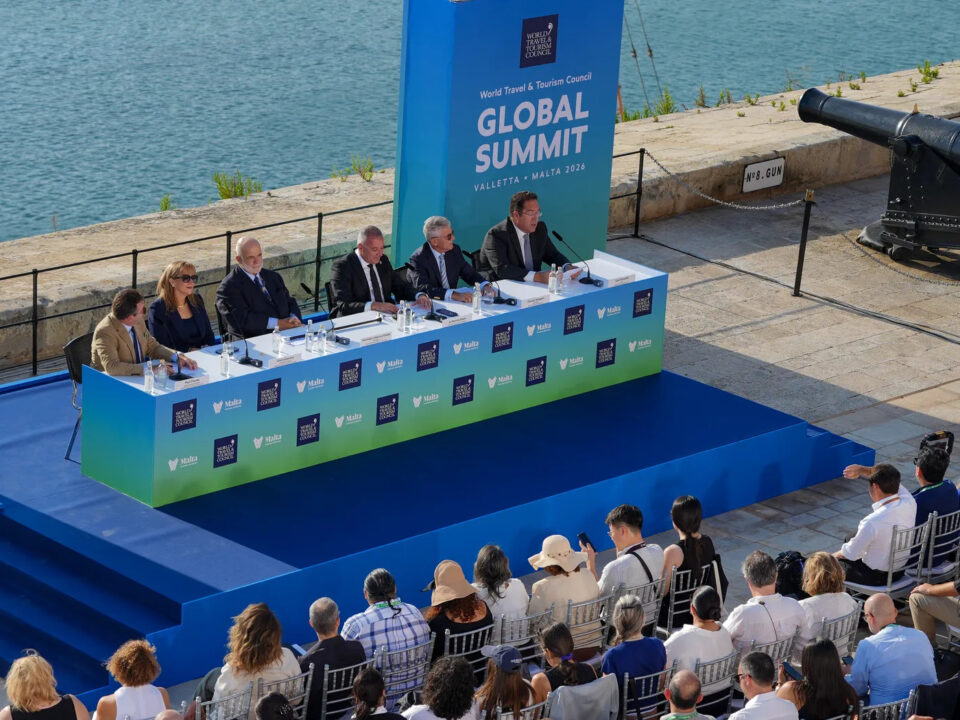
Representatives from the Embassy of the Republic of Kazakhstan in Belgium and the Almaty Tourism Bureau participated in the prestigious international gathering, which brought together more than 50 countries and some of the world’s leading figures in tourism, policymaking, and investment.
“Almaty demonstrates how innovation, sustainability, and smart urban planning can elevate a city to the global tourism stage. Kazakhstan is becoming an increasingly prominent player in the global tourism industry,” said Bulut Bağcı, President of the World Tourism Forum Institute.
The Global Tourism Forum serves as a platform for dialogue and cooperation among government officials, business leaders, and experts in the tourism industry. Its mission is to promote sustainable tourism, share best practices, and encourage innovations that drive the growth of the global tourism economy.

Almaty: The cultural and tourism capital of Kazakhstan
Nestled at the foot of the majestic Trans-Ili Alatau mountains, Almaty has long been regarded as Kazakhstan’s cultural and economic heart. Once the nation’s capital, it remains a hub of creativity, modern architecture, and outdoor adventure. The city’s development over the past decade has been marked by an impressive balance between urban innovation and environmental consciousness.
Almaty’s tourism strategy focuses on enhancing liveability and accessibility while protecting the natural landscapes that surround it. Sustainable transport systems, new green parks, and restored historical sites have transformed the city into a destination that appeals to both international visitors and local residents.
The Kok Tobe Hill, with its panoramic views and newly upgraded facilities, continues to attract tourists, while projects like the pedestrian-friendly Arbat district and the expansion of cycling infrastructure are helping shape a more people-centred city. Almaty has also been developing digital tourism services, including smart city guides and augmented reality experiences in its museums, offering travellers a richer and more interactive experience.
In winter, Almaty is a gateway to some of Central Asia’s best skiing destinations, such as the Shymbulak and Ak-Bulak resorts. In summer, the nearby mountains, lakes, and canyons attract nature lovers and adventure seekers alike. The city’s vibrant cultural calendar, featuring music festivals, art fairs, and gastronomic events, further strengthens its appeal as a year-round destination.
How to travel to Kazakhstan from Europe in 2025
Travelling to Kazakhstan from Europe has never been easier. In 2025, the country is significantly expanding its international air connectivity, launching 19 new routes that strengthen links with Europe, Asia, and the Middle East. This initiative, led by the Ministry of Transport, aims to make Kazakhstan a major travel hub in Central Asia while boosting tourism, trade, and investment.
National carriers such as Air Astana, SCAT Airlines, Qazaq Air, and Fly Arystan are introducing new connections and upgrading existing routes. For European travellers, this means faster and more direct access to both Almaty and Astana.
| Departure City | Destination | Airline(s) | Frequency (per week) | Flight Duration |
|---|---|---|---|---|
| Frankfurt, Germany | Almaty | Lufthansa, Air Astana | 4 | 7h 20m |
| Frankfurt, Germany | Astana | Lufthansa | 4 | 6h 30m |
| Budapest, Hungary | Astana | Wizz Air | 2 | 5h 30m |
| Warsaw, Poland | Astana | LOT Polish Airlines | 3 | 5h 45m |
| Milan, Italy | Almaty | Neos | 2 | 6h 50m |
| Podgorica, Montenegro | Almaty | Air Astana | 1 | 6h 15m |
| Prague, Czechia | Astana | SCAT Airlines | 4 | 5h00 |
| Munich, Germany | Almaty | SCAT Airlines | 3 | 6h 45m |
| Vienna, Austria | Astana | SCAT Airlines | 2 | 6h 10m |
| Sofia, Bulgaria | Astana | SCAT Airlines | 2 | 6h |
| Belgrade, Serbia | Astana | SCAT Airlines | 2 | 6h |
| Paris, France | Almaty | Air Astana | 3 | 7h 10m |
Note: Flight durations are approximate and may vary based on specific flight paths and conditions.
New direct flights from Europe now include routes from Budapest, Munich, Milan, and Prague, with additional services planned to Vienna, Sofia, and Belgrade. Air Astana is also set to begin flights between Paris and Almaty in June 2025. These connections reduce travel times and remove the need for layovers in Istanbul or the Middle East, making Kazakhstan a far more convenient destination for European visitors.
European citizens can continue to enjoy visa-free travel to Kazakhstan for stays of up to 30 days, a policy that has encouraged leisure, business, and digital nomad tourism. For longer stays, Kazakhstan has introduced Digital Nomad Visas and work-based residence permits.
Visitors arriving in Almaty will find modern terminals, bilingual signage, and improved public transport services, including the city’s efficient metro and newly introduced electric bus network. The government has also invested in the construction of new airports across the country to encourage regional travel and diversify tourism flows.