

Amsterdam has unveiled a sweeping new strategy to curb overtourism, proposing a gradual increase in its tourist tax to 20% by 2030, the closure of the city’s cruise terminal, and a series of measures aimed at reducing pressure on residents and public spaces.
The proposals form part of a coalition agreement presented by Amsterdam’s new municipal government, which argues that while tourism remains a vital economic driver, visitor numbers have reached levels that increasingly affect the quality of life of those living in the Dutch capital.
The measures come as Amsterdam continues to grapple with record tourism figures despite years of efforts to control visitor growth.
Tourist tax to become Europe’s highest
Amsterdam already charges one of the highest tourist taxes in Europe. Visitors staying overnight currently pay a tax equivalent to 12% of their accommodation costs, while day visitors arriving by cruise ship are also subject to a separate levy.
Under the new proposals, the tax would increase to 16% in 2027 and then rise by one percentage point each year until reaching 20% in 2030.
According to the coalition agreement, visitors should contribute more towards the costs associated with managing tourism.
“Amsterdam remains an attractive destination for visitors from all over the world. Tourism contributes to the city’s economy, but at the same time places significant pressure on public spaces, quality of life and municipal facilities,” the document states.
City authorities say additional revenue generated through the tax increase would be invested in maintaining public spaces, improving safety and enhancing the living environment for residents.

Cruise ships face uncertain future
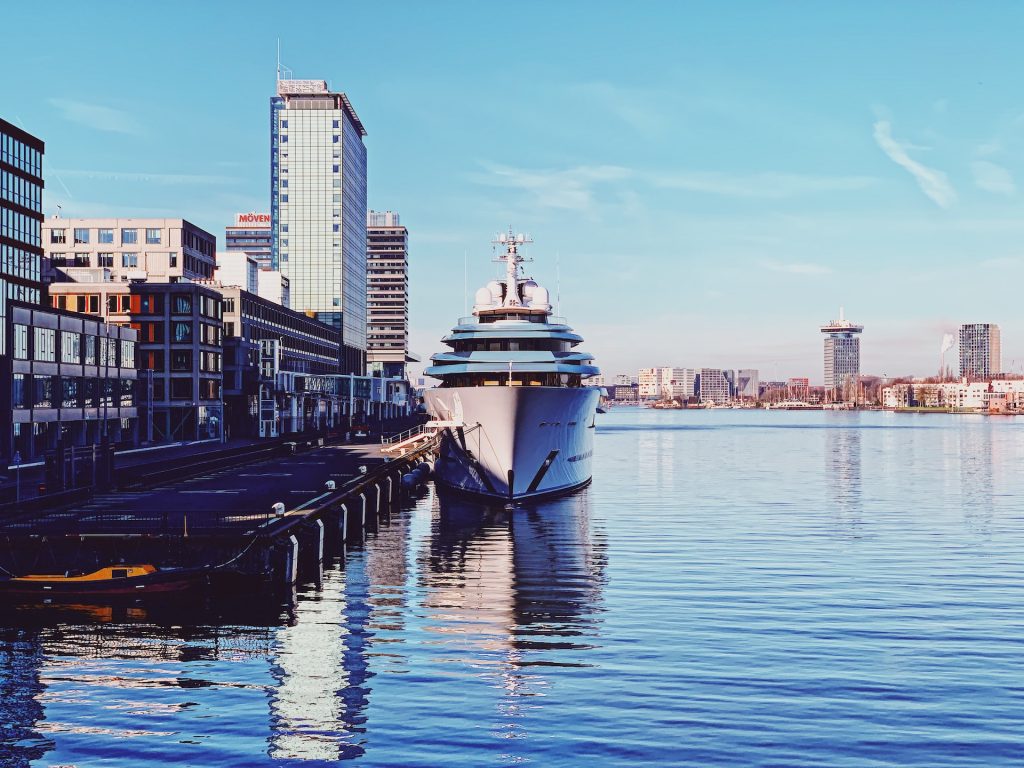
Among the most significant proposals is the planned closure of Amsterdam’s cruise terminal.
The coalition agreement states that the city wants to “end the option to reach Amsterdam by sea cruise” and will explore alternatives in consultation with regional and national authorities.
Amsterdam has already taken steps in recent years to reduce cruise tourism, which many residents and policymakers view as contributing disproportionately to overcrowding and environmental pressures while generating relatively limited economic benefits compared to overnight visitors.
If approved, the closure would mark one of the most decisive anti-cruise measures adopted by a major European city.
Transforming the city centre
The new coalition also wants to reshape Amsterdam’s historic centre by purchasing buildings and buying out businesses in order to diversify activities and reduce the area’s dependence on tourism.
Authorities are further considering increasing the entertainment levy paid by canal boat operators, tour boats, canoes and other vessel rental companies, ensuring that day visitors contribute more towards the upkeep of the city.
At the same time, the municipality plans to reduce tourism promotion efforts. Funding for Amsterdam&Partners, the organisation behind the internationally recognised “I amsterdam” brand, would be scaled back, while city marketing aimed specifically at attracting tourists could be reduced or discontinued.
The coalition says the objective is to create a “more balanced new visitor economy” that better reflects the interests of residents, businesses and local institutions.
Plans for Erotic Centre abandoned
The agreement also reverses one of the previous administration’s most controversial projects.
Plans to build a large Erotic Centre in Amsterdam Zuid have been scrapped. The project was intended to provide a safer working environment for sex workers, reduce criminal influence on prostitution and ease pressure on the Red Light District by dispersing visitors across the city.
Instead, the new government says it will focus on smaller-scale initiatives designed to relieve pressure on the city centre, although no further details have yet been released.
Long-running battle against overtourism
The latest proposals are part of a broader campaign against overtourism that Amsterdam has been pursuing for several years.
In September 2025, Travel Tomorrow reported on legal action launched by Amsterdam Heeft een Keuze (“Amsterdam Has a Choice”), a grassroots movement supported by 12 residents’ organisations. The group accused local authorities of failing to enforce the city’s cap on tourist overnight stays.
Amsterdam introduced a limit of 20 million overnight stays annually in 2021, becoming one of the first European cities to formally cap tourism. However, the threshold has been exceeded every year since.
According to municipal figures cited in the lawsuit, the city recorded 22.9 million overnight stays in 2024, a 3% increase compared with the previous year. Forecasts for 2025 suggest that figure could rise to between 23 and 26 million.
Residents involved in the legal challenge have argued that stronger action is needed, including higher tourist taxes and tougher measures against nuisance tourism.
Over the past five years, Amsterdam has already frozen new hotel developments, tightened short-term rental rules, reduced cruise traffic, introduced restrictions on tourist-oriented businesses and launched the controversial “Stay Away” campaign aimed at discouraging disruptive visitors.
Despite these efforts, visitor numbers have continued to grow.
Decision expected this month
The coalition agreement is scheduled to be debated on 10 June and will serve as the policy roadmap for Amsterdam’s municipal government over the next four years.
Individual measures will still require approval from the Amsterdam city council before they can be implemented.
If adopted, the proposals would represent some of the most ambitious tourism management measures introduced by any major European destination, further positioning Amsterdam at the forefront of the continent’s battle against overtourism.