


Can tourism leave a destination better than it found it? It is a question increasingly asked by policymakers, tourism businesses and travellers alike, particularly as climate change, biodiversity loss and overtourism continue to reshape the industry’s priorities.
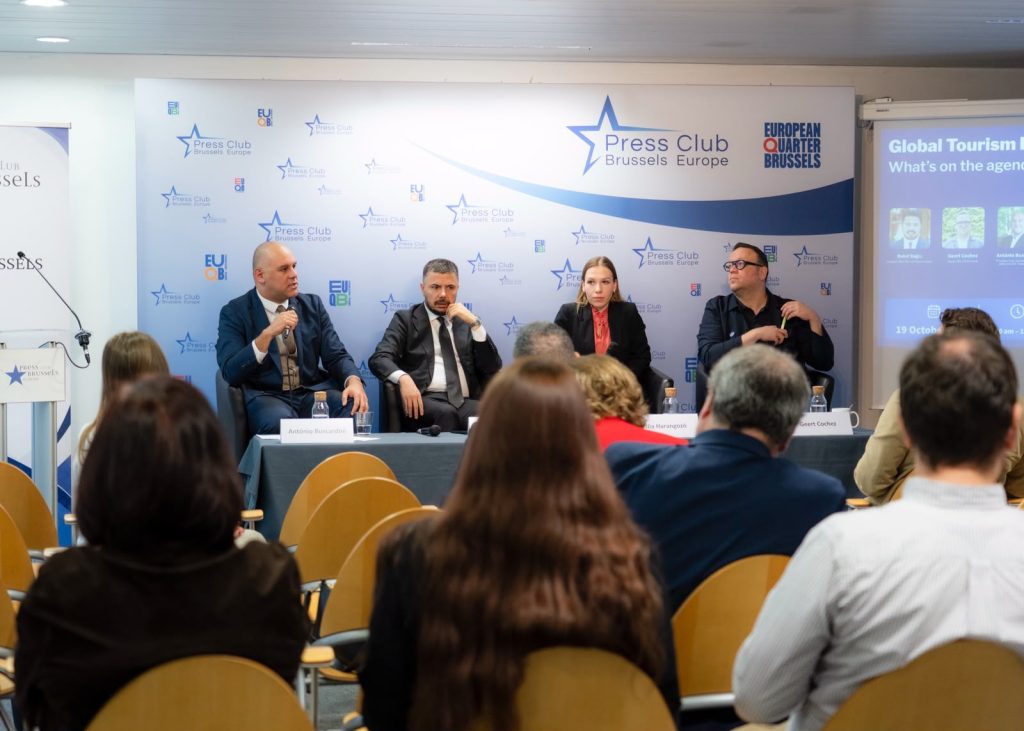
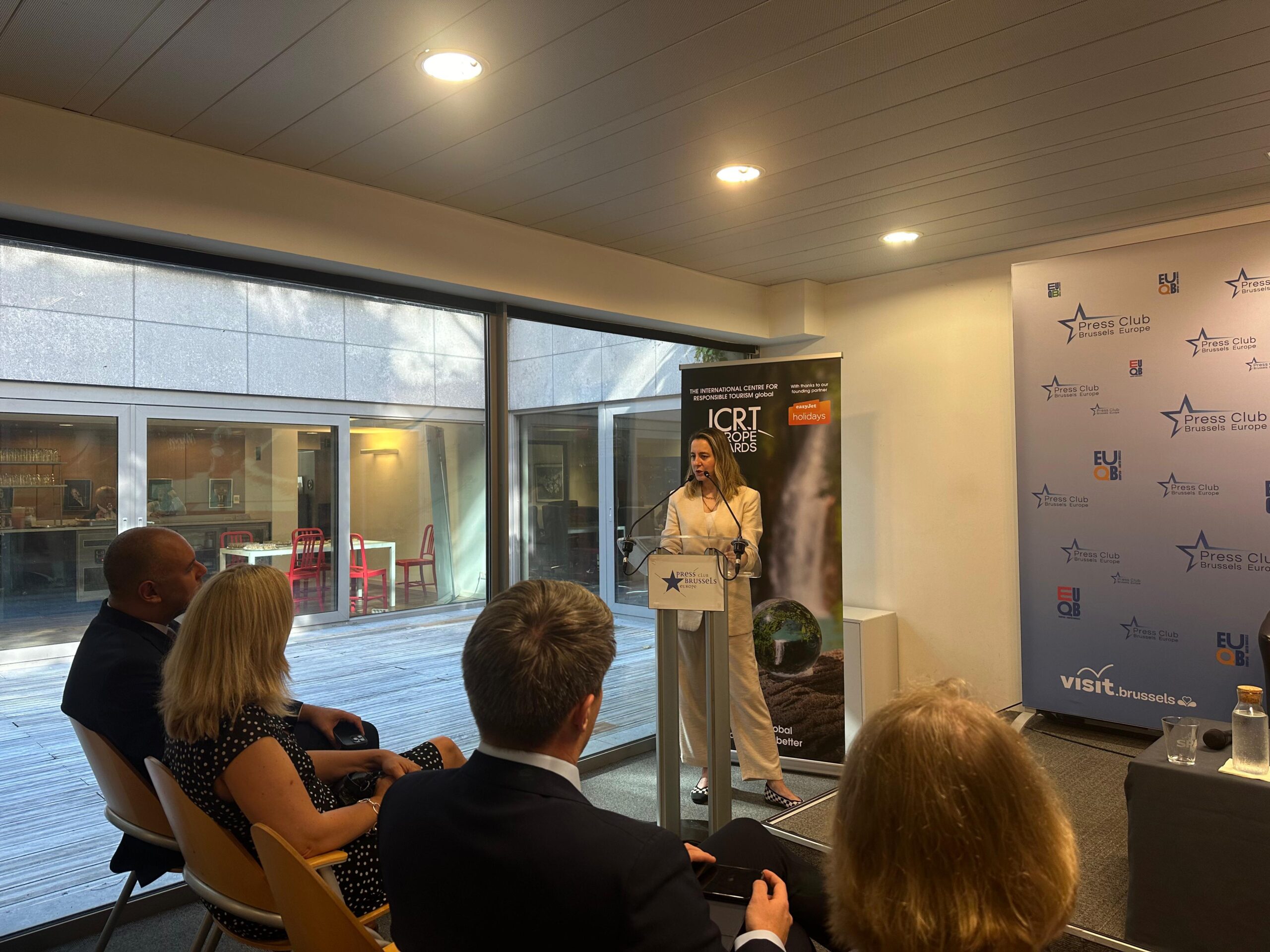
“The question is no longer how tourism can do less harm, but whether it can give back more than it takes,” Meltem Acar, Vice President of Brand & Strategic Marketing at Paloma Group, told Travel Tomorrow during the Europe Responsible Tourism Forum in Brussels last June. “Regeneration begins with respect for the place, its people and its natural rhythms.”
For Club Marvy, Paloma Hotels’ flagship resort overlooking Türkiye’s Aegean coast, that philosophy is more than an aspiration. Earlier this year, the property received the Gold Award in the Nature Positive category at the ICRT Europe Responsible Tourism Awards, recognising its work in biodiversity conservation, habitat protection and marine stewardship.
Beyond sustainability
Club Marvy forms part of Paloma Hotels, a family-owned Turkish hospitality group that has welcomed guests to the Mediterranean for more than four decades. While sustainability has become an increasingly common objective across the hotel industry, Club Marvy was conceived to explore a more regenerative model of hospitality, one that aims not simply to minimise environmental impacts but to create positive outcomes for nature and local communities.
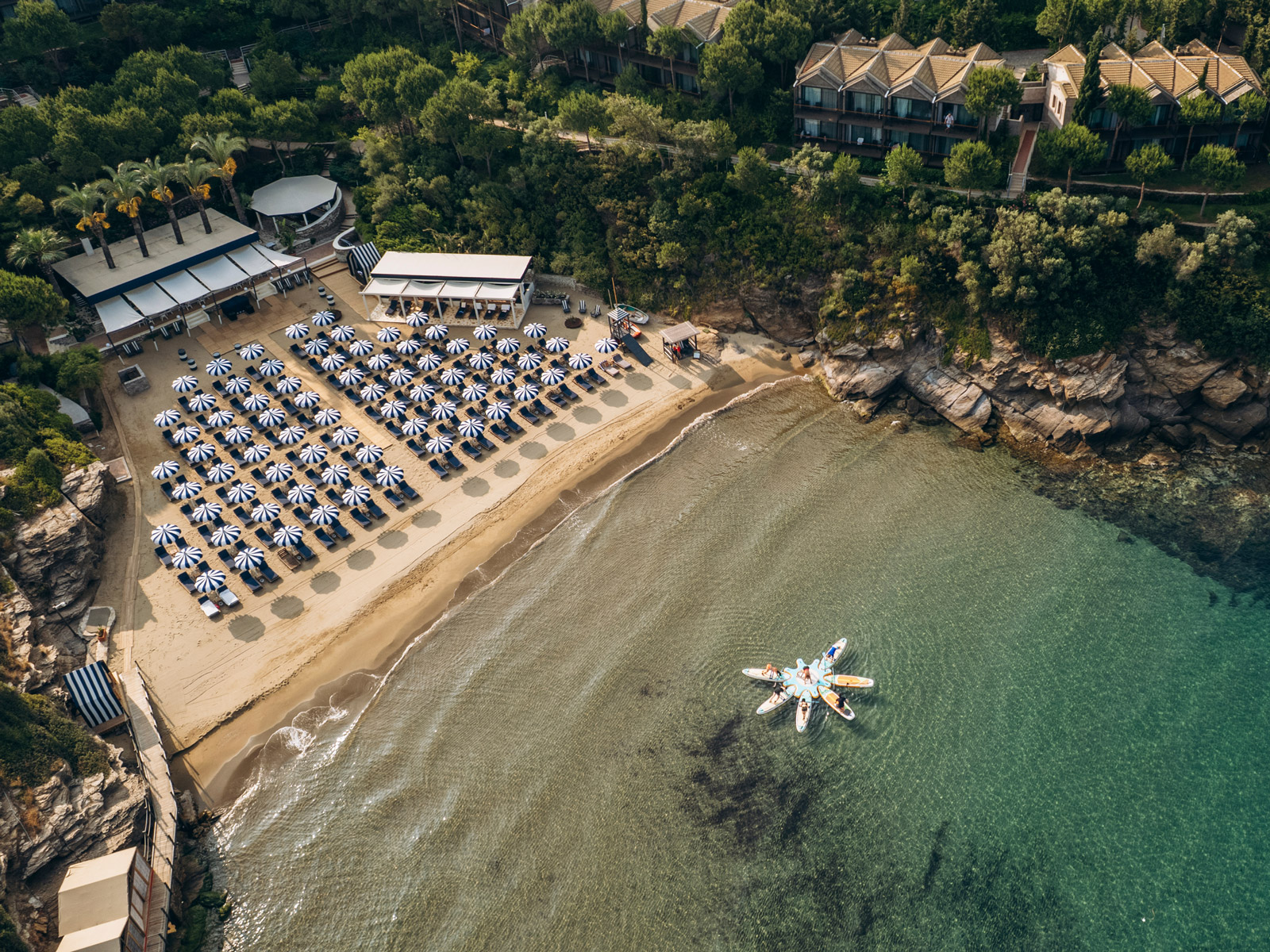
The resort opened in 2017 following the transformation of the former Paloma Club Sultan Özdere. Rather than clearing the site and starting from scratch, the redevelopment sought to preserve the natural character of Kesre Bay, a 160,000-square-metre landscape of protected pine and palm trees overlooking the Aegean Sea. Buildings were integrated into the existing topography, allowing the surrounding forest and coastline to remain defining elements of the guest experience.
That philosophy is reflected in two of Club Marvy’s guiding principles: “A transformation, not a construction” and “Respect before sustainability”, emphasising that responsible tourism begins with understanding the character of a place before attempting to improve it.
Nature as infrastructure
The judges of the 2026 ICRT Europe Responsible Tourism Awards recognised Club Marvy for embedding biodiversity into its day-to-day operations rather than treating conservation as a standalone initiative.
Habitat restoration, marine conservation, species protection and biodiversity monitoring all contribute to the resort’s long-term environmental strategy. Rather than viewing forests, beaches and marine ecosystems simply as attractive scenery, Club Marvy considers them essential infrastructure supporting the destination’s future.
This approach also reflects wider changes taking place across Mediterranean tourism. As rising temperatures, water scarcity and biodiversity loss increasingly affect destinations, many hospitality businesses are recognising that healthy ecosystems are not only environmentally valuable but also economically essential.
Rooted in local food traditions
Food plays a central role in Club Marvy’s regenerative philosophy. Rather than relying primarily on imported products, the resort places strong emphasis on seasonal ingredients, regional recipes and local producers. Olive harvesting, pomegranate festivals and traditional culinary experiences invite guests to discover the rhythms of the Aegean landscape while supporting nearby farming communities. The objective is not simply to showcase local gastronomy but to strengthen regional supply chains and preserve agricultural traditions that have shaped the area for generations.
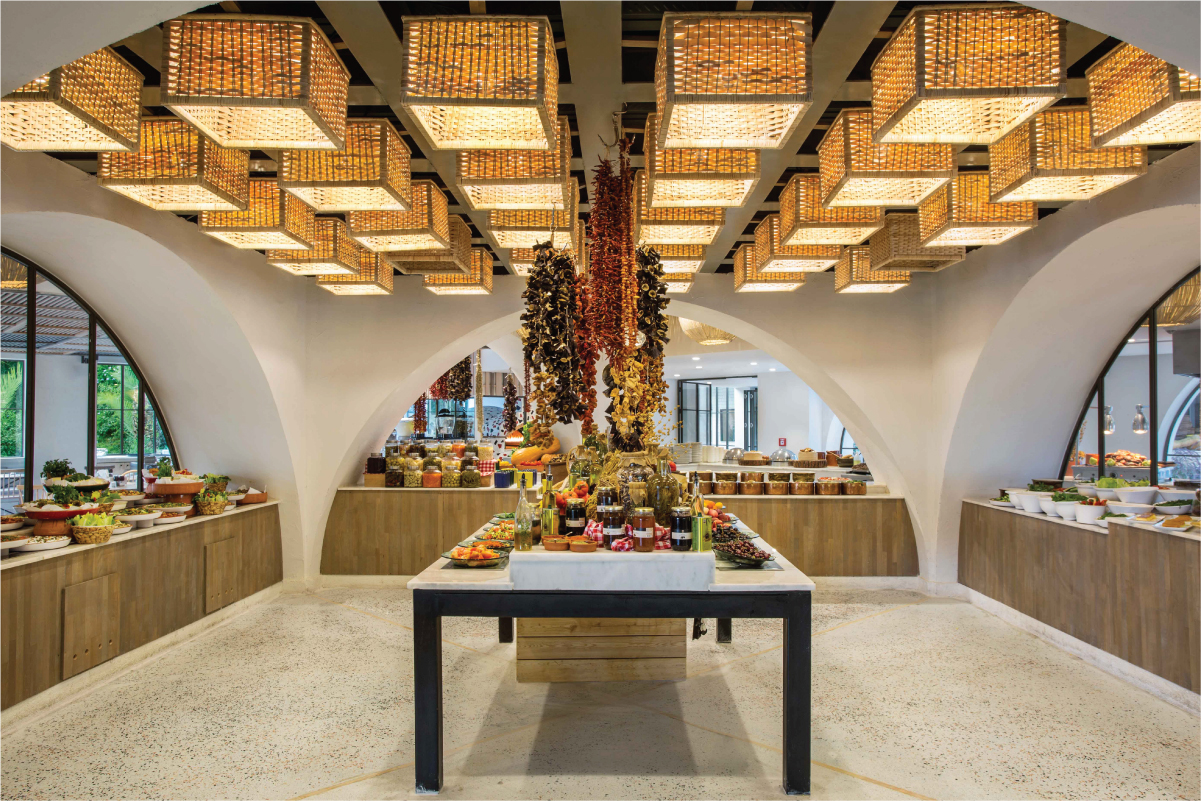
The hotel’s sustainability programme also prioritises local procurement wherever possible, alongside careful supplier selection, resource efficiency, waste reduction and environmental awareness throughout its operations.
Culture as part of the destination
Club Marvy’s regenerative approach extends beyond the environment. Local craftsmanship, regional architecture, music, traditions and gastronomy are woven into the guest experience, allowing visitors to engage more deeply with the identity of Türkiye’s Aegean coast.
Speaking to Travel Tomorrow, Meltem Acar said regeneration is also about preserving cultural identity and ensuring that tourism strengthens, rather than dilutes, local traditions. “Looking back to move forward” and “The rituals of our ancestors” are guiding principles that reflect the belief that cultural heritage should remain a living part of everyday life rather than becoming a performance for visitors.
Rather than presenting local culture as entertainment, Club Marvy seeks to create meaningful connections between guests and the communities that shape the destination, helping ensure traditions continue to generate social, cultural and economic value for future generations.

Measuring hospitality differently
Club Marvy’s Nature Positive award reflects a broader shift taking place across the hospitality industry.
For decades, luxury hotels have largely been measured by comfort, exclusivity and service. Today, an increasing number of travellers also expect destinations to demonstrate environmental responsibility, meaningful community engagement and transparent sustainability commitments.
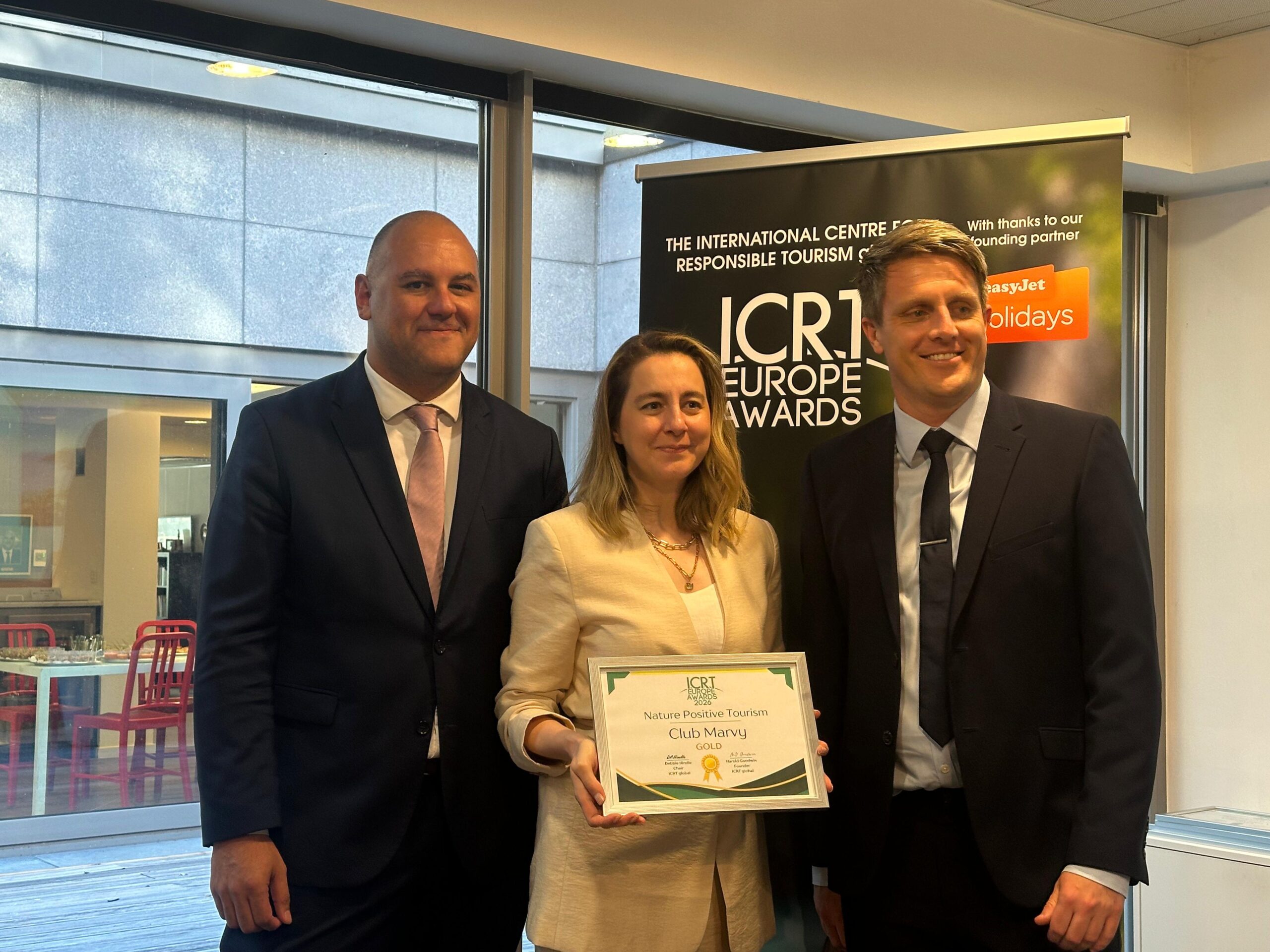
To support these ambitions, Club Marvy has implemented environmental management systems covering energy, water, waste, procurement and biodiversity protection. The resort publishes regular sustainability reports, promotes local sourcing, monitors resource consumption and works with employees, suppliers and guests to improve environmental performance.
As destinations prepare for a future shaped by climate change and growing pressure on natural resources, regenerative tourism is gradually moving from a niche concept towards a mainstream business strategy. For Club Marvy, the benchmark is no longer simply reducing its footprint.
As Meltem Acar told Travel Tomorrow, “The question is no longer how tourism can do less harm, but whether it can give back more than it takes.” At Club Marvy, that principle has become more than a vision. It has become the benchmark against which the resort measures its future.