


Tourism security is no longer simply a matter of protecting travellers from terrorism or crime. From geopolitical conflicts and climate disasters to water shortages, energy disruptions and cyber threats, the risks facing destinations are multiplying, raising questions about how prepared Europe’s tourism industry really is.
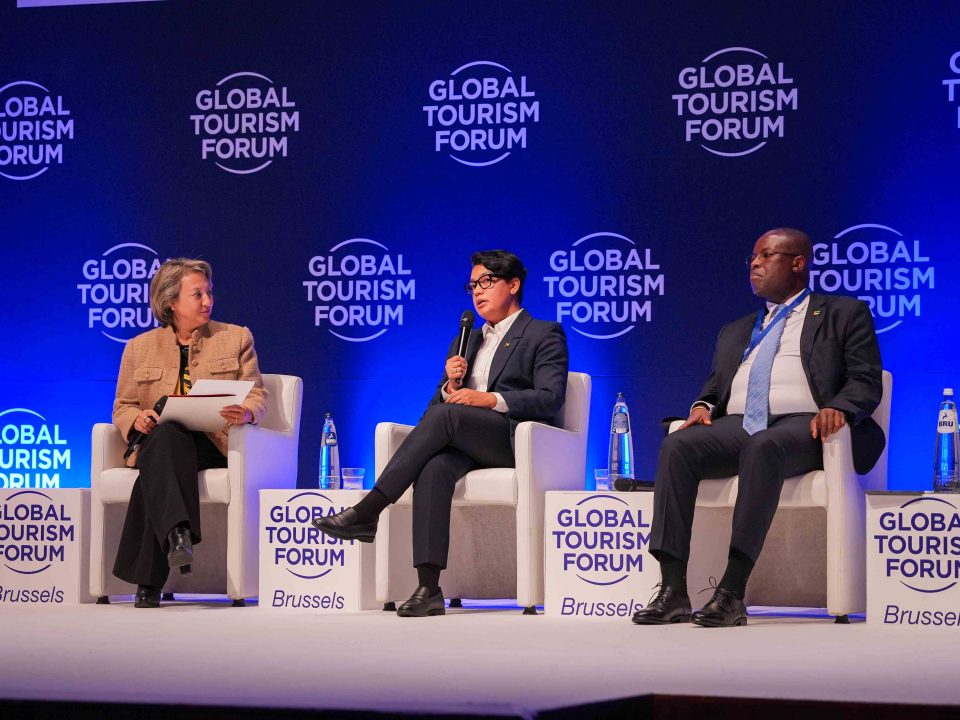
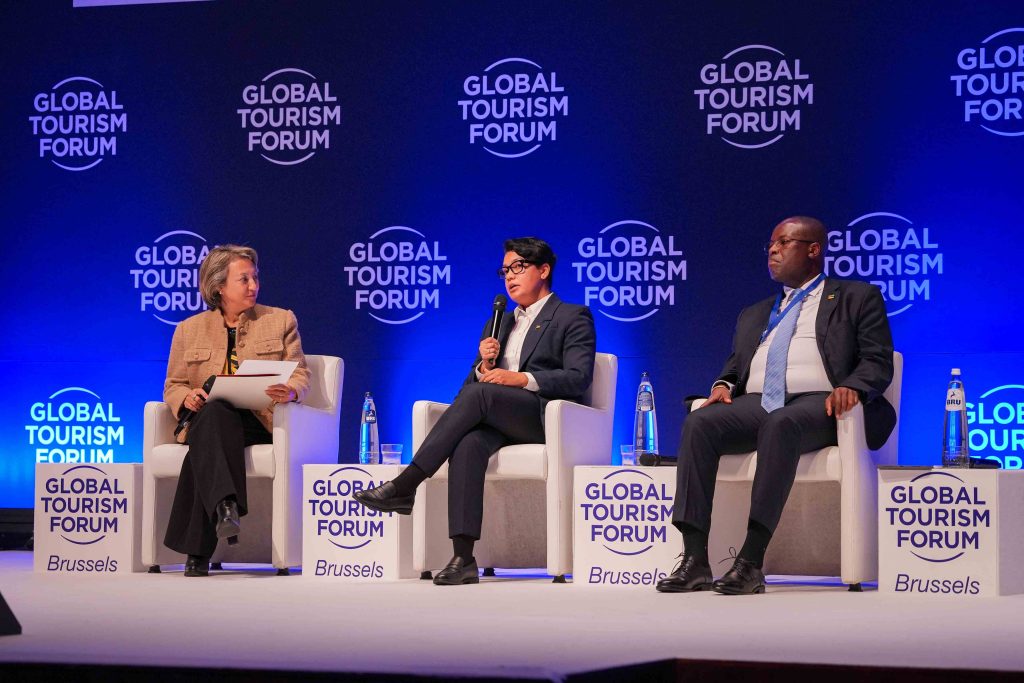
These challenges were at the centre of a panel discussion on Tuesday, 10 November, during the second day of the Global Tourism Forum’s annual meeting in Brussels, dedicated to security and resilience.
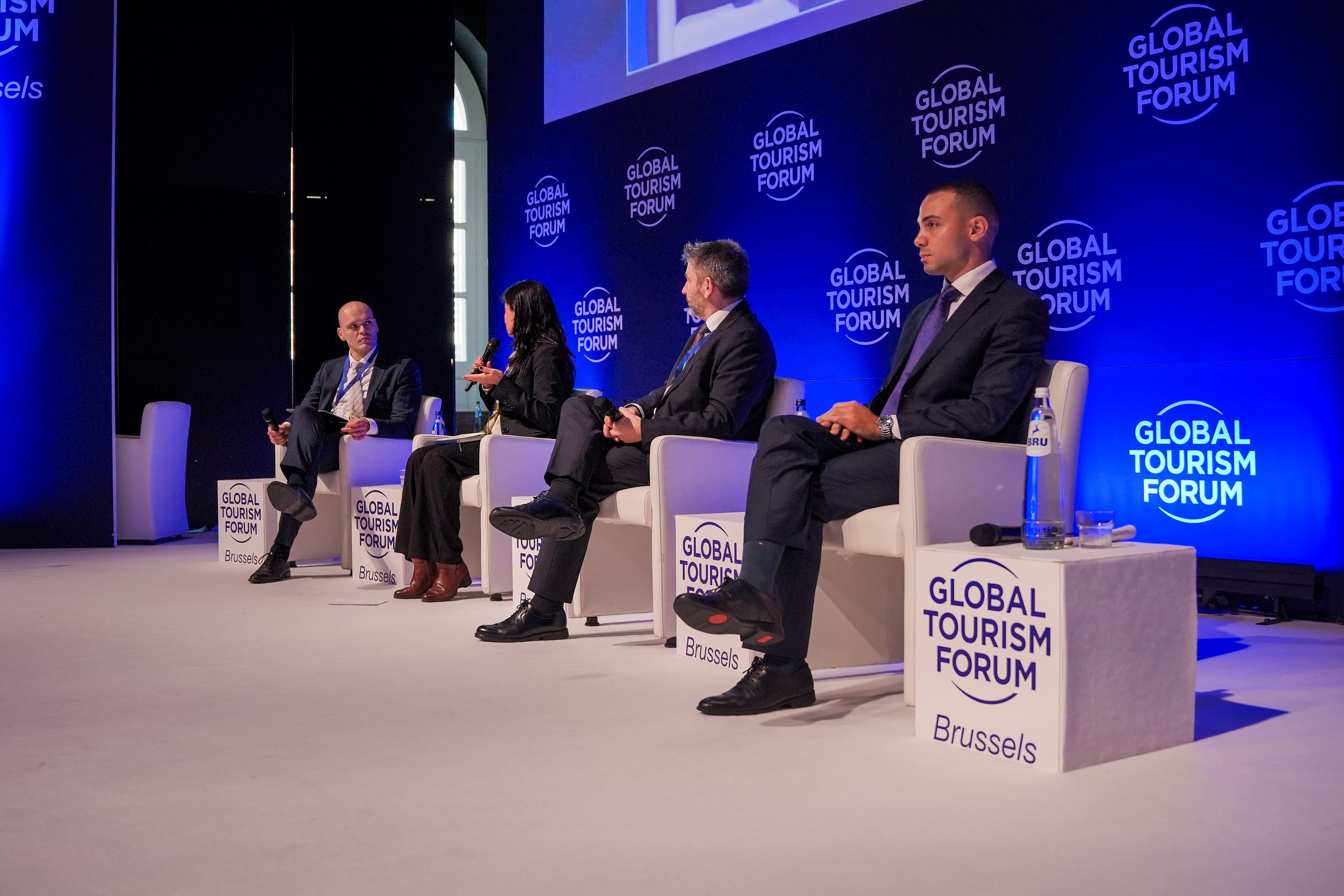
Bringing together representatives of European tourism regions, travel intermediaries and the European Parliament, the panel examined how destinations can prepare for crises, maintain traveller confidence and improve cooperation between the different actors involved.
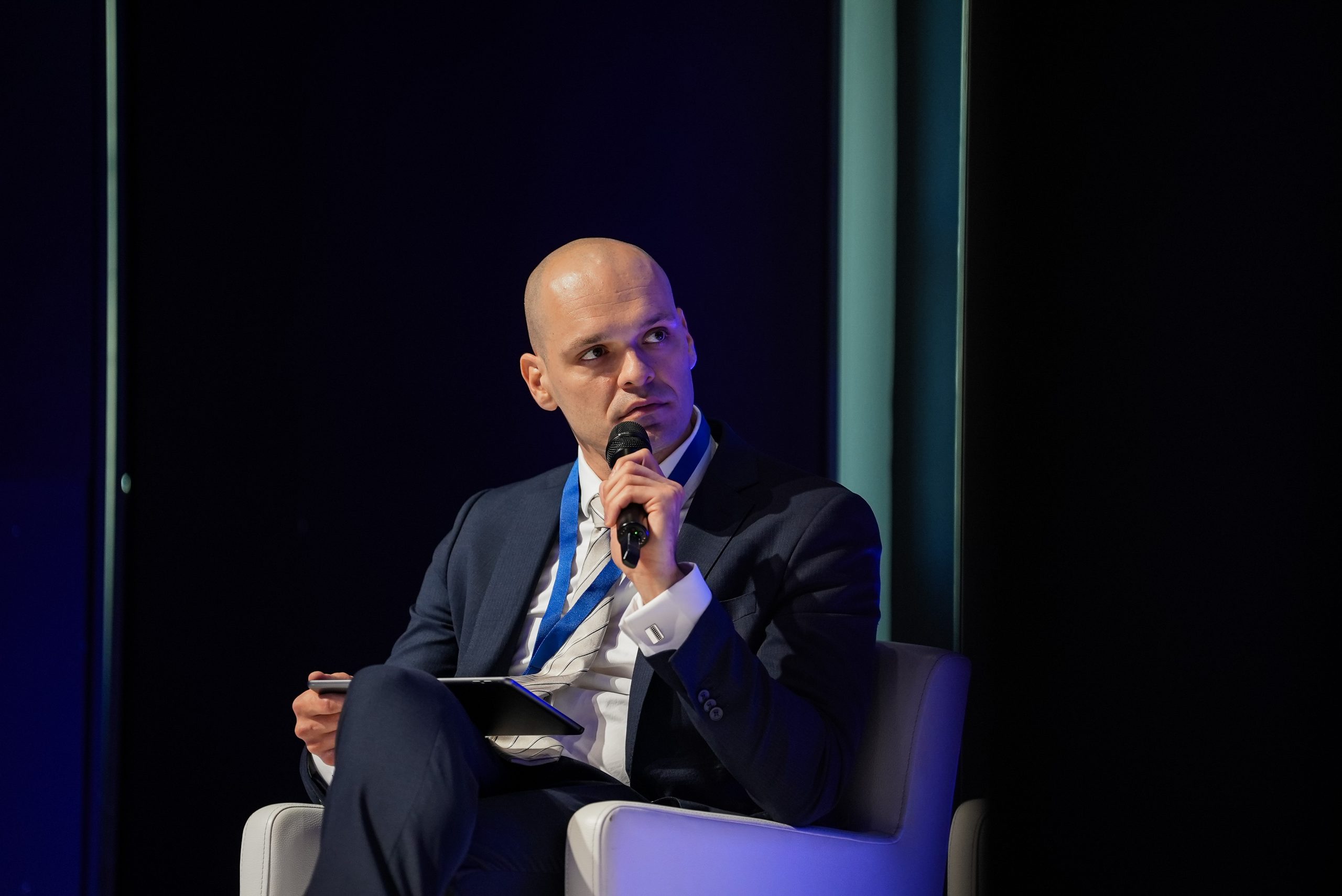
The discussion, moderated by PwC’s Bálint Rippert, focused on the European Union’s (EU) recently presented Sustainable Tourism Strategy, which proposes strengthening destinations’ crisis preparedness and establishing a European Tourism Crisis Coordination Network to improve cooperation between authorities and the tourism industry.
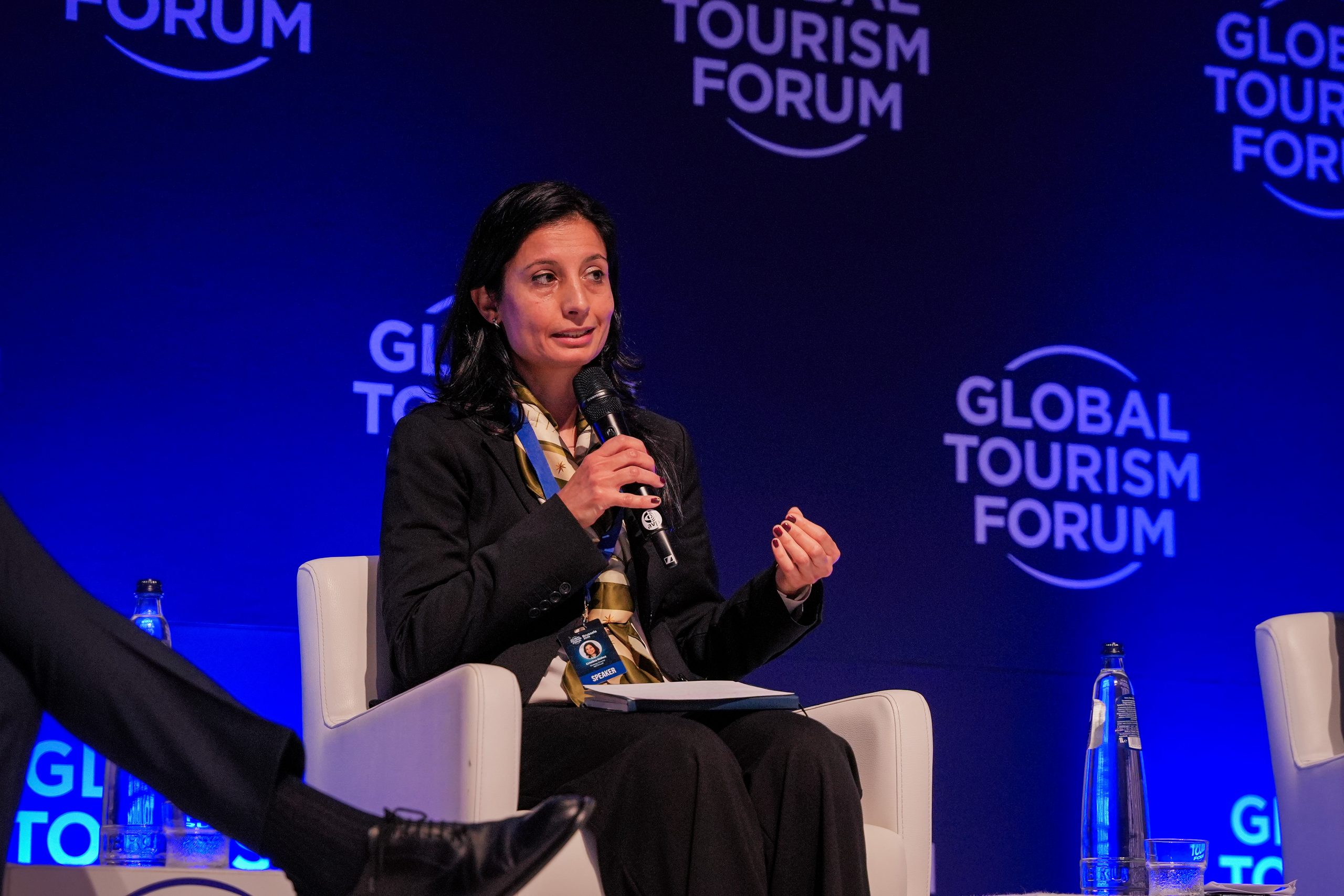
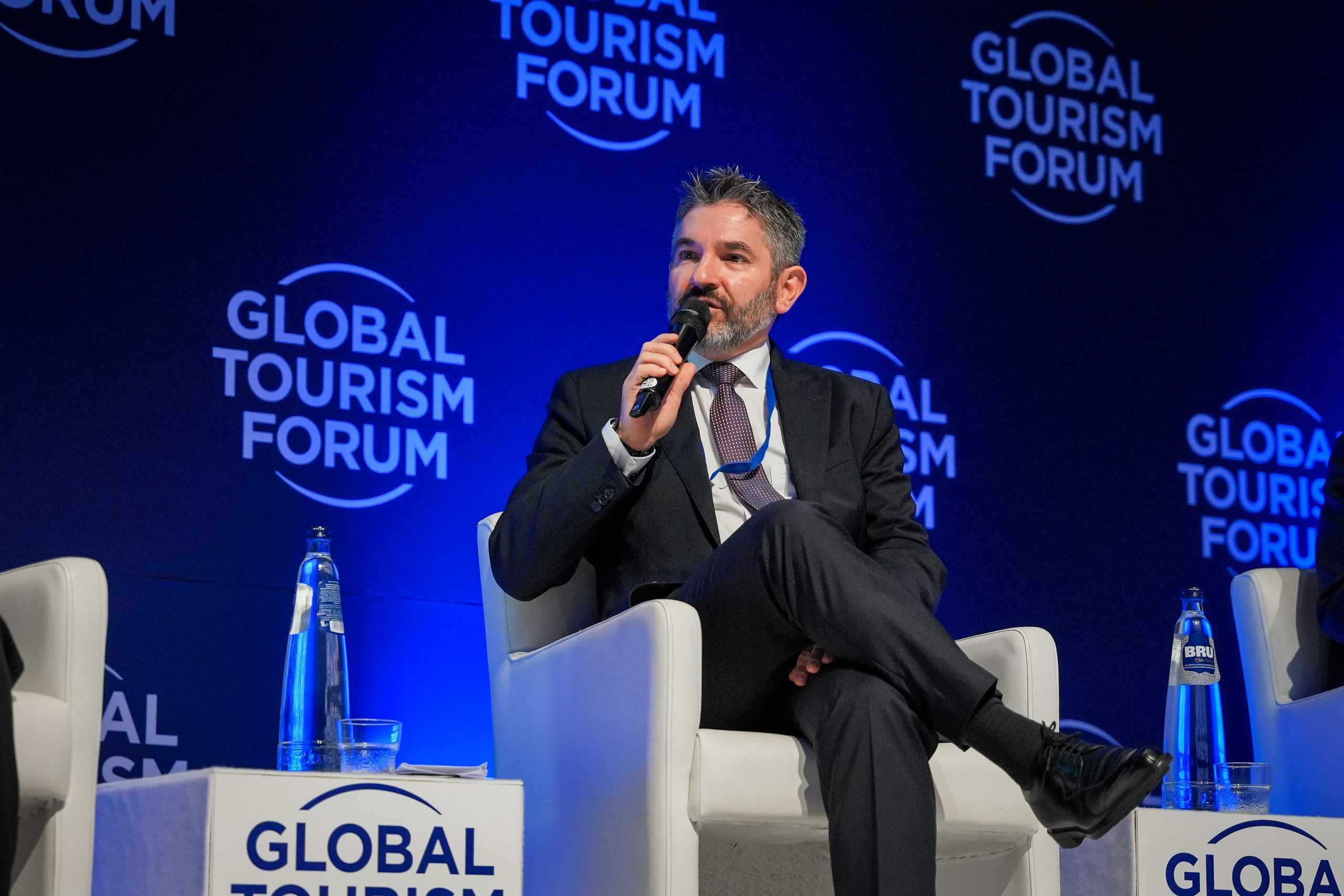
The panellists were Cristina Núñez, Strategy Director of NECSTouR, the network of European regions for sustainable and competitive tourism, Eric Drésin, Secretary General of the European Travel Agents’ and Tour Operators’ Associations (ECTAA), and Maltese MEP Daniel Attard.
But can coordination plans written in Brussels hold up on the ground, and what happens when travellers lose confidence?
From crisis response to preparedness
Cristina Núñez argued that tourism security must become an integral part of destination management rather than something addressed only when a crisis occurs.
She pointed to Finnish Lapland, where authorities, tourism businesses and universities have built a safety network over two decades, which proved valuable during the COVID-19 pandemic. The region has since developed risk laboratories to anticipate potential threats.
“Tourism safety at destination level, you build it before the crisis arrives”, she said.
Núñez also highlighted the economic consequences of Russia’s invasion of Ukraine for Finnish destinations near the Russian border. While Salla has maintained its tourism market share, local businesses in Kotka-Hamina continue to suffer from the loss of Russian day visitors and their spending.
For Núñez, the example illustrates why measuring a destination’s success must go beyond overnight stays and consider the contribution of visitor spending to the local economy.
Asked whether European destinations were generally prepared, Núñez acknowledged that progress was still uneven.
“I would like to say that we are there, but we are not there yet.”
Security goes beyond physical threats
MEP Daniel Attard broadened the discussion to include essential services, such as water and electricity, while insisting that the real challenge is to ensure Europe’s preparedness plans also work in practice.
He pointed to the concentration of tourism in Croatia, where more than half of annual tourist nights fall in July and August, placing additional pressure on the local infrastructure.
Welcoming the EU’s proposed crisis coordination network, Attard argued that preparedness must be tested under real conditions.
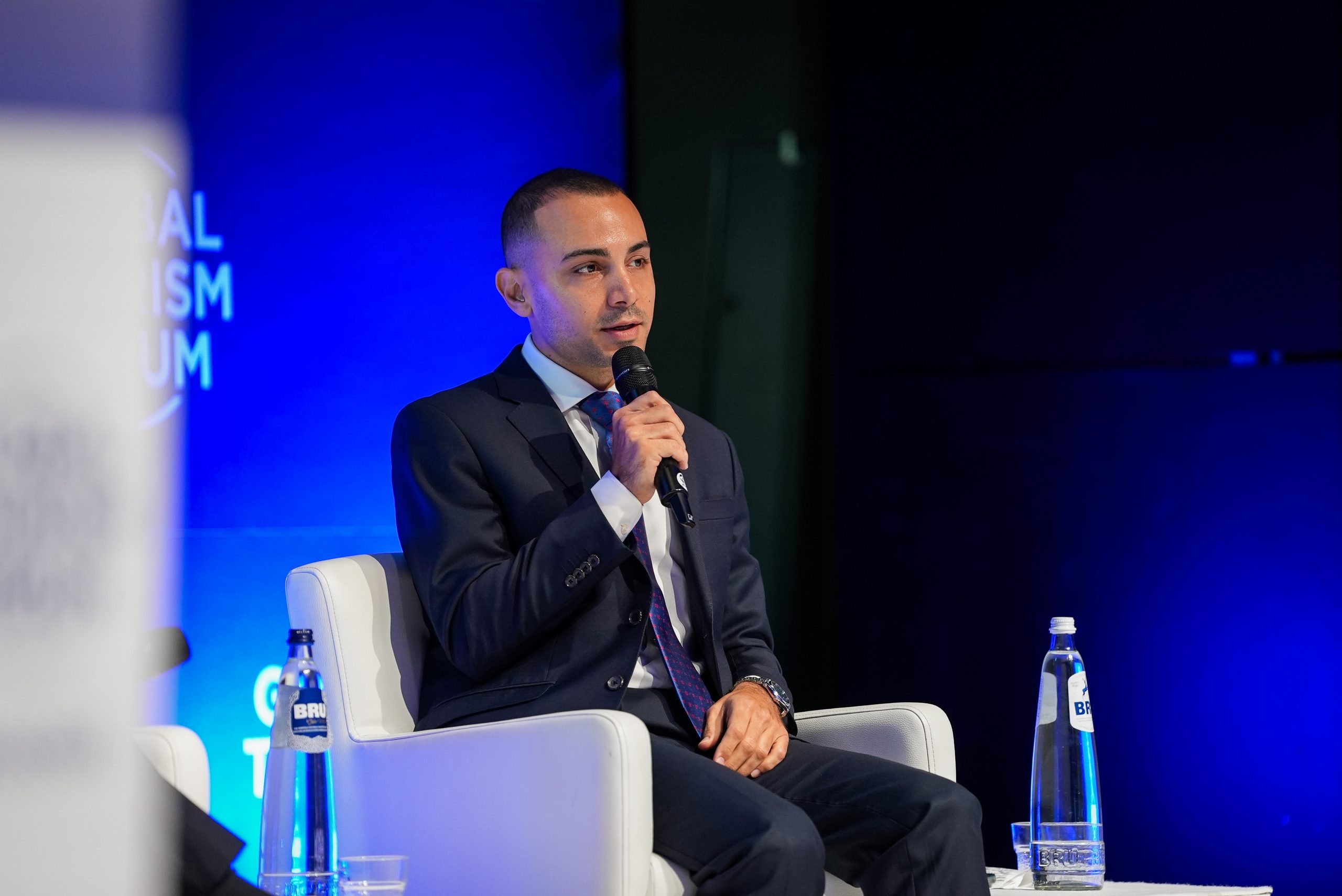
“We should run a drill on a Saturday night in August. If it doesn’t work in August, or if it only works in February, then you have no crisis plan,” he said.
He also called for a European information hub to help local, regional and national authorities share reliable information during crises, while maintaining responsibility for operations at destination level.
Attard also criticised what he called the “silo mentality”, with airports, transport operators, hotels and other services working separately despite forming part of the same journey for travellers.
“The data is there. The technology is there,” he said, insisting that existing tools must now be put to use.
Information is central to traveller confidence
Eric Drésin approached the issue from the travellers’ perspective.
For someone booking a holiday, the question is not simply whether a destination is safe, but whether reliable assistance will be available if something goes wrong.
Perceived risks can also affect travel decisions. In May and June, he recalled, uncertainty over airlines’ jet fuel supplies left some travellers afraid they could leave Europe but not get back, discouraging long-haul trips.
A similar concern was raised earlier by European Commission official Mona Björklund, who noted that tourism businesses in Europe’s eastern border regions continue to suffer from perceptions of insecurity, even where destinations remain safe.
Travel intermediaries cannot prevent wildfires, power failures or airspace closures. They can, however, provide accurate information, arrange alternatives and assist with repatriation, provided they receive timely information from authorities and local partners.
“We are not only selling a product, we are selling an experience,” Drésin observed.
Recalling the COVID-19 pandemic, he pointed to the European Centre for Disease Prevention and Control’s regular updates as an example of useful coordination, while acknowledging that similar arrangements would not be possible for every type of risk.
He welcomed the proposed EU crisis management mechanism as an opportunity to move from fragmented, country-by-country responses towards a more organised approach.
Protecting communities and smaller businesses
Despite approaching the issue from different perspectives, all three panellists agreed that tourism resilience and security require cooperation across sectors and must benefit local communities as well as visitors.
“A destination is a home as well. So, it will only work as long as it works for the people on the ground,” Attard said. Núñez echoed this view, saying that “what is good for visitors is good for residents”.
Small and medium-sized enterprises are particularly important. Björklund told the forum that Europe’s tourism industry comprises around five million businesses, nearly all of them SMEs, and supports more than 20 million jobs. Their resilience, she said, depends on better access to data, a skilled workforce, improved connectivity and less administrative burden.
The vulnerability of smaller operators also came up in a later session on cybersecurity, where Booking.com said only 60% of surveyed accommodation businesses with fewer than ten employees felt sufficiently prepared for cyber risks.
The panel revealed a clear direction for European tourism security, with existing models demonstrating what cooperation can achieve. Yet while the panellists broadly agreed on the importance of coordination and information-sharing, the practical challenges of making different institutions and businesses work together received less attention.
Questions also remain about how to measure the economic cost of insecurity, how quickly travellers regain confidence after a crisis, and whether the EU’s new coordination mechanisms can deliver in practice.