

Brussels Airport is urging authorities to introduce more flexibility in the rollout of the European Union’s new Entry/Exit System (EES). The airport has already faced major disruptions, with waiting times reaching up to two hours for departing passengers and more than three hours for arrivals. These delays have caused serious operational issues, including missed flights and long queues at border control.
In just a few days, nearly 600 passengers missed their flights, and the total delay time linked to these disruptions reached 21 hours. This occurred even when only 60% of travellers were required to be registered in the system, highlighting how difficult the process is to manage in practice. Airport authorities warn that without adjustments, the situation could worsen during the busy summer travel season.
New digital system to replace passport stamps
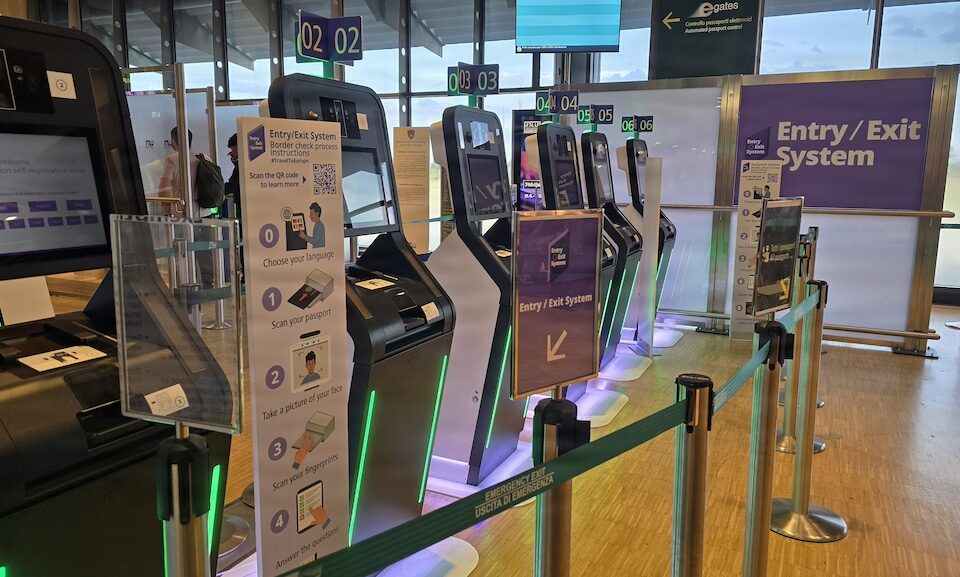
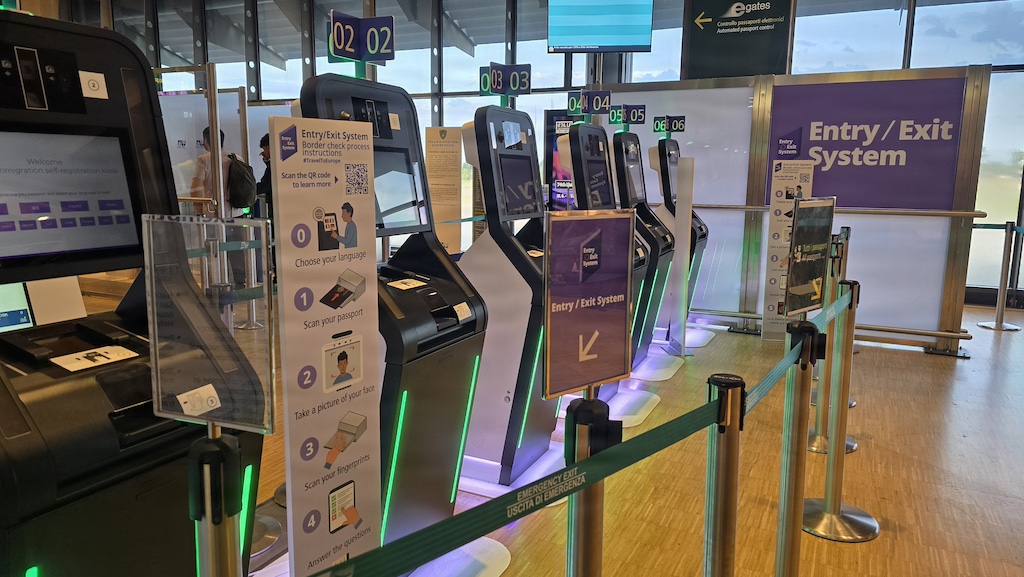
The Entry/Exit System replaces manual passport stamping with an automated process that records when non-EU travellers enter and leave the Schengen Area. It collects passport details and biometric data, including facial images and fingerprints, to improve security and track visitor stays.
The rollout began in October 2025, with Brussels Airport initially required to register around 60% of non-EU passengers. As of 10 April 2026, the EES will become fully operational across the Schengen Area. Full implementation will cover 100% of travellers, and in the future, EES will work alongside ETIAS, which requires visa-free travellers to obtain pre-travel authorisation before entering Europe.
Traveling to Italy or Europe for a short stay is about to become easier.
— Italy in US (@ItalyinUS) September 30, 2025
Passport stamping will be largely replaced by the digital and fully automated Entry/Exit System.
Learn more about the EES 👉https://t.co/jCCBw1AuOK #TravelToEurope pic.twitter.com/dVTq6GyXMe
Early results from the progressive rollout show the system’s impact, according to the European Commission. Over 45 million border crossings have been recorded, more than 24,000 people refused entry, and over 600 travellers posing security risks were identified. Biometric data has already helped detect identity fraud, including a recent case in Romania where a traveller attempted to cross using two different identities after previously being refused entry by multiple Schengen countries.
Operational strain at Brussels Airport
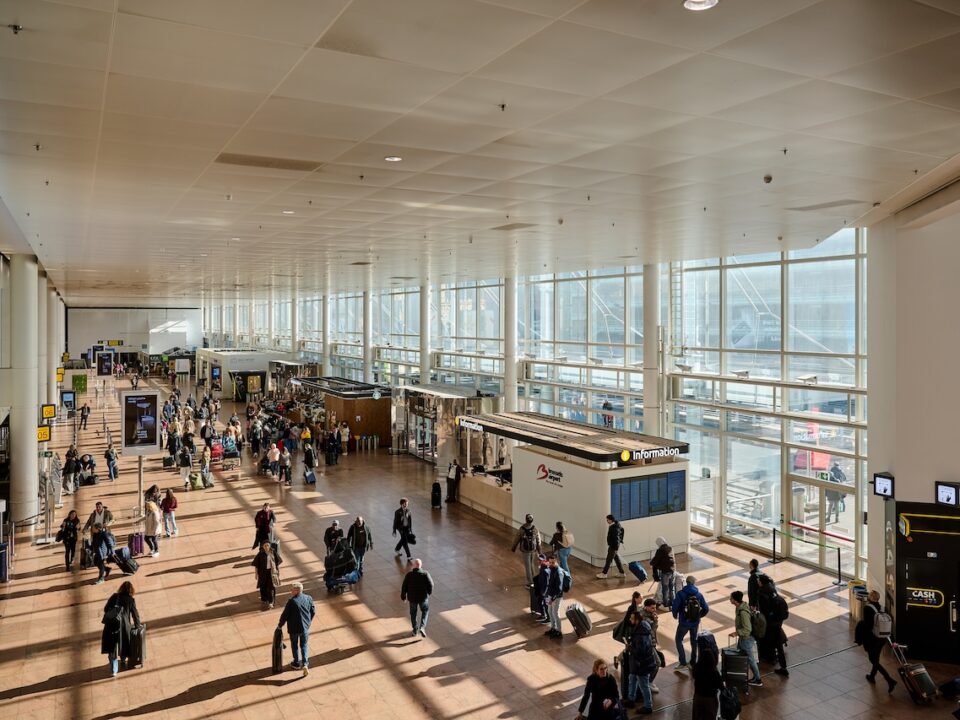
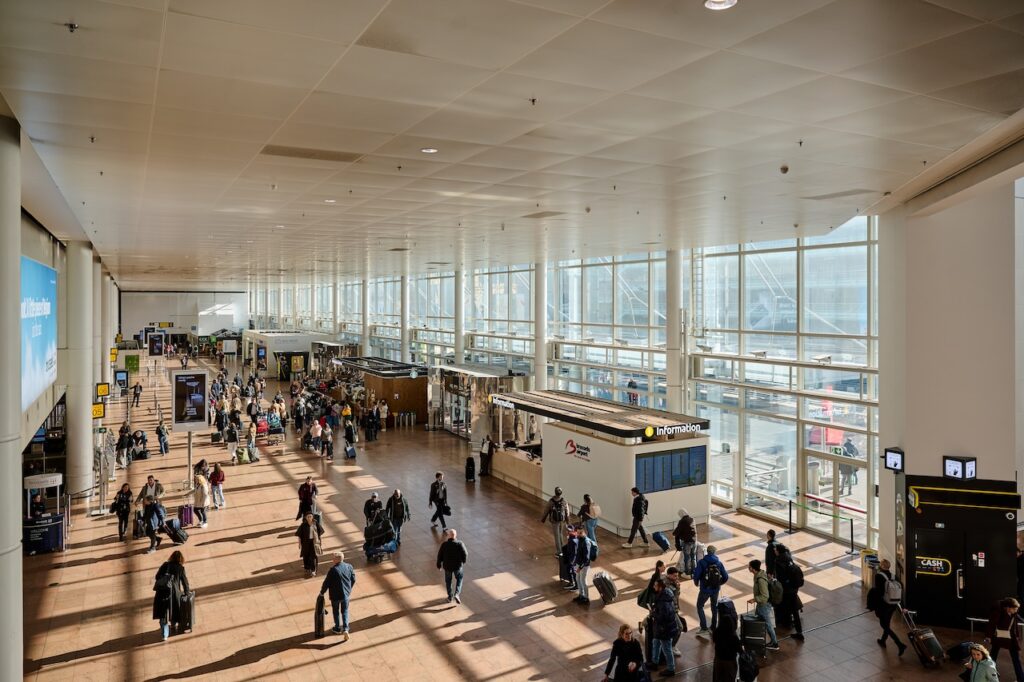
Brussels Airport is already feeling the strain from the EES rollout. Processing each passenger takes longer, leading to extended queues at border control, especially during peak travel periods.
The situation is further complicated by the fact that some travellers can no longer use automated e-gates. Passengers from countries such as the United States, the United Kingdom, Canada, and Singapore must now go through manual checks, adding pressure on border staff and slowing the overall flow. This comes at a time when staffing levels are already a critical concern. Brussels Airport emphasises that fully trained personnel are essential to manage the new procedures, and without sufficient federal police presence, delays are inevitable.
Welcome back .. omg.. #brusselsairport pic.twitter.com/JHaURtXuTR
— Katleen Penel (@Penelk) February 6, 2026
Technical reliability has also come under scrutiny. A recent software failure forced all passengers into the same queues, resulting in waits of up to 90 minutes and exposing the system’s vulnerability to operational disruptions.
Airlines sound the alarm
Europe’s leading aviation organisations have raised concerns that the EES rollout is already contributing to serious delays at airports. In February 2026, Airlines for Europe (A4E), Airports Council International (ACI) EUROPE, and the International Air Transport Association (IATA) wrote to EU Commissioner Magnus Brunner calling for immediate action.
The letter highlighted that the phase at the time, registering 35% of third-country travellers, was creating waiting times of up to two hours at border control. The organisations identified three main problems: chronic understaffing at border posts, unresolved technical issues with automated border systems, and limited uptake of the Frontex pre-registration app by Schengen states.
They warned that during the upcoming peak summer months, if all non-EU travellers must be registered, queues could stretch to four hours or more. The associations urged the European Commission to allow member states the flexibility to partially or fully suspend EES until the end of October 2026.
“There is a complete disconnect between the perception that EES is working well, and the reality. Non-EU travellers are facing massive delays and inconvenience. This must end immediately. The rollout of EES must be flexible to respond to operational realities, especially when traffic doubles during the summer months. We need practical solutions now to prevent widespread disruption during Europe’s busiest travel period,” said Olivier Jankovec, Director General of ACI EUROPE, Ourania Georgoutsakou, Managing Director of A4E, and Thomas Reynaert, SVP External Affairs at IATA.
The latest A4E communication from 30 March 2026 warns that mandatory registration of 50% of Third Country Nationals from 10 March already shows queues regularly reaching two hours at peak times. With the next milestones, 100% registration by 31 March and the end of the transition period on 9 April, there is a risk that member states will no longer be able to suspend the system in response to operational pressures.
“We call on the European Commission and Member States to extend the possibility to fully or partially suspend EES during the entire 2026 summer season. This flexibility is vital to prevent catastrophic disruptions. If technical and operational issues remain unresolved, it should also be available during future peak periods, including winter 2026/2027,” said Jankovec and Georgoutsakou.
Airlines for Europe represents some of Europe’s biggest carriers, including the Lufthansa Group — of which Brussels Airlines is part — KLM-Air France, Ryanair, and many more.
Reducing border delays with innovation
Airports in Europe are testing innovative approaches to ease border bottlenecks. At Lisbon’s Humberto Delgado Airport, a mobile application called “Travel to Europe” allows travellers to register their information up to 72 hours before arrival, speeding up border processing. Passengers can enter personal and travel details in advance, complete necessary checks, and use a QR code at self-service kiosks to reduce in-person waiting times.
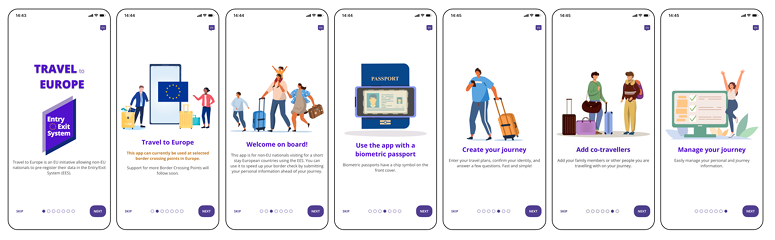
Portugal introduced this solution after experiencing severe EES-related delays, with queues reaching up to seven hours at peak times, forcing a temporary suspension of the system. While optional, the app has proven an effective way to improve the experience for both travellers and border officials.