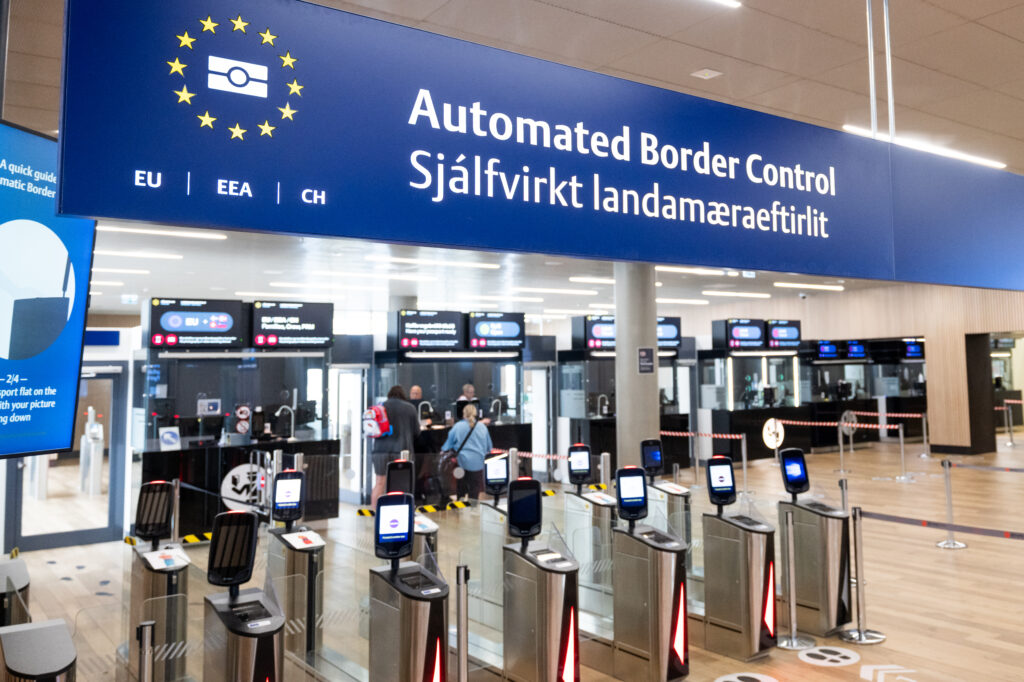
Europe’s leading aviation bodies have called for an immediate review of the Schengen Entry/Exit System (EES), warning that peak summer traffic could bring border controls to a standstill unless greater flexibility is introduced.
In a joint letter to Magnus Brunner, European Commissioner for Internal Affairs and Migration, ACI EUROPE, Airlines for Europe, and the International Air Transport Association signalled that the progressive rollout of the Entry Exit System continues to generate excessive waiting times at airport border controls. Without swift corrective action, queues could stretch to four hours or more during July and August.
Persistent delays under current rollout
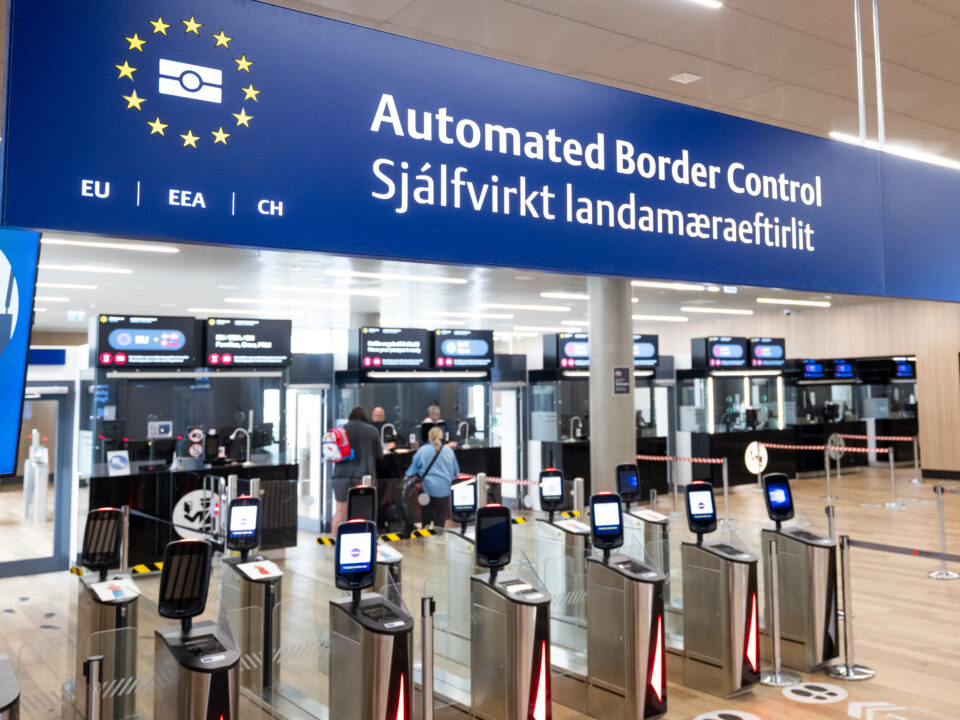
The Entry Exit System, which has been operational across much of the Schengen Area since October 2025, requires non-EU nationals, including UK travellers, to register biometric data such as fingerprints and facial images upon entry.
Under the current phase of implementation, 35% of third-country nationals entering the Schengen zone must be registered. According to the aviation associations, this requirement is already resulting in waiting times of up to two hours at airport border controls.
Their warning comes just weeks after travel trade bodies highlighted similar concerns. As reported by Travel Tomorrow, delays of up to three hours at peak times have been recorded at major airports in Spain, Italy, France, Germany, the Netherlands, Portugal, the Czech Republic, Estonia, Luxembourg, and Belgium. In some cases, passengers have missed onward flights due to extended queues.
While the system is intended to modernise border management and eventually streamline checks, industry representatives argue that its current operational reality is falling short.
Three critical pressure points
In their letter, the aviation bodies identify three core issues exacerbating delays.
First, they cite chronic understaffing at border control points. Second, they point to unresolved technological problems, particularly in relation to border automation. Third, they highlight the limited uptake by Schengen states of the Frontex pre-registration app, designed to allow travellers to submit data in advance and reduce processing times at airports.
Taken together, these factors risk compounding disruption during the busiest period of the year, when passenger volumes at Europe’s airports can double.
The organisations warn that if full mandatory registration of all border crossings proceeds during the height of summer, waiting times could exceed four hours at some locations.
Call for flexibility until October 2026
A central demand in the letter is for the European Commission to confirm that Schengen Member States will retain the ability to partially or totally suspend the Entry Exit System until the end of October 2026.
Under Regulation 2025 1534, the progressive approach currently in place allows for suspension mechanisms. However, these mechanisms are due to expire beyond early July, and it remains unclear whether Member States would still be able to activate flexibility under the Schengen Border Code provisions on relaxing border control checks.
For the aviation sector, maintaining the option to stand down or scale back the system temporarily is essential to avoid operational gridlock.
“There is a complete disconnect between the perception of the EU institutions that EES is working well, and the reality, which is that non EU travellers are experiencing massive delays and inconvenience,” said Olivier Jankovec, Director General of ACI EUROPE, Ourania Georgoutsakou, Managing Director of Airlines for Europe, and Thomas Reynaert, Senior Vice President External Affairs of IATA, in a joint statement.
“This must come to an end immediately. We need to be realistic about what will happen during the peak summer months, when traffic at Europe’s airports doubles. The rollout of EES must be flexible to react to operational realities. This is an absolute prerequisite for its success and for safeguarding the reputation of the EU as an efficient, welcoming and desirable destination.”
What this means for travellers
For now, travel industry stakeholders are continuing to advise passengers to plan for longer processing times, particularly when travelling during peak hours or through airports already experiencing bottlenecks.
Earlier this year, ABTA urged EU border authorities to use contingency measures such as limiting checks or temporarily standing down elements of the system to manage passenger flow more effectively. Travellers have also been encouraged to head straight to passport control after check-in and security to complete EES formalities as early as possible.
With July and August fast approaching, pressure is mounting on Brussels to reconcile the long-term ambitions of digital border management with the immediate operational realities facing Europe’s airports.