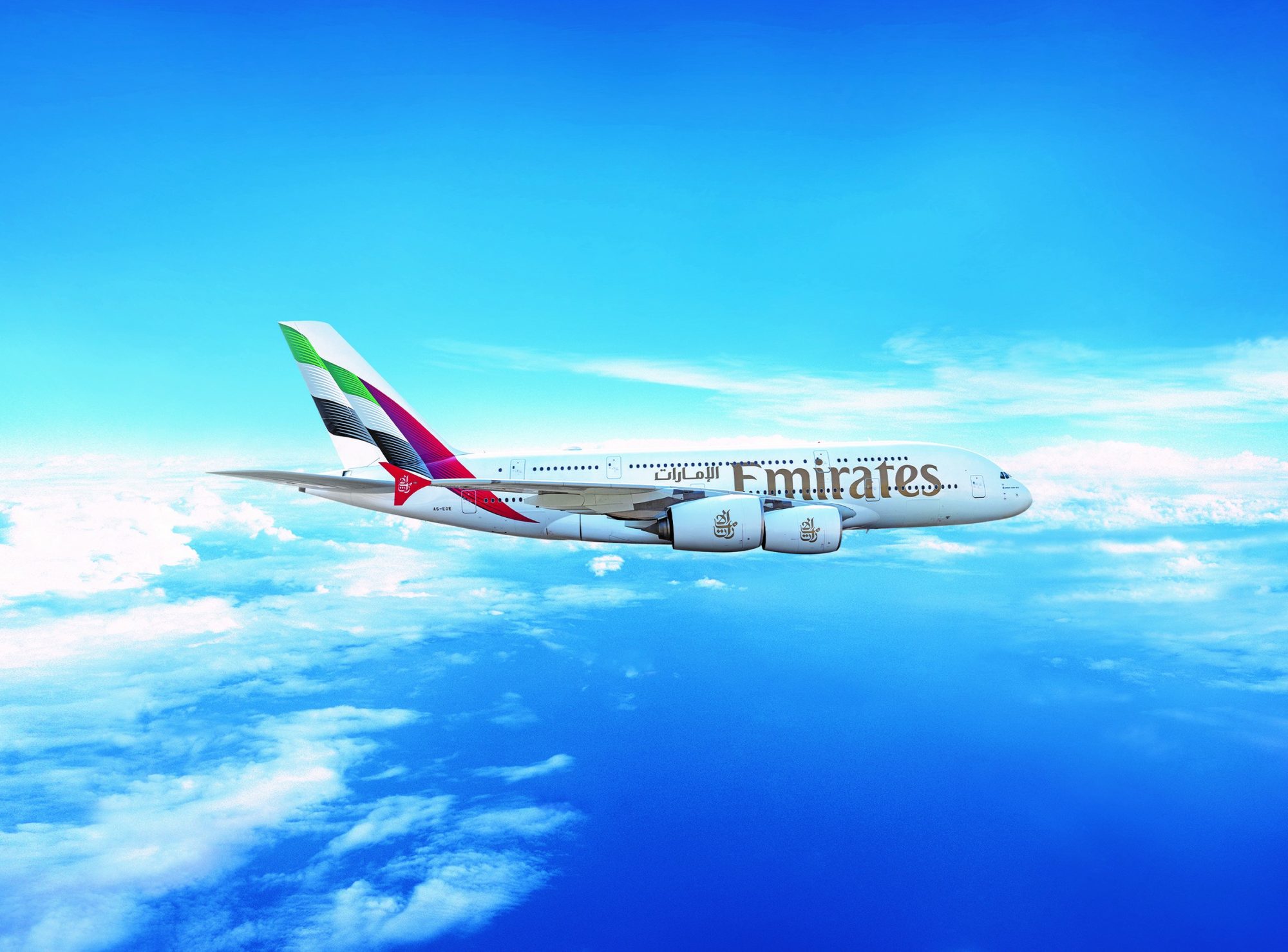



Emirates President Tim Clark told Reuters in his first interview with a global news agency since the start of the U.S.-Israel conflict with Iran that the airline will introduce a new incentive programme designed to restore traveller confidence and encourage customers to return amid ongoing regional tensions.
Emirates, one of the flag carriers of the United Arab Emirates and based in Dubai, has been directly impacted by the ongoing conflict in the Middle East. Yet despite rising costs, the airline will be sticking to a strategy of maintaining flight schedules. In an interview, Emirates president Tim Clark explained exactly how the carrier will be encouraging travellers to return.
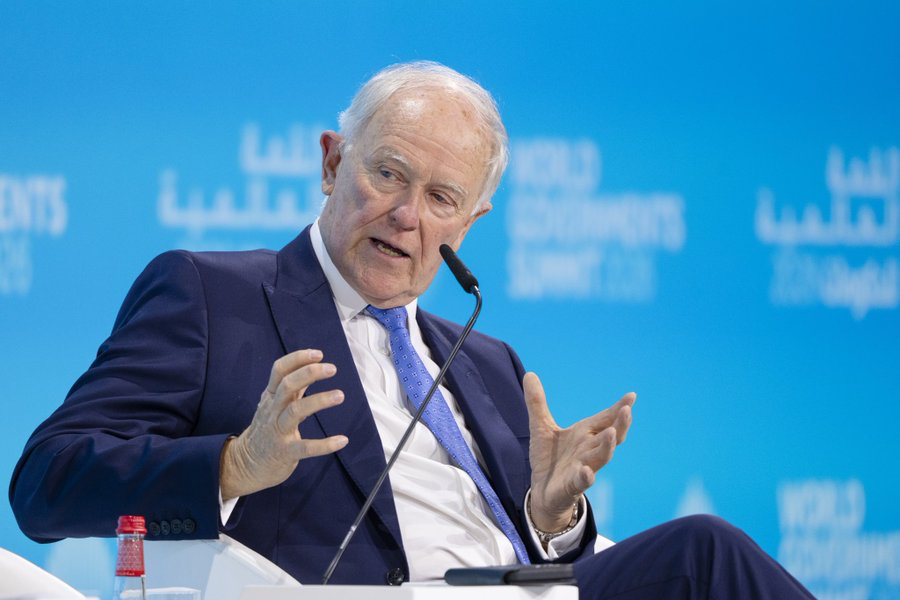
According to Clark, Emirates’ new incentive programme will not focus on lower fares to reassure travellers and to get them to return to the airline’s hub, Dubai. As airfare is highly aligned with the price of jet fuel, which is prone to fluctuation at the time of writing, reducing ticket prices is not an option for the carrier.
However, all other means are fit to lure back customers, including safety and reliability in an uncertain market.
“We’ll take care of all of that, including flying them on other carriers if necessary to bring them home or get the kids into school,” Clark told Reuters, speaking of people’s concerns about flights getting cancelled or travellers being stranded.
Emirates President Tim Clark says the airline will introduce measures to reassure passengers and remains prepared to expand services as conditions improve pic.twitter.com/M5to5bGmOL
— The National (@TheNationalNews) June 10, 2026
Since the start of the conflict, the European Union Aviation Safety Agency (EASA) has been advising airlines not to fly over certain parts of the Gulf and Middle East by applying conflict-zone warnings. This is putting Emirates in a difficult position, and although Clark says he understands their obligation to protect travellers, he is in talks with different governments and regulators in an attempt to ease restrictions.
Concluding his interview with Reuters, Clark indicated that Emirates is still hoping for a good summer season. Once the price for jet fuel drops from $90 a barrel to around $70, the airline should be back on track, although it remains unclear when exactly this will happen.
Emirates in 2026
According to a statement issued by Emirates on 4 May 2026, the airline had restored 96% of its global network. In the weeks before, the airline had progressively resumed services across the Americas, Europe, Africa, West Asia, the Middle East/GCC, the Far East, and Australasia.
With 137 destinations across 72 countries and over 1,300 weekly frequencies, Emirates has reached 75% of pre-disruption capacity.
“The airline is offering more flights, more seats, and more options each day while reaffirming Dubai’s position as a vital hub through which global travel moves. Even as it operated with a reduced schedule, Emirates carried 4.7 million passengers during the disruption, a testament to the enduring demand for travel and the trust that travellers continued to place in the airline to get them where they needed to go,” Emirates wrote.
According to industry estimates, the conflict in the Middle East could cost the region approximately 23 million international visitors and nearly $34 billion in tourism spending.