

20 January 2026 marks the launch of the new Active Tourism Coalition. Through the initiative, 15 civil society and industry organisations led by the European Cyclists’ Federation (ECF), are calling on European institutions to “recognise active tourism as a strategic pillar of sustainable, competitive, and resilient tourism across Europe.”
With the European Sustainable Tourism Strategy underway and scheduled to be released somewhere at the start of 2026, the Active Tourism Coalition is using that momentum to highlight the important of active tourism. The organisation underlines that, by focusing on accessible physical activity for mobility, recreation, and leisure, including cycling, walking, and hiking, active tourism enables visitors to experience destinations at a human scale. It combines low environmental impact with strong social value and meaningful connections.
Moreover, according to the Active Tourism Coalition, active tourism also comprises a significant economic potential of the sector. In 2012, cycling tourism alone was estimated to generate €44 billion annually in Europe, while as of 2025, the global adventure travel sector is said to represent a trillion-dollar global market.
“Active tourism should be the cornerstone of the European Sustainable Tourism Strategy. By encouraging tourists to move through regions by bike or on foot, it supports healthier lifestyles, low-carbon travel, and stronger local economies. It can also boost European competitiveness with strong products and brands such as EuroVelo. Today, we are proud to be part of 15 industry and civil society voices calling on the EU institutions to turn these benefits into reality across Europe”, said Laurianne Krid, Chief Executive Officer at ECF.
Room for growth
However, the Active Tourism Coalition finds that active tourism remains under-represented in European tourism strategies. With the European Sustainable Tourism Strategy forthcoming, the 15 civil society and industry organisations seizes the opportunity to highlight its potential as a solution to unbalanced tourism, a driver of regional development, and a flagship element of Brand Europe. With that in mind, the coalition is issuing four key policy recommendations.
- Recognition and integration of active tourism as a cornerstone of sustainable tourism policy, including its integration into destination mobility strategies, multimodal transport planning, and last-mile solutions, supported by robust impact monitoring.
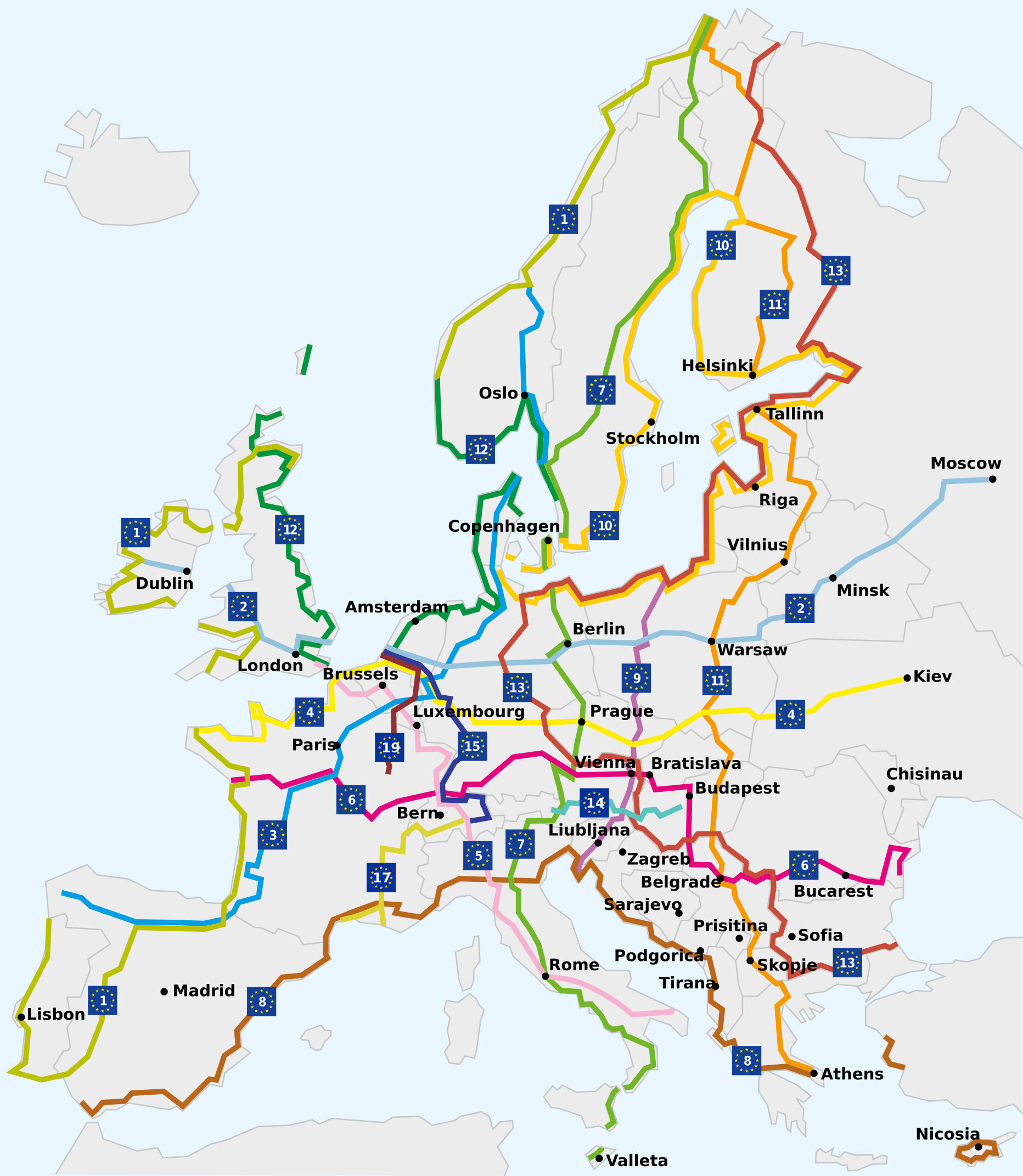
- Brand Europe leadership, showcasing Europe’s unique natural and cultural heritage through its extensive network of long-distance routes such as EuroVelo, who are creating an entire bicycling network throughout Europe, greenways, E-paths, and GR footpaths, supported by open, high-quality tourism data and recognised certification and training schemes.
- Integrated governance, bringing together local communities, destination management organisations, tourism operators, NGOs, land managers, transport providers, media, and outdoor sport organisations to ensure tourism development benefits residents while protecting natural and cultural landscapes.
- Targeted investment, with active tourism prioritised in the next EU Multiannual Financial Framework (2028–2034), including dedicated funding for cycle routes, hiking trails, and cross-border active tourism offers.
In its press release, the Active Tourism Coalition states to be prepared to collaborate with European and National institutions to work towards a European sustainable travel future in which active tourism plays a key role.