A series of shark attacks on Australia’s New South Wales (NSW) coast has led authorities to close beaches and issue warnings about swimming or surfing near river mouths.
Four people have been attacked by sharks along the coastline in less than two days. A surfer at Point Plomer was “very fortunate” to escape with minimal injuries, according to Steve Pearce, the chief executive of Surf Life Saving NSW. Another surfer narrowly avoided severe injury at Dee Why Beach in Sydney. A 27-year-old man attacked near Manly suffered “life-changing” injuries, and a 12-year-old boy was left in a critical condition after a shark bite on a Sydney Harbour beach.
Bull sharks are believed to be behind the attacks, which have occurred during the summer season, when water temperatures that the species prefers, and in the wake of heavy rains, which make the waters more nutrient-rich than usual, attracting fish that the sharks feed on. While shark attacks are rare, bull sharks possess the ability to live in both saltwater and freshwater, meaning they pose a greater threat to humans since they share coastal and river habitats with us. They can reach over three metres in length and up to 230 kg in weight – a high width to length ratio that makes them powerful. What’s more, they have dark colouration on top and are lighter on the underbelly, which helps camouflage them in disturbed waters.
@sbsnews_au Two surfers who helped pull a teenage boy to safety after he was attacked by a shark say it followed them to shore, and it's a miracle they weren’t also attacked. The 16-year-old suffered serious injuries to his arm and leg after being bitten at Cabarita Beach in northern NSW on Sunday afternoon. Surfers and bystanders, including an off-duty paramedic, rushed to his aid and applied a tourniquet to stem the bleeding. The teen was airlifted to Gold Coast University Hospital, where he is now recovering. For the latest news, visit @sbsnews_au ♬ original sound – SBS News
“We really strongly advocate that nobody swim or surf near river mouths because it’s obviously an area where sharks congregate,” Pearce told ABC. “If it’s dirty water, I’d think twice about going in there.”
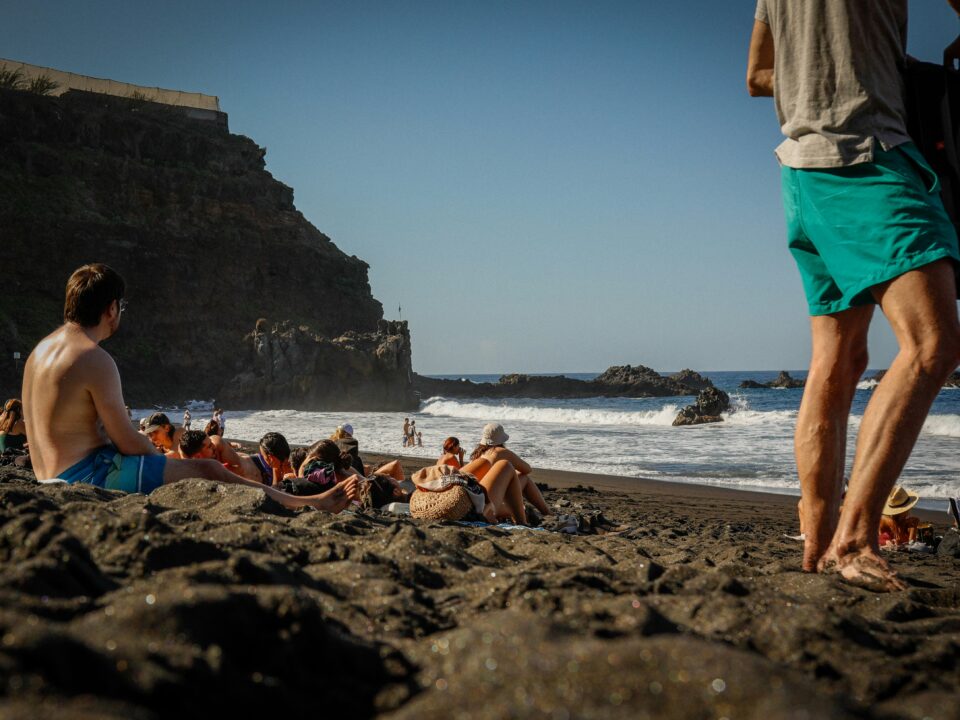
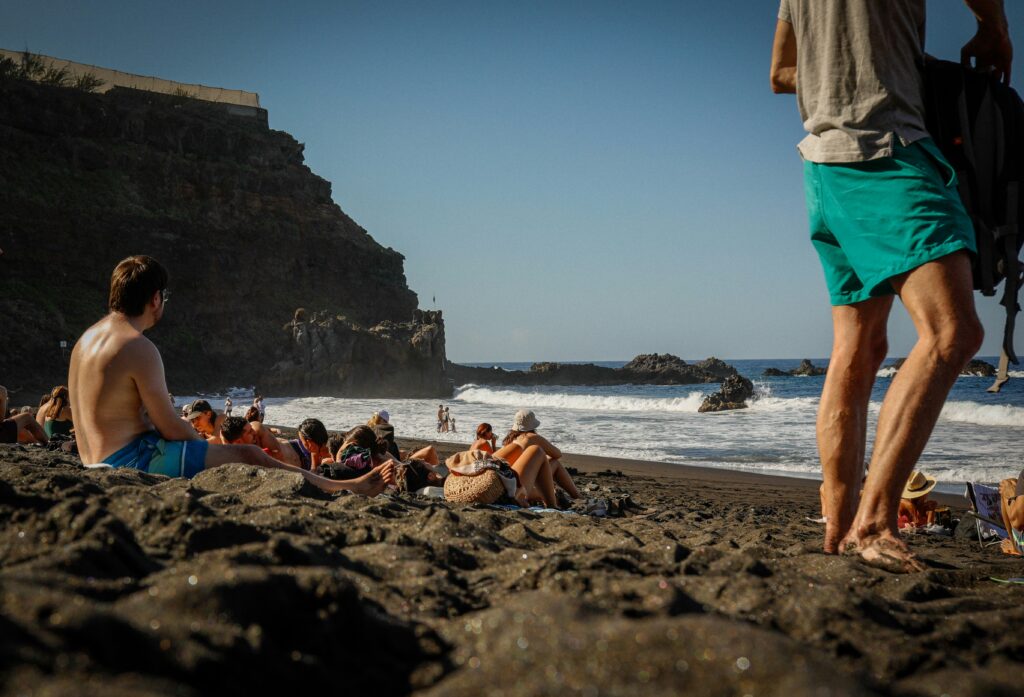
Although officials have closed around 40 beaches, the situation remains a worry. The school summer holiday period in Australia is fast approaching, as is the Australia Day public holiday, which will give workers a long weekend, over which NSW temperatures are forecast to soar to 34 °C.
“We know this weekend is forecast for a really extreme hot temperature. So, we know we’re going to have tens of thousands of people flocking down to the coastline,” Pearce acknowledged. “We know that they will go into the water regardless of whether they’re closed or not.” But he emphasised: “Beaches are shut. They’re shut for a reason. Stay clear of the water, both swimming and surfing.”
Writing in the Sydney Morning Herald, shark expert Chris Pepin-Neff echoed that advice. “Stay out of Sydney Harbour and the beach after a rainstorm,” he said, urging people to “Wait 72 hours after a storm to swim in the harbour and be mindful of swimming or surfing at ocean beaches for 24 hours after a large downpour.”