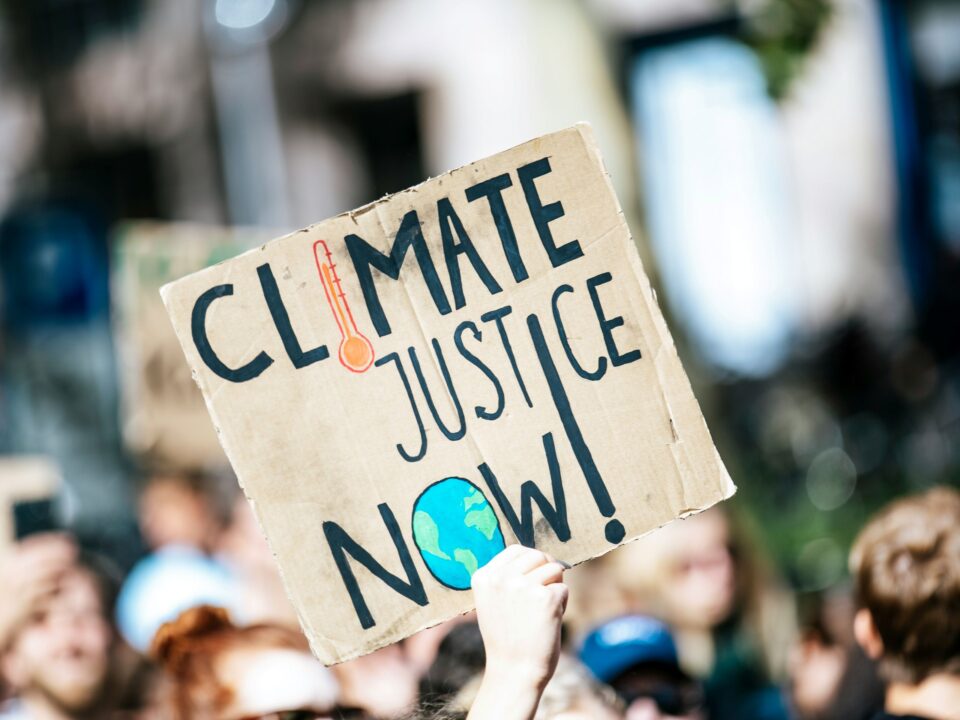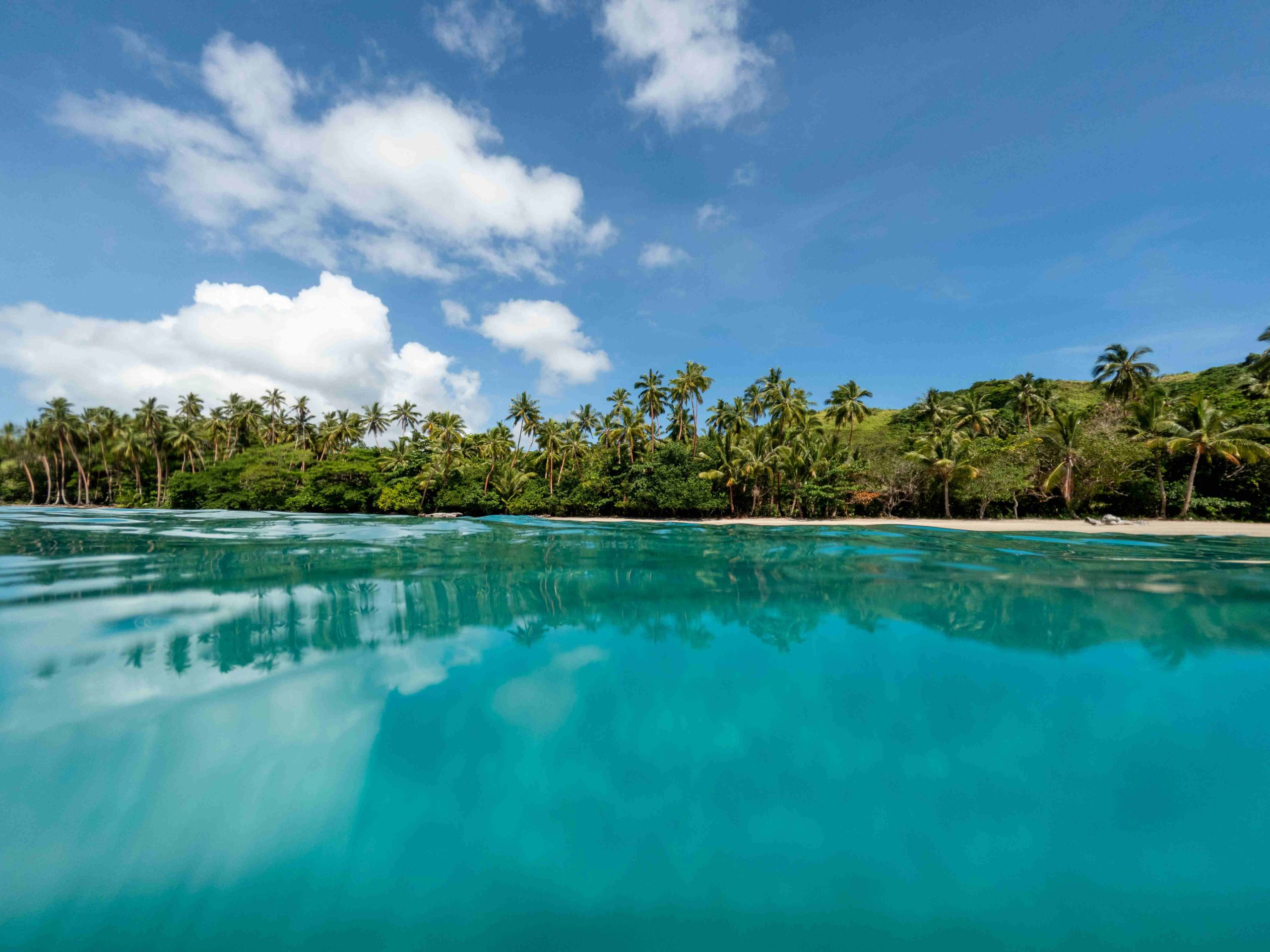


The inhabitants of an Oceania island paradise facing threats from climate change are attempting to shore up their infrastructure’s resistance to rising seas and cyclones, rather than choosing to relocate.
Serua Island sits off the central southern coast of Fiji’s “mainland” Viti Levu, around an hour west of the capital, Suva. Boasting two hills, for which it is named (Serua means “two parts”), and originally the home of Narukusara fishers, from whom some settlers from the mainland tried to learn skills, the island was long a tribal battleground, according to Fiji Times.
Now though, a battle for survival of a different kind is taking place.
Cyclones have always been a scourge across the South Pacific, and some of today’s Seruans recall particularly violent, categorised storms of the past. Reported by the AFP, islander Avenai Ranuku remembers the category five cyclone “Winston,” which made landfall in late February 2016. Winston became the most intense tropical cyclone ever in the Southern Hemisphere and, over a duration of a week in the Coral Sea area, reached record sustained wind speeds of 280 km/h. Although the archipelago opened shelters and Seruans helped each other reach high ground, the cyclone killed at least 44 people and damaged or destroyed 40,000 homes.
🇫🇯 Fijian paradise island’s residents reject calls to relocate From shore, Serua Island looks like a tropical idyll. Up close, a concrete seawall stands between the community and encroaching seas that are already swallowing parts of the island. https://t.co/9SKE9kLske
— AFP News Agency (@AFP) October 30, 2026
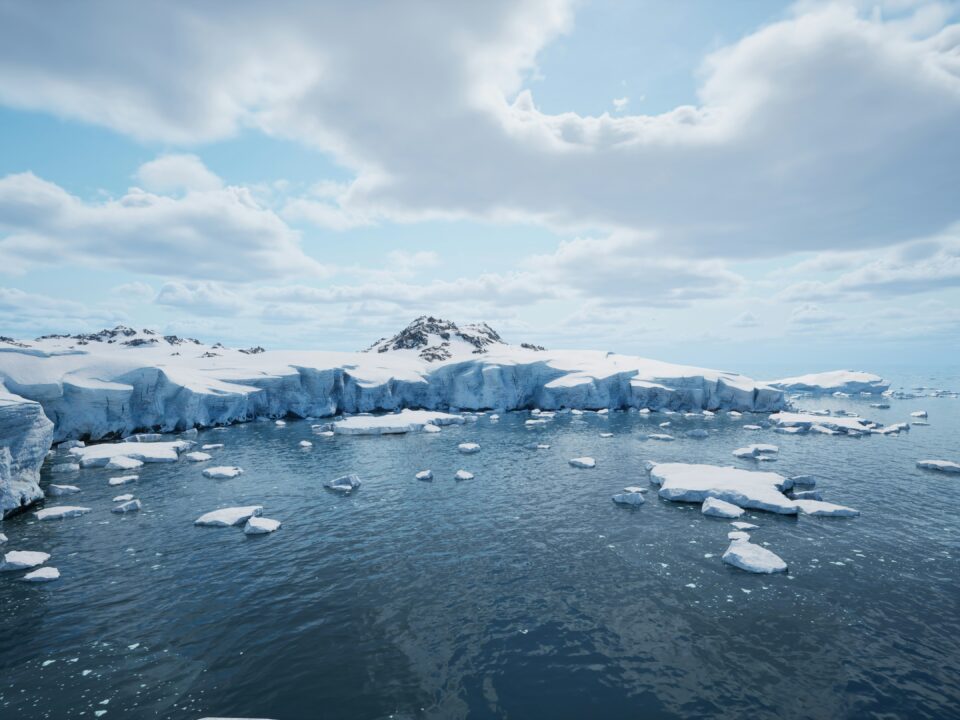
With climate change, the risks posed by extreme weather have only increased. Research from the University of New South Wales has found sea levels in the region have increased at rates three to four times the global average in recent decades. Similarly, the UN Climate Action Team report 2024, “Surging Seas in a Warming World,” said sea levels are rising at rates not seen for 3,000 years, with average levels up by 9.4 cm over the last thirty years.
Described from a local viewpoint, that means: “The stronger the air pressure, the higher the waves. So the waves wash through inside the village,” Ranuku said. A report prepared by Fijians with the support of Habitat for Humanity in 2025 noted: “Serua Island experiences more frequent seawall overtopping during high tides and king tides, saline intrusion affecting soil fertility, and standing water after rainfall, elevating health risks.” It added that the island lacks a “natural form of wave breakers” and so “is constantly threatened by sea level rise and cyclones.”
To make matters worse, over half the local housing stock suffers “a combination of unstable foundations and roofs, and weak joints, walls and bracing, making these homes most vulnerable.” One in five homes is in a “critical” condition, and only a total of three houses could hold up in a cyclone, the report said.
Fiji has made recent representations to the UN emphasising climate impacts on small island developing states (SIDS). The UN has also called on developed nations, particularly the G20, which produce 80% of the world’s emissions, to cut and mitigate their greenhouse emissions. But those efforts might come too late for places like Serua.
While the answer could be to migrate elsewhere, as their settler ancestors did before they met with those early fishers, a majority of Seruans have rejected this solution. Instead, the AFP recounts, work is taking place to raise up houses, reinforce walls, and replace corrugated roofing. Habitats for Humanity also recommended improving the 750-metre causeway that provides a pedestrian link to Viti Levu at low tide, as well as securing docking and harbour facilities.
As previously reported by Travel Tomorrow, Pacific dwellers in Tuvalu announced in 2023 a plan to build a digital replica of the island state in the metaverse in order to preserve their history and culture in response to the existential threat from climate change. Seruans are choosing to rebuild in the real world—for as long as it lasts.