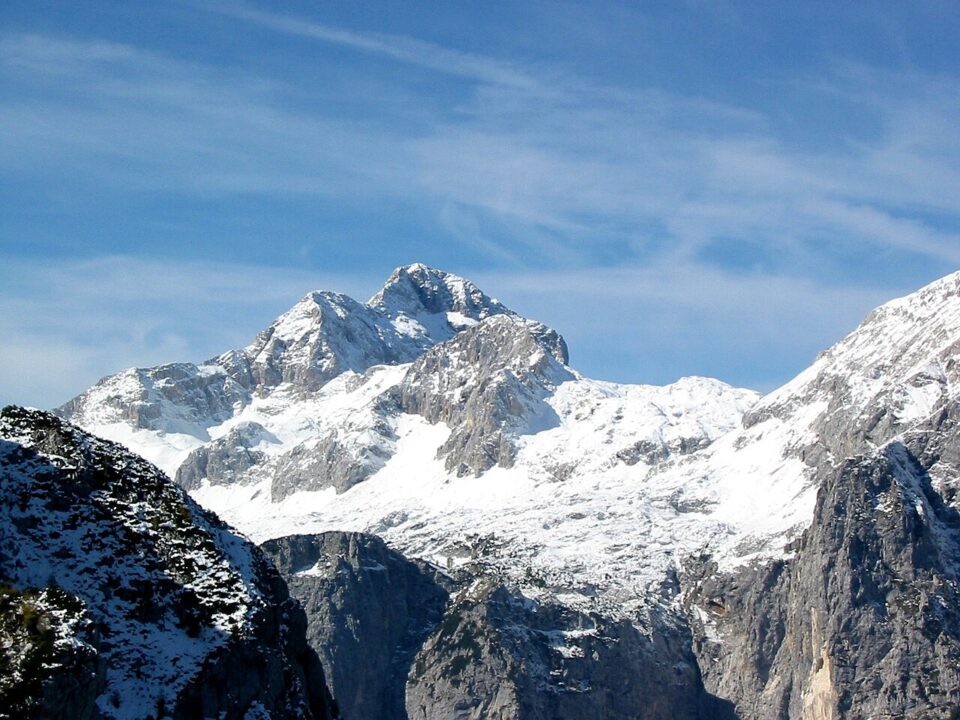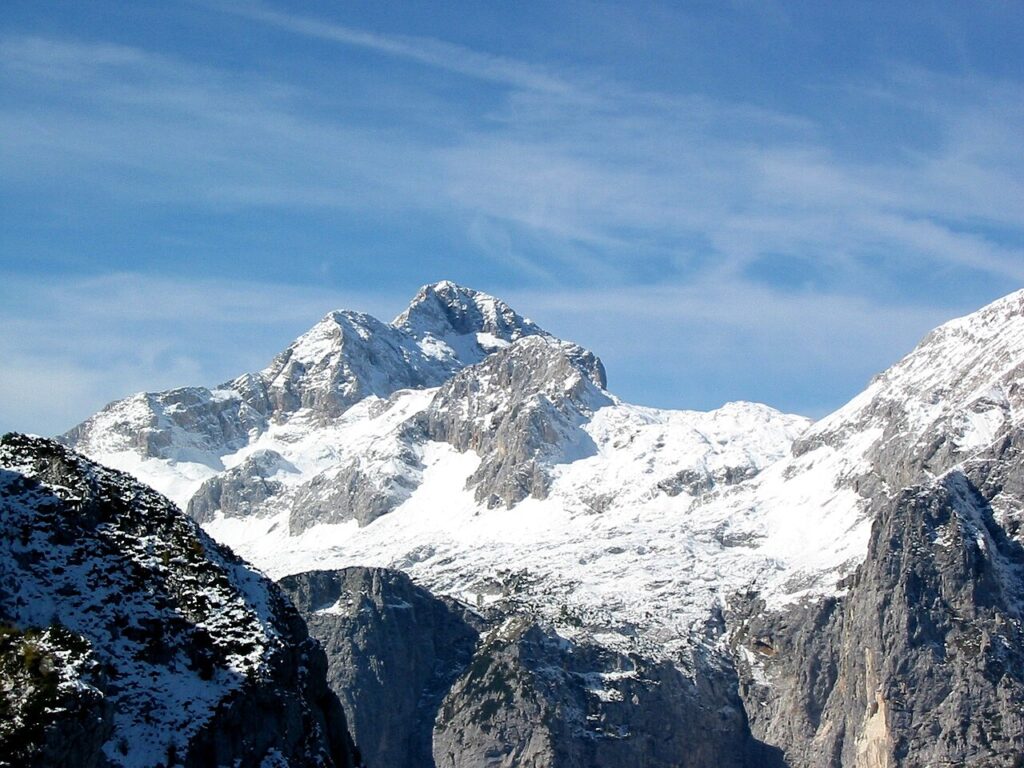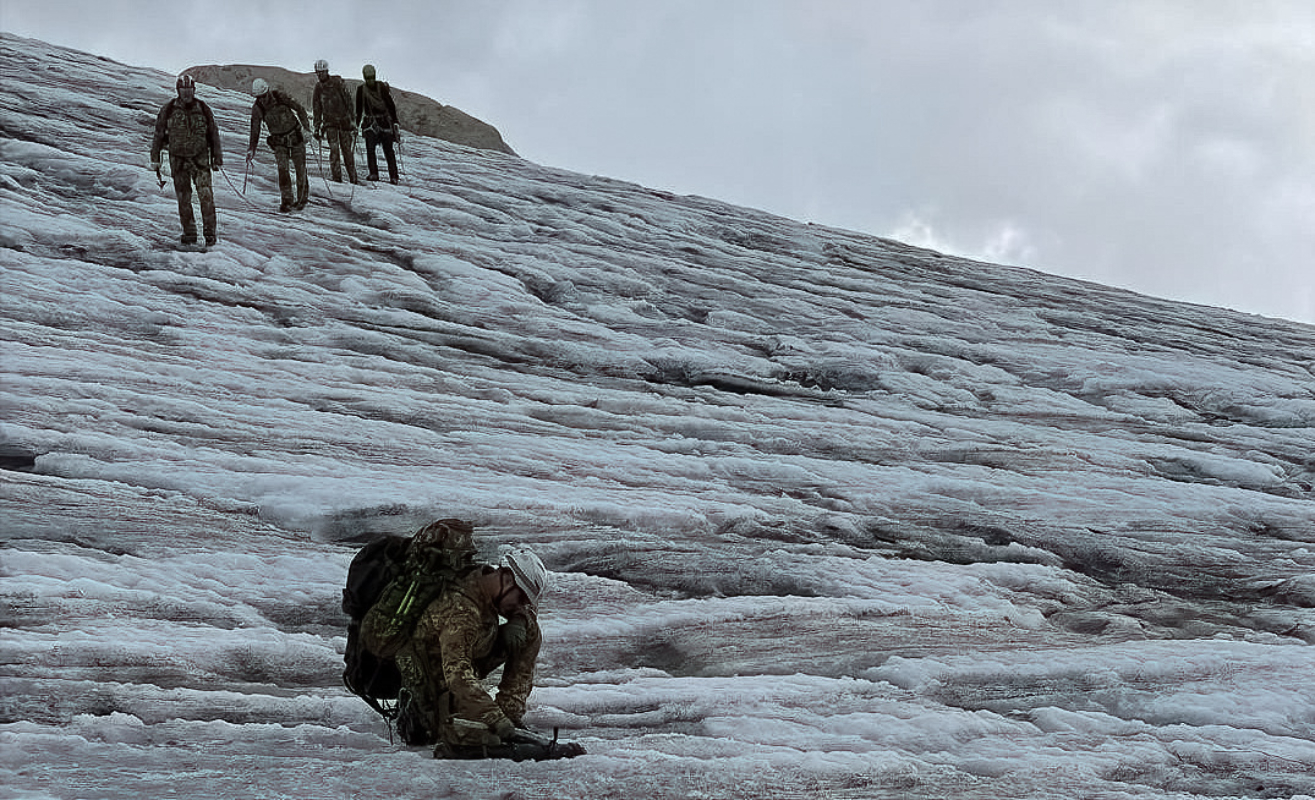



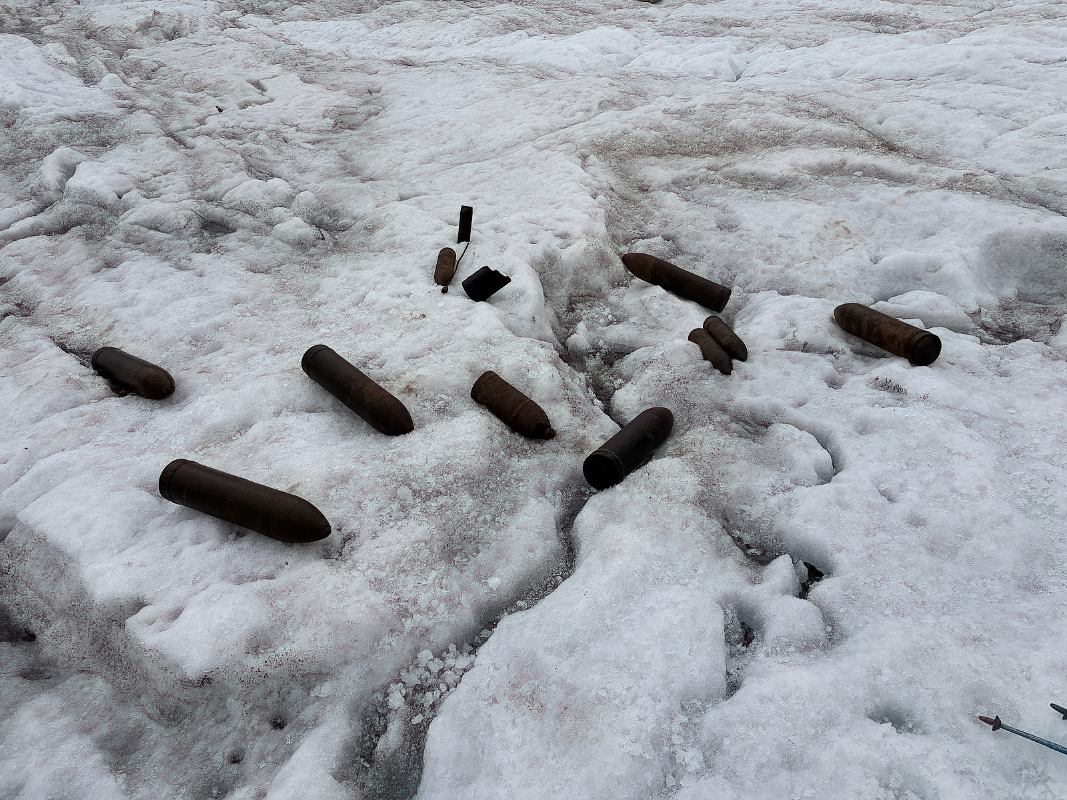
As climate change causes glaciers to retreat, it is not just a new face of Europe’s mountain destinations that is being revealed, but traces of their past too. Snow melt in the Dolomites has laid bare hundreds of First World War weapons that for a century were hidden beneath the mountains’ frozen surface.
The Italian army has reported historic finds made in September 2026, after another summer of record high temperatures across Europe, stating: “As the ice retreats, history resurfaces – and with it, dangers from the past. More than a century later, the mountains continue to yield unexploded ordnance from the Great War.”
El deshielo de los glaciares en los Dolomitas, al norte de Italia, dejó al descubierto más de 250 artefactos explosivos de la Primera Guerra Mundial. Los hallazgos se registraron cerca de Canal San Bovo, en el valle de Primiero, donde el Ejército italiano realizó labores de recuperación y neutralización. Las municiones datan de la llamada ‘Guerra Blanca’, los enfrentamientos entre tropas italianas y austrohúngaras en las montañas alpinas entre 1915 y 1918. Las autoridades recomiendan a excursionistas y montañistas no tocar estos artefactos y reportar cualquier descubrimiento a las fuerzas de seguridad. 📷: Cortesía.
— Noticiero El Salvador 🇸🇻 (@NoticieroSLV) October 27, 2026
Dubbed the “White War,” fighting between Italian and Austro-Hungarian troops took place from 1915 to 1918. In addition to the terrors of military violence, the soldiers faced extreme hardship, including freezing temperatures, snow and ice, and the danger of attempting to operate heavy machinery on treacherous high ground. Many fell to their deaths, and equipment was lost, as well as hastily abandoned as soldiers fled at the end of hostilities.
That cache, including ammunition such as artillery shells and mortars, is now being rediscovered. In fact, such finds have been ongoing since the 1990s, and weapons have not been the only things to resurface. Clothes, coins, diaries, lanterns, letters, newspapers, postcards, preserved food, and straw beds were found after ice melt in a cave barracks on Mount Scorluzzo in 2015.
But as the planet warms, and years with low snowfall and high ice melt multiply, the discoveries are now more frequently being made by the hikers who are drawn to the stunning Dolomite landscape in the summer. Reports of unexploded munitions in places such as the Canal San Bovo in the Primiero Valley in eastern Trentino led the Italian army there for clearance sweeps earlier this year.
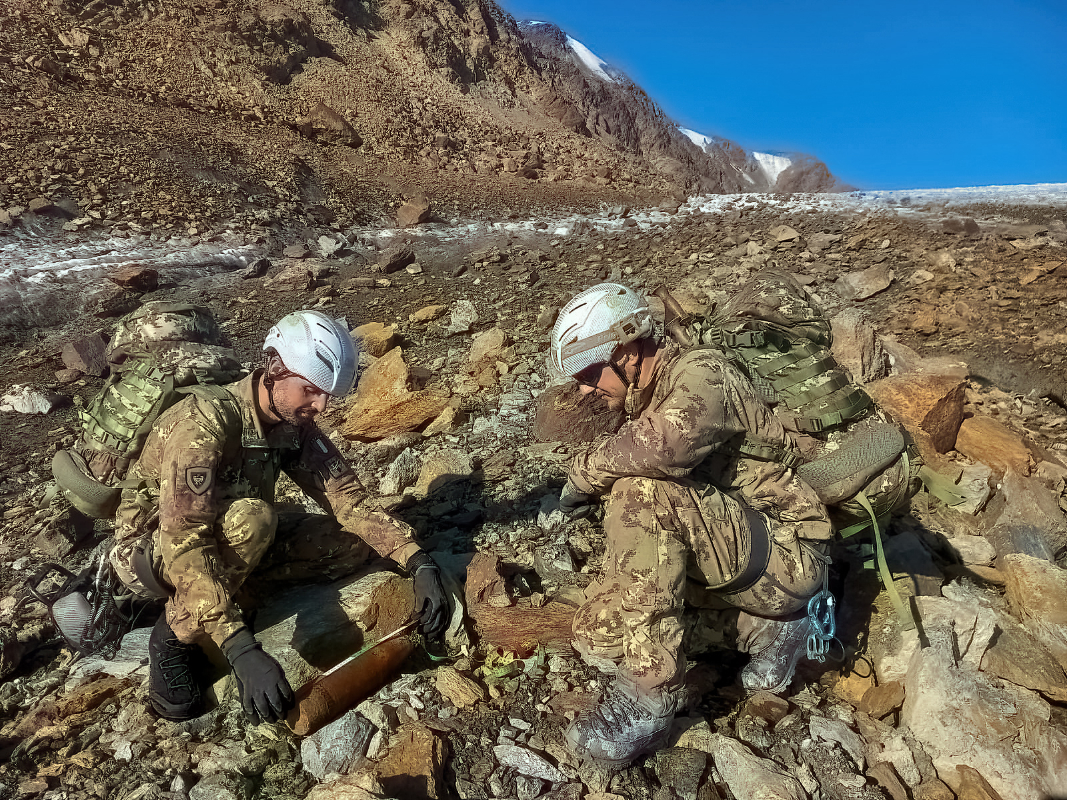
The Julia Alpine brigade has now reported the recovery and neutralisation of 250 devices, among them “18 Italian 75mm artillery shells and 37 Thevetot mortar shells.” They have described the work as “eliminating hidden dangers and making the trails-frequented every year by mountaineers, hikers, and tourists-safer.”
In addition to those efforts, officials are waging a new type of campaign in the region: a public safety information drive to alert visitors and residents to the dangers suspicious objects can present. The public are asked not to touch or attempt to remove items themselves, but to take photographs, if it is safe to do so, and report any finds to appropriate authorities.