

Forget the iconic bucket list destinations that were making travel news after COVID-19. Booking.com’s travel predictions for 2027 suggest holidaymakers are preparing to swap familiar trip formulas for getaways driven by emotion, surprise, and personal priorities. The company’s 11th annual forecast, informed by a survey of 28,230 travellers across 32 countries and territories, identifies nine trends that collectively point towards a more flexible—and sometimes stranger—way of seeing the world.
The headline idea is the “Plot Twist trip”: a break chosen precisely because it seems out of character. Globally, 77% of respondents expressed interest in taking such a holiday, while 36% wanted their choice to surprise friends and family. Food & Wine’s US-focused report indicates an even stronger appetite among American travellers, with 79% interested and 47% keen to generate a reaction. The impulse is not simply novelty for novelty’s sake; it reflects a desire to escape the predictable identities and itineraries reinforced by social media.
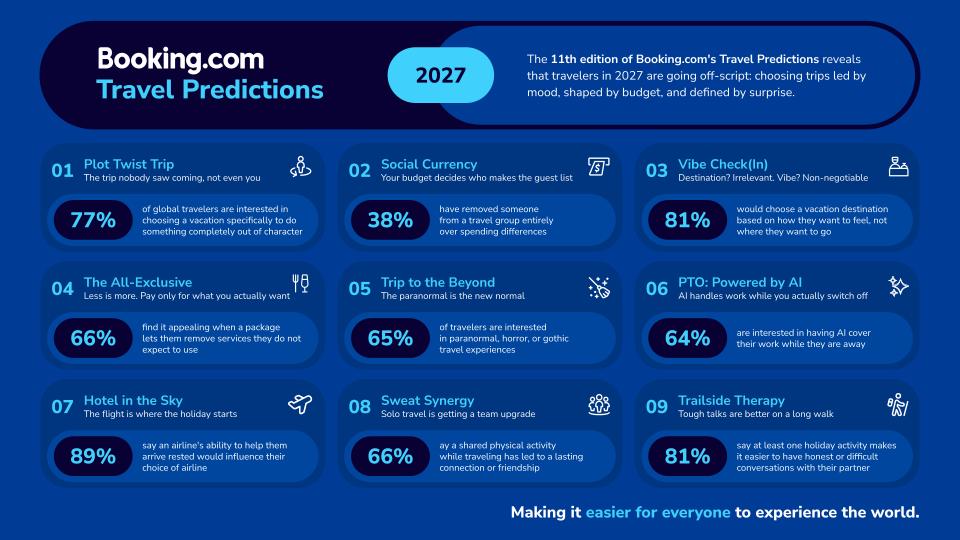
Where travellers go may increasingly depend on how they hope to feel. Booking.com calls this “Vibe Check(in)”: 81% of global respondents would select a destination according to a desired emotional state, and 76% would use a mood-based recommendation tool. That could favour places able to answer a particular need—energy, calm, culture, connection, or adventure—rather than destinations trading mainly on name recognition.
Personalisation also extends to price, packaging, and trip partners. A trend dubbed “Social Currency” sees half of those surveyed reconsidering a travel companion because of different spending habits, and 38% have removed someone from a group altogether. Meanwhile, an “All-exclusive” trend challenges the traditional all-inclusive model: 66% want the option to strip out services they will not use. Diet, sobriety, and changing wellness habits are making a vast buffet or open bar less persuasive than a package built around individual value.
Technology is increasingly shaping not only the booking process but also the escape itself. For nearly two-thirds of global travellers, Booking’s “Powered by AI” trend moves away from merely using AI to suggest itineraries, towards an AI agent handling elements of their work such as basic email monitoring while they are away.
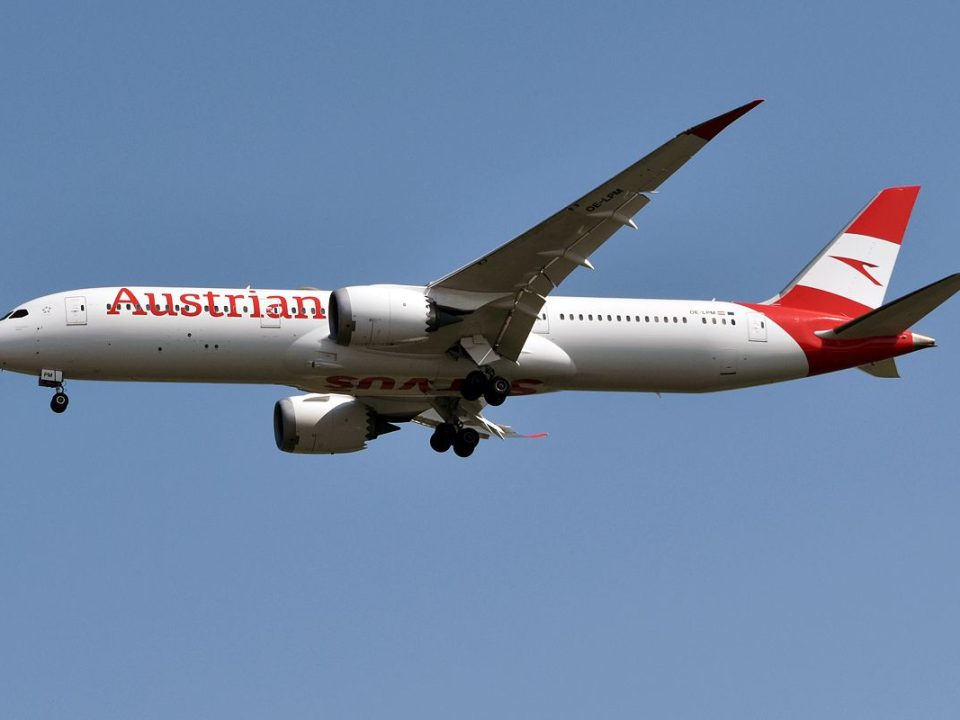
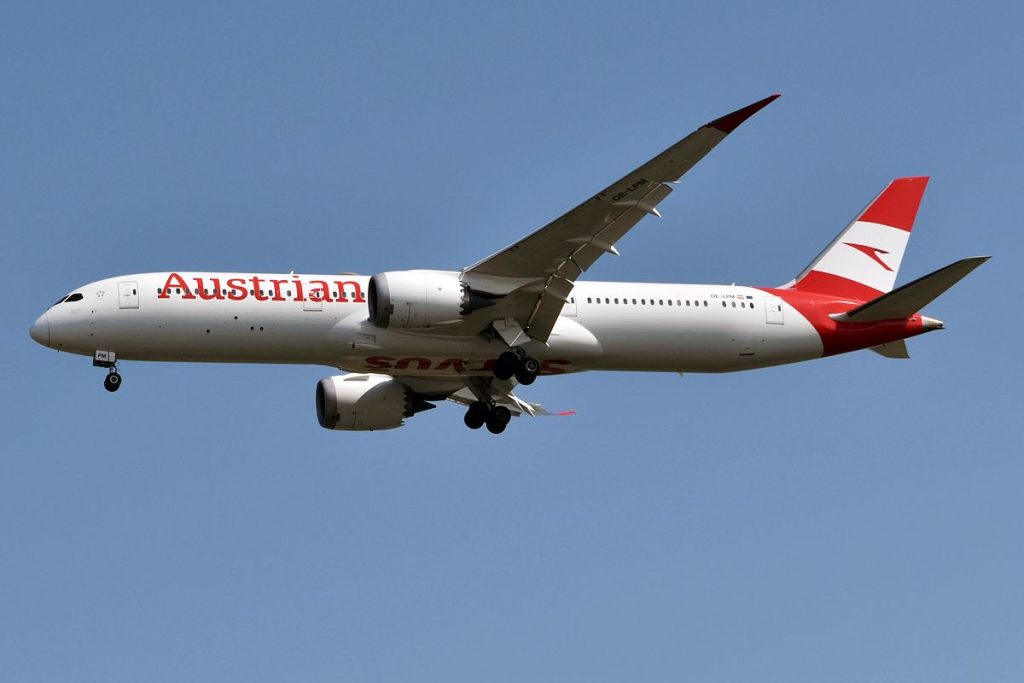
In the air, expectations are rising too. Booking.com’s “Hotel in the Sky” prediction finds 89% would take a long-haul journey if they could be assured of arriving refreshed, creating an opening for sleep-supporting menus, jet-lag-conscious lighting, and quieter cabin areas. As already reported by Travel Tomorrow, airlines are already leaning into this push for premium products.
Some of the forecast sits far outside conventional thoughts about wellness, with 65% of respondents interested in paranormal travel, and 48% who would seek a “Trip to the Beyond” or an experience intended to help them contact someone on the “other side”. Elsewhere, a trend for “Sweat Synergy” turns physical effort into a social catalyst: among respondents who had travelled alone, 66% said a shared challenge created a lasting friendship. Couples, too, may take to “Trailside Therapy,” with walking and hiking identified as useful settings for difficult conversations.
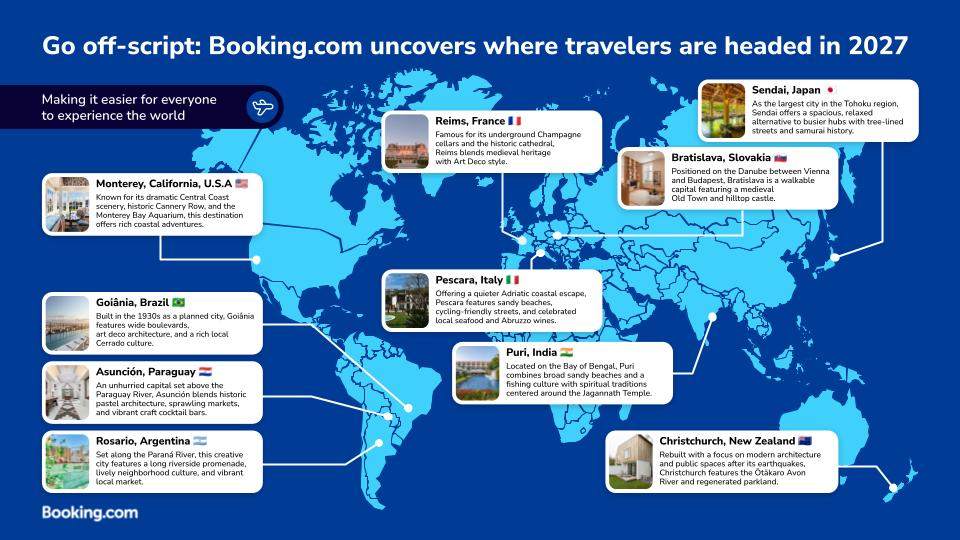
The destination list accompanying the report raises the profile of Reims, Bratislava, and Pescara in Europe, while Sendai, Christchurch, Rosario, and Asunción broaden the field beyond the usual headline global cities. These choices suit travellers looking for discovery without following the most obvious route.
As with any forward-looking consumer survey, Booking’s predictions describe intentions rather than guaranteed behaviour. Yet the themes are coherent: travellers want greater control over what they buy, more freedom to subvert expectations, and better tools for matching a trip to a feeling. In 2027, the ultimate luxury may not be excess, but permission to change the script.