
Ryanair plans to withdraw six aircraft, remove 1.1 million seats and discontinue 20 routes from its winter 2026 schedule in Belgium, linking the reductions to a planned increase in the federal aviation tax.
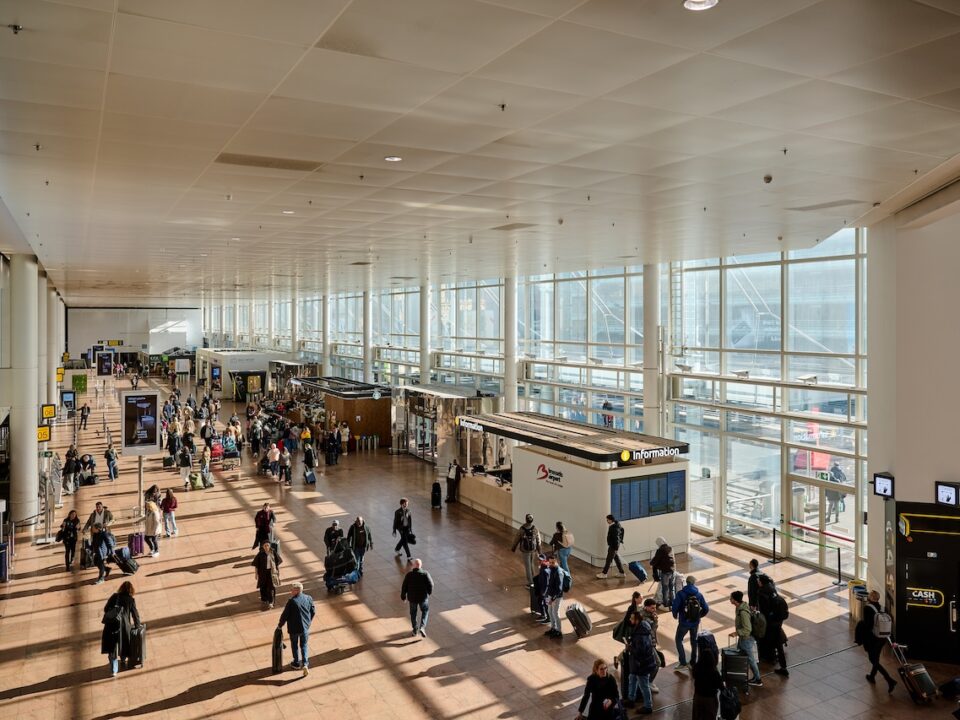
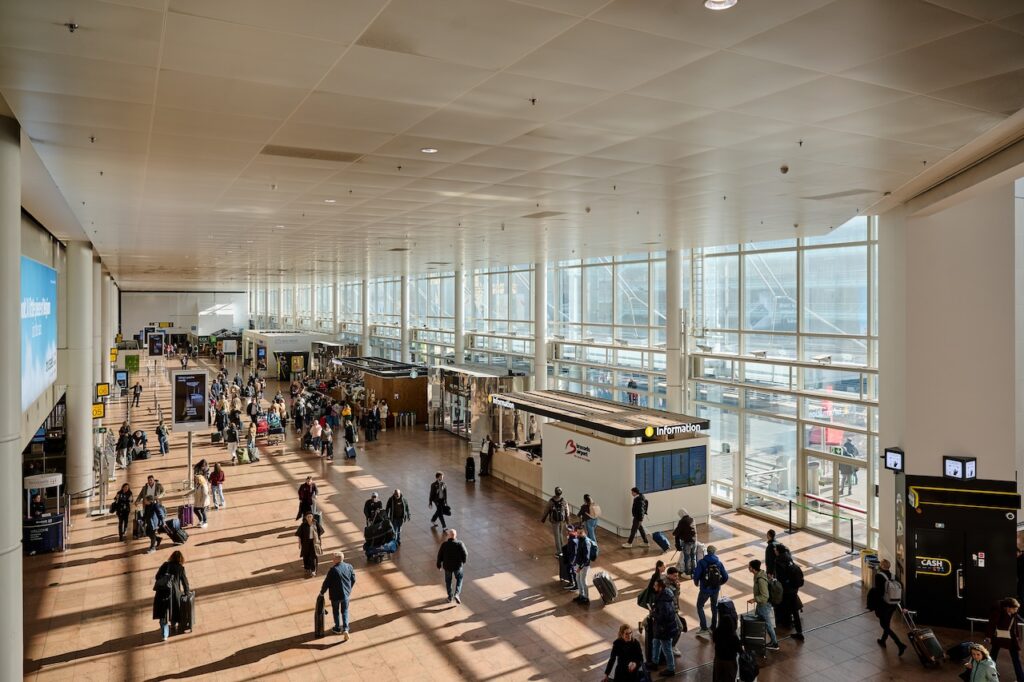
The low-cost Irish carrier said the changes would affect operations at Brussels Airport in Zaventem and Brussels South Charleroi Airport. Capacity will fall by more than one million seats, while Ryanair’s Charleroi base will shrink to 13 aircraft. Belga reported that around 200 jobs would be affected. Brussels Times reports that at Zaventem, Dublin is expected to remain the airline’s only route.
Belgium’s aviation tax is due to change on 1 January 2027. Ryanair described the move as an increase from €2 in January 2025 to €7. Separate reporting indicates that the current charge varies by distance: departing flights of more than 500 kilometres are taxed at €5, rising to €7, while shorter flights are already subject to a €10 levy. The government had previously considered a €10 charge for longer journeys.
Chief executive Michael O’Leary said the tax would redirect aircraft and passenger growth towards lower-cost markets. “Taxing air traffic does not deliver growth; it simply sends it elsewhere,” he said in the airline’s statement. Ryanair cited Sweden, Slovakia, Hungary, and Italy as countries where aviation taxes or airport charges have been reduced or removed.
Routes reported for removal from Zaventem include popular holiday and city break destinations such as Barcelona, Madrid, Málaga, Marrakech, Porto, Rome Fiumicino, and Valencia. The Charleroi reductions cover Amman, Asturias, Dubrovnik, Genoa, Katowice, Łódź, Newcastle, Nîmes, Poznań, Reggio Calabria, Sarajevo, Trapani, and Warsaw Modlin. The published destination lists contain 20 named routes in total, although reports differ on how the cuts are divided between the two airports.
The airline has also warned that it could remove another one million seats in summer 2027 if the tax remains. O’Leary said fares across Europe could rise by as much as 20% over the next year as fuel hedging contracts expire and carriers face higher market prices. That forecast is separate from the Belgian tax dispute and applies to broader cost pressures facing airlines.
Ryanair has presented a seven-year Belgian growth plan under which it says 100 routes and 1,000 jobs could be added if the federal levy is abolished. Those figures are company projections rather than confirmed investment commitments.
The reductions begin with the winter schedule at the end of October, ahead of the tax change. Airlines typically allocate aircraft and finalise schedules months in advance. Aviation economist Wouter Dewulf previously told VRT that Ryanair routinely reduces its Charleroi fleet in winter because demand is weaker and aircraft undergo maintenance, suggesting taxation may not be the only factor shaping capacity.
Neither the Belgian federal government nor airport operators had provided a response to press at the time of writing. Travellers should consult the airline’s published timetable to confirm whether their service is affected. The final schedule may also change as Ryanair adjusts frequencies and aircraft deployment before the winter season begins.