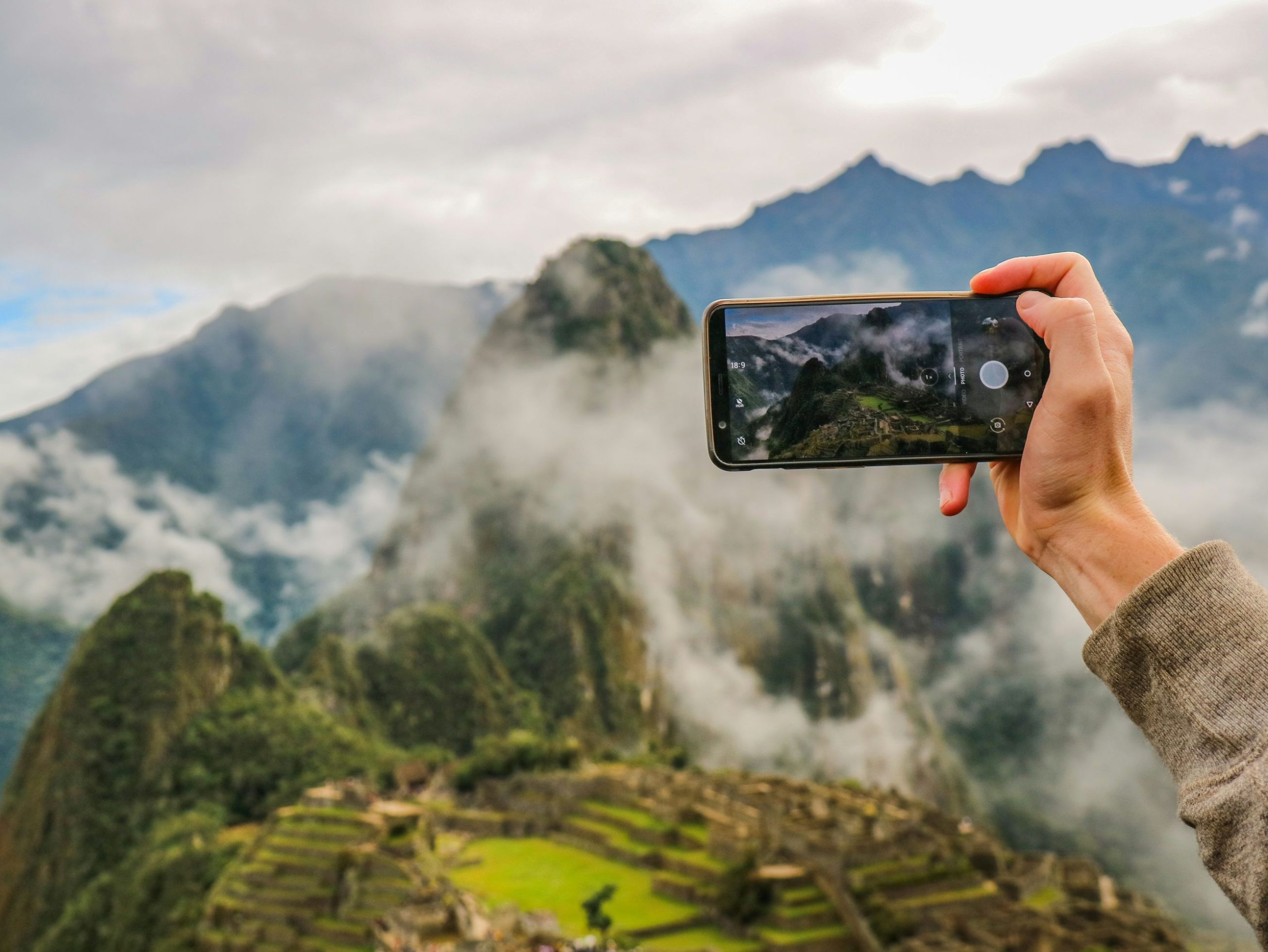


As peak summer travel for the northern hemisphere draws to a close and the season of Halloween breaks, Thanksgiving, and Christmas markets begins, thoughts turn to reviewing the year, its trends, and its biggest travel stories. As in previous years, the influence of online culture on people’s travel habits is once again rearing its head.
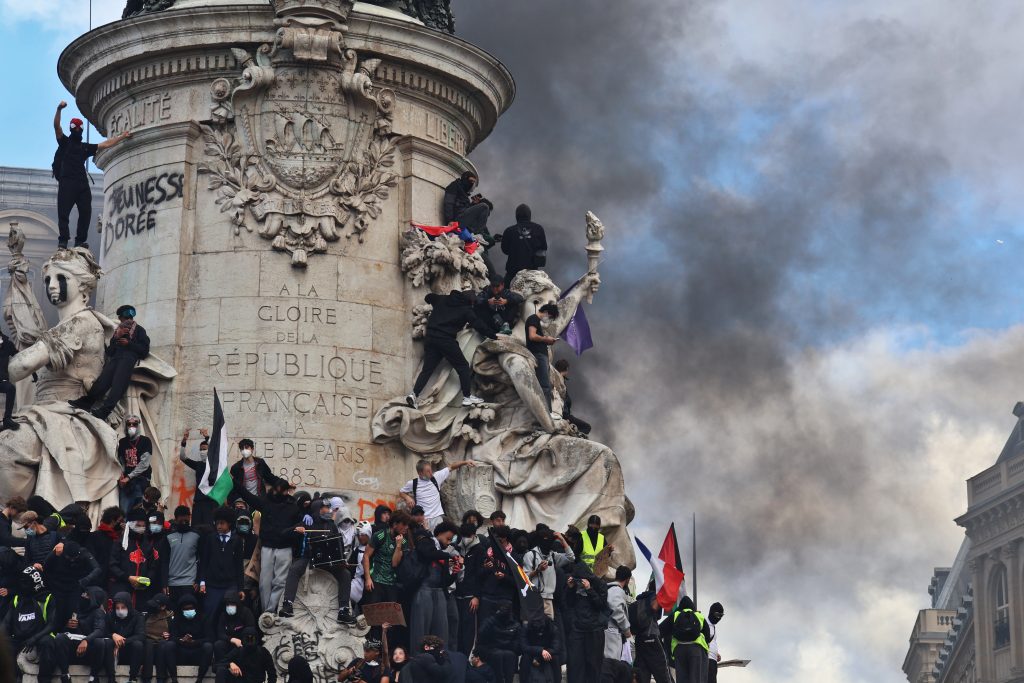
Examples of poor tourist behaviour abound, whether its refusing to put one’s phone camera down and causing a Venice gondola to capsize; vandalising ancient monuments or mountains; taking off one’s clothes at a sacred site; failing to respect local parking restrictions; or climbing on and breaking statues on a night out.
A user shared a video of tourists blocking a KL road to take photos with the Twin Towers, causing outrage online. The clip shows cars dodging the blocked lane while the tourists continue posing. https://t.co/al3p6MMCgk
— Malay Mail (@malaymail) November 29, 2024
Such faux pas are driven, some argue, by new supposed norms seen on social media. Others point out that the ubiquitous availability of information online should make it easier to research a destination and be aware and respectful of etiquette rules there. So, what are the explanations for anti-social tourism, and can we do better?
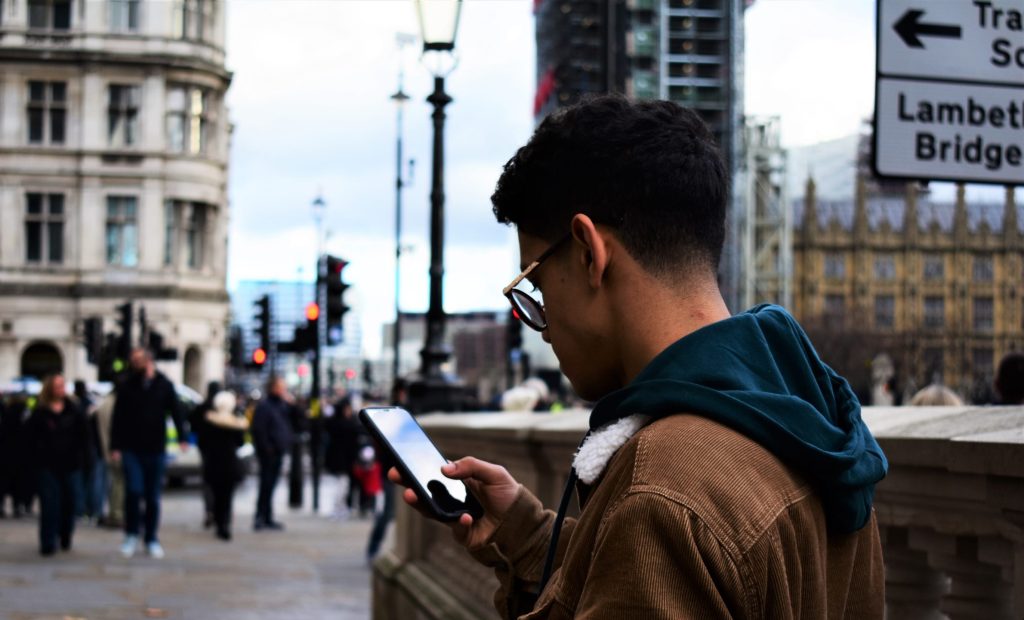
Lauren A. Siegel, a lecturer in tourism at the UK’s University of Greenwich, has conducted research asking whether social media helps or hurts destinations. Writing for CNN Travel, she has asserted that when we see people we are accustomed to seeing in our home contexts transplanted somewhere else, we (perhaps subconsciously) assume that home context behaviours will be okay transplanted into that new place too. In other words, travellers “look to social media for proof of how others behave. If their peers from home are throwing caution to the wind while on vacation, this can cause a domino effect of bad behavior.”
In addition to creating a shared complacency about bad manners, online culture makes the world seem like an ever smaller, ever more familiar place, pushing even those who despise selfies and mainstream events or destinations to venture further and further into previously quiet outposts where locals once could gain respite from visitors, but no longer can.
Japan, The water at a chozuya is not your personal drain for gargling and spitting!! 💢 A chozuya is not a place for tourists to wash off their sweat. It is a sacred place that has been carefully preserved for generations, where worshippers quietly purify themselves before praying. Stop immediately with the outrageous behavior of sticking your face into the water, washing your head, and spitting dirty water back out. Those who desecrate a sacred place that values purity as if it were nothing more than a garbage dump may face the wrath of the gods. Could you behave with the same disrespect at the holy water of a historic temple or cathedral in your own country and act as if nothing were wrong? If we keep letting this slide with the excuse of “I didn’t know,” Japan’s precious sacred spaces will eventually be ruined, and visitors may no longer be allowed anywhere near the chozuya. https://t.co/tq2xR3fYmu
— KUNOICHI 🇯🇵🌸_可愛くノ一 (@hokkori_buzz) September 12, 2026
On top of that, the very urge to post online about one’s travels is part of the problem. Instagram is particularly to blame, Siegel, says, creating a culture where unless we immortalise and show off our trips, we feel like they didn’t exist, as younger generations say: “photo or it didn’t happen.” While some destination managers would be delighted to multiply their hashtags and visibility, the queuing, crowding, jostling, and sometimes dangerous extremes to which people will go to get the perfect shot have caused local consternation from Japan’s Mount Fuji to the English Cotswolds.
Is it any wonder then, that more and more destinations are issuing behavioural guidelines, advising guests how better to fit in, or exacting financial penalties when their rules are not followed? Take Amsterdam, a city so “blessed” with visitors that it could afford to tell certain types to stay away, or Málaga and the Sables d’Olonne, where, like most places in fact, discretion and decency are prized.
Whatever you think about Stalin, Polish tourists behaving like this at a memorial in Georgia is simply disrespectful, especially when a local is calmly asking them to stop. https://t.co/rmuppPeZqC
— Irakli Dekanosidze🇬🇪 (@ishowdeka) October 18, 2026
Other destinations are using carrots rather than sticks to try to encourage the sort of tourism they would like to see. Copenhagen’s CopenPay scheme offers rewards to tourists who can prove they have participated in sustainable or green activities. It’s proved to be such a success that the idea has spread. Fiji has introduced “Loloma Hour” asking guests to give something back to conservation projects and communities, and Switzerland has launched “Swisstainable,” providing discounted rates on eco accommodation and transport.
What can we learn from all this about how to behave when we are away from home? Taking a cue from a range of rule lists, guidelines, and incentive schemes around the world, we can safely say visitors will likely be welcomed if they:
- Research and respect local cultures.
- If unsure how to behave or where to go, ask—preferably a local human being rather than the internet which might give dangerous misinformation. Hotel concierges, visitor information centres, tour operators all know the area—this is their bread and butter.
- Cover up with clothes in sacred places and in public, where that is the norm.
- Do not climb on infrastructure or monuments.
- Leave no trace – whether its graffiti or litter. No one wants to see it.
- Use public transport, avoiding rush hours when locals are trying to get to work.
- Buy authentic, locally-made souvenirs .
- Find out how you can contribute to local projects (without taking over!)
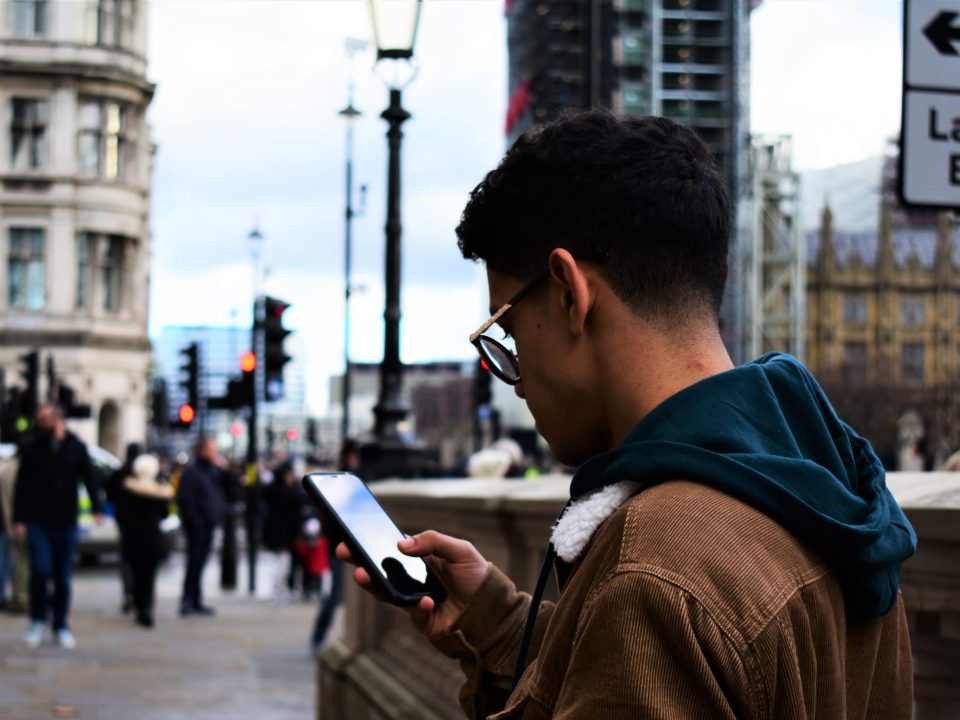
- Put the phone and selfie stick down and properly experience the destination through your own senses.
- Smile at people, not into a screen.
These simple actions can make a significant difference, helping visitors enjoy their travels while respecting the communities and environments they encounter.