


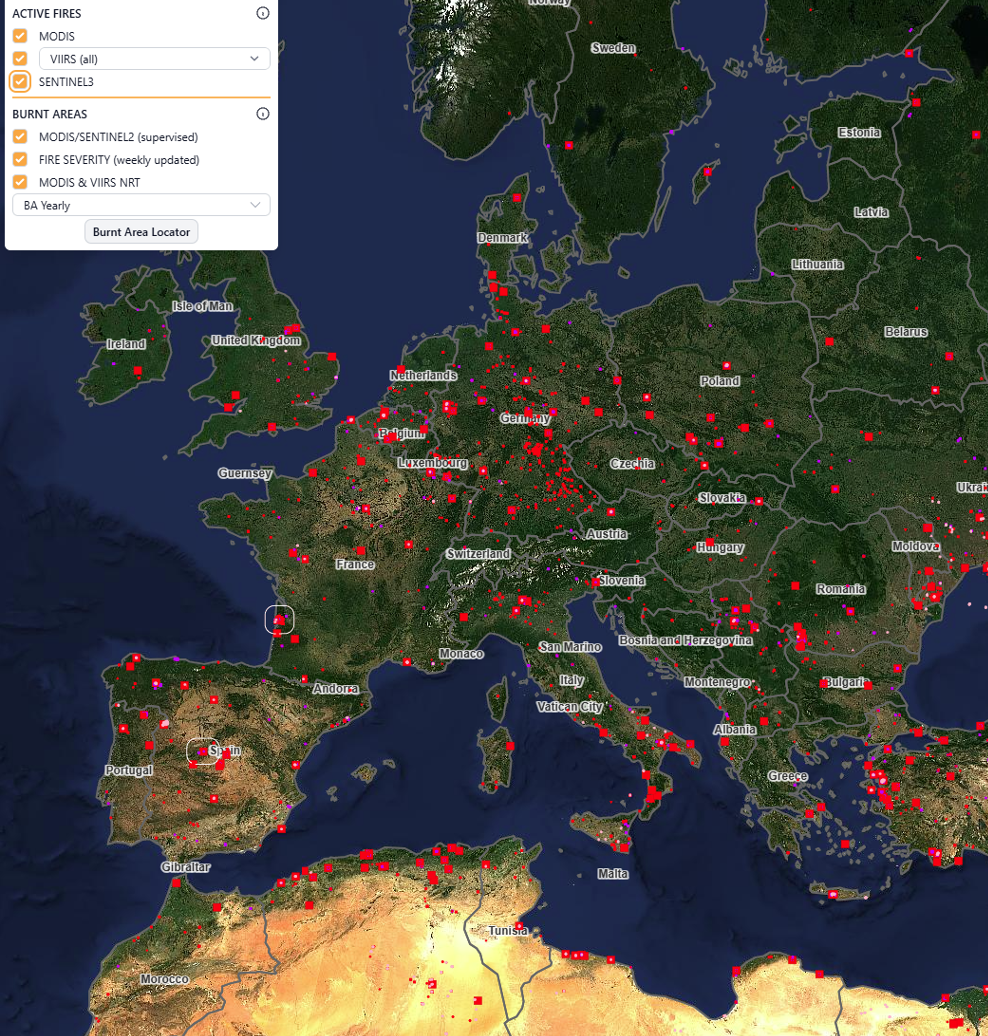
The adage, “Never put off till tomorrow what may be done the day after tomorrow just as well”, is generally attributed to either Mark Twain or Oscar Wilde. I was reminded of it this week as I watched the wildfires spreading across Europe on the news, day after day, approaching Madrid while the French government contemplated evacuating Bordeaux amid its biggest wildfire crisis since the Second World War. Closer to home, I live in Kent in the UK, where the privatised water company is failing to deliver water to customers, half of England is officially in drought, and farmers are warning of a very poor harvest.
The existence of the greenhouse effect, although not yet known by that name, was first proposed as early as 1824 by Joseph Fourier. In 1856, Eunice Newton Foote demonstrated that the warming effect of the sun is greater in air containing water vapour than in dry air, and even greater in air with higher concentrations of carbon dioxide. We have therefore understood the basic science behind the greenhouse effect for around 170 years.
The oil and gas industries have worked hard to deny the human contribution to global warming. Published in 2010, Merchants of Doubt, by historians of science Naomi Oreskes and Erik M. Conway, documented how lobbyists deliberately generated doubt about the scientific evidence behind acid rain, the ozone hole, the dangers of tobacco, climate change denial, and the attacks on Rachel Carson. Those same tactics continue today, with lobbyists undermining science on behalf of those who benefit from business as usual.
As you read this, you may be thinking, “Tell me something new.”
That is precisely the point. Climate change, drought, wildfires, storm-driven flooding and sea-level rise have become the new normal. It is so much easier to “…put off till tomorrow what may be done the day after tomorrow just as well”, to blame others and deny responsibility.
The global tourism industry both contributes to and suffers from climate change through its greenhouse gas emissions.
According to research published in Nature Communications:
“Global tourism emissions grew by 3.5% per year between 2009 and 2019, double the growth rate of the worldwide economy, reaching 5.2 Gt CO₂-e, or 8.8% of total global greenhouse gas emissions in 2019. The primary drivers of emissions growth are slow technology efficiency gains (0.3% per year), combined with sustained high growth in tourism demand (3.8% per year in constant 2009 prices).”
Fear of wildfires, destroyed or empty accommodation, damaged destination brands, severe economic losses, and scarred landscapes are all consequences of this growing crisis. Yet there has been surprisingly little research into the economic impact of wildfires on the tourism industry.
Luís Catela Nunes, Professor of Applied Econometrics at Nova School of Business and Economics, analysed data from 278 Portuguese municipalities covering the period from 2000 to 2016. He concluded:
“The estimated annual costs to the Portuguese economy due to the impact of burned areas in 2030 range between €17.03 million and €24.18 million for domestic tourist arrivals, and between €18.26 million and €38.08 million for inbound tourism. By 2050, those costs will increase at least fourfold.”
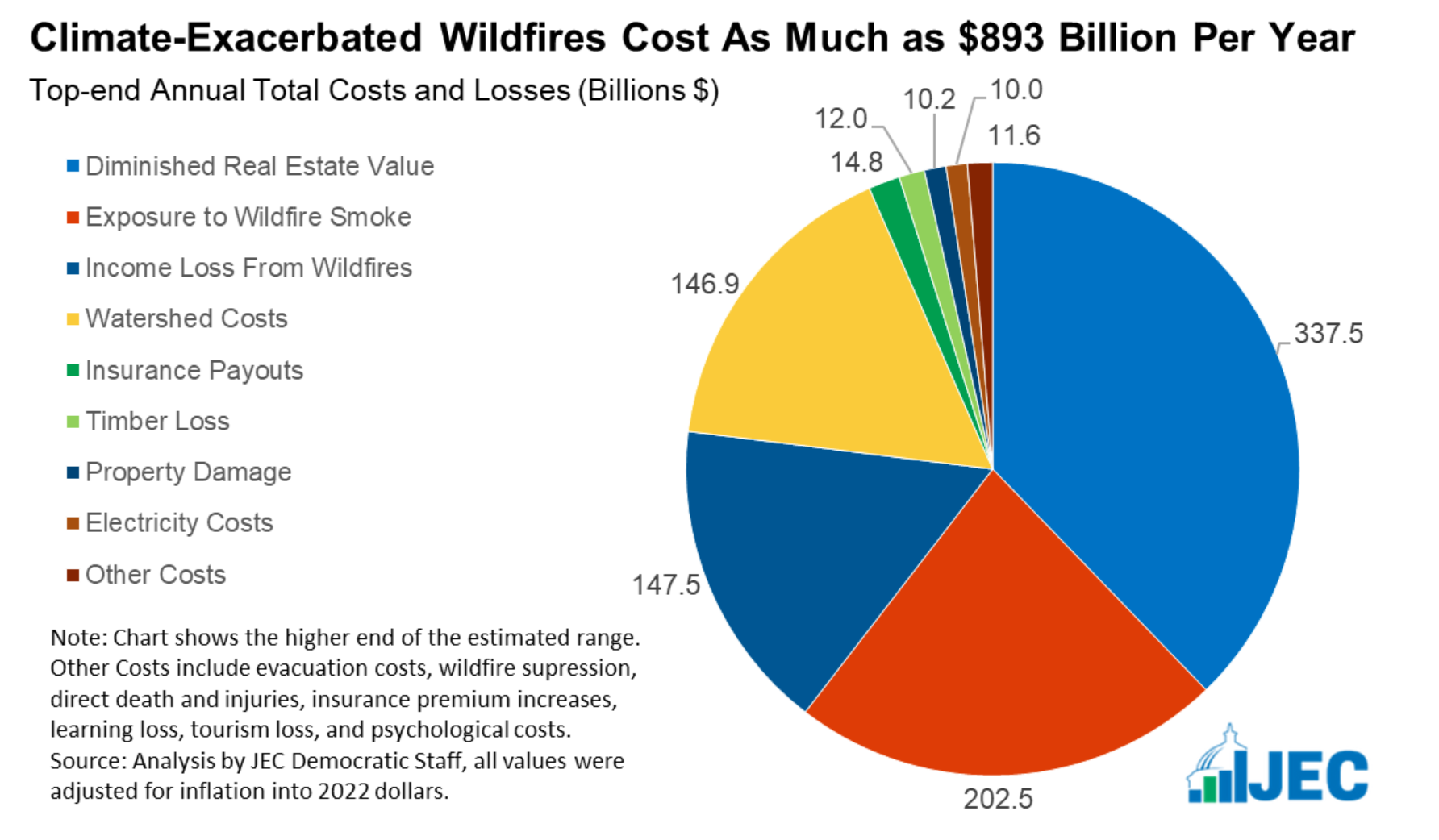
Back in 2023, the US Congress Joint Economic Committee reported that:
“…wildfires in the United States cause between $394 billion and $893 billion in damages annually, equivalent to between 2% and 4% of US GDP.”
Wildfires impose substantial costs on both the supply and demand sides of tourism. More research is needed, but above all, the tourism industry must play a far greater role in addressing the human-induced climate change to which it contributes.