

Poland has launched a new environmental protection scheme that will eventually see 11 “community forests” established around the country’s major cities. The plan aims to create recreational spaces where residents can enjoy the outdoors, as well as reduce logging activity. The first forest, located around the city of Wroclaw in southwest Poland, was inaugurated at a ceremony on 26 July.
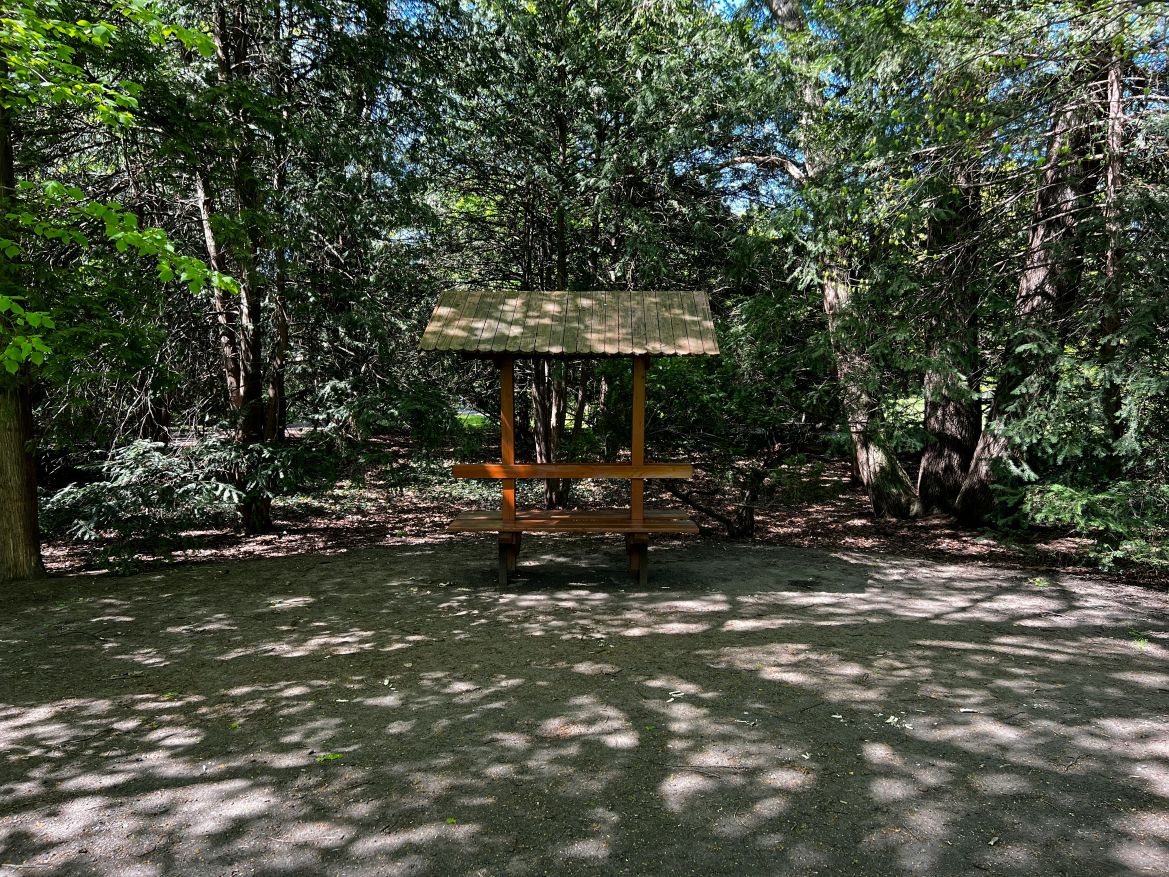
Covering 13,000 hectares, the forest will have three different areas, comprising “natural forests”, where natural processes are left to occur; “near-natural forests” where forestry practices will be minimised; and the largest 8,000-hectare space, dedicated to “social forests”, designed to promote exercise, leisure, and wellbeing opportunities, including cycling and hiking trails.
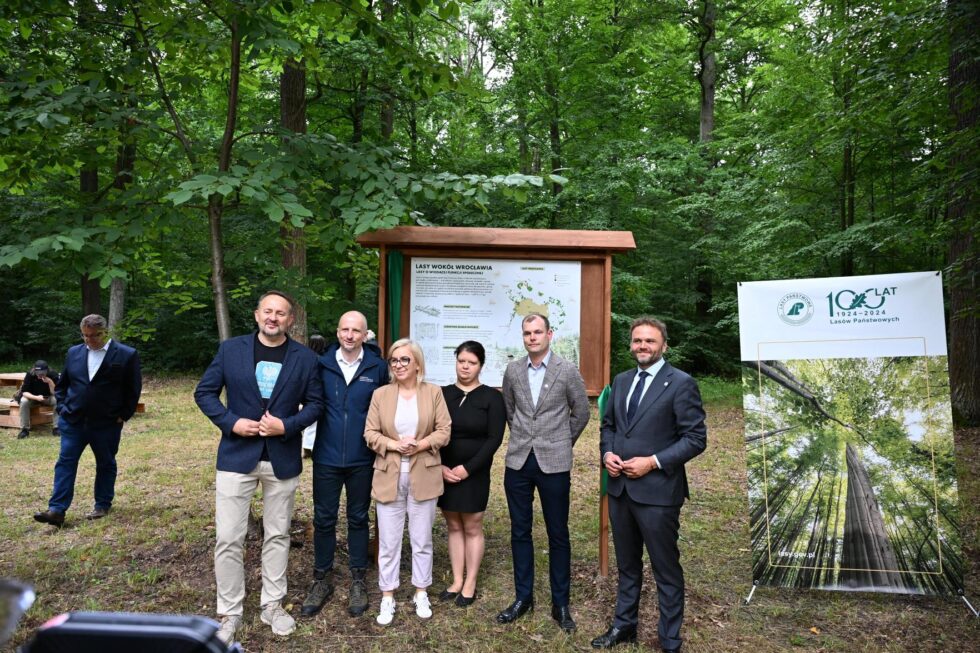
Describing the forest’s creation as an “historic moment and the beginning of a new approach to forest protection,” climate and environment minister Paulina Hennig-Kloska said the scheme had been conceived “with residents in mind first and foremost.”
Cities represent just two percent of the Earth’s surface but are responsible for 70% of carbon emissions. With the United Nations predicting two-thirds of humans will reside in cities by 2050, experts say “rewilding” will enhance the air that we breathe, boost our mental health, as well as biodiversity, and limit the impacts of climate change.
Hennig-Kloska also highlighted the many benefits of woodland areas, adding: “Community forests are places where residents can relax, play sports and simply spend time close to nature,” she added. “At the same time, they are crucial to our security and quality of life: they retain water, regulate the climate, purify the air and protect the soil.”
The ten other sites where community forests are undergoing planning permissions are near the cities of: Bielsko-Biała, also known as Podbeskidzie and Little Vienna for its architectural gems; the northern Tricity area, comprising Gdańsk, Gdynia, and Sopot, on the shore of Gdańsk Bay; the former southern industrial powerhouse, Katowice; as well as Kielce, Kraków, Łódź, Poznań, Szczecin, Toruń-Bydgoszcz and Warsaw. Kielce and Bielsko-Biała are reported by the Polish Press Agency to be the first in the pipeline after Wroclaw.
The environmental work is part of moves by Poland’s current government to unpick many of the previous Law & Justice regime’s moves, seen as authoritarian and right-wing, and criticised by the European Union as against the rule of law. The country had fallen foul of EU habitat protection laws by permitting commercial logging, including in the ancient UNESCO World Heritage site of Białowieża Forest, where the former government had allowed logging activity to triple—an issue that led to national and international controversy.