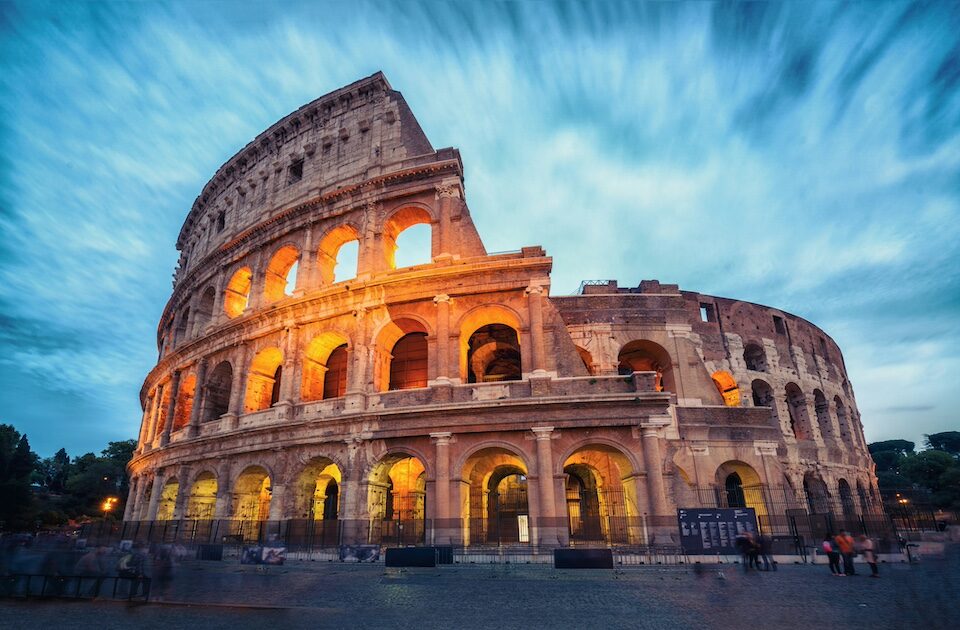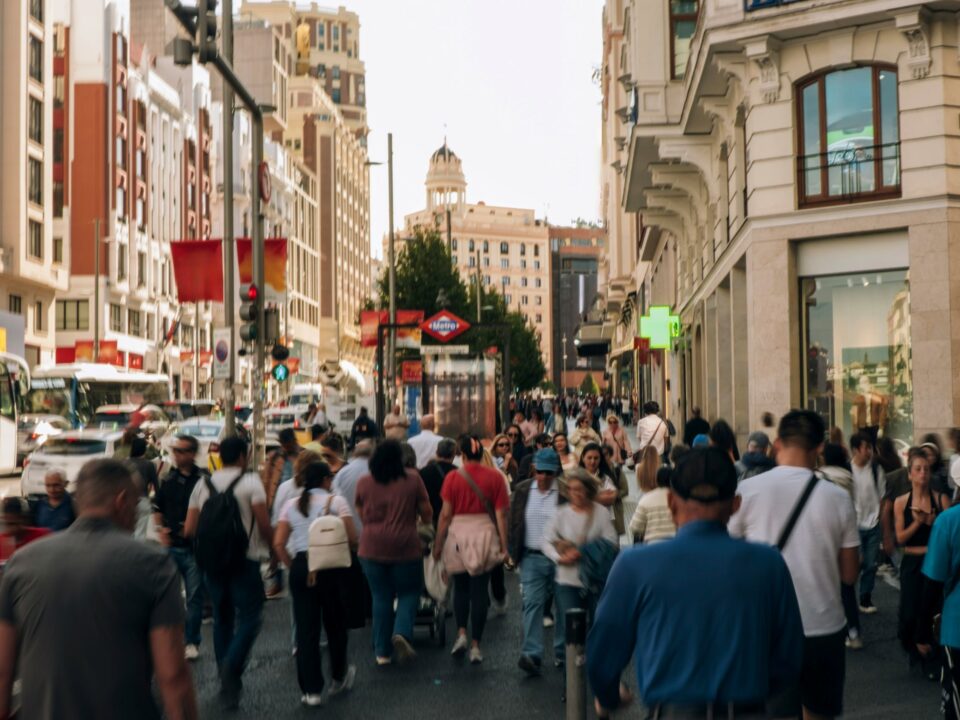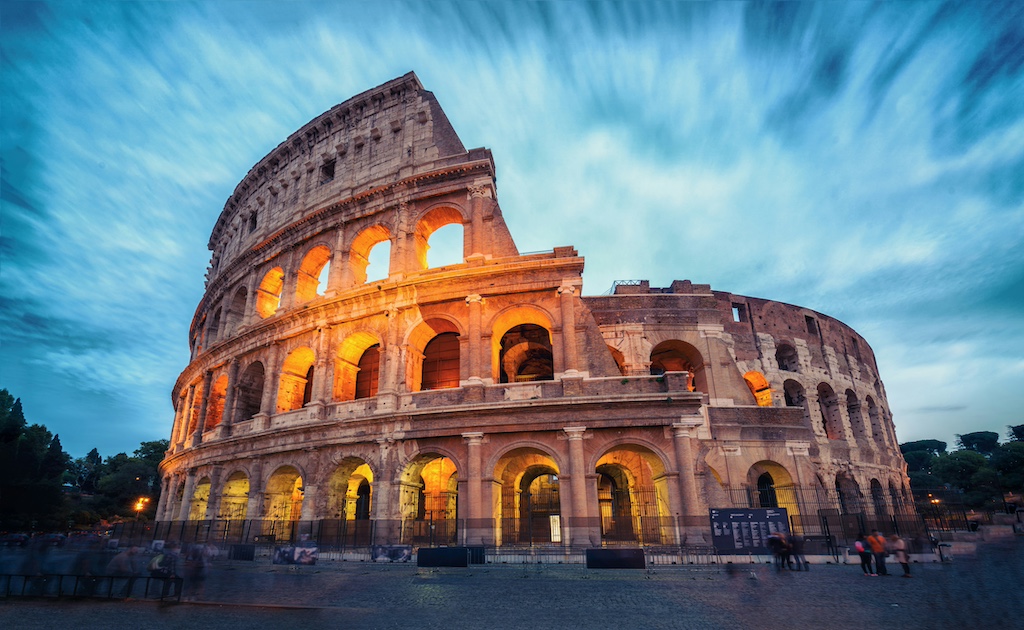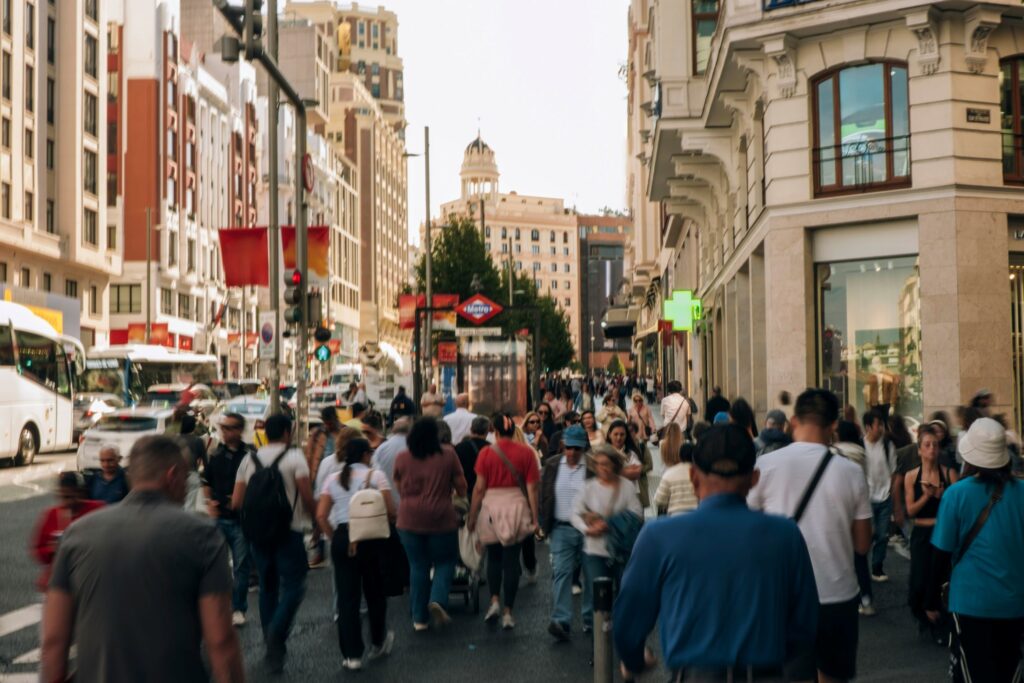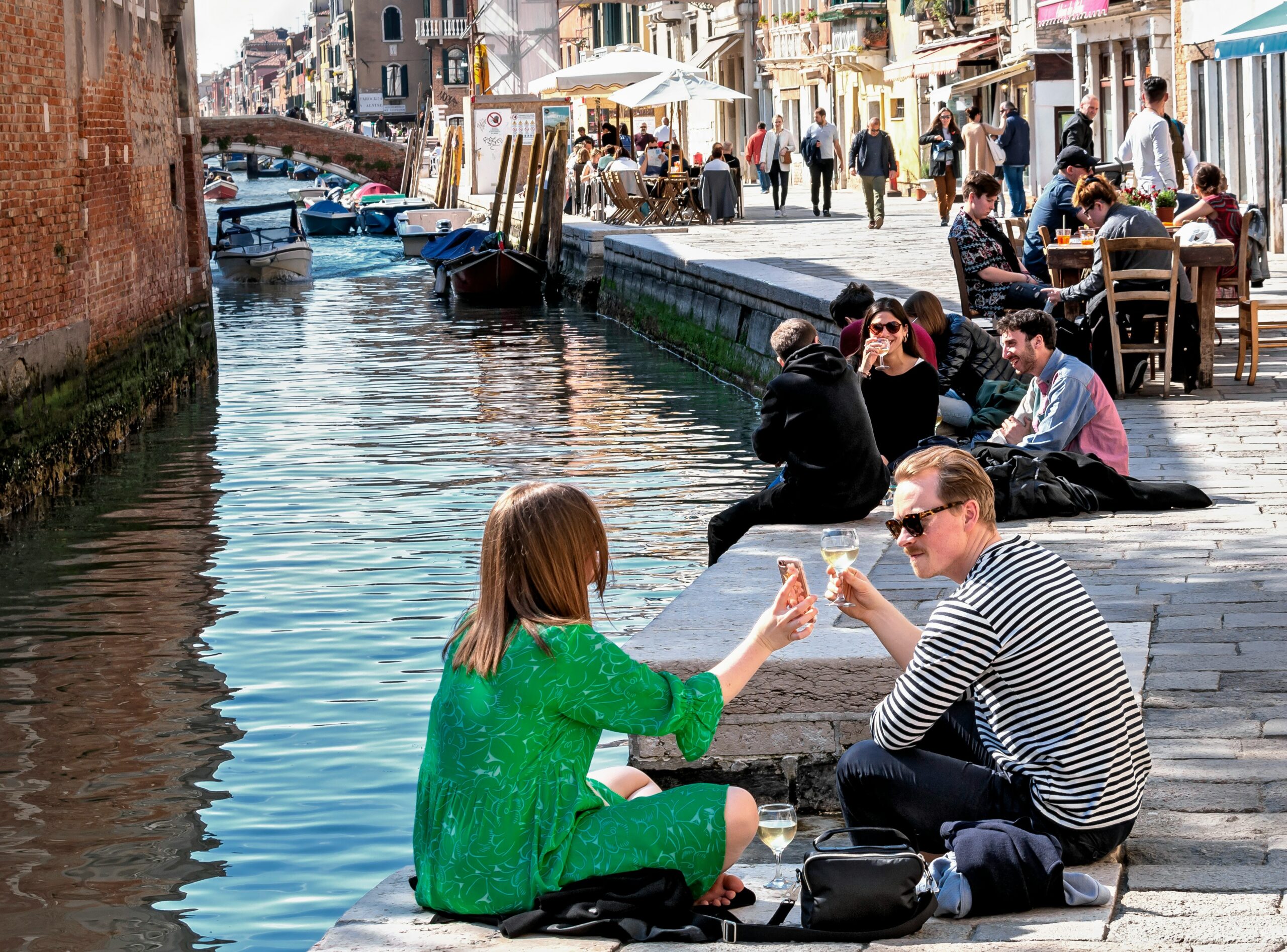



Italy is expecting another record-breaking summer for tourism, with government data suggesting it will outperform its main European competitors thanks to strong international demand, high accommodation occupancy rates and growing air connectivity.
According to Italy’s Ministry of Tourism, the country is forecast to record an online travel agency (OTA) accommodation occupancy rate of 51.2% during the summer season, ahead of Spain (42.8%) and France (32.9%). At the same time, Italy’s average nightly room rate is expected to remain at €153, below Spain (€170) and Greece (€195), positioning the country as both a highly sought-after and comparatively affordable destination.
The figures, compiled by the Ministry of Tourism’s Statistics Office, are based on OTA booking data and form part of a broader assessment indicating another strong year for Italy’s visitor economy.
International tourism continues to drive growth
Official figures from the Interior Ministry’s Alloggiati Web platform, combined with data from the Ministry of Tourism and the Italian National Institute of Statistics (Istat), show that tourist arrivals increased by 4.43% during the first half of 2026 compared with the same period in 2025.
International tourism has been the main engine of growth, with foreign arrivals rising by 6.45%, while domestic arrivals increased by 1.97%.
Calabria recorded the strongest overall growth in tourist arrivals, up 10.54%, followed by Umbria (+9.70%), Piedmont (+9.22%), Sardinia (+8.24%) and Puglia (+7.43%).
Foreign visitor numbers grew particularly strongly in Calabria (+23.19%), Puglia (+14.63%), Abruzzo (+14.04%), Molise (+13.14%), Basilicata (+11.55%), Sardinia (+11.44%) and Piedmont (+10.38%).
Meanwhile, non-hotel accommodation continued to outperform traditional hotels, with arrivals increasing by 7.46%, compared with a 2.27% rise for hotel establishments.
Strong summer outlook
The ministry’s data also points to a particularly busy peak season.
National OTA occupancy for June and July is projected to increase by 13.4% and 10% respectively compared with the same months in 2025.
While seaside holidays remain popular, lake destinations are expected to achieve the country’s highest occupancy rate at 54%, followed by spa resorts and coastal destinations, both at 51%. According to the ministry, demand in these areas is growing at almost twice the national average.
Among Italy’s regions, Veneto is forecast to record the highest occupancy rate (57.5%), followed by Emilia-Romagna (56.7%), the autonomous province of Trento (55.7%), the autonomous province of Bolzano (54.9%), Friuli Venezia Giulia (53.7%), Sicily (53.3%) and Tuscany (52.5%), all above the national average.
The ministry also highlighted growing international interest in travelling to Italy. Flight searches are up 26% compared with last year, led by Poland (+76%), Germany (+66%) and Spain (+48%). Airline capacity on direct scheduled flights has also increased by 14%, exceeding the growth recorded for Spain (+8%), Greece (+7%) and France (+2%).
Demand for the Ferragosto holiday period is also rising, with searches for flights between 14 and 16 August up 17% compared with the same holiday period in 2025.
Tourism remains a strategic sector
Italian Tourism Minister Gianmarco Mazzi said the figures demonstrate Italy’s continued appeal among international travellers.
“The summer of 2026 confirms itself as a success for tourism in Italy, with an OTA occupancy rate of 51.2%, higher than competitors such as Spain and France,” he said.
“The 26% increase in flight searches compared with last year, together with greater airline capacity, demonstrates strong international interest in our country. Italy maintains its position as the preferred destination for visitors from around the world. This result is the fruit of constant teamwork between the government, businesses and tourism operators. We are proud of it and look to the future with optimism.”
Mazzi also described tourism as a pillar of the national economy, saying the government would continue investing in the sector despite global economic challenges.
Italian Prime Minister Giorgia Meloni likewise welcomed the figures, saying they recognise “the beauty of our country, the quality of our offer and the hard work of the entire tourism sector.”
She thanked tourism entrepreneurs, workers and professionals for helping make Italy “an increasingly attractive and competitive destination”, adding that the government would continue supporting what it considers a strategic sector for the country’s economic growth.