

Angola is positioning meetings, incentives, conferences, and exhibitions (MICE) as a strategic pillar of tourism growth, with the country seeking to turn business events into a driver of investment, visibility, and destination competitiveness.
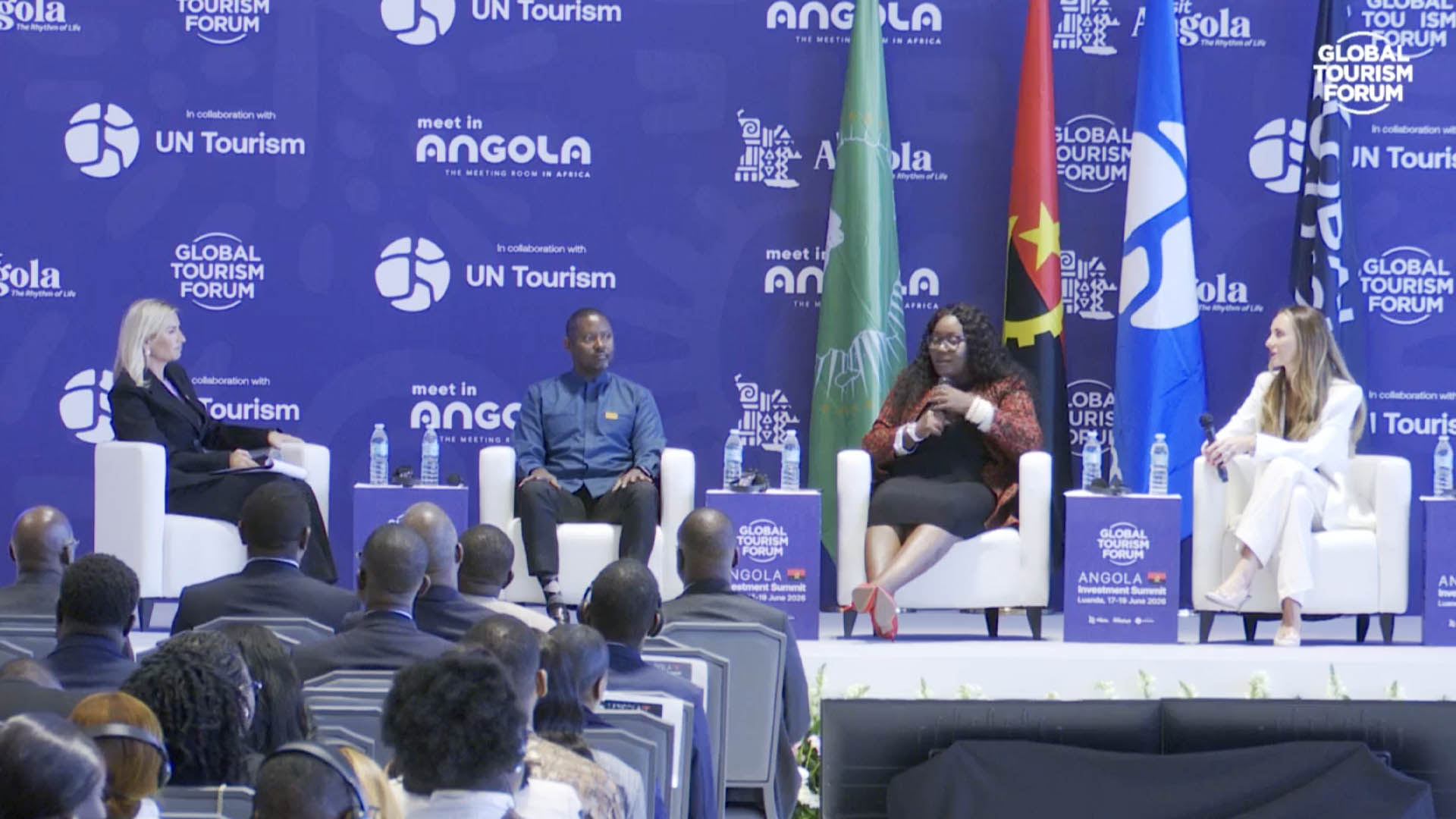
The message has emerged during the Global Tourism Forum Angola Investment Summit in Luanda, where industry leaders argued that MICE should no longer be viewed as a secondary hospitality segment, but a platform for economic development. Speakers said business events can bring decision-makers into the country, stimulate visitor spending, support trade links, and help reshape international perceptions of Angola as a travel and investment destination.
The panel, titled “MICE as a Growth Engine: Events, Business Tourism and Destination Competitiveness,” brought together Frank Murangwa, ICCA Director Africa; Mulemwa Moongwa of the Africa MICE Summit; and Julia Kleber, CEO of Kleber Group. Their discussion centred on how Angola can build a stronger position in the global meetings economy at a time when African destinations are seeking a larger share of international association and corporate events.
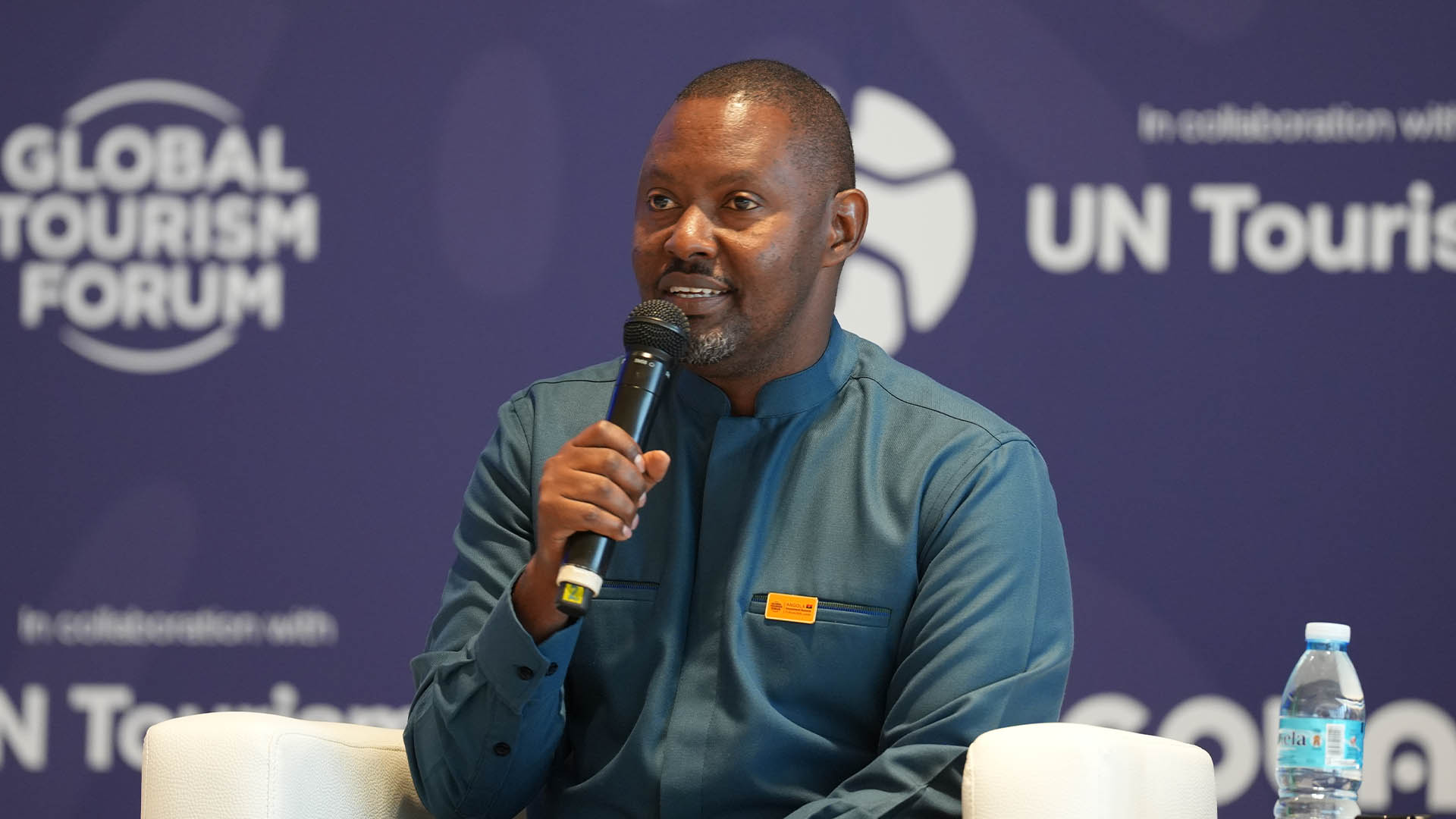
Murangwa said Africa accounted for only around four percent of the global meetings market in 2025, underlining both the scale of the challenge and the opportunity. For Angola, he said, competitiveness will depend on more than venues. Air access, visa facilitation, trained professionals, convention bureau capacity, and a sustained international bidding strategy will all be critical if the country is to compete for high-value conferences and exhibitions.
Angola has already taken a significant step with the launch of the Meet in Angola Convention Bureau, which is intended to give the destination a dedicated structure for promotion, bidding, training, and industry coordination. Kleber described the bureau as an important milestone for a country that has historically been better known for oil, gas, and diamonds than for organised business tourism.
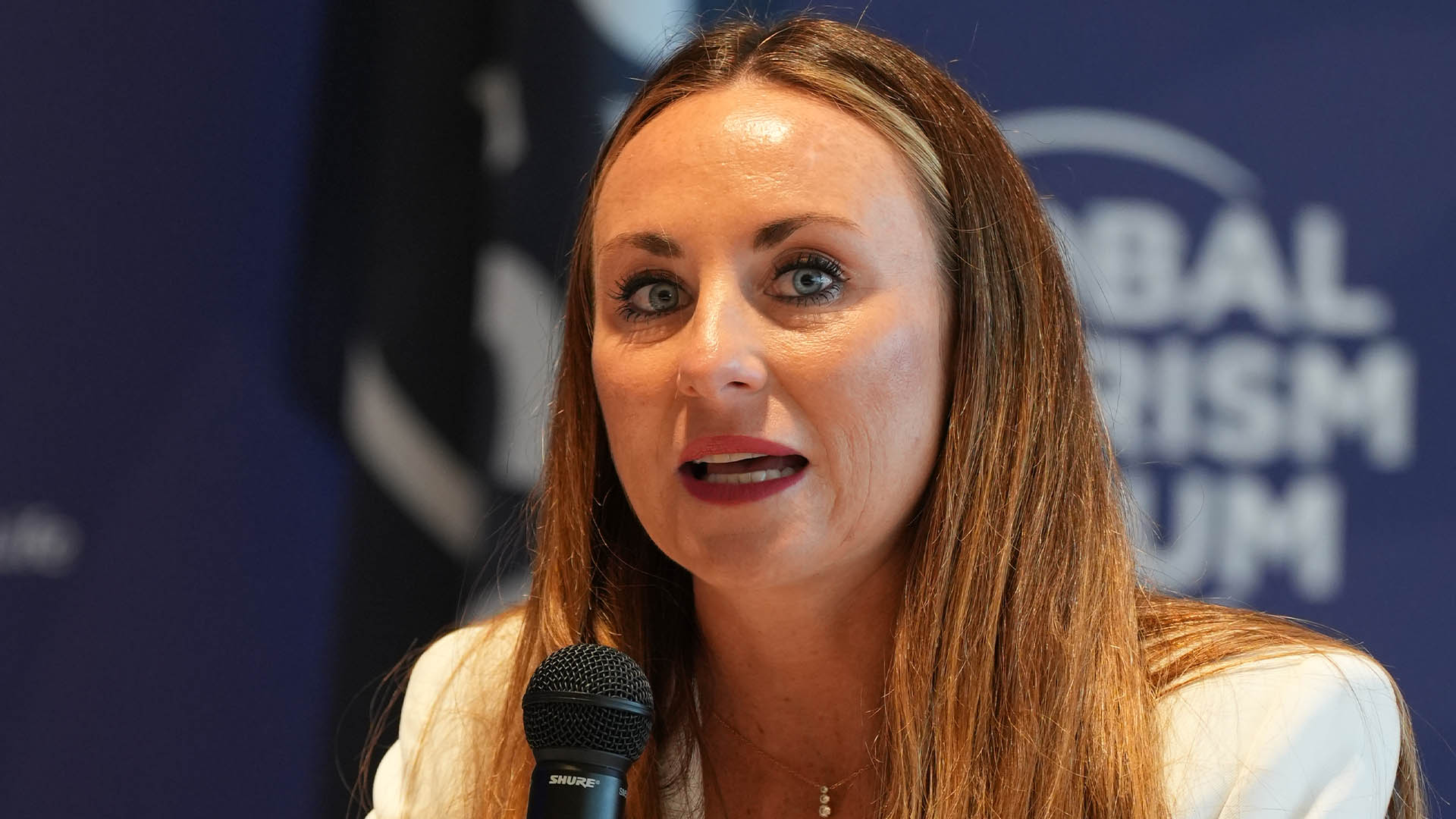
Speakers pointed to Rwanda as evidence that African destinations can build international MICE profiles when strategy, leadership and operational discipline are aligned. This echoed comments made during another panel (“Beyond Resorts: Developing Integrated Tourism Destinations”), where Professor Martin Barth, of Swiss hospitality institute SHL pointed to the risk of a spattergun approach that attempts to grow too many segments such as MICE, family tourism, or premium all at the same time with no clear focus. Kigali’s rise as a business events hub was cited as a model for how conferences can generate benefits beyond delegate arrivals, including investment leads, networking, and improved destination branding.
Moongwa said the COVID-19 pandemic had made the value of meetings more visible, after the sudden halt in events exposed their role in supporting hotels, venues, transport providers, suppliers, and jobs. She added that destinations now need to compete not only on infrastructure but on experience design, risk management, and the ability to connect business delegates with culture, gastronomy, nature, and local communities.
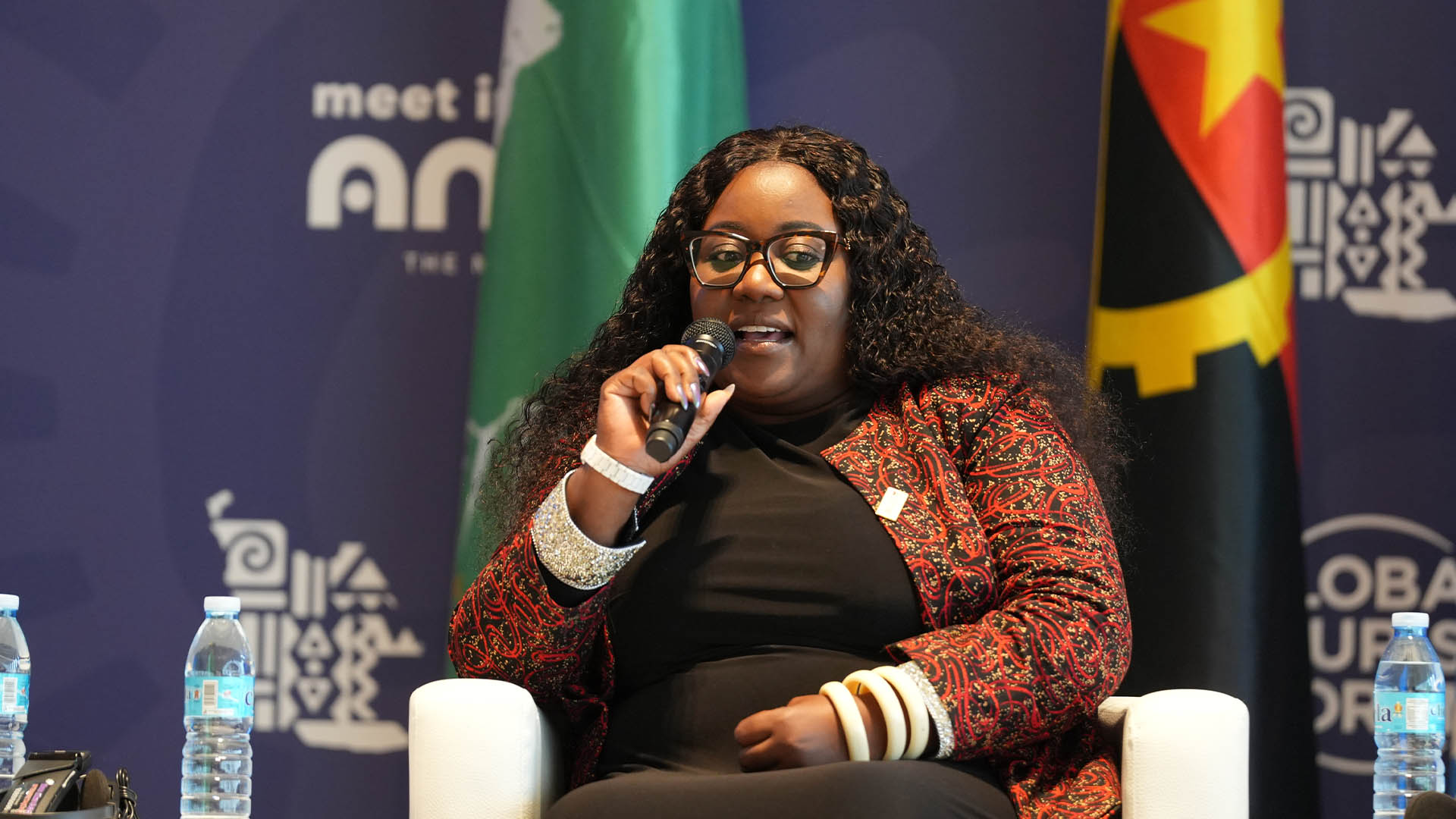
For Angola, that could mean using Luanda as a gateway for events that combine formal meetings with curated travel experiences, while also developing local destination management companies, event professionals and supply chains. The panel stressed that human capital will be as important as physical infrastructure because global planners expect reliable delivery, crisis planning, professional logistics, and consistent service standards.
The discussion also highlighted the potential of intra-African meetings. Rather than treating regional destinations only as competitors, speakers argued that countries could generate stronger demand by moving conferences across the continent, building event circuits, and giving airlines clearer evidence of passenger demand for new routes and higher frequencies.
If Angola can translate current momentum into bids, training, partnerships, and repeatable delivery, MICE could become one of the country’s most effective tools for tourism diversification. The opportunity is not simply to host meetings, but to use them to attract investors, extend visitor stays, strengthen regional connectivity, and position Angola more confidently on the international travel map.