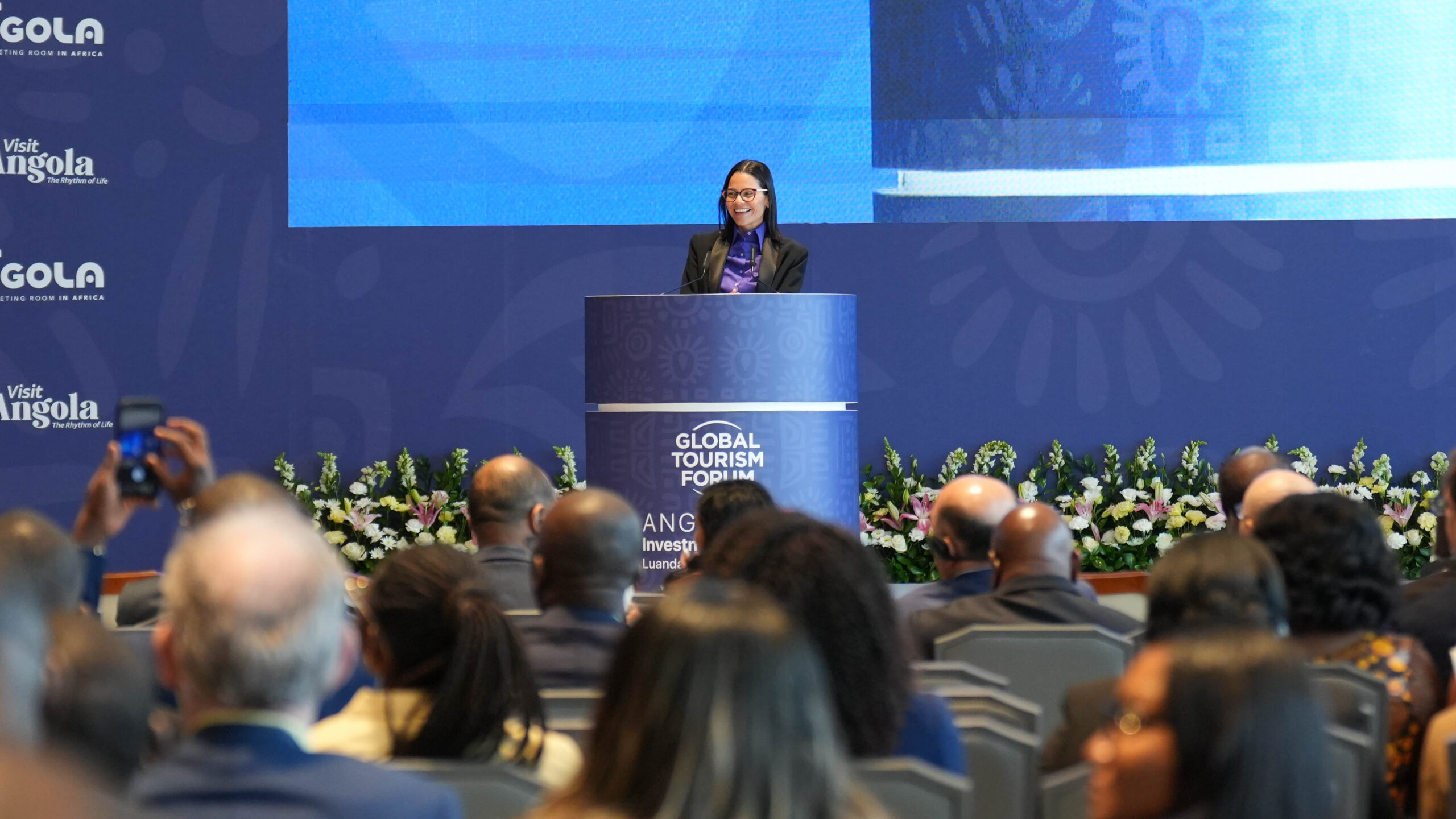

During the Global Tourism Forum Angola Investment Summit in Luanda, UN Tourism has officially presented the ‘Tourism Doing Business: Investing in Angola’ investment guidelines. The document is meant to serve as an investment roadmap in one of the fastest-growing African destinations.
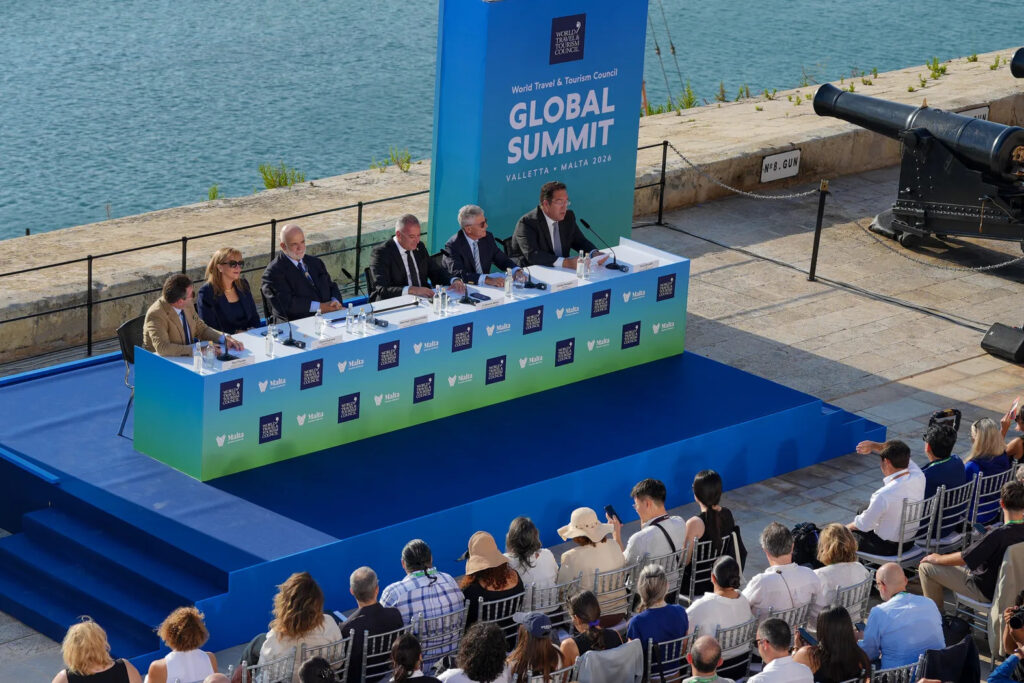
From 17 to 19 June 2026, some 1,000 tourism leaders, investors, ministers, and heads of state gathered in Luanda for the Global Tourism Forum Angola Investment Summit. During the event, UN Tourism presented ‘Tourism Doing Business: Investing in Angola’, a guideline developed in close collaboration with the Ministry of Tourism of Angola. Its goal: to give international investors a clear overview of the investment opportunities in Angola’s tourism sector.
In 2025, international arrivals in Angola reached 223,140 visitors. Compared with 2024, this marks a 28% year-on-year increase and one that stands well above pre-pandemic levels. According to Natalia Bayona, UN Tourism Executive Director, this makes Angola one of Africa’s best-performing destinations.
“When it is planned, financed and managed with care, tourism can be a quiet but powerful force for good. It creates jobs, supports small businesses, and gives communities reasons to safeguard their natural and cultural heritage. This Tourism Doing Business guide for Angola offers a practical view of how that potential can be translated into investable opportunities, and how partners can participate in ways that are responsible, inclusive and sustainable,” UN Tourism Secretary-General Shaikha Al Nuwais.
Over the past few years, Angola’s government has been working towards a more diversified economy, away from the oil industry. Tourism is seen as a driver of economic decentralisation, spreading opportunity across provinces and reducing dependence on hydrocarbons. The opening of the Dr Agostinho Neto International Airport, with capacity for 15 million passengers annually, is a great example of that shift.
“Tourism investment is about matching vision with execution. Angola’s vision is clear: diversify its economy by developing destinations that are competitive, sustainable and inclusive. Execution requires the right policies, bankable projects, skilled talent and access to finance. This Tourism Doing Business guide advances all four: it translates reforms into investor language, curates a set of opportunities across regions and products, highlights human-capital pathways, and maps the partners that can mobilise resources,” said Natalia Bayona, UN Tourism Executive Director.
In 2025, foreign Direct Investment in tourism is projected to reach $3 billion in Angola. That renewed investor confidence is supported by 100% foreign ownership rights and full repatriation guarantees under the Private Investment Law. Other investor incentives include Industrial Tax reductions ranging from 20% to 100% for up to 10 years, infrastructure commitments that reduce private capital expenditure, visa exemptions for 98 countries, and participation in the KAZA UniVisa system.
When combined with Angola’s exceptional landscape and a tendency to prioritise sustainable projects, these factors make 2026 an ideal moment to invest in the country’s tourism industry, according to UN Tourism.
“Three elements stand out for investors. First, geography: Angola combines coastal leisure, desert adventure, riverine nature and cultural heritage in one portfolio, rare in Africa and globally. Second, momentum: airport upgrades, corridor logistics and a modernised investment framework are simplifying how projects get done. Third, readiness: from integrated resorts to eco-lodges and wellness assets, the pipeline spans concepts and ticket sizes that can be phased and paired with green utilities and digital services, as well as a well-trained workforce,” stated Natalia Bayona, UN Tourism Executive Director.
Both the Global Tourism Forum Angola Investment Summit in Luanda and the ‘Tourism Doing Business: Investing in Angola’ guideline have managed to put Angola on the radar of the international travel and tourism industry. Only time will tell whether or not the country’s tourism potential will become a reality.