


As it pivots away from oil, Angola’s evolution as a tourist destination must centre on local communities, human capital, air connectivity, nature conservation, and authenticity, rather than the construction of isolated resorts, according to experts at the Global Tourism Forum Angola.
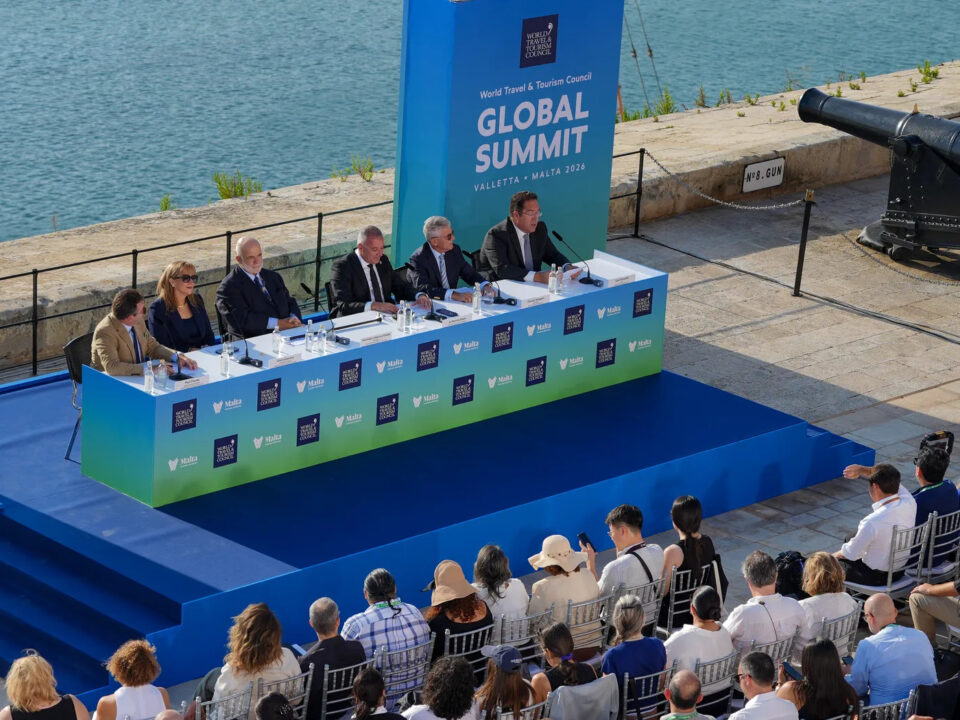
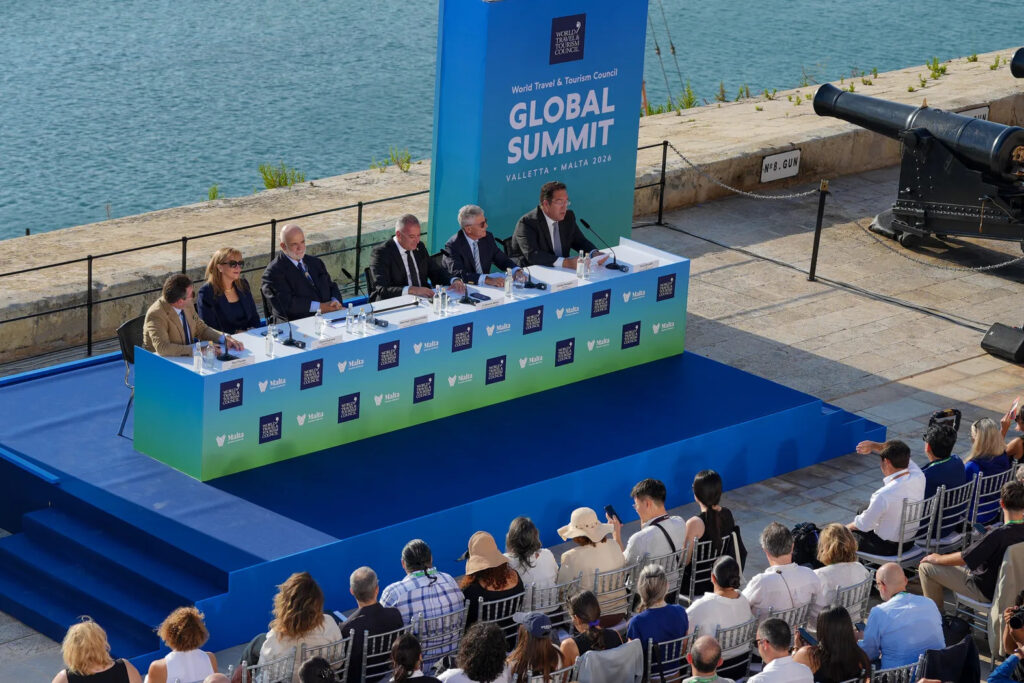
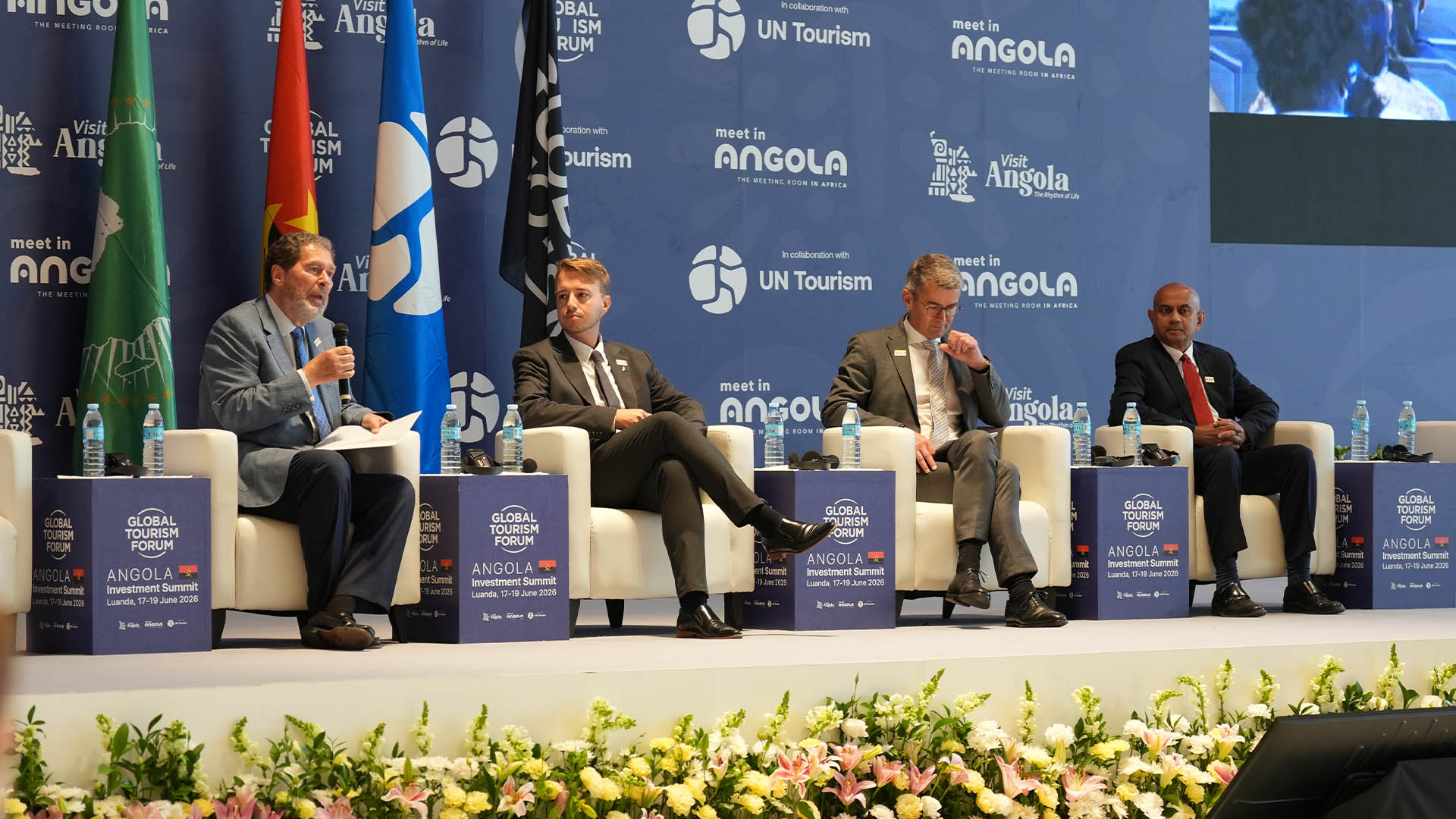
Speaking at the panel event, “Beyond Resorts: Developing Integrated Tourism Destinations,” moderator Michael B. Christides, Ambassador and former Secretary General of the Black Sea Economic Cooperation Organization, said tourism can be one of the most effective drivers of international understanding, but citizens, workers, businesses, conservationists, and cultural and public institutions must participate in its development.
Panel member and Head of Government Relations — Destinations at TUI Group, Vincent Snauwaert, agreed, hailing tourism workers as some of the best ambassadors for any country. He noted that the visitor experience of a destination is holistic, encompassing not only the four walls of a hotel room, but local attitudes, service quality, cultural life, landscapes, and transport infrastructure too. He argued that Angola’s next steps should be to showcase the country as it is, rather than change it.
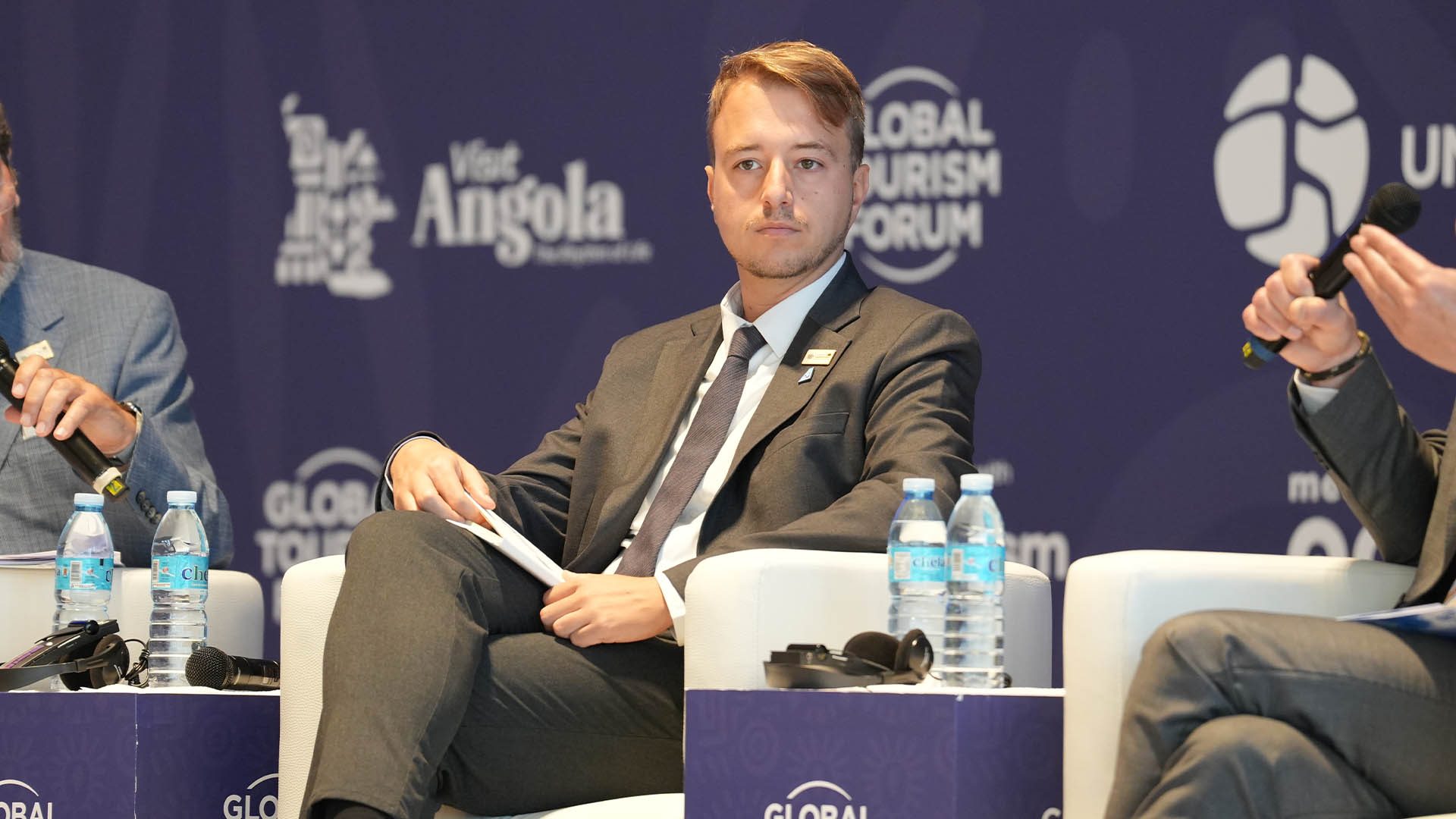
Snauwert later argued that air connectivity and competition are essential to scale tourism, and that ministerial coordination should support aviation, infrastructure, finance, and tourism policy. Interestingly, his words come as green campaign group T&E has issued new research slamming aviation as a driver of an unsustainable tourism model.
Also speaking on the panel, Prof. Martin Barth, Director of International Business Development and Strategic Partnerships at Swiss hospitality management institute SHL, said that Angola has an opportunity to learn from the mistakes of more mature destinations where overtourism and weak planning have created unsustainable pressures.
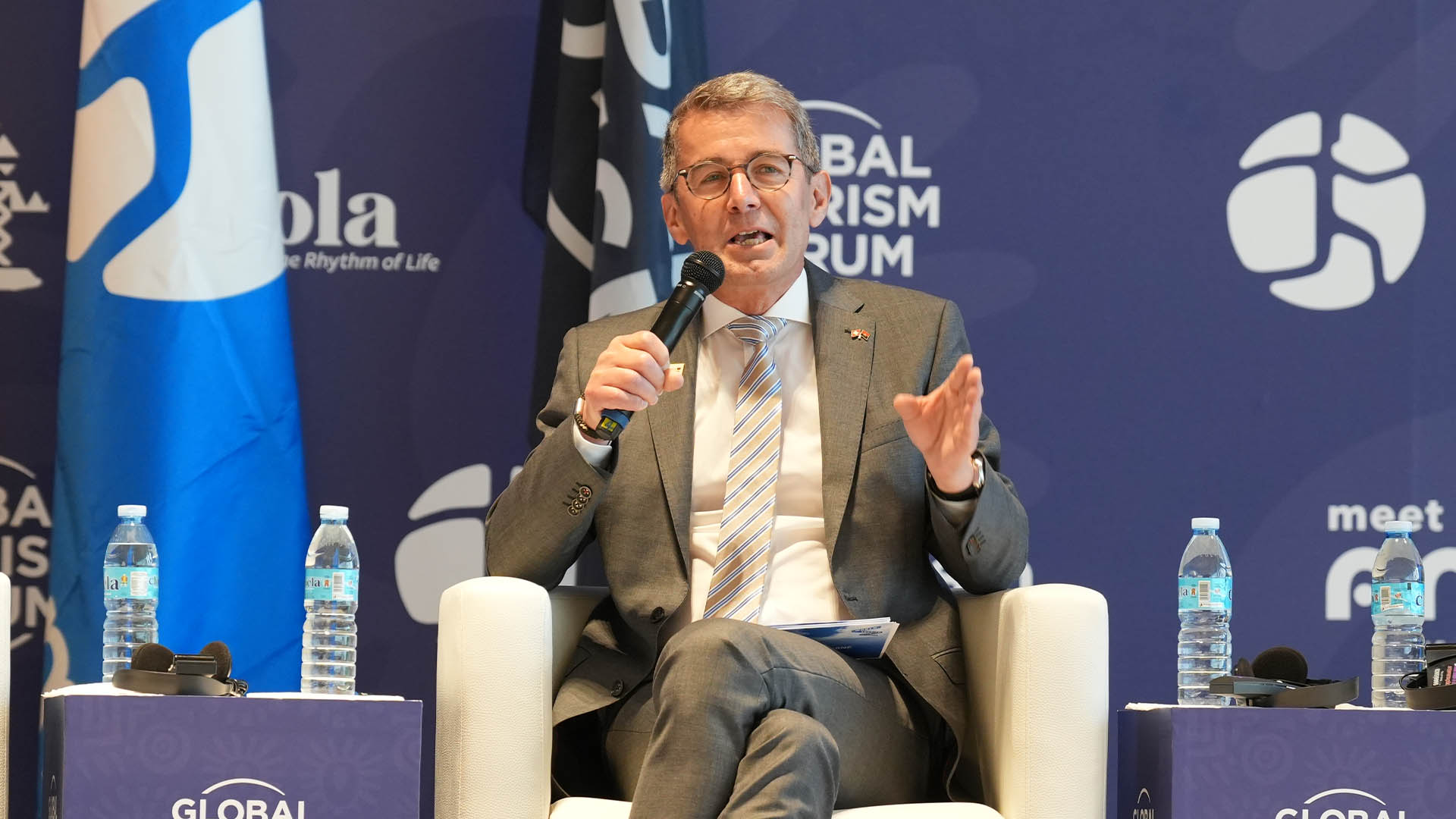
Like the other panel speakers, Barth emphasised the importance of investment in human resources, rather than bricks and mortar. SHL’s training expertise will be leveraged via a memorandum of understanding signed during the summit to support tourism education, hospitality, and innovation. He also acknowledged TUI’s planned Angolan hospitality school initiatives in Angola, contending that education is not enough in itself but must build employability, service quality, and national capacity.
To the list of ingredients for a successful sector, he added seamless access, digital connectivity, gastronomy, safety, cleanliness, and a clear marketing and positioning strategy. With corporate and events-based visits, family-oriented travel, the premium segment, and nature-based attractions all competing for attention, Angola needs clarity on what the country’s offer entails, Barth said. That clear-headedness would attract investors and bring citizens on board, ensuring a grass-roots approach that can boost domestic tourism, as well as international arrivals.
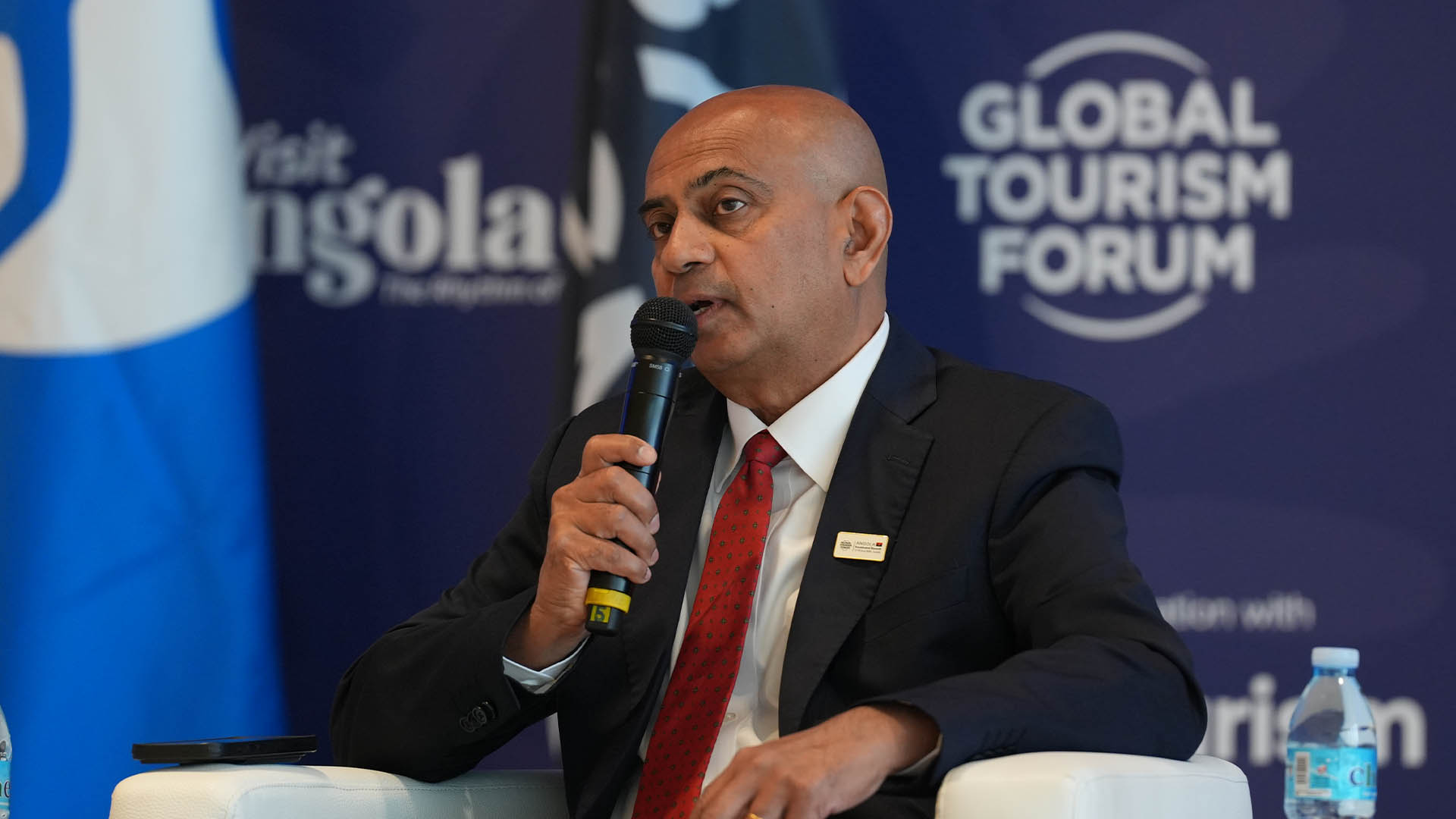
Tying in with comments on nature-based and ecotourism, but bringing a different perspective, Kashyap Choksi, Senior Vice-President and Managing Director of Global Partnerships at Global Humane Society argued that animal welfare credentials are an increasingly important criterion for younger travellers choosing among destinations and that certification in this domain could give Angola an edge over competitors.
With international arrivals having grown 28% in 2025, making Angola one of Africa’s best-performing and most investable destinations, according to Natalia Bayona, UN Tourism Executive Director, the panel’s overall message was that Angola could become a leader of regional African tourism if it positions people, nature, and clarity of purpose at the heart of its strategy.