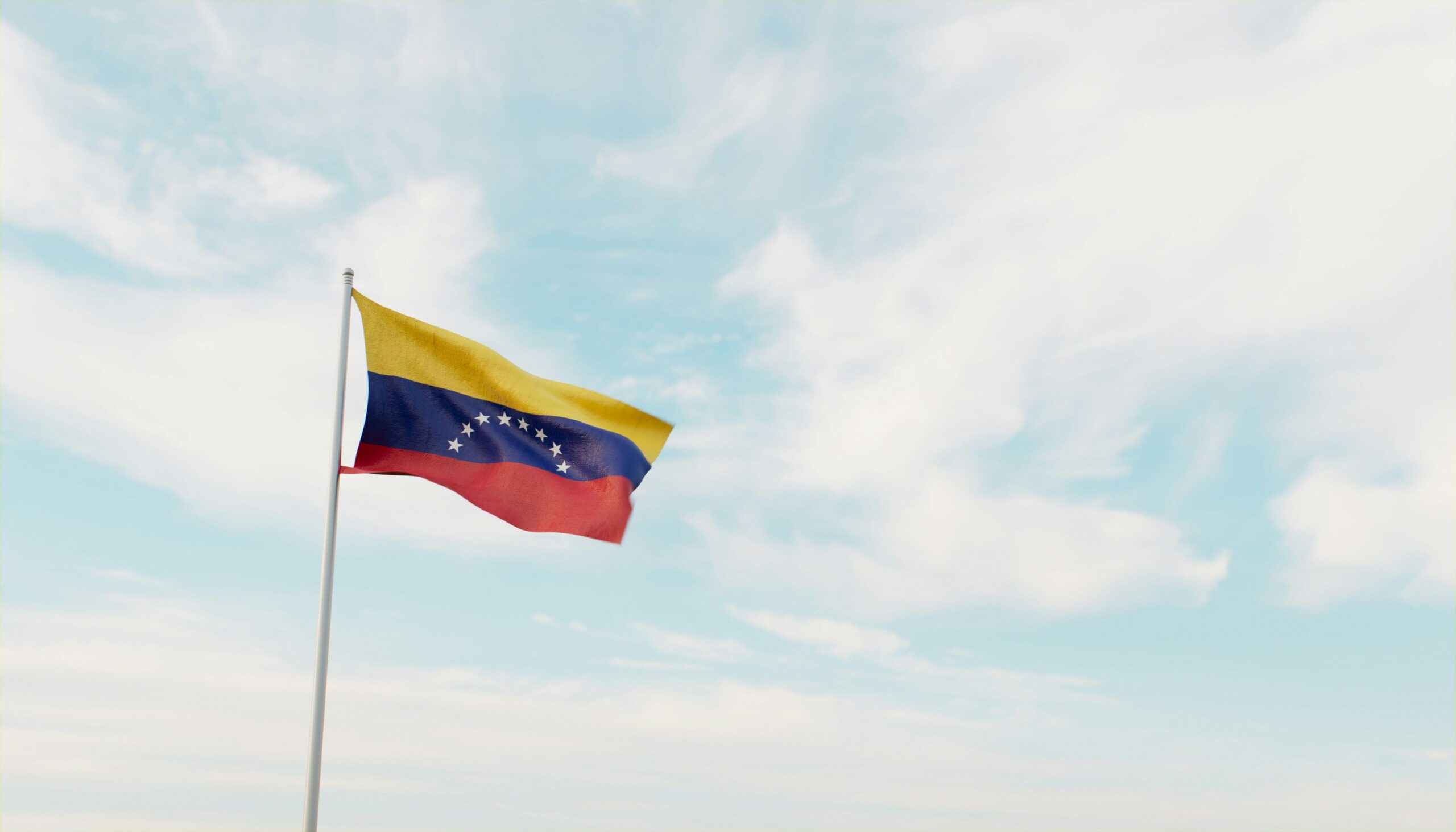



Venezuela remains under a nationwide state of emergency following the rare double earthquake that struck the country on 24 June, while seismologists and local authorities continue to warn of potentially significant aftershocks in the coming weeks. Several governments have updated their travel advice following the disaster.
The seismic “doublet” (a magnitude 7.2 foreshock followed just 39 seconds later by a magnitude 7.5 mainshock) is not an aftershock sequence, but two large, closely linked earthquakes striking in rapid succession.
@aljazeeraenglish Video captured the first moments of two powerful #earthquakes striking #Venezuela, triggering panic as people fled for safety as buildings collapsed around them. #News ♬ original sound – Al Jazeera English
The epicentres were in Yaracuy state, near the towns of San Felipe and Yumare, west of Caracas, on the fault system marking the boundary between the Caribbean and South American tectonic plates. Severe destruction was also reported in Morón, further along the coast. Tremors reached Colombia, Curaçao and Aruba, while tsunami warnings issued for parts of the southern Caribbean were later lifted after no major wave activity materialised.
More than 500 aftershocks have already been recorded, many large enough to be felt by residents and visitors alike. Experts have also warned of secondary hazards, including landslides in mountainous areas and soil liquefaction in vulnerable coastal and urban zones.
🔔4.5 Magnitude Earthquake detected near Falcon State, Venezuela.
— Earthquake Alerts (@Earthquake2day) June 28, 2026
Magnitude: 4.5
Location: 20 km W of Falcon State, Venezuela.
Date: 2026-06-28 & Time: 08:46 UTC
Depth: 10km
👇 Click the link in our bio for the live interactive map! 🔍 Or search 'Earthquake Today org' on Google… pic.twitter.com/md5DlWEfOD
The death toll currently stands at 1,450, with more than 3,150 injured and at least 12,721 displaced, according to CNN’s compilation of figures from Venezuelan authorities. Tens of thousands more are reported missing or unaccounted for in the affected areas. Rescue teams continue searching, though the “golden 72 hours” window has now passed. Miracles do still happen, however: both a baby and a woman were pulled alive from the rubble more than three days after the disaster struck.
Dr Laura Gregory, an earthquake geologist at the University of Leeds, told the Science Media Centre that the region’s complex faults accommodate movement between the Caribbean and South American plates, which slide past each other at roughly two centimetres a year. Given that rate, quakes of this kind recur in predictable cycles, “we might expect a magnitude 7 earthquake every 100 to 200 years or so”, she said.
Prof Anastasios Sextos, an earthquake engineer at the University of Bristol, told the SMC, “the area has been hit by severe quakes before, including one that levelled Caracas in 1812, so this fits an established pattern”.
Those still in Venezuela are advised to follow local authorities, shelter safely, keep emergency food, water and medication on hand, and be ready to change plans quickly, though travelling remains severely disrupted.
🇻🇪 Thousands of lives lost. Thousands of homes reduced to rubble.
— Sputnik India (@Sputnik_India) June 29, 2026
Venezuela is reeling after two devastating earthquakes struck just 39 seconds apart — first a 7.2, then a 7.5. Over 1,400 people are dead, with more than 138 aftershocks rocking the country since.
This is now… pic.twitter.com/66liMfzuQZ
Caracas’s Simón Bolívar International Airport remains closed to commercial traffic, with flights suspended until at least 2 July; operations are limited to emergency, military and aid flights. Some airlines are rerouting via Valencia, and the capital’s metro and rail services also remain suspended.
The UK’s FCDO already advised against all but essential travel to most of Venezuela; ignoring that advice could invalidate travel insurance. Canada has updated its advisory to reflect the earthquake and airport closure, and several European governments have also urged caution. The US Embassy has warned travellers to expect ongoing communications disruptions, power outages and further aftershocks.
The disaster comes barely two months after direct US–Venezuela flights resumed after a seven-year hiatus, with American Airlines restarting its Miami–Caracas route in April following Nicolás Maduro’s removal.