

The large majority of Europeans are planning travel between June and November 2026, with demand up despite geopolitical and economic pressures, according to the latest monitoring report from the European Travel Commission (ETC).
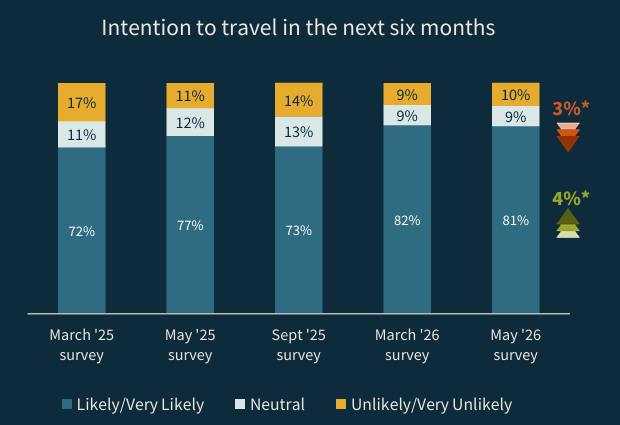
The survey Monitoring Sentiment for Intra-European Travel (Wave 25) shows that 81% of Europeans intend to take a trip in the six-month window, with the commission pointing out that the figure is four percentage points higher than during the same period last year.
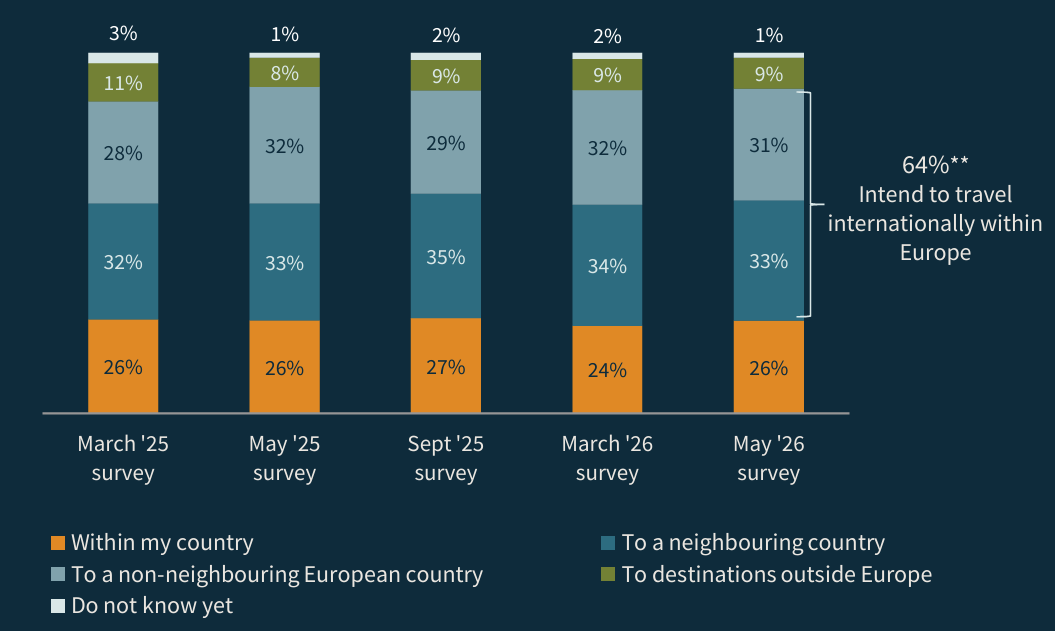
Digging into the positive sentiment, it can be seen across nearly all age groups, with intent to travel at the highest level among travellers aged 45–54 (86%). After a first half of the year characterised by disruption, high fuel and air prices stemming from hostilities in the Middle East, Europeans continue to favour travel within their home region, with almost two-thirds (64%) planning trips across Europe, and more than half (55%) intending to take two or more holidays over the next six months.
Unsurprisingly, safety, affordability, and climate considerations are shaping their destination choices. Southern and Mediterranean Europe is the preferred holiday region, attracting 61% of intended travellers, up four percentage points compared to last year. Spain (14%), Italy (12%), France (8%), and Greece (7%) remain the most popular destinations, which ETC says reflects “continued demand for sun-and-beach holidays, followed by culture and city experiences.”
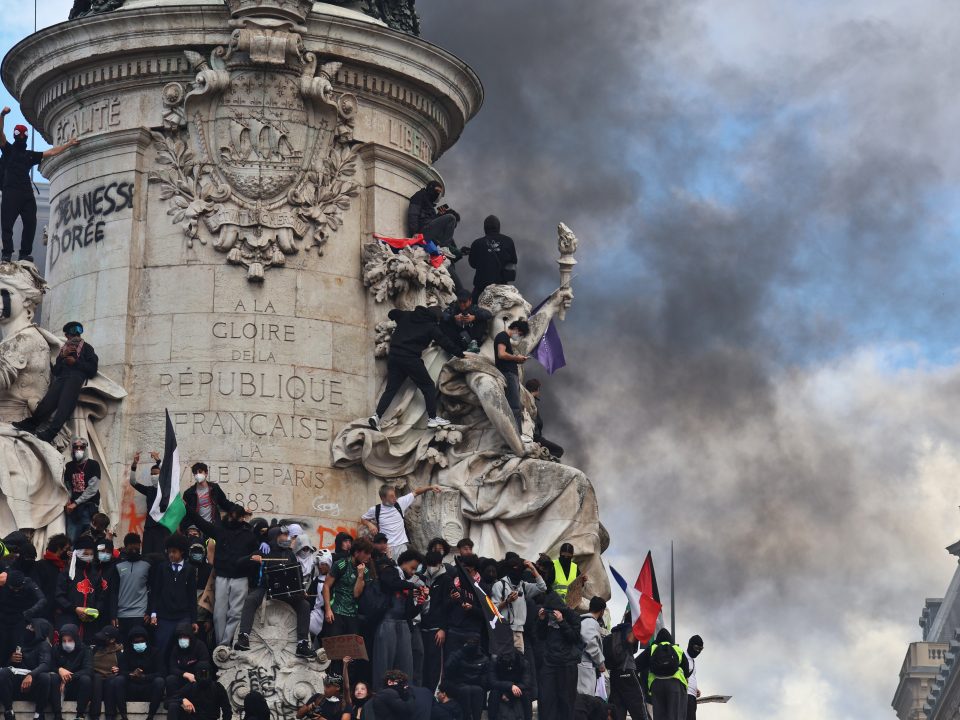
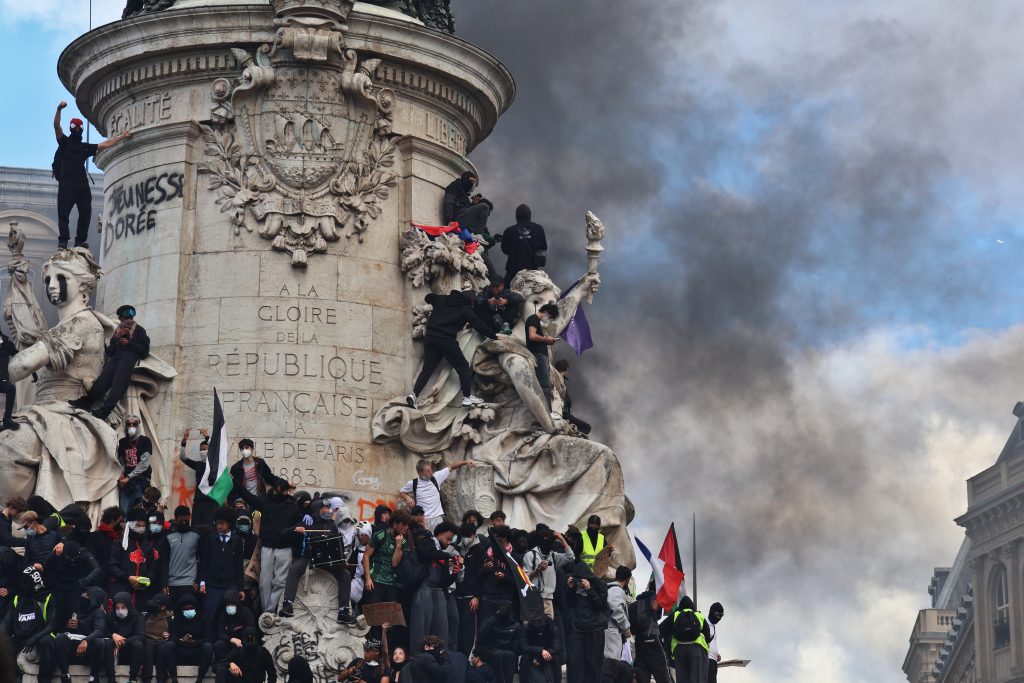
However, travellers are becoming more selective. Interest in major tourist destinations is up slightly to 48%, but most Europeans (52%) now prefer lesser-known or off-the-beaten-path destinations. More than one traveller in 10 says avoiding crowded destinations is important, and nearly the same proportion of travellers (9%) place overcrowding among their main travel concerns.
Commenting on that appetite for “hidden gems and new experiences” ETC President, Miguel Sanz, said it “presents an opportunity for destinations to diversify their offer, encourage visitors to explore more widely and year-round, and create seamless, high-quality experiences that respond to changing traveller expectations.”
Travellers’ priorities, meanwhile, include safety, cited by 20% of travellers, followed by pleasant weather (15%). But financial considerations such as rising trip costs (22%), personal finances (17%), and finding attractive deals (14%) remain Europeans’ biggest travel concerns.
That said, high fuel prices and the knock-on effect on airfares are not putting Europeans off air travel, which remains the most popular mode of transport, chosen by 53% of travellers. And spending intentions remain stable. Between €1,500–€2,500 is still the most common spending range (29%), and accommodation, food and beverages, and activities take the biggest slices of travellers’ budget.
Geopolitical developments worries linked to the conflict in the Middle East have doubled compared to last year, increasing from 7% to 14%, while 11% of Europeans remain concerned about the war in Ukraine.
Climate considerations, too, are playing on people’s minds. Over three-quarters (76%) of Europeans say climate-related factors influence their travel behaviour to seek out cooler destinations (16%) or avoid extreme temperatures (15%). Two-thirds of Europeans say they would change their plans due to climate-related disruption and government travel advice.
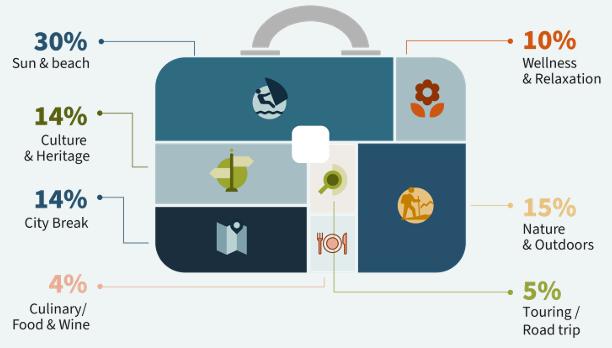
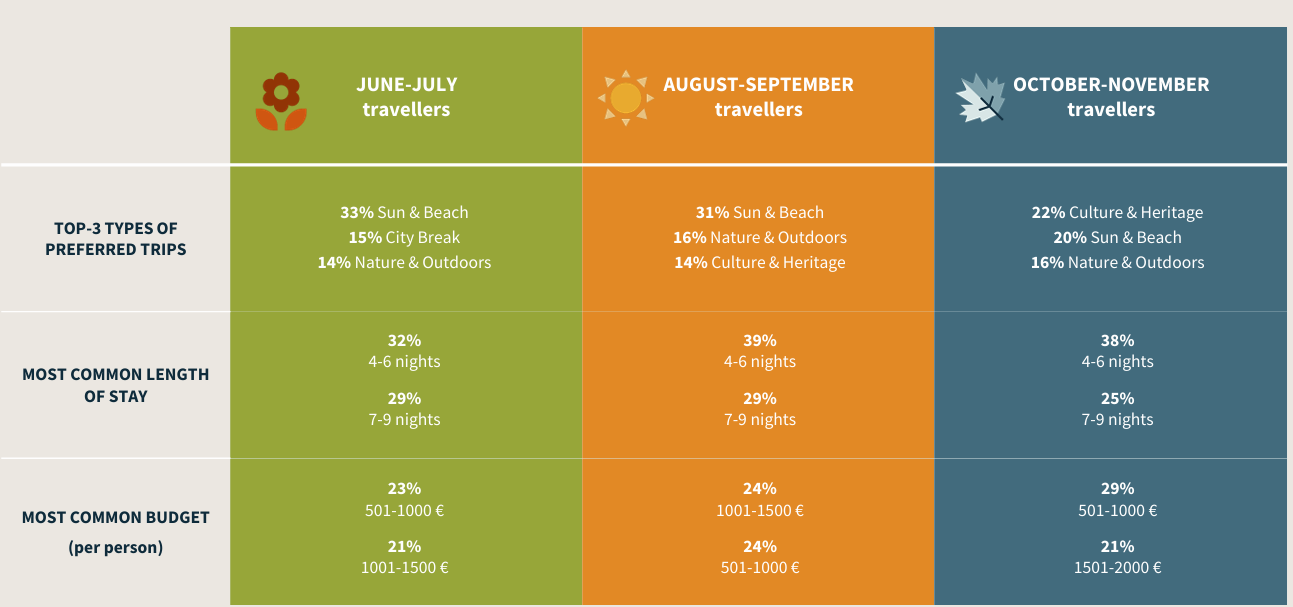
Although crowding, cost, and climate are so high on people’s travel agenda, the peak summer season remains the preferred season, with 86% intending to travel between June and September. However, so-called “shoulder seasons” are attracting more vacationers, as June demand is up three percentage points year-on-year.
Sanz summarised the global travel environmentas“more complex” but noted that rather than travelling less, Europeans “are travelling more thoughtfully – carefully weighing safety, affordability and climate considerations when deciding where and how to travel.”