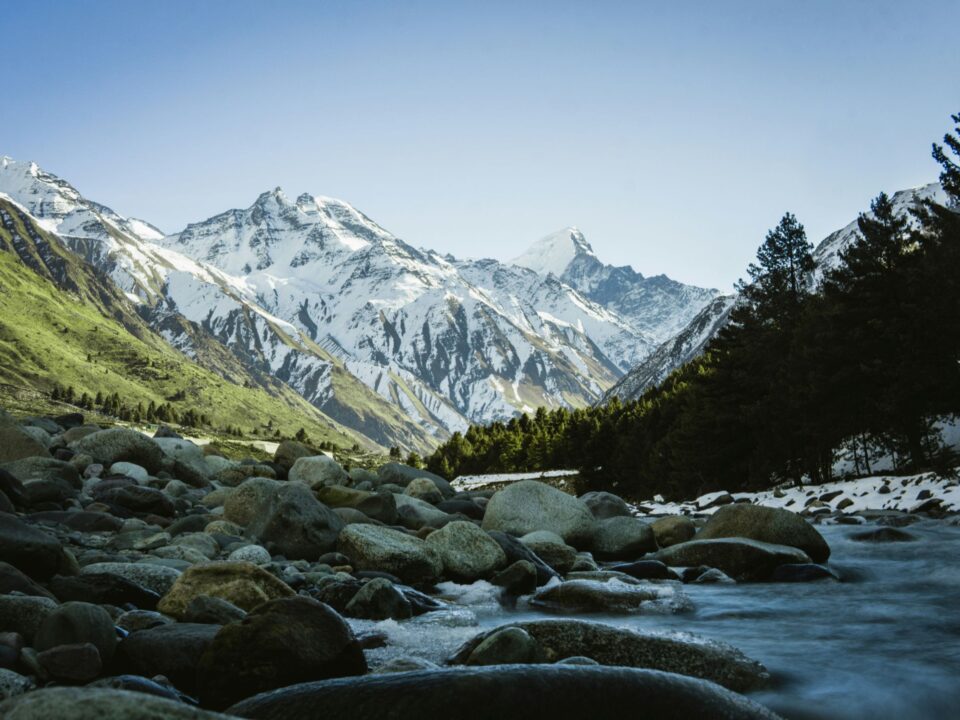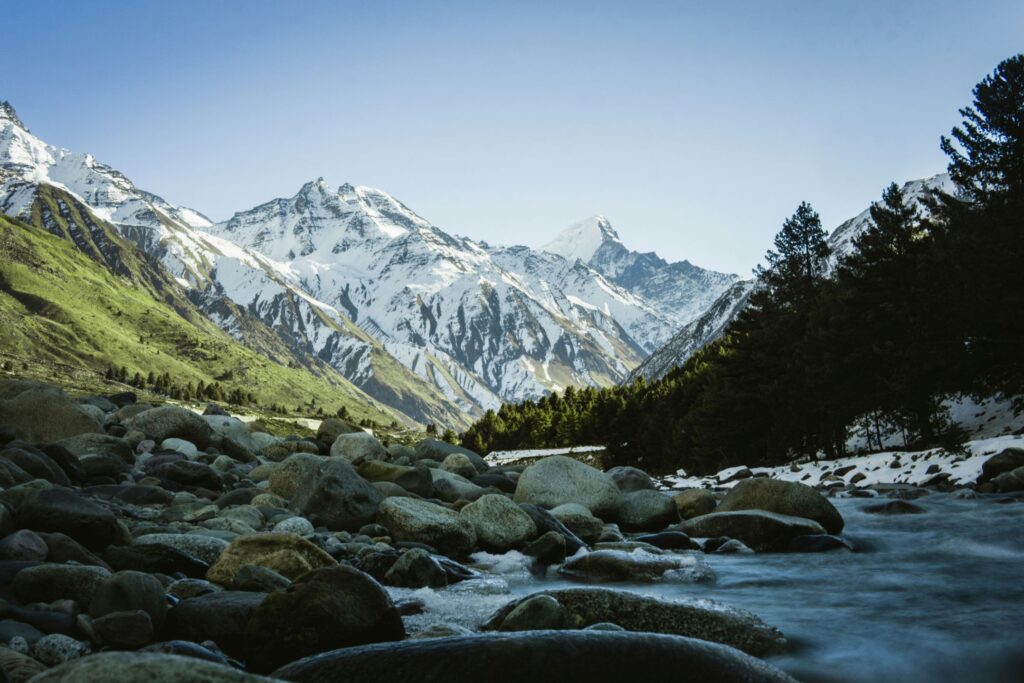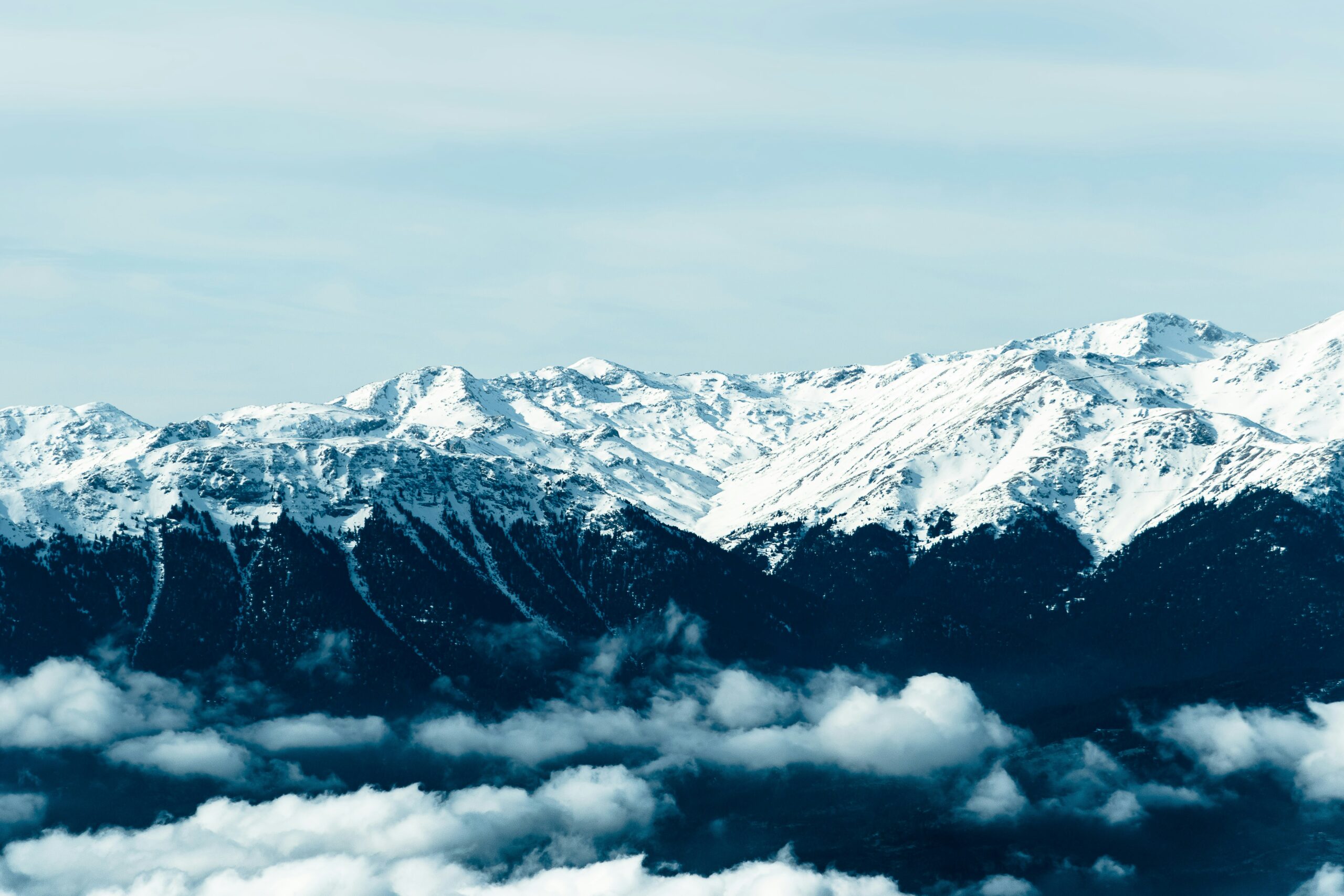



The Greek village of Arachova, and nine other mountainous regions in Greece, are suffering the loss of the snow that used to provide water and ski tourism revenue, according to local authorities and researchers.
Giannis Stathas, mayor of Arachova, has recalled childhood days where schools would close and roads would be impassable for several days due to snowfall. “We don’t see that here anymore,” he says, describing the former 300-metre altitude snowline shrinking away to 2,400 on Mount Parnassos.
And it’s not only anecdotal. Konstantis Alexopoulos, a snow hydrologist at Cambridge and the National Observatory of Athens, and co-founder of the Hellenic Mountain Observatory, found in a study that snow cover is “rapidly declining across 10 mountains of Greece, across the mainland,” adding: “We’ve lost more than half of the snow cover… since the mid-1980s.”
Those four decades can be traced with NASA and European Space Agency satellite imagery, using machine learning fill in missing data. They reveal the loss of a snowpack water reservoir that Alexopoulos describes as like a “savings account.” Unlike rain, disappears quickly into rivers and seas, snow is stored in the mountains “ultimately melting at the time that we need it the most,” Alexopoulos said.
Local Arachova restauranteur, Aktida Koritou, points out: “One hundred percent of Arachova’s water is supplied by snowmelt.” Dry springs and reservoirs are making residents more conscious of the need to save water, especially as droughts are now lasting into the autumn months. Those same droughts are exacerbating the risk of wildfires that Greece has faced off frequently in recent years. The possibility of constructing dams has been proposed.
Meanwhile, ski professionals are looking to snow retention techniques and adapting seasonal schedules to reflect the lack of snow—and visitors—in December, a month that used to see the ski season begin.
Alexopoulos is calling for further research into what has been an under-explored phenomenon due to the remote nature of the landscapes in question, and a lack of understanding of the challenges that climate change would bring to these rural communities.
“Other mountainous regions of the world, such as the Andes or the Himalayas, … have all experienced a steep decline in snow cover but not at the rate that we saw in the Greek mountains,” he said. “In Greece we haven’t focused so much on it because we never really understood the importance of snow’s contribution to our water resources,” he said. “But as this shifts and as this starts to decline, we are seeing those droughts, and we are trying to explain them.”