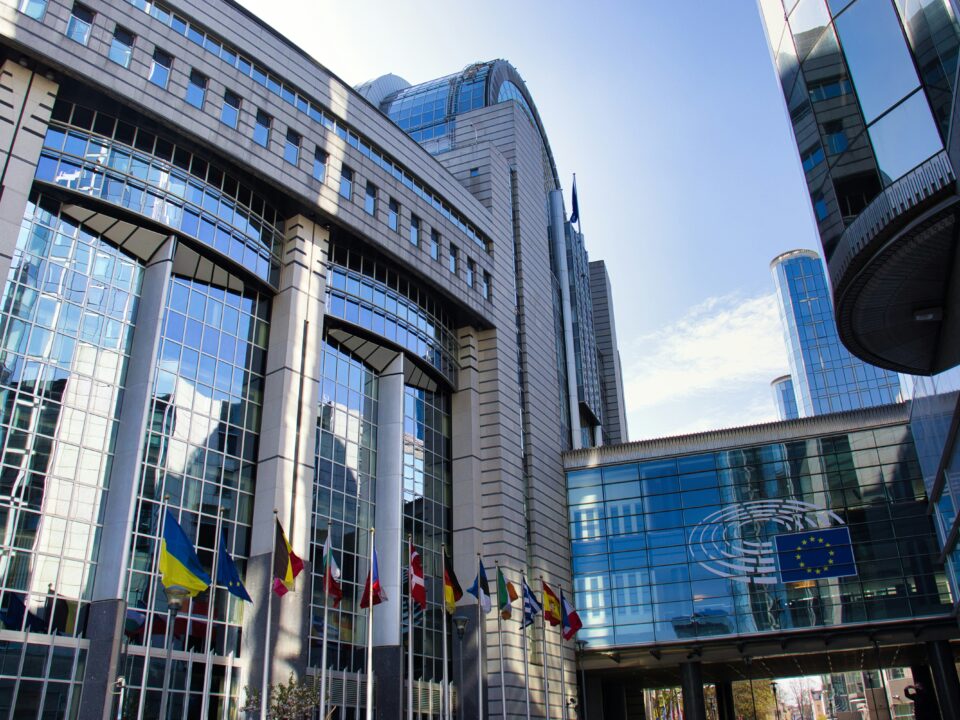



On 17 July 2026, the European Commission published a document asking the 27 member states and the European Parliament to amend the EU’s emissions trading system. Presented as a way to preserve the European Union’s competitiveness and to allow for cost-effective decarbonisation, the proposal is being widely criticised by climate experts.
Since their introduction in 2005, the European Union’s emissions trading system (ETS) has been obliging the bloc’s biggest polluters to buy permits to pollute. Companies have to purchase such a permit for every tonne of carbon dioxide they emit. Buying extra allowances is possible, as is trading permits, while some companies have received free permits to allow them to compete with global firms.
Over the years, the system has functioned as a global example, raising €270 billion in revenue and cutting emissions by 47% between 2005 and 2023. That money has been put towards decarbonisation, innovation, and modernisation of the energy grid. Since the start, the number of permits available for purchase or for free has been capped in order to urge companies to continue to reduce their emissions.
In order to reach the EU’s target of reducing greenhouse gas emissions by 90% by 2040, the European Commission has been urged several times to review the ETS. Meanwhile, ten EU member states have been putting pressure on the Commission to ease the permit system, as it would allegedly lead to higher energy costs while damaging Europe’s competitiveness.
On 17 July 2026, in a Summer where Europe has been struck by historical droughts, heatwaves, and wildfires, the Commission finally published its “Proposal for a directive of the European Parliament and of the Council amending Directive 2003/87/EC and Decision (EU) 2015/1814 as regards driving competitiveness and cost-effective decarbonisation“.
In the document, which now needs to be adopted by the 27 member states and the European Parliament, the Commission proposes that some heavy polluters should be able to benefit from free pollution permits for longer. Instead of being phased out by 2034, free allowances for polluting sectors would continue to be distributed until 2038, under the condition that they demonstrate plans to invest in clean production in Europe.
The number of permits in circulation should also be reduced more slowly, according to the Commission. Instead of an annual reduction in the cap of 4.3%, the proposal dials this down to 3.7% from 2031, followed by 1.7% from 2036.
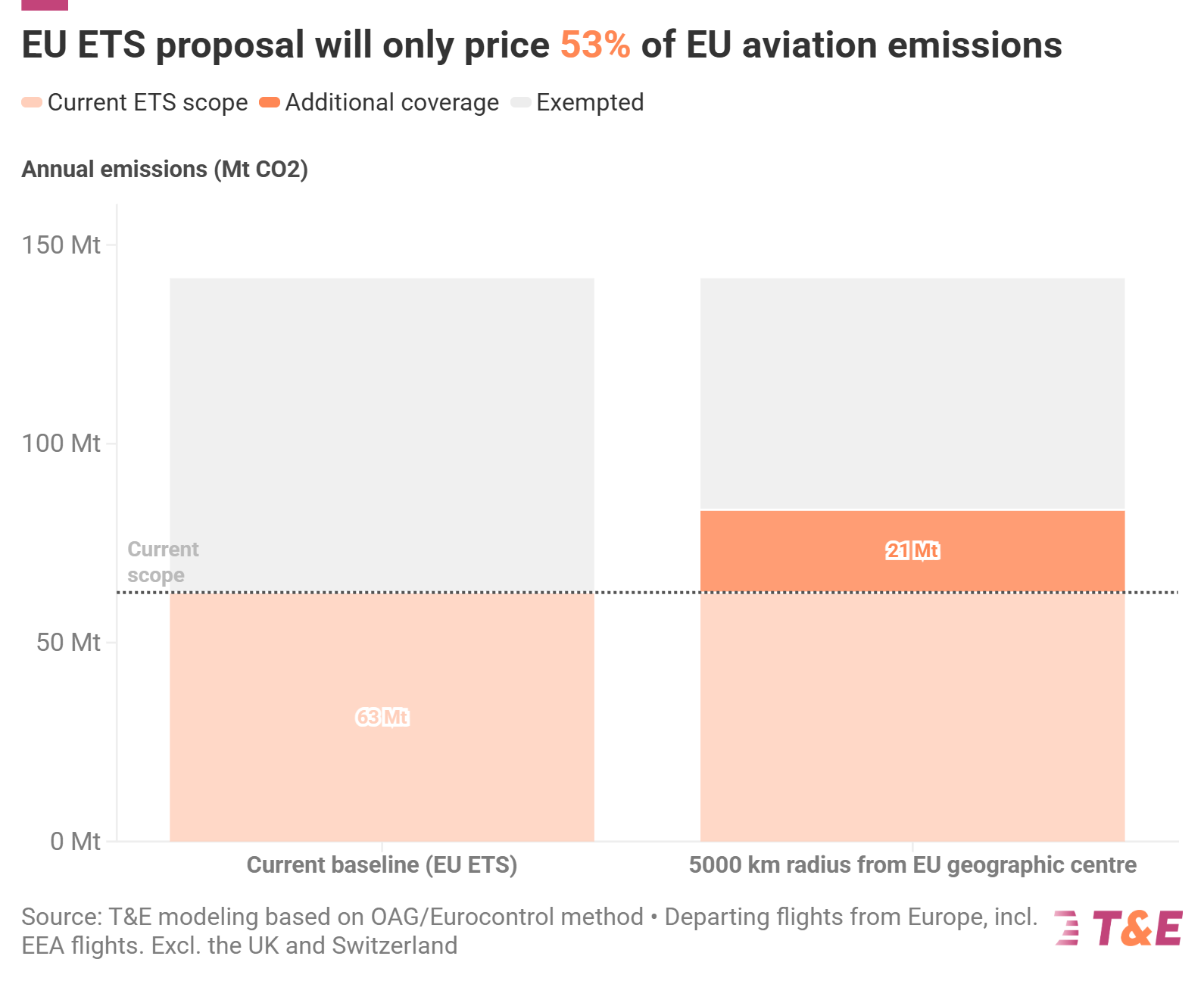
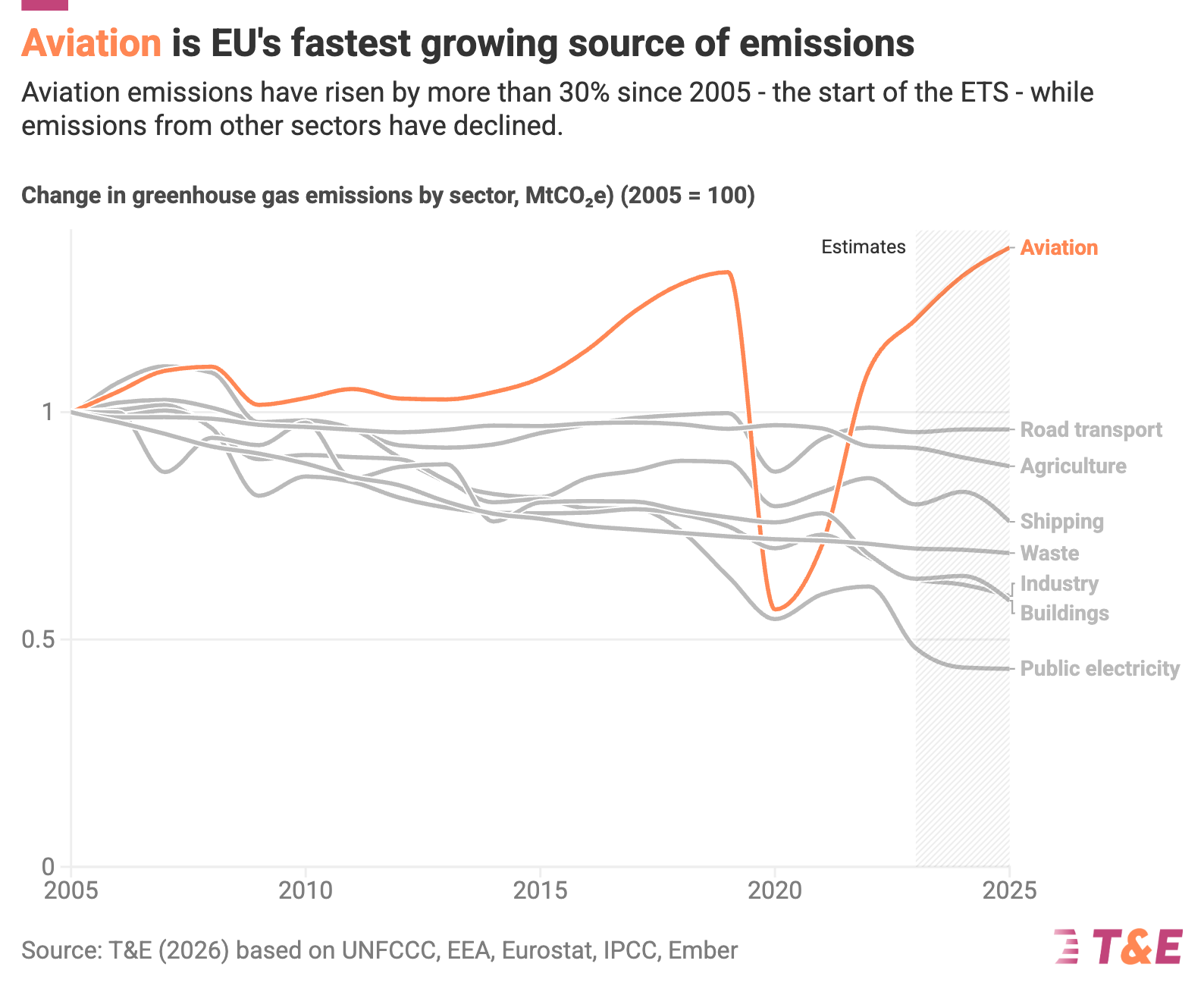
Furthermore, the permits would also be extended to municipal waste and to flights within a 5,000-kilometre radius of a central point in Europe – including private jets, a sector unconcerned by the ETS until now.
“The EU ETS has proven that carbon pricing works. It has cut emissions, strengthened Europe’s energy security and mobilised investment across our economy. [The] proposal on the ETS review brings together three key goals: climate action, competitiveness, and independence,” stated Wopke Hoekstra, Commissioner for Climate, Net Zero and Clean Growth.
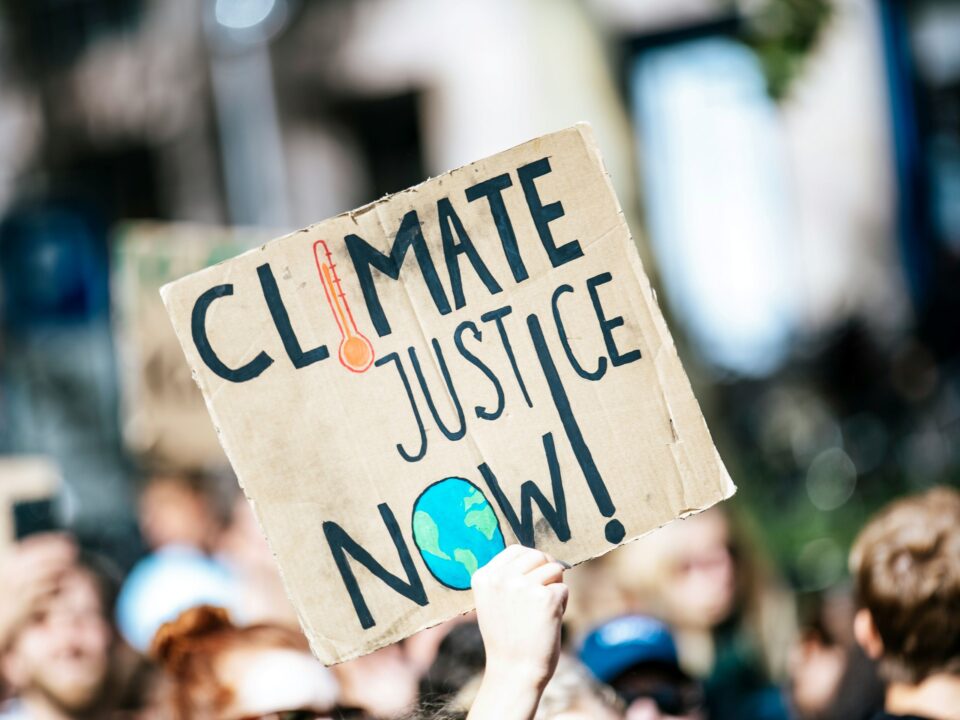
Since the publication, however, climate experts and organisations have been criticising the proposal, wondering how the EU will be able to meet its 2040 goal with the new caps.
“Weakening the ETS now is a gift to polluters that have prioritised shareholder payouts instead of investing in cleaner production at the expense of citizens, future generations and those companies which already invested in climate-friendly solutions,” stated Chiara Martinelli, director of Climate Action Network (CAN) Europe.
Transport & Environment (T&E), Europe’s leading advocates for clean transport and energy, have criticised the move.
“Europe has an energy dependency problem not an ETS one. The watering down of the ETS will make it near impossible to meet the EU’s 2040 target. If ETS does less work in bringing emissions down, other sectors like agriculture will have to do more. The proposal will keep Europe hooked on volatile and insecure fossil fuels for longer and will deprive governments and industry of the revenues needed to boost the innovative technologies of the future,” said Kädi Ristkok, T&E’s director of energy and climate.
At the moment of writing, the proposal still needs to be reviewed and voted on by the EU’s 27 member states and the European Parliament.