

Seven Greek islands in the Aegean have declared drought emergencies as Greece grapples with worsening water shortages during the height of the summer tourist season, highlighting the growing pressure that climate change and rising visitor numbers are placing on some of the country’s most popular destinations.
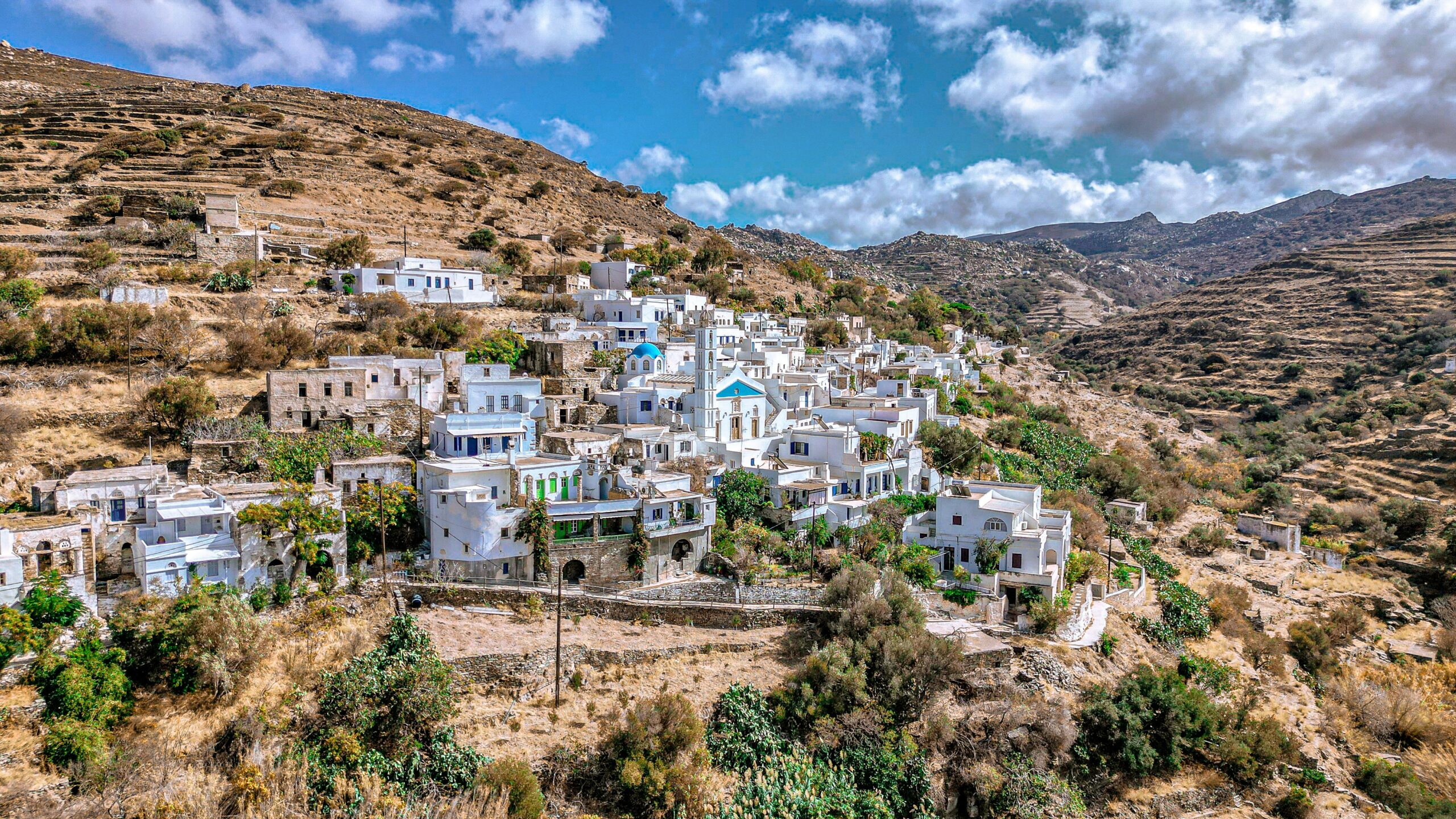
The islands affected are Astypalaia, Tinos, Alonissos, Leros, Patmos, Symi and Karpathos, where emergency measures have been introduced to safeguard dwindling water supplies as hotter summers and increasingly erratic rainfall leave reservoirs under severe strain.
Astypalaia has become one of the clearest examples of the crisis. The island, which already relies on bottled water for drinking, experienced its second driest season since 2020 despite Greece recording its wettest winter since 2022 in other regions.
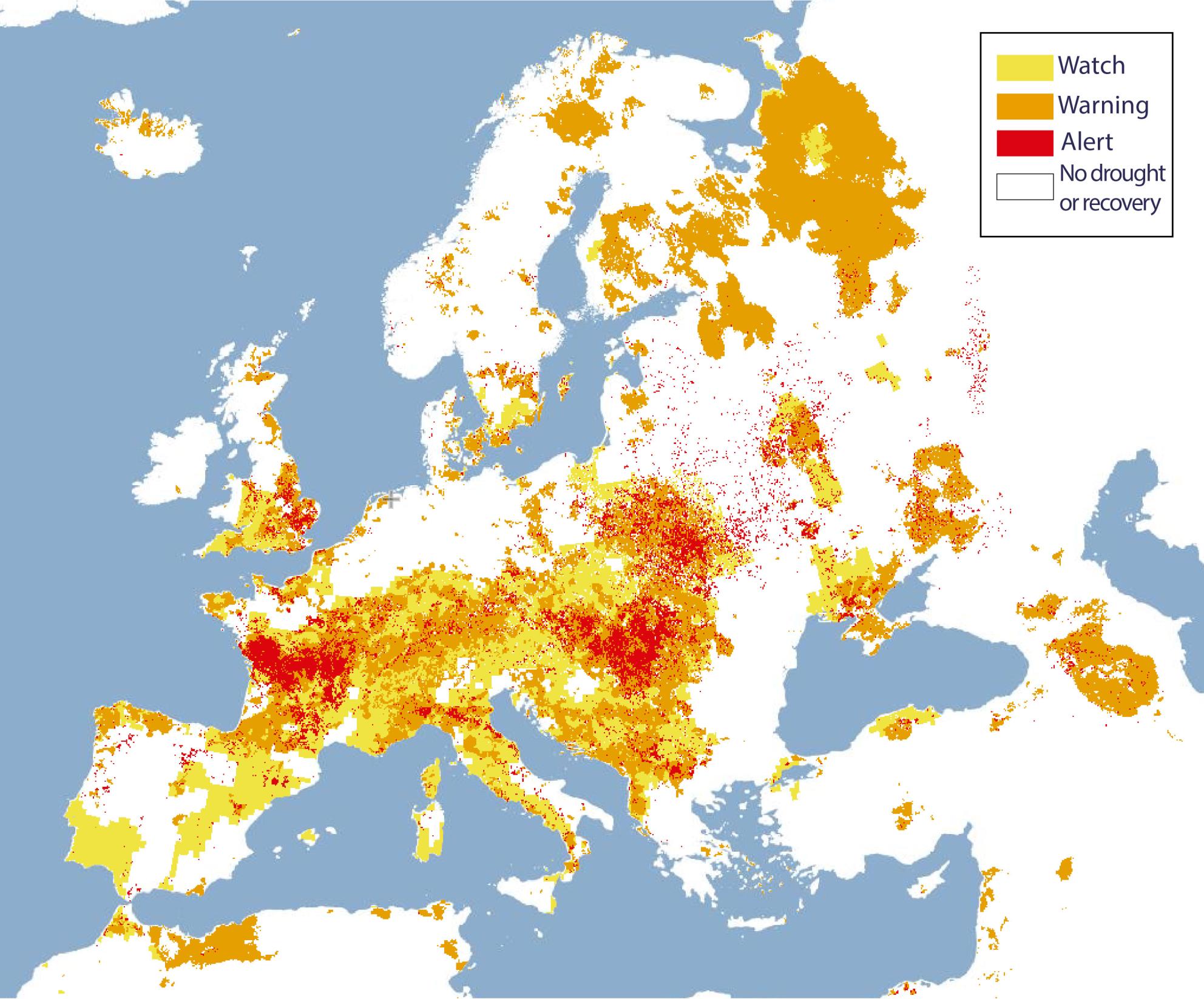
According to mayor Nikos Komineas, rainfall has been exceptionally scarce. “If we collected all the water dropped throughout the year in a bucket or a washbowl, it would be just 2.5 centimetres deep,” Komineas said.
The island’s only reservoir now contains around 150,000 cubic metres of water – roughly one-sixth of its total capacity – while daily consumption reaches approximately 900 cubic metres during the summer months. At that rate, current reserves would last only around five and a half months.
To avoid running out of water, local authorities declared a water emergency in May, allowing the rapid installation of a temporary desalination plant capable of producing 600 cubic metres of fresh water per day for Chora, the island’s main tourist town. Irrigation from the reservoir has also been suspended, forcing farmers to switch to brackish well water.
The restrictions are already affecting local agriculture. A 71-year-old farmer, Evdokia Palatianou, who has already lost crops due to the lack of irrigation water, told Reuters: “Unless it rains, I won’t plant anything.”
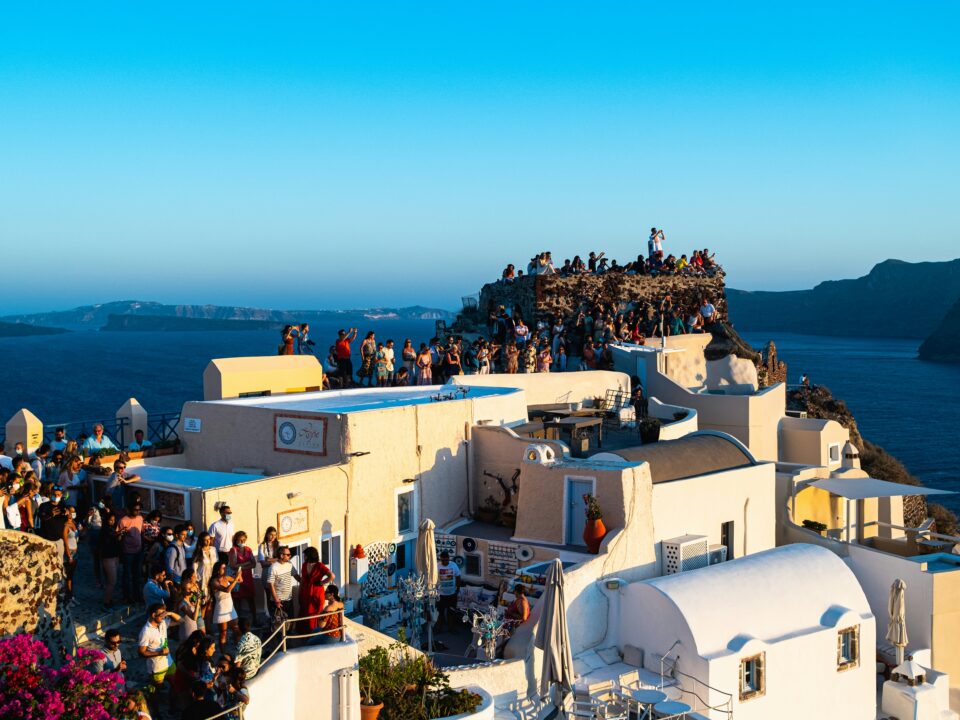
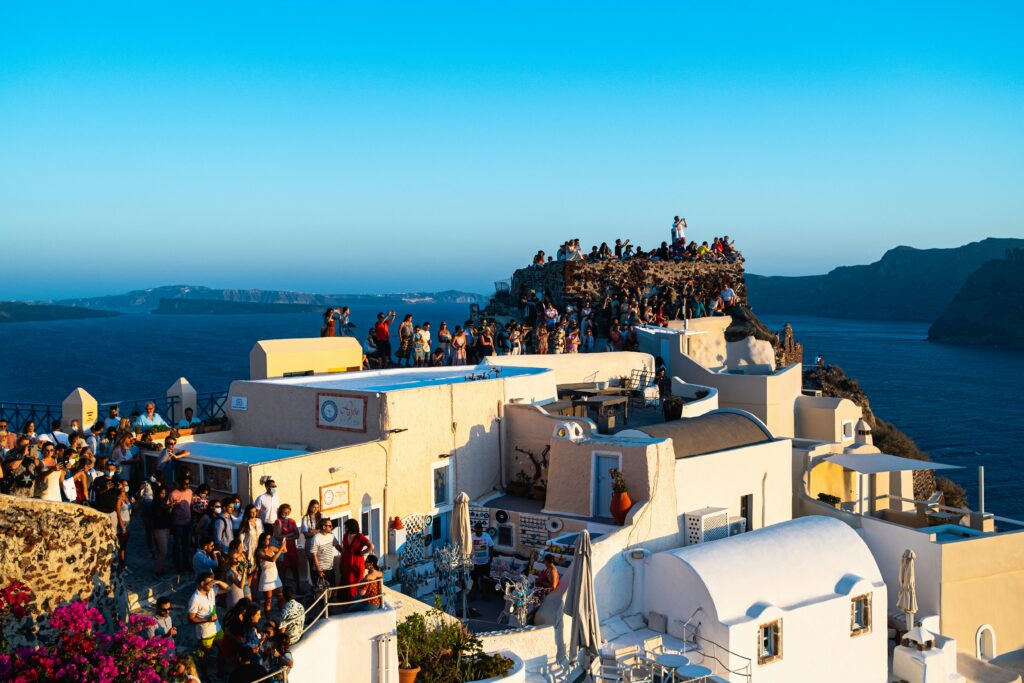
Tourism is adding further pressure to the island’s limited resources. Astypalaia’s population grows from around 1,400 permanent residents to roughly 7,000 during the summer, overwhelming existing infrastructure. One desalination plant serving the village of Analipsi could no longer meet demand, prompting authorities to install a second temporary facility while a permanent plant is being built.
Businesses are also taking steps to reduce water consumption. Hotel owner Maria Alkalai told Reuters that guests have responded positively to an initiative offering a €5 voucher to those who choose to skip daily room cleaning. “Clients have embraced it,” she said.
The Greek government has allocated €15 million for desalination projects, water tanks and network upgrades across nine inhabited islands, including €1.5 million for Astypalaia. Speaking to fellow EU environment ministers, Environment Minister Stavros Papastavrou said: “For Greece, water isn’t theoretical – it’s about security, economic growth and the protection of local communities.”
Scientists at the National Centre for Scientific Research Demokritos have warned that water scarcity on Greece’s vulnerable islands is likely to intensify by 2049 if temperatures continue to rise.
The latest drought emergencies come as Greece faces increasing pressure to balance tourism with environmental sustainability. Earlier this year, the country introduced new measures to protect 250 beaches from overtourism, banning sunbeds and other commercial activities as part of efforts to protect its coastline. Meanwhile, neighbouring Cyprus has also warned that prolonged drought and growing visitor numbers are putting freshwater supplies under mounting strain.