

Airport operations in Portugal are under fire again, with the southern European nation’s roll-out of Europe’s new border system hitting headlines across the pond, thanks to a viral social media post by a CNN journalist.
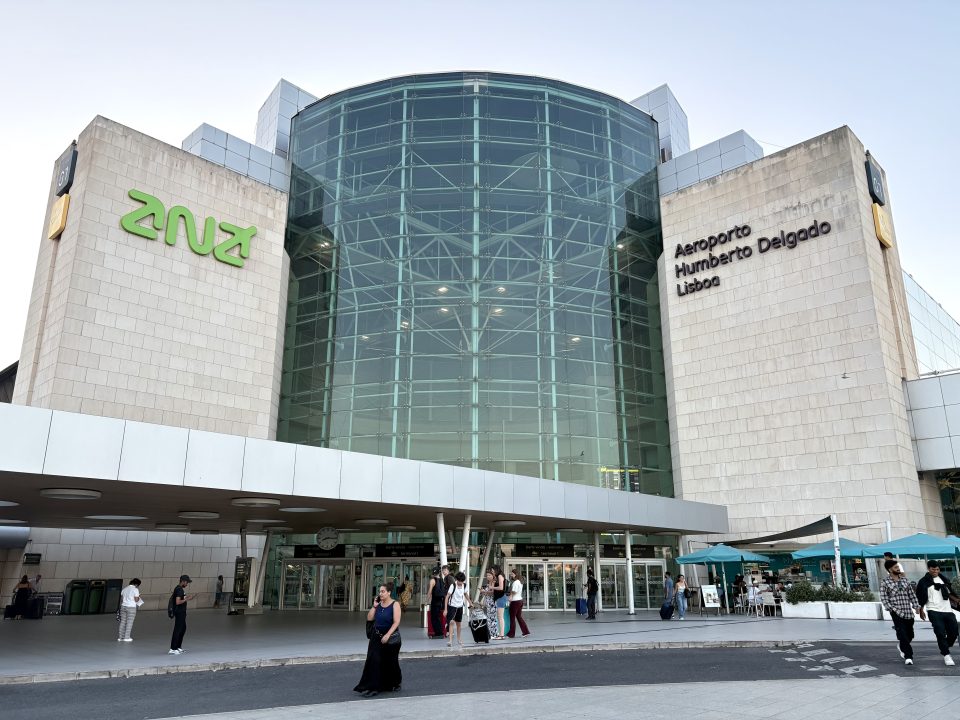
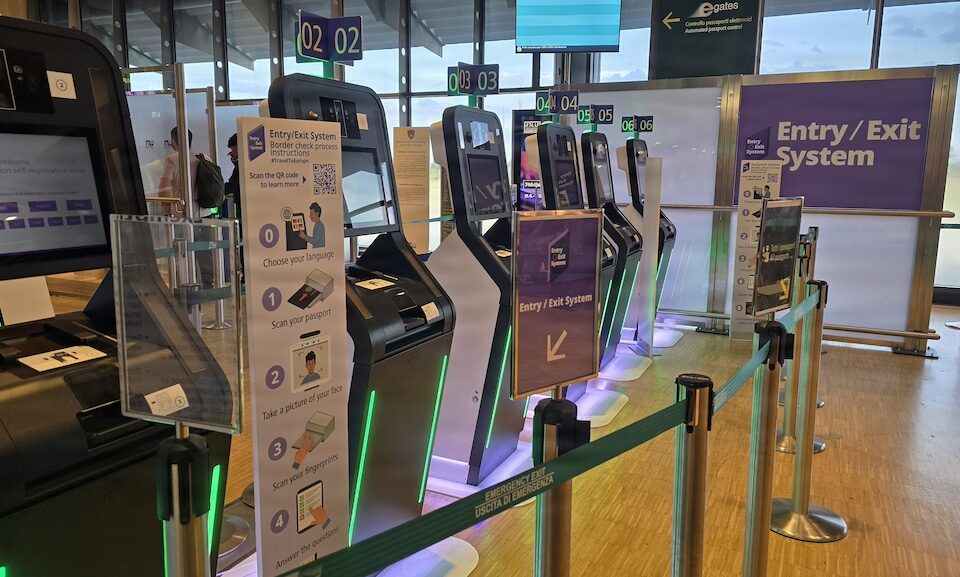
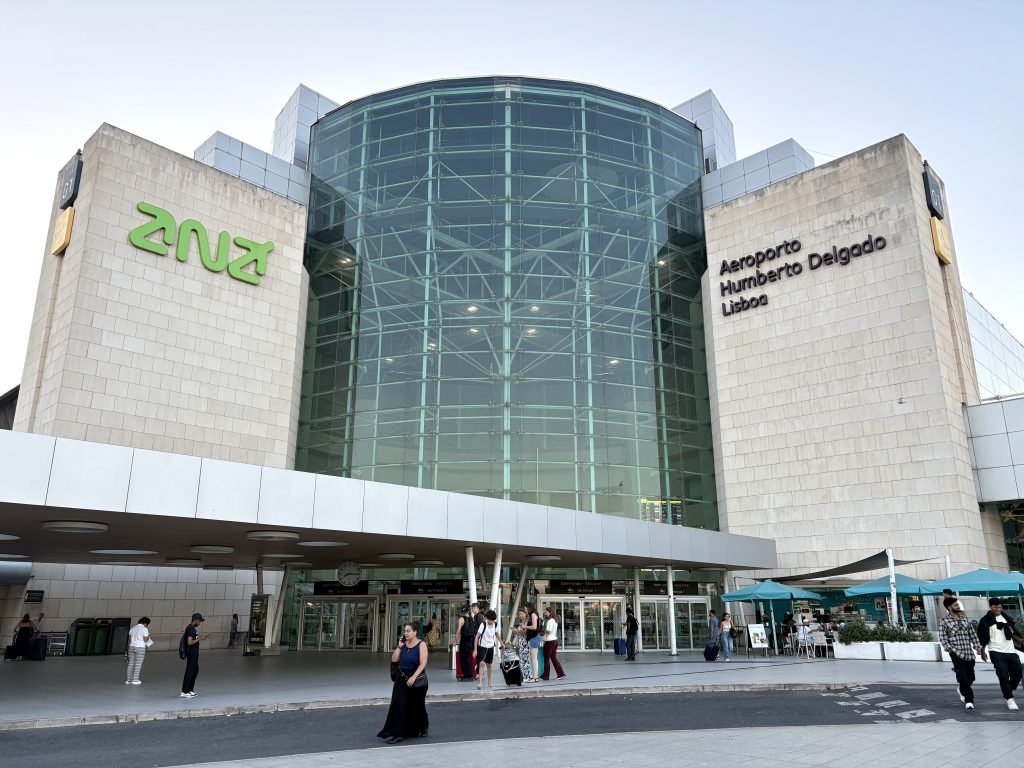
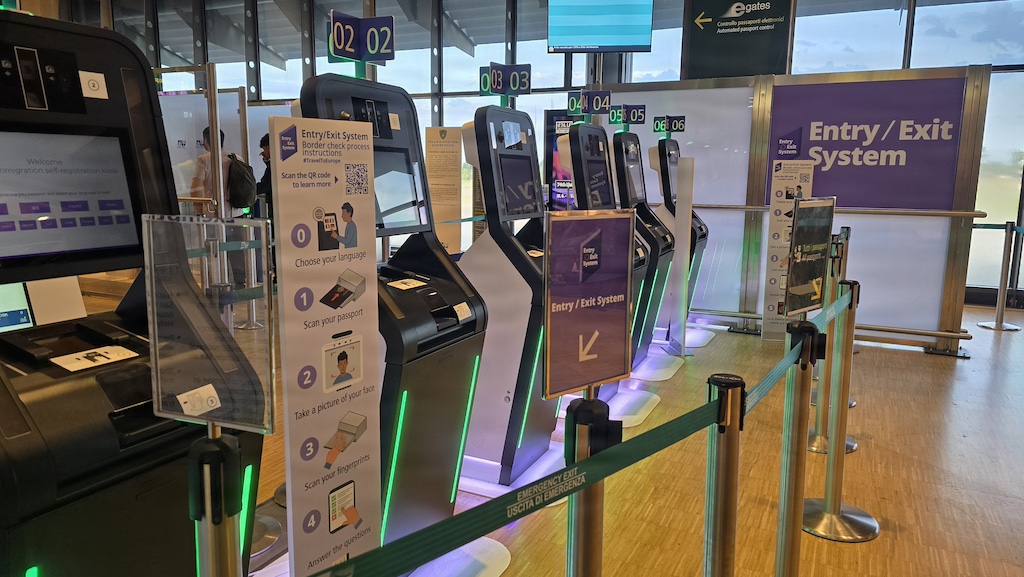
Clarissa Ward missed her flight out of Lisbon on 26 May due to a system she described as “completely broken.” The journalist filmed a queue of people that snaked hundreds of metres around Humberto Delgado Airport. Prior to reaching the border gate, non-EU nationals must complete Entry Exit System (EES) checks, ensuring the Schengen bloc database has registered their biometric data.
“At this line, you have to use a machine, and then depending on the results of that machine, you get into another big line, or you go on to use yet another machine,” Ward said, adding: “And now, yet another line, after giving finger prints at that first machine…”
Declaring she would need to wait another six hours before she could get on an alternative departure, Ward said the Portuguese implementation of EES meant “thousands and thousands of people who are basically going through complete insanity. The system doesn’t work.”
Despite Portuguese authorities deploying the national guard at the airport to help deal with the high volumes of people, the problems were, she said, “testimony to just what a disaster these new EES rules are regarding all passport holders who are not from the European Union.”
Since we're talking airports: I'm Portuguese, and Lisbon's airport immigration is genuinely one of the worst first impressions of any country I know.
— André (@oracles) May 26, 2026
Two to four hour queues stretching across the entire terminal. People missing flights. Fights breaking out. Exhausted travelers… https://t.co/UO9mdZQ1ZV pic.twitter.com/u7cm4W62lj
In addition to the national guard, the Portuguese government said that 360 members of the PSP (Public Security Police) will be brought in to reinforce Portuguese airports, but not until July.
Last week, Portugal’s Secretary of State for Infrastructures, Hugo Espírito Santo, blamed the chaos at Lisbon on Europe as an administration, saying in a statement that similar problems had been recorded at Amsterdam, Milan, Munich, and Tenerife. “We have to recognise that this is not a Portuguese problem, it’s a European problem right now,” he said.
Greece has already said it is suspending EES checks for its British visitors. Concerned travel associations and trade representatives have urged the bloc to allow for mitigating circumstances at national borders, as agents try to make EES work during this initial summer season.
What remains a Portuguese problem, however, is the widespread travel disruption anticipated on top of the EES issues, across the country’s public transport networks and aviation for the first week of June, due to mass strike action planned by national unions. The general strike is called for Wednesday, 3 June 2026, and comes in response to proposed government employment reforms and failed talks. At least 500 flight cancellations are likely, and travel to and from international hubs by public transport will also be hit.