


“Eat your veggies” is a sentence mothers-to-be should perhaps practise on themselves during pregnancy, if they want to avoid years of negotiations over peas and broccoli at the dinner table.
A new international study suggests that children are significantly more responsive to flavours they experienced in the womb, and that this memory can last at least three years.
The study, conducted by researchers from the UK, France and the Netherlands and published in Developmental Psychobiology, found that children showed fewer negative facial expressions in response to smells they had encountered repeatedly before birth, offering evidence for the existence of “chemosensory memory”. Importantly, this memory is not influenced by the mother’s emotional state, including anxiety, stress or depression.
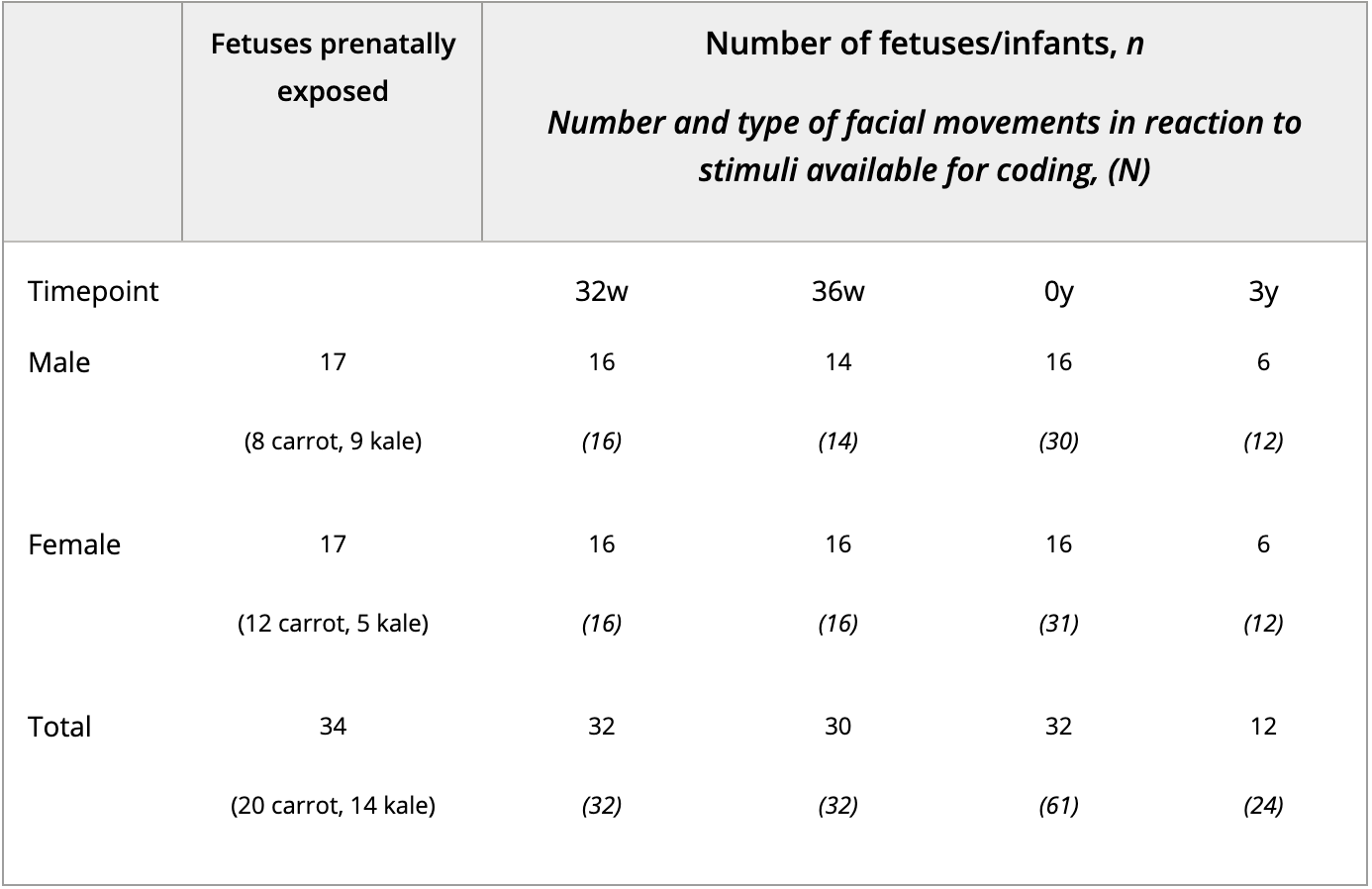
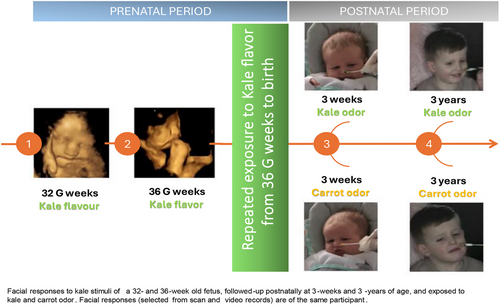
Thirty-four healthy foetuses were initially tested: seventeen males and seventeen females from 32 weeks of gestation until the age of three. Each was given a controlled exposure to either a bitter kale flavour or a milder carrot flavour through two ultrasound sessions at 32 and 36 weeks of gestation. This allowed the researchers to observe the babies’ immediate facial reactions in real time. The mothers were then given capsules containing their assigned flavour, which they consumed at least four times a week between 10 a.m. and 3 p.m., until birth. In total, 20 foetuses received carrot and 14 received kale.
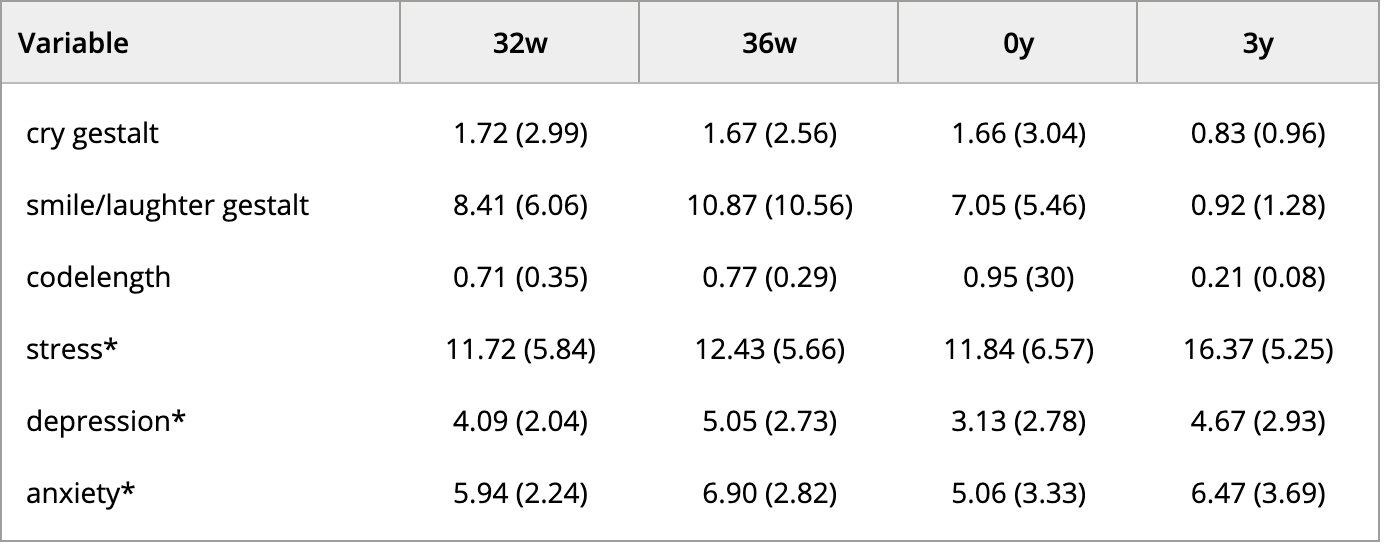
At three weeks and three years of age, the children were presented with both the odour of kale and the odour of carrot in a counterbalanced order. Those who had been repeatedly exposed to a flavour in the womb consistently reacted less negatively to its odour than to the unfamiliar one. Overall, kale generally triggered more grimacing due to its bitterness. However, even kale produced fewer negative expressions in children who had encountered it before birth. Researchers measured this by analysing coded facial expressions, specifically “cry gestalt” and “smile/laughter gestalt” patterns observed on video.
What distinguishes this study from earlier work is the directness of its evidence. Previous studies mostly observed what mothers ate naturally and drew correlations with infant behaviour after birth. For example, it was found that children aged 8 to 9 whose mothers had eaten garlic during pregnancy preferred garlic-flavoured food, but this link was only inferred. In this study, however, researchers observed the same individuals in the womb via ultrasound, controlled the exposure through capsules, and followed those children for three years. The connection is traceable rather than assumed.
Maternal stress, depression and anxiety were monitored throughout, given the known links between maternal mental health and foetal neurodevelopment. However, none of these factors significantly influenced the results, suggesting that the flavour memory effect occurs independently of how the mother was feeling during pregnancy.
The study is not without limitations. Only 12 of the original 34 children remained at the three-year follow-up, which is a small sample size. Researchers also acknowledge that they cannot fully separate prenatal exposure from postnatal encounters with the same food, family eating habits, genetics, or other environmental factors. Furthermore, the findings rest entirely on facial expression coding, which is interpretative by nature.
The broader implication raises an intriguing possibility: that we could influence children’s dietary preferences and health before they are born.
So mothers-to-be, don’t be shy with those peas and broccoli if you want to skip painful dinner negotiations with toddlers and ensure their good health.