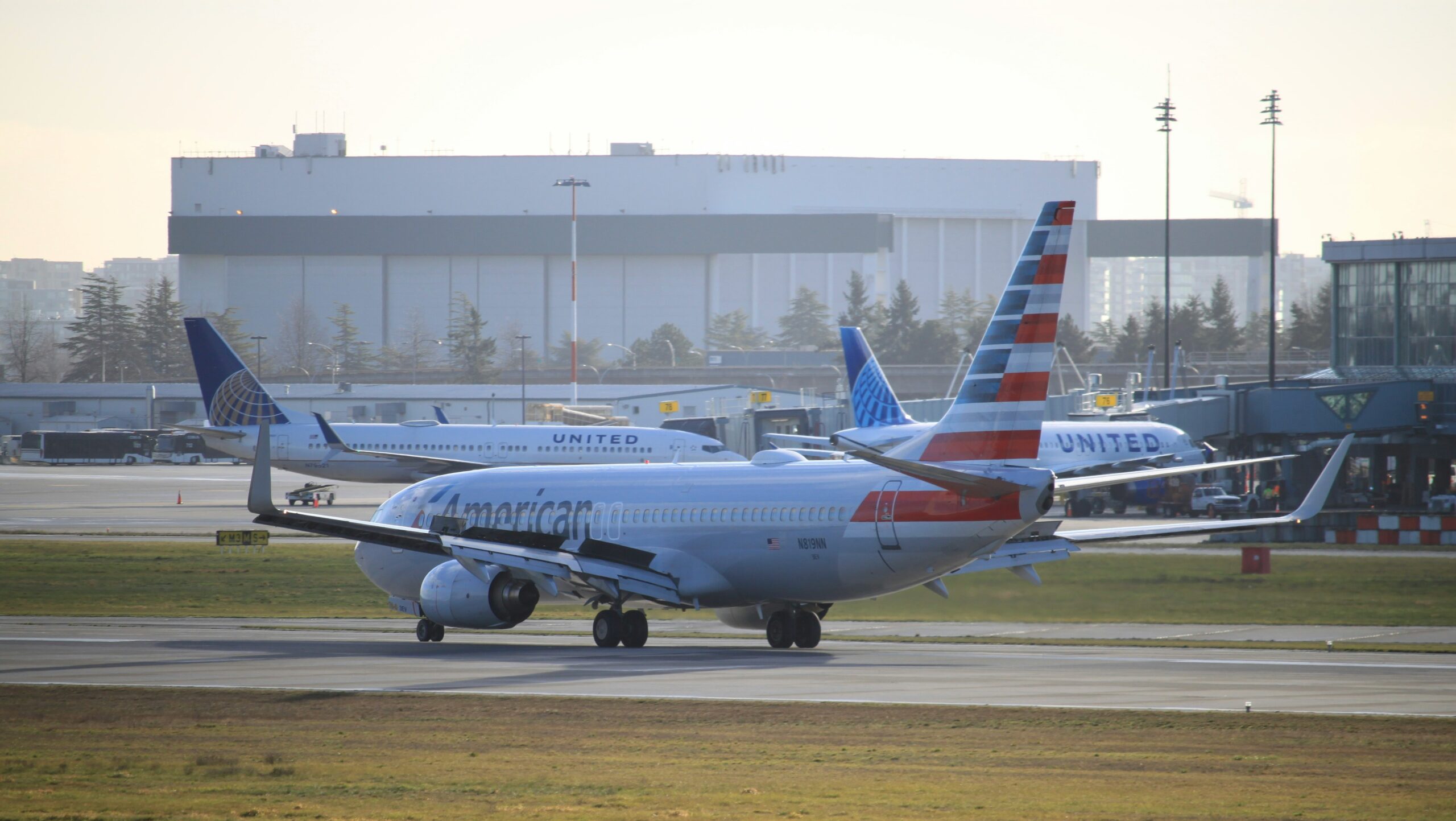



American Airlines has rejected any possibility of a merger with United Airlines, putting an end to recent speculation about a potential “super carrier” in the United States. In a statement released on 17 April 2026, the airline made clear it is neither engaged in nor interested in such discussions. The company stressed that a combination of the two airlines would harm both competition and consumers. It also underlined that such a move would not align with US antitrust principles, which are designed to prevent companies from becoming too dominant in a market.
The response follows reports that United Airlines CEO Scott Kirby had raised the idea of a merger with US President Donald Trump earlier this year. Although initial reports suggested the idea was recent, it later emerged that Kirby had been considering such a move for months. His vision centres on creating a larger airline that could better compete internationally.
“We have customers that fly United almost all the time or they fly Delta, but when they go to the Middle East, it’s fragmented enough that they fly on Emirates. If we’re bigger and have more offerings for those customers, possibly, it makes it more rational for them to fly us when they go to the Middle east,” Scott Kirby said.
One of the key concerns raised by American Airlines is the impact on passengers. A merger between two of the largest airlines in the world could significantly reduce competition in the US market. Fewer competitors often lead to higher ticket prices and fewer options for travellers when choosing routes or flight times. Antitrust laws are rules designed to prevent companies from gaining excessive market power and acting like a monopoly. They ensure that no single company can control prices or reduce consumer choice in a way that harms passengers.
The discussion reflects a broader trend in the US aviation industry. Over the past two decades, multiple mergers have already reduced the number of major airlines. Today, a small group of carriers dominates most domestic flights. Data from industry analyses based on figures from the Bureau of Transportation Statistics suggest that more than 70% of US domestic capacity is controlled by four airlines. A new merger of this scale would further increase consolidation in an already concentrated market.
At the same time, American Airlines is facing internal challenges. The company has been dealing with financial underperformance and criticism from employees. Labour unions representing pilots and flight attendants have expressed concerns about management and overall direction, calling for stronger performance and clearer strategy improvements.
External pressures are also shaping the debate. Rising fuel costs and global tensions are affecting airlines worldwide, forcing them to rethink strategies and control expenses. Reports from the International Air Transport Association highlight how fuel price volatility continues to pressure airline profitability. In this context, mergers are sometimes seen to strengthen financial stability, although they also bring major regulatory and operational challenges.
Competition between American and United remains intense, particularly at major hubs such as Chicago O’Hare International Airport. Both airlines have been expanding operations there, increasing flight frequencies and competing for passenger share. This rivalry directly benefits travellers by offering more choice, better schedules, and competitive pricing. A merger would likely change this balance, reducing direct competition on both fares and service quality.
For now, the idea of a merger appears unlikely to move forward. American Airlines’ clear rejection, combined with scepticism from industry experts and limited regulatory engagement, suggests significant obstacles remain. The proposal may still reflect how airlines are thinking about long-term global competition. However, the tension between consolidation and competition is unlikely to disappear from the aviation industry anytime soon.