


With no diplomatic solution in sight to the ongoing fuel crisis in the Middle East between the United States and Iran, the EU is preparing to reduce its dependence on Middle Eastern jet fuel by increasing imports from the United States and Africa.
The European Commission is drafting measures to address the emerging supply challenge ahead of the summer. The bloc currently relies on imports from the Middle East for around 75% of its jet fuel, a higher proportion than for any other transport fuel.
The plan, expected on 22 April, comes at a time when supply concerns are intensifying. Much of Europe’s fuel imports transit through the Strait of Hormuz, where disruptions to tanker traffic have forced vessels to change course or delay deliveries. Tankers from the Gulf typically take several weeks to reach Europe, increasing the risk of supply gaps.
@cgtneurope We are facing the "largest energy crisis in history”, says the head of the International Energy Agency (IEA). IEA Executive Director, Fatih Birol told Associated Press that if the Strait of Hormuz remains blocked Europe will likely see widespread flight cancellations 'soon’ and huge economic challenges down the line. Globally, the economic strain will be felt unevenly, Birol says, with some countries on the front line of the energy crisis. #IEA #Iran #Airtravel #Energy #Flights ♬ original sound – CGTN Europe
Imports from the US and Nigeria have already increased in April, reflecting efforts to source fuel from different locations.
Europe’s structural vulnerability adds to the pressure. As the bloc has shifted towards cleaner energy in recent years, its domestic oil production and refining capacity have declined. According to the International Energy Agency (IEA), many European refineries are already operating at maximum capacity, with OECD Europe importing over 30% of its jet fuel.
The EU’s plan is expected to prioritise resilience and self-sufficiency, including the increased use of sustainable aviation fuels (SAFs) and synthetic alternatives.
According to a source familiar with the matter, the proposals, which are still being finalised, will outline how the EU plans to handle potential shortages.
⛽️✈️ There have been some reports suggesting Europe could be close to running out of jet fuel. That is not an accurate reflection of the situation. The EU has sufficient fuel supplies for airports and aircrafts for the coming period. There are currently no flight cancellations… pic.twitter.com/jFpplywa5C
— Apostolos Tzitzikostas (@tzitzikostas) April 18, 2026
The plan should also address the bloc’s anti-tankering rule, which limits aircraft from taking on extra fuel in cheaper locations, and define what constitutes an ‘exceptional’ shortage. This classification could affect compensation rules.
Brussels has also rejected calls from airlines to suspend environmental measures such as the Emissions Trading Scheme (ETS) and mandates for sustainable aviation fuel. Instead, the Commission is expected to map refining capacity across the EU and introduce measures to ensure existing facilities are utilised and maintained to their full potential.
However, technical constraints remain. For instance, jet fuel imported from the US usually has a higher freezing point than the European Jet A-1 standard, rendering it unsuitable for long-haul and high-altitude operations.
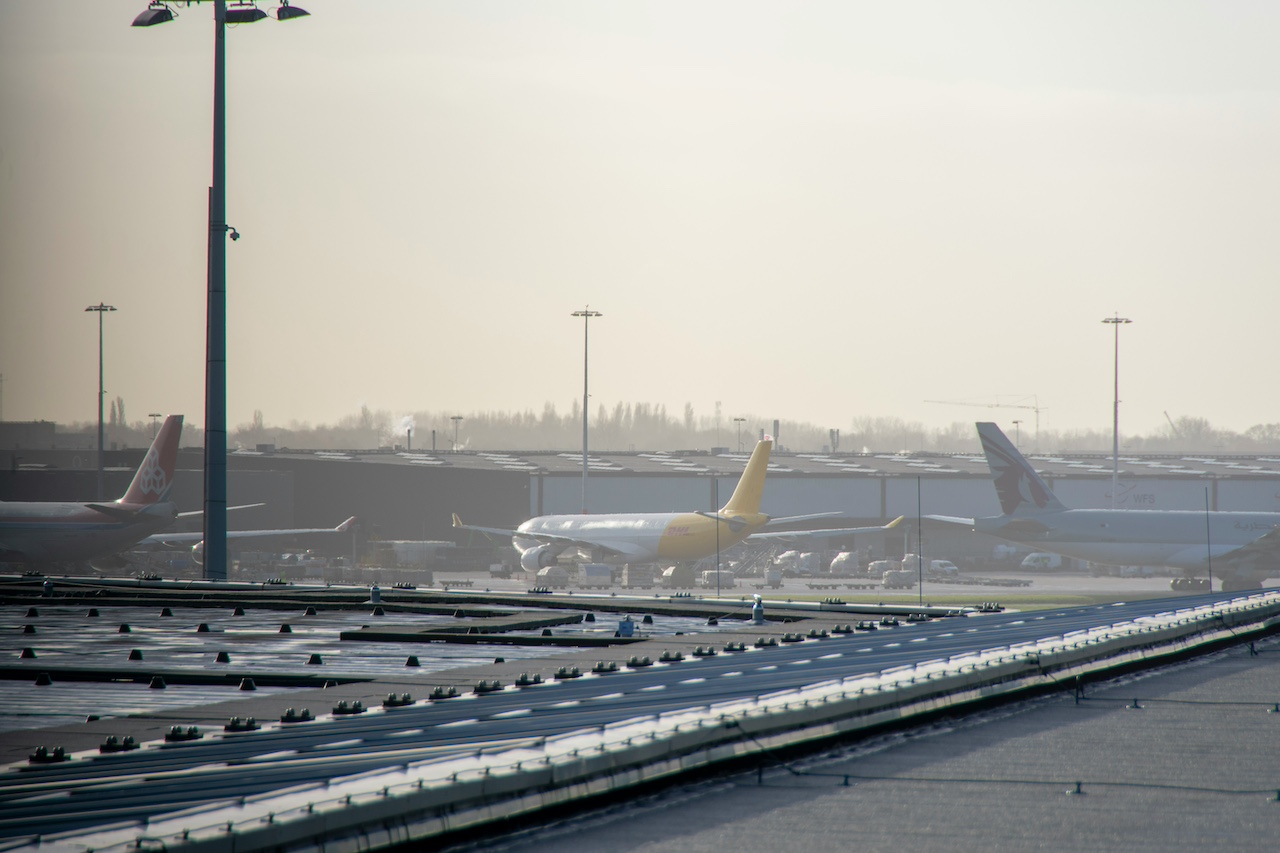
Infrastructural constraints also exist. Several major European hubs in Belgium, the Netherlands, Switzerland and Germany rely on NATO-operated CEPS pipelines for fuel distribution.
The EU is required to maintain a 90-day emergency stockpile of oil products. Officials have indicated that a coordinated release of jet fuel reserves could be considered if supply disruptions persist.
However, jet fuel stocks are uneven across Europe. Spain, for example, operates eight refineries and is a net exporter of jet fuel. It has also received special permission from Iran to transit through the Strait of Hormuz. In contrast, several central and northern EU are far more vulnerable, highlighting possible further challenges among the 27 member states.
Fatih Birol, chief of the International Energy Agency, said Europe may have “maybe six weeks or so” of jet fuel left, identifying France and Germany as particularly vulnerable. The IEA has warned that shortages could occur by June if reduced flows from the Middle East are not offset by alternative supplies. It adds that replacement supplies from the US and Africa are unlikely to offset the expected shortfall.
Europe’s airport industry group, ACI Europe, has put the timeline for potential systemic disruptions at three weeks if flows through the Strait of Hormuz do not resume.
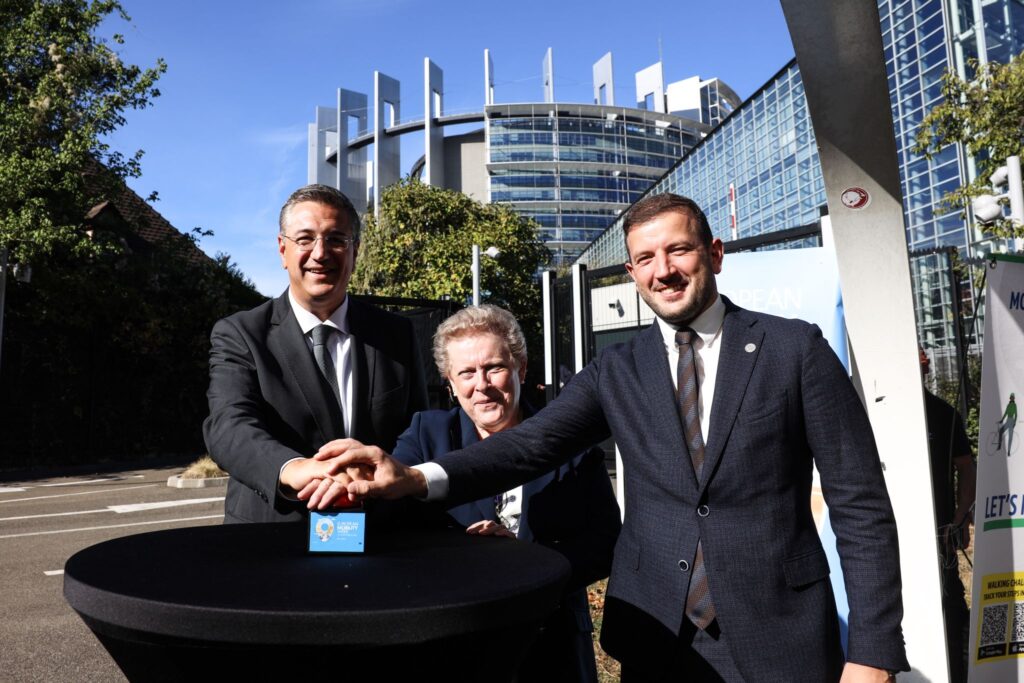
EU officials have, however, dismissed alarmist assessments. Apostolos Tzitzikostas said there is ‘no indication’ of widespread disruption, stating that reports suggesting Europe is close to running out of jet fuel are inaccurate.
Anna-Kaisa Itkonen, the Commission’s transport spokesperson, said that Brussels is preparing coordinated action should fuel flows from the Gulf fail to resume.
The forthcoming EU measures will not apply to Britain, as it is no longer part of the bloc. The UK imports around 65% of its jet fuel.