
Spirit Airlines is at risk of liquidation, putting thousands of customer bookings in jeopardy, unnamed sources have told Bloomberg. A rescue plan for the troubled US low cost carrier that would have seen it come out of bankruptcy by summer 2026 is under strain because of high jet fuel prices since the start the Israeli-US war on Iran in late February, the reports say.
The hostilities resulted in the closure of the Strait of Hormuz, blocking almost 20% of the world’s oil supplies. The crisis has seen fuel prices rise to almost double the cost Spirit had planned for, according to financials released in March.
The reports indicate the airline could be liquidated within as soon as a week, though this is not the expected outcome. For now, its flights are unaffected, with a spokesperson telling The Independent, “We don’t comment on market rumors and speculation. Our operations continue as normal.”
Spirit airlines trading is currently HALTED. pic.twitter.com/uwRXLpm3wE
— Russ Faigen (@RussFaigen) April 16, 2026
When struggling airlines are taken over by another operator, fares and bookings are often honoured by the acquiring party, but in the event of sudden collapse bookings are usually voided immediately. Customers in that situation are often left without support and find they must pay again to book expensive last-minute travel with an alternative airline or seek other means of transport.
While experts such as Katy Going’s Nastro have recognised that ticket holders will be concerned about being “stranded,” they also advise people not to panic, highlighting that cancelled bookings mean “you forfeit your right to a refund if there’s still some money left over to be able to do so.”
The fuel crisis is now grounding planes. It will not stop there.
— Neil McCoy-Ward (@NeilMcCoyWard) April 17, 2026
Lufthansa just became the first major airline to ground aircraft because of the fuel crisis, taking 27 planes out of service immediately alongside four older jets.
Nigerian airlines warned this week they may stop… pic.twitter.com/ywRm0ccvY6
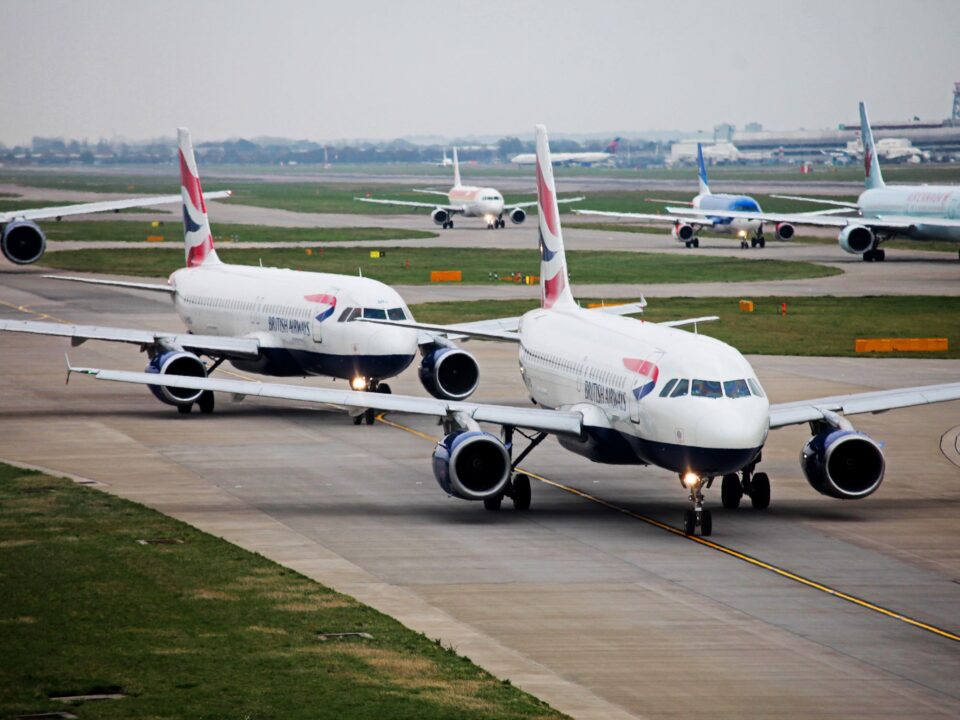
The impact of the fuel crisis has been seen not only in the US, but across the worldwide aviation sector, with carriers such as British Airways, Cathay Pacific, and Qatar Airways, cancelling Middle East routes, investing seat capacity elsewhere, and “parking” aircraft in unusual places. Regional airports are particularly vulnerable to cancellations, with a knock-on effect on areas that depend on them, the director-general of Airports Council International, Europe, Olivier Jankovec has flagged in a letter to European commissioners. Smaller hubs typically have only around a month’s supply of fuel, meaning airlines unable to refuel there are likely to deprioritise them as reserves diminish. Aviation accounts for €851 billion or around five percent of Europe’s GDP, supporting around 14 million jobs in the bloc.
With ceasefire negotiations still fragile, several ships, including cruise liners, have been able to leave the Arabian Gulf, safely passing through the Strait of Hormuz despite threats and near misses. Fuel prices fell in the immediate wake of the strait’s reopening, which came as commentators warned Europe was only weeks away from shortages, but it remains unclear whether the vital passage will remain unlocked and how that will affect Spirit’s status.