In an attempt to challenge the trend of airlines squeezing more money out of travellers while reducing their space, Virgin Australia has launched a ‘Neighbour-Free Seating’ scheme. This allows economy passengers to ensure that the middle seat next to them stays empty for the duration of the flight.
Starting this month on selected domestic and short-haul routes, the initiative is intended to provide travellers with greater comfort and privacy without the need to upgrade to business class. According to Virgin, the scheme is “set to transform the way Australians travel by letting guests enjoy more space at an affordable price”.
Passengers wishing to enjoy the extra room must place a bid via the Virgin Australia app. The system is straightforward: any eligible economy passenger can submit a bid to reserve the seat beside them. Bids start at AU$30 (approximately €18), and travellers will be notified two hours before departure if their bid has been successful.
This initiative is a response to a 2023 survey, which revealed that 42% of travellers would pay extra to ensure the middle seat is left empty on international flights of more than three hours, and 35% would do so on shorter domestic flights.
Virgin Australia’s Chief Commercial Officer, Libby Minogue, explained that the scheme is designed to give travellers “the certainty of extra space without the price tag”.
“This initiative is a direct response to what our customers have told us they want, and it will transform the experience for those who want more comfort and space during their flight,” she added.
However, the system does have limitations: only passengers travelling with one or two other people can participate, and only one extra seat can be reserved per booking. The scheme does not include an additional baggage allowance, and travellers seated in Economy X or Business Class cannot bid.
The benefits of Velocity Gold, Platinum, Platinum Plus, and Forever Gold cards (the latter two of which are launching on 1 October 2025) will not be affected.
If a new customer books a seat after a bid has been placed, the bid will be automatically cancelled and the bidder will be issued a refund.
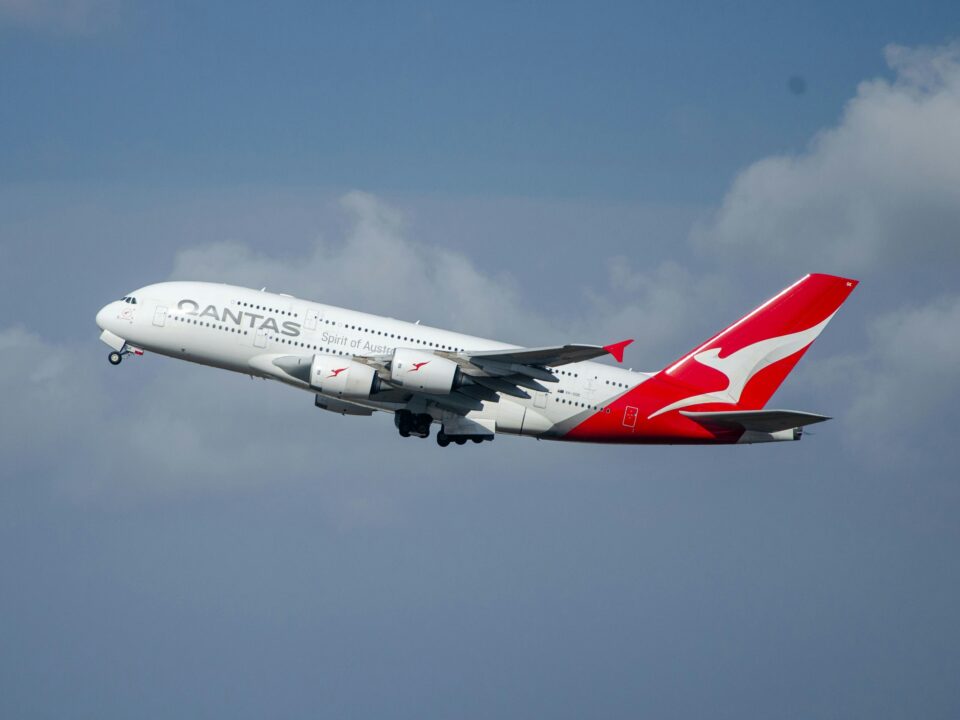
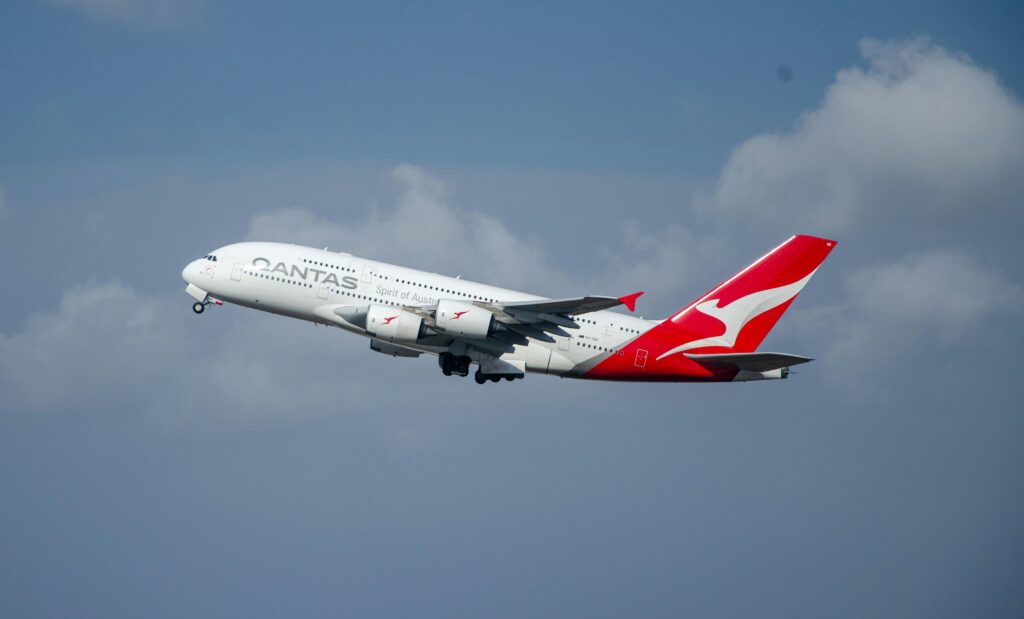
Other airlines have introduced similar products. For example, Qantas offers ‘Neighbour Free’ on some domestic and international routes, while Air France allows passengers to secure up to three adjacent seats. This can potentially cause friction. Until now, passengers stretching out over four seats on a long-haul flight could be politely asked to move. If those rows are officially ‘owned’, the option to ask them to move disappears, leaving some passengers squeezed in the middle of the cabin between families with babies, while entire rows are blocked off for just one passenger.
A second source of friction lies in the bidding process itself. Two passengers competing for the same seat may end up sitting next to each other, comparing notes and realising that, had they joined forces, they could have secured the space for a fraction of the price. From there, it is only a short step to groups forming to pair up travellers keen to pool their bids.