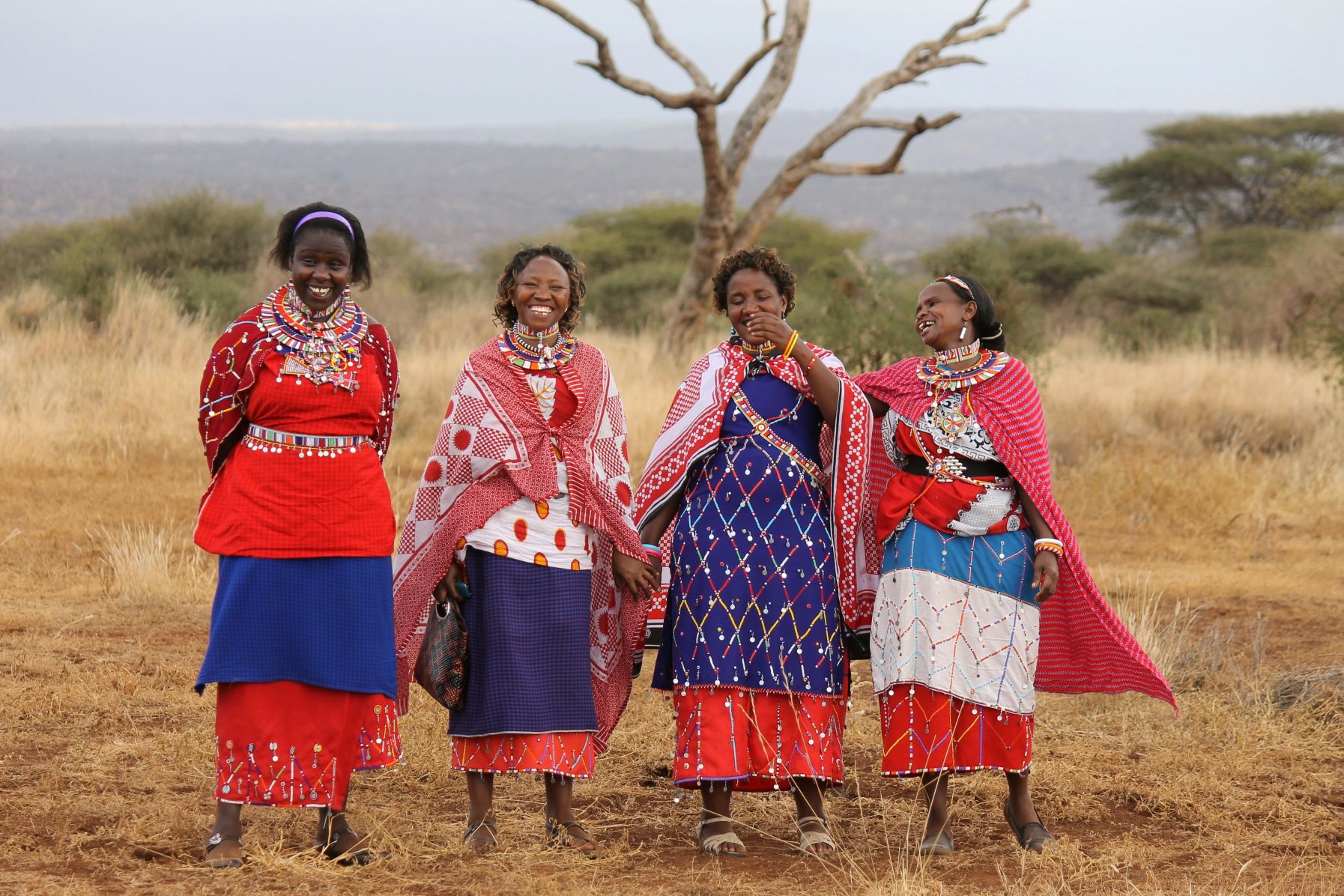

This is the first in a four-part series exploring Naibunga Lower through the lives, experiences and stories of the women who call this part of Northern Kenya home.
The car left the busy streets of Nanyuki. A colourful selection of shops started parading within the frame of the car window: from motorbike mechanics to basket sellers, water suppliers, artists and even grocery stalls.
I’d just crossed the Equator a few miles before entering the town, and I knew for sure that the sun was at its zenith; both the car temperature and my skin could confirm it. However, the heat couldn’t mask my excitement at taking the bumpy road again and leaving civilisation behind.
This time, though, I needed a map. The majority of Kenyans I had shared my travel plans with hadn’t heard of Naibunga Lower Conservancy either, including my experienced driver.
The adventure for me really started when the car turned left at Il Polei village – thirty miles away from Nanyuki’s shops – and I saw Ellens Rock disappearing in the back window, waving goodbye to Rosemary and the other women of Twala Tenebo.
I noticed Gabriel, the driver, breathe a sigh of relief as soon as we left the village after the sharp left turn, because the road became smooth again and his car stopped its shaky, bumpy dance over the terrain.
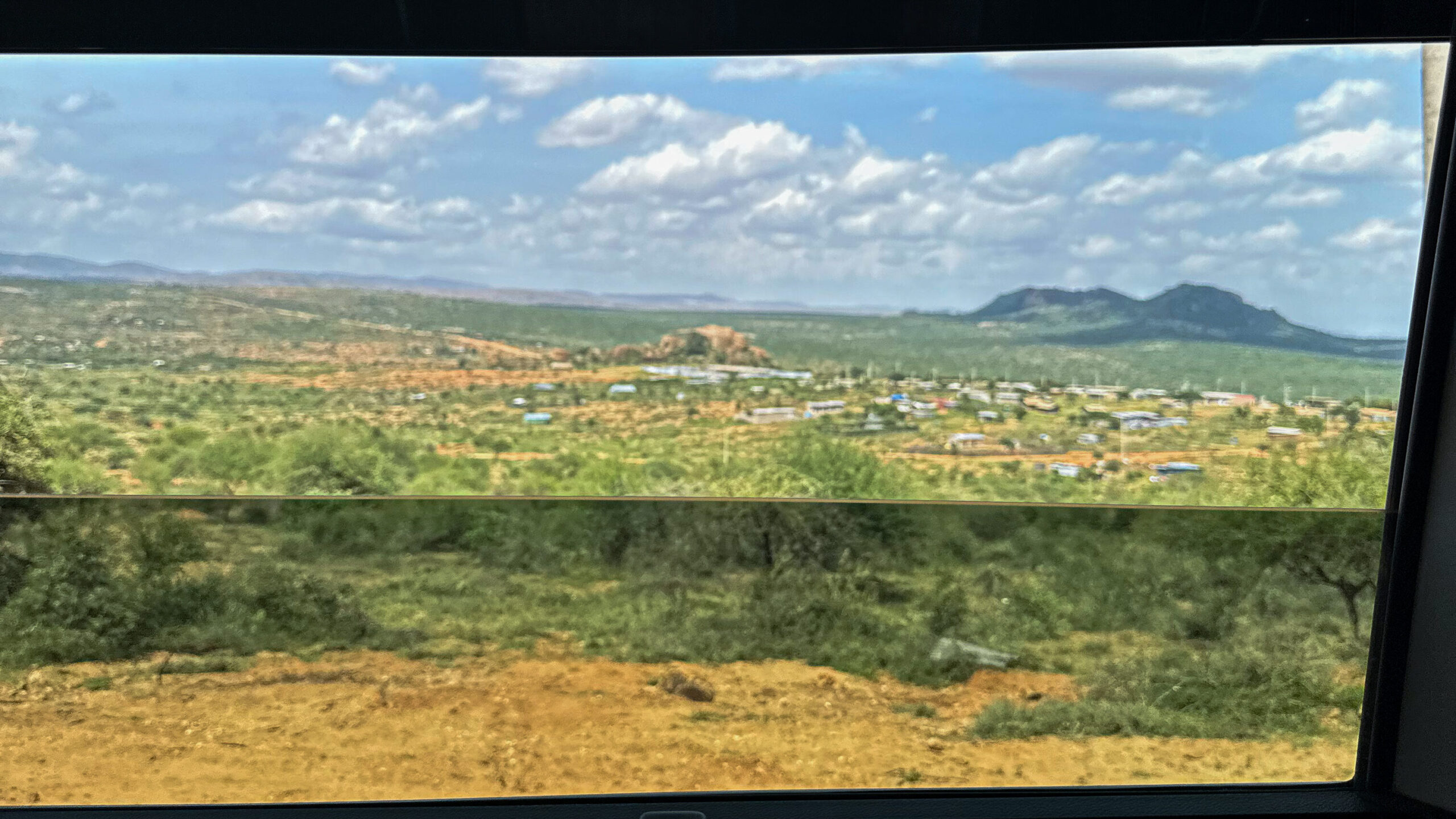
The road rose swiftly, and not long after, we were presented with 360 degrees of green and open spaces, except for the few tin roofs of Il Polei village, quickly disappearing from our sight below the hill we were still climbing.
I was still finishing the fresh fruit on my breakfast plate when Francis Sapuro – the Conservancy Manager – entered the living room of the lodge where I had comfortably spent the night.
We had exchanged a few emails and briefly chatted over the phone when I was still in Naivasha. Now, on Maasai land, it was time for me to fully understand the place I had been invited to by the Kenya Wildlife Conservancies Association – KWCA.
Like all the other Community Conservancies in Kenya, Naibunga Lower is fully owned and managed by the local communities that traditionally call this place home. Its legal history began in 2004.
It has a population of approximately 8,300 individuals, who belong to three communities:
- Koija
- Ilmotiook
- Tiamamut
I was delighted to hear that Kajwang, as Francis is known here, had modified my initial schedule so that I could meet with the three women’s groups – one from each community – in the context where they operate daily.
One of the main reasons tourists visit the northernmost part of Laikipia County is to see the charming and rare black panther, the dark-pigmented leopard. This is, in fact, one of the few locations in East Africa where one can spot it. When visitors come, they also find themselves immersed in a peaceful and remote environment, and I tend to believe that more and more people are consciously choosing this tranquillity over the long queues of vehicles in the far more famous and glamorous Maasai Mara — or soon will.
If someone is in search of a deep travel experience, this is the place to be. I learned from the lodge’s local Maasai guide, Peter, who showed me around on the evening of my arrival, that the opportunities to encounter wildlife are naturally increased by the fact that animals and humans coexist nowadays, as they always have traditionally.
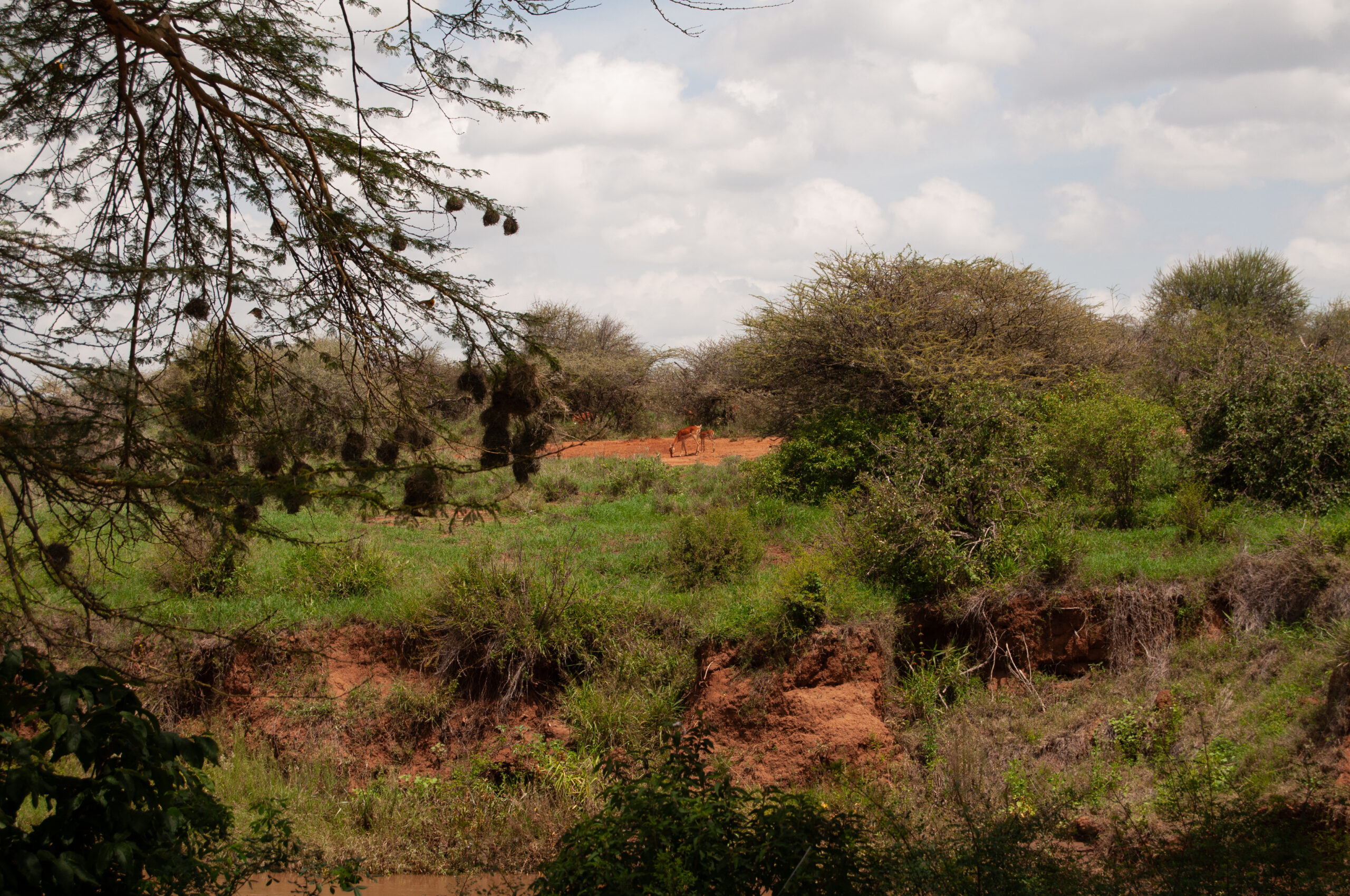
Seeing elephants, zebras, impalas, giraffes and other animals can happen unexpectedly, and perhaps more often than announced when you are outside the perimeter of the lodge.
Human-wildlife coexistence is a reality in the Community Conservancy.
We were walking in the bed of a temporary river that had dried up again that morning, as it does regularly in this season, when Peter told me about his latest encounter with an elephant while grazing his family’s cows a few days earlier. For a second, I realised that the chance of meeting an elephant on its evening stroll wasn’t that remote after all.
I spotted animal footprints crossing the riverbed; wild noises came from the distance. “There must be a cat around; those noises are a warning sign from the other animals moving away”, Peter commented and continued walking calmly, his stick resting across both shoulders, his arms comfortably lounging on each end. I mirrored his tranquil steps, but my legs felt slightly wobbly for a moment. I blamed the sandy terrain, not the emotional reaction that was going on inside me.
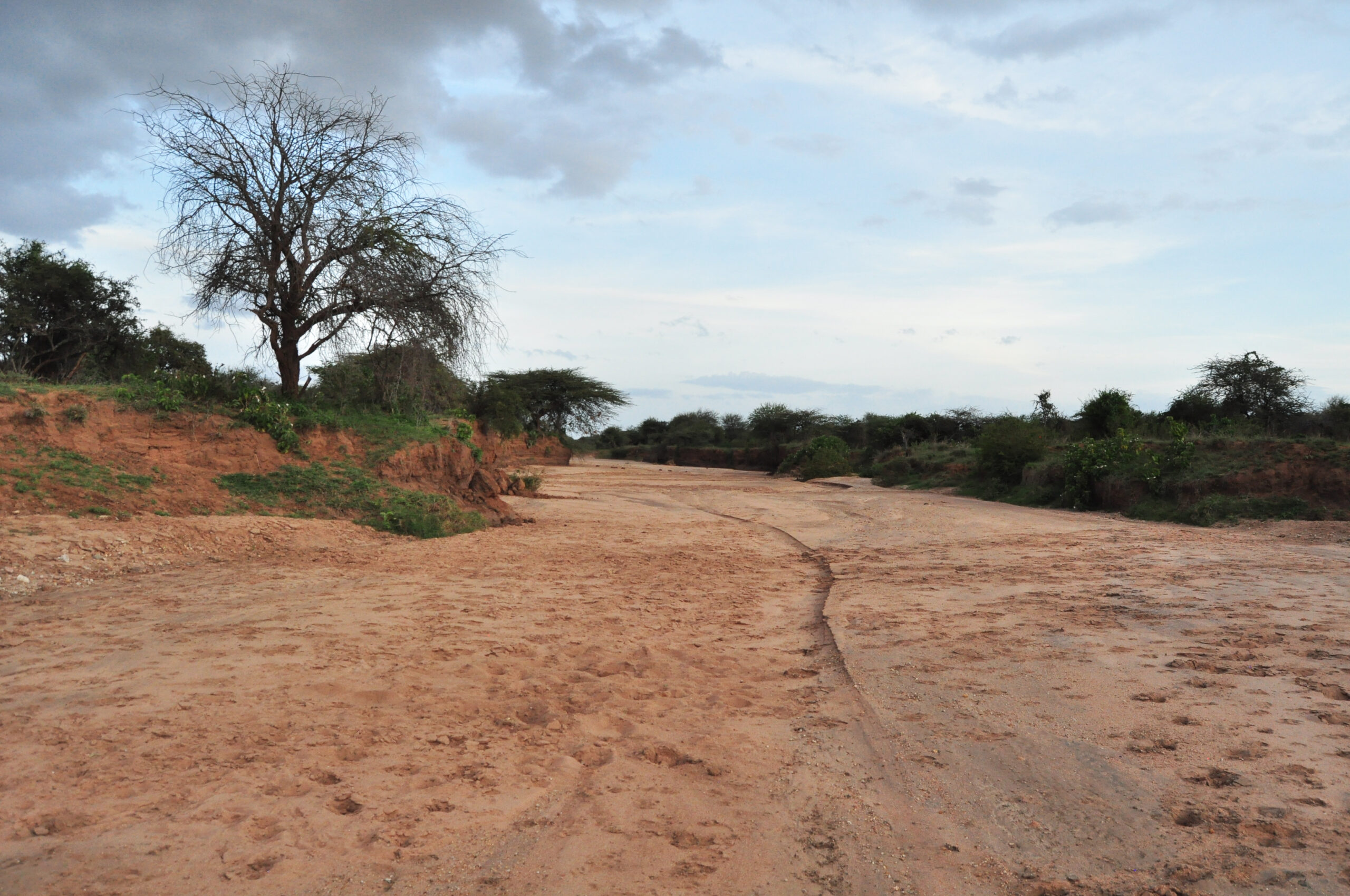
I was on Maasai land, walking on the land of his ancestors. I held that thought for a little longer, until my legs felt steady again. I took another step in the dry riverbed. This is how things are here, unfiltered.
I swallowed the last sip of my freshly brewed coffee and deeply thanked Kajwang for the interesting briefing on the conservancy’s governance.
At that moment, a rush of anticipation came over me. I quickly stood up and grabbed my bags with a broad smile, then stood waiting next to the solid wooden table. My intentions were clear to all: I was ready to meet the women.