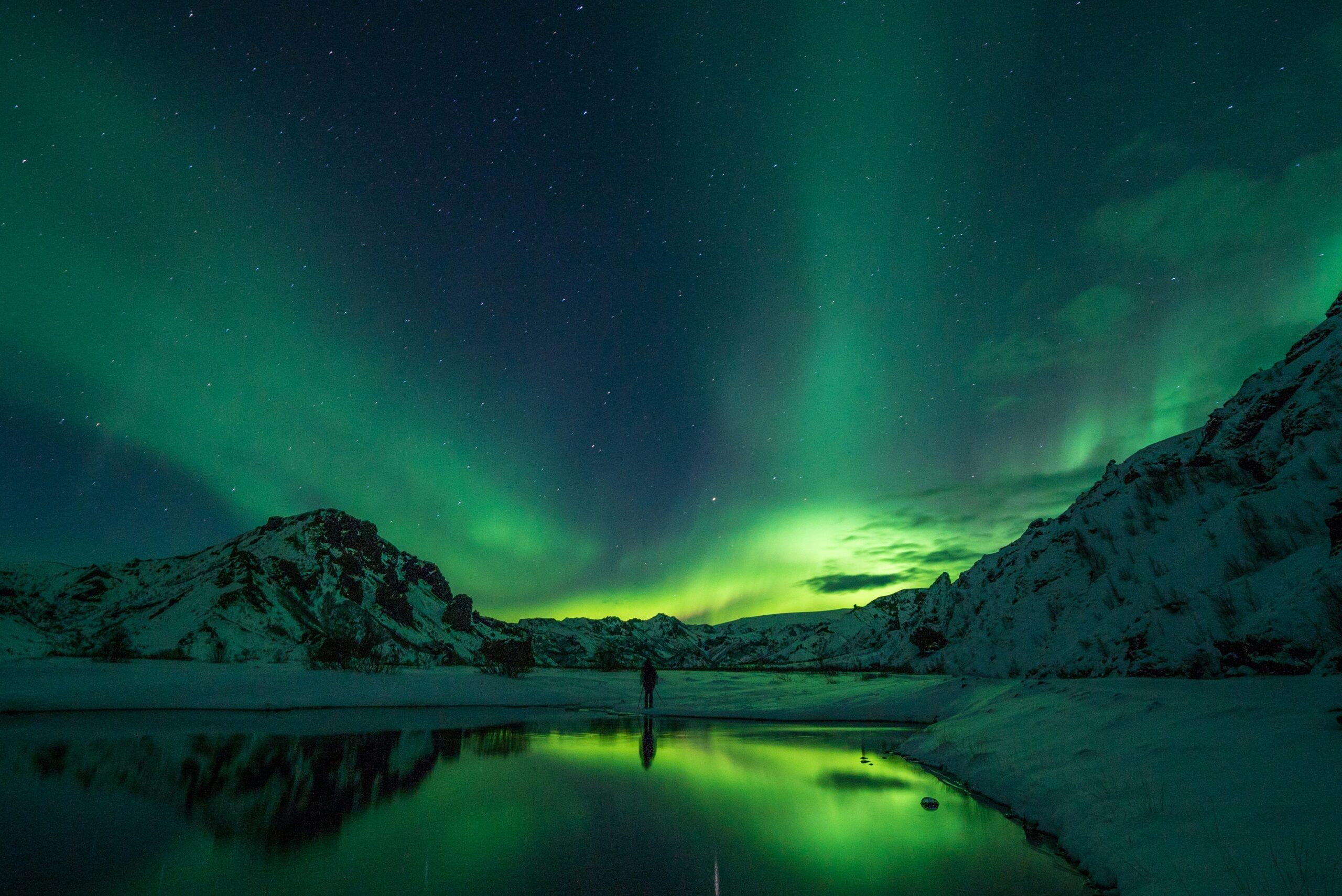


More travellers are discovering the magic of destinations after dark, fueling one of the fastest-growing trends in travel. Noctourism is all about exploring destinations after dark, and it is now gaining momentum worldwide. Instead of traditional daytime sightseeing, travellers are turning to dark-sky parks, night safaris, or evenings spent stargazing or watching the Northern Lights. A 2024 Booking.com survey showed that 62 per cent of holidaymakers across 33 countries were considering night-time trips, reflecting a surge in demand.
The shift is also driven by the opportunity to enjoy popular spots without crowds and view destinations in a different light. National Geographic reports that countries and cities worldwide are investing in designated dark-sky zones, night-friendly tourism attractions and guided experiences for travellers seeking nocturnal exploration.
This winter promises an extraordinary show for fans of the night sky as the natural phenomenon of the Aurora Borealis (Northern Lights) aligns perfectly with the rising travel trend of Noctourism, offering travellers a rare opportunity to witness one of nature’s greatest displays in the best possible conditions.
Scientists at NASA confirm that solar activity is currently nearing the peak phase of its approximately 11-year cycle, and during this period, the sun sends more charged particles into the Earth’s magnetic field, dramatically enhancing the intensity and reach of auroral displays. As a result, the coming winter months — especially from late autumn through early spring in high-latitude regions — are expected to be the most favourable for aurora viewing in over a decade, meaning it’s the best timing to capture more frequent and vivid light shows across the sky.
This places the Northern Lights at the front line of noctourism: a must-see not just for nature-lovers but for anyone seeking memorable travel moments under the stars. Travel companies say demand for trips specifically timed and located to maximise aurora sightings is already off the charts. With longer nights, darker skies and low light pollution in key viewing areas, winter provides the best conditions for aurora spotting, giving travellers more hours and a greater experience.
During the 2024/2025 winter season, eSky Group reported a sharp rise in interest in Nordic destinations. Finland recorded the biggest jump, with bookings up by 2,300 per cent, while Iceland currently holds the highest overall volume, having seen a 2,200 per cent increase in the past year.
So where are the best places to catch the show?
- Iceland, with the official Northern Lights season running from September to March.
- Finland, particularly its northern Lapland region: Bookings there are skyrocketing, and accommodation options include unique stays like glass igloos that offer aurora views from your bed.
- Norway, Northern areas such as around Tromsø, combine good accessibility and high aurora-probability. Bookings to Norway have soared by 126 % in one year.
- Sweden, especially parks like Abisko National Park, famous for its “blue hole” of clear sky, is widely regarded as one of the most scientifically reliable places to spot the natural phenomena.
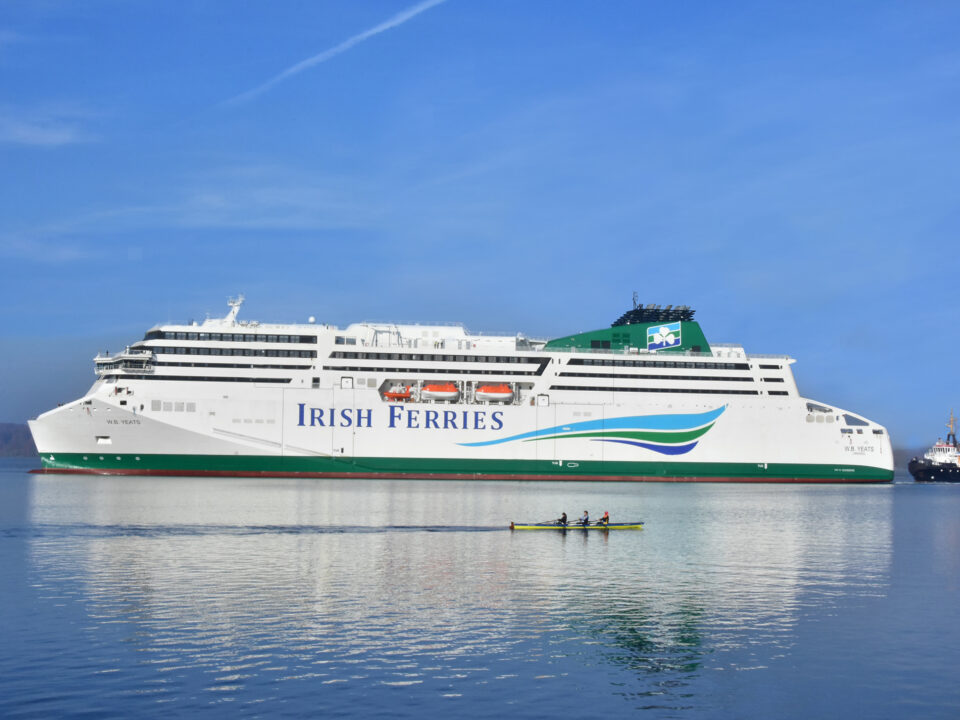
Cruise operators have also entered the trend by designing voyages that focus on after-dark experiences rather than typical daytime excursions. Winter voyages through Norway and the Arctic Circle are increasingly marketed around nocturnal sightings, including Northern Lights viewings from deck and excursions in low-light environments. Some cruise lines now schedule routes specifically along known auroral pathways during peak winter months.
According to World of Cruising, many itineraries now feature overnight stays in port and late-night departures, allowing guests to explore destinations under the stars. Seabourn Cruise Line invites guests to enjoy stargazing in remote regions of Australia, attend evening concerts in illuminated ancient sites of Odeon theatre, and even snorkel at night in manta-ray populated waters in Kona, Hawaii.
Fred. Olsen Cruise Lines offers overnight port calls that allow passengers to visit Christmas markets and see cities like Tallinn illuminated after dark. Many itineraries also include stargazing sessions led by astronomers, featuring laser-guided constellation tours and stories linked to nautical folklore. Azamara Cruises has also expanded its “AzAmazing Evenings”, hosting complimentary nighttime events showcasing local music, culture and cuisine during double-overnight stays.
With solar activity nearing its strongest point in a decade and demand for night-centred travel continuing to rise, tourism operators expect this winter’s aurora season to be one of the most memorable in recent years. According to Euronews, many destinations are already advising visitors to book early, as flights, tours and remote accommodations are filling quickly for the coming months.
For many travellers, noctourism offers a quieter, slower alternative to daytime tourism and a chance to experience destinations from a different perspective. For those ready to embrace the dark hours and travel a little farther north, the lights may not just dance — they may dazzle.