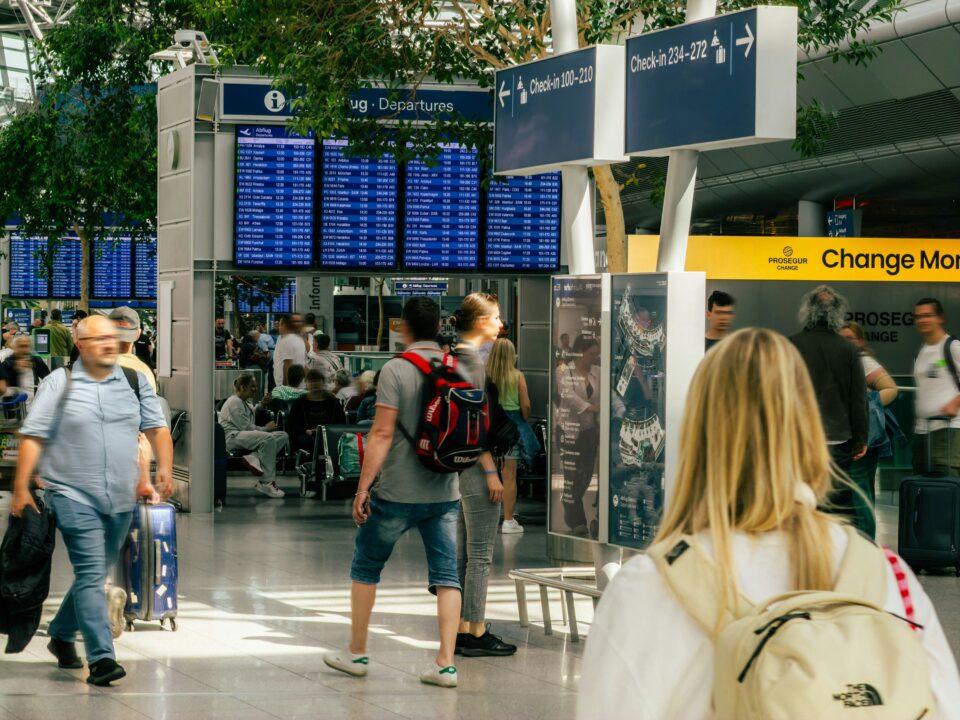
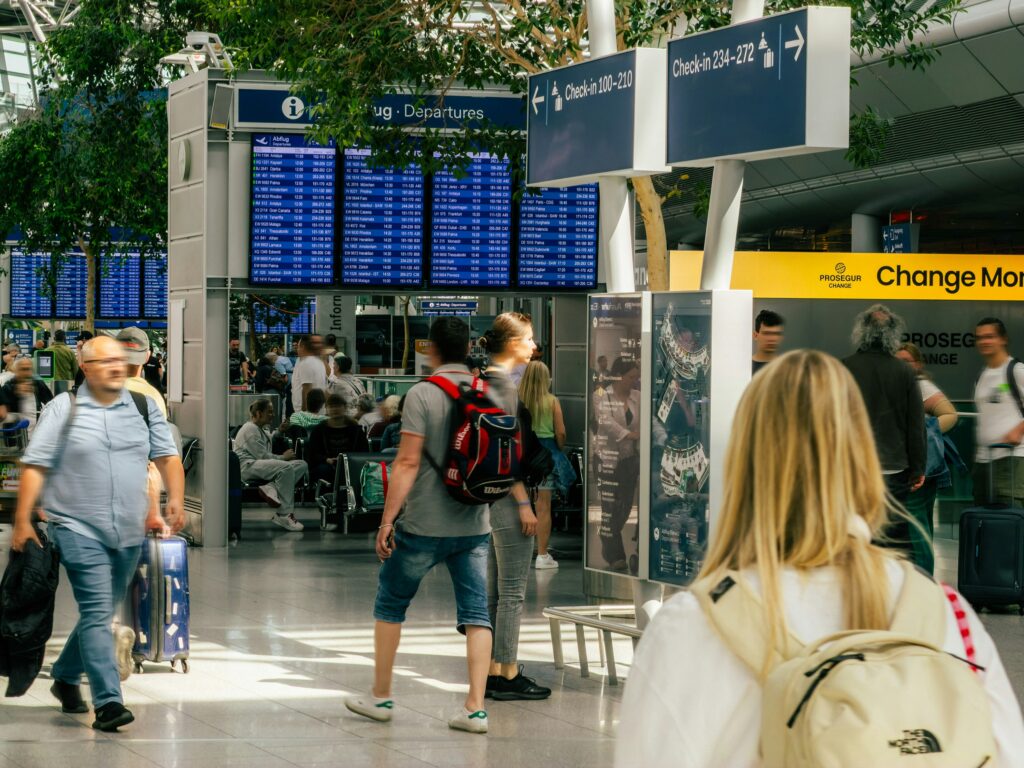
Chaos has spread across Indian airports since last week, after IndiGo, the country’s largest airline, cancelled more than 4,500 flights between 2 December and 10 December. On Monday alone, over 500 flights were scrapped across Delhi, Chennai, and Bengaluru due to crew shortages and the airline’s inability to adapt to the stricter Flight Duty Time Limitations (FDTL) issued by the Directorate General of Civil Aviation (DGCA) to improve pilots’ conditions, reduce fatigue, and ultimately improve passenger safety.
The disruption began almost immediately on 2 December when the new rules came into force, triggering cascading delays. Videos of exasperated passengers quickly flooded social media, and security forces were deployed to some airports to restore order. “INDIA’S SKY IS ON FIRE RIGHT NOW… This isn’t fog. This isn’t bad luck. This is the #IndiGoCrisis,” posted one user on X, while others joked that the airline had effectively rebranded as “#itsnotgoing.”
@danielalexander339 The IndiGo crisis #indigo #indian #india #Bengaluru #indiatiktok ♬ original sound – Daniel Alexander
The FDTL package, announced last year, extends mandatory rest periods, caps night-flying hours, limits the number of night landings, and requires quarterly fatigue reports. Over the past two years, other Indian carriers, namely Air India and the low-cost airline Akasa Air, have recruited additional pilots, strengthened rosters, and reduced some international operations in order to comply.
IndiGo did not. Pilot unions and aviation analysts have accused the airline of “negligence and lack of planning.”
On 4 December, the Federation of Indian Pilots said that, despite the two-year preparatory period before the full implementation of the FDTL, the airline had “inexplicably adopted a hiring freeze, entered non-poaching arrangements, maintained a pay freeze for pilots through cartel-like behaviour and demonstrated other short-sighted planning practices.”
Former AirAsia CFO Vijay Gopalan described IndiGo’s approach to the new rules as “very, very lackadaisical and nonchalant.”
Reality of Aviation chaos :
— Veena Jain (@Vtxt21) December 6, 2025
> IndiGo Top management : Chilling 😎
> DGCA officials : Chilling
> Aviation Minister : Chilling
> Prime Minister : Chilling
> Other Airlines : Making money
> IndiGo ground staff : Suffering 😔
> Passengers : Suffering
pic.twitter.com/2x6JCwpNmS
The scale of the public outcry eventually forced the government to intervene. The authorities introduced fare caps to prevent price gouging by other airlines and mandated rapid refunds for cancelled flights. According to the Ministry of Civil Aviation, a total of 955,591 bookings (PNRs) were cancelled and refunded, totalling ₹827 crore (approximately €91 million).
The DGCA also granted IndiGo a temporary exemption from fully applying the new FDTL rules until February, effectively giving the company two more months to comply, time that it had failed to use over the past 18 months. Aman Singh (@liveupdates247) called it a “get out of jail free” card on X.
@danielalexander339 IndiGo crisis #india #indian #indigo #chennai #indiatiktok ♬ original sound – Daniel Alexander
This raises the central question: will IndiGo manage in two months what it failed to do in nearly two years?
According to Singh, the current situation stems from “pure greed, pure arrogance, pure humiliation on a national scale. When you own 60% of the sky, you think rules don’t apply. Verdict: Even empires crash when they fly on ego instead of wings.” IndiGo ignored an 18-month warning, expanded flights without pilots, treated crew like machines, had no backup systems, and believed it was “too big to fail.”
The crisis coincides with India’s peak wedding season, when millions of people travel domestically or return from abroad to reunite with family. This magnifies the disruption far beyond that of an ordinary operational failure.
Message from Pieter Elbers, CEO, IndiGo. pic.twitter.com/bXFdqoB0Q2
— IndiGo (@IndiGo6E) December 5, 2025
IndiGo CEO Pieter Elbers released a video message in which he apologised for the crisis and acknowledged that it would take some time to return to normal operations, which he expected to happen between 10 and 15 December. He pledged to improve communication around cancellations and refunds.
IndiGo shares have plummeted, falling from 5,921 on 26 November to 4,902 on 7 December.