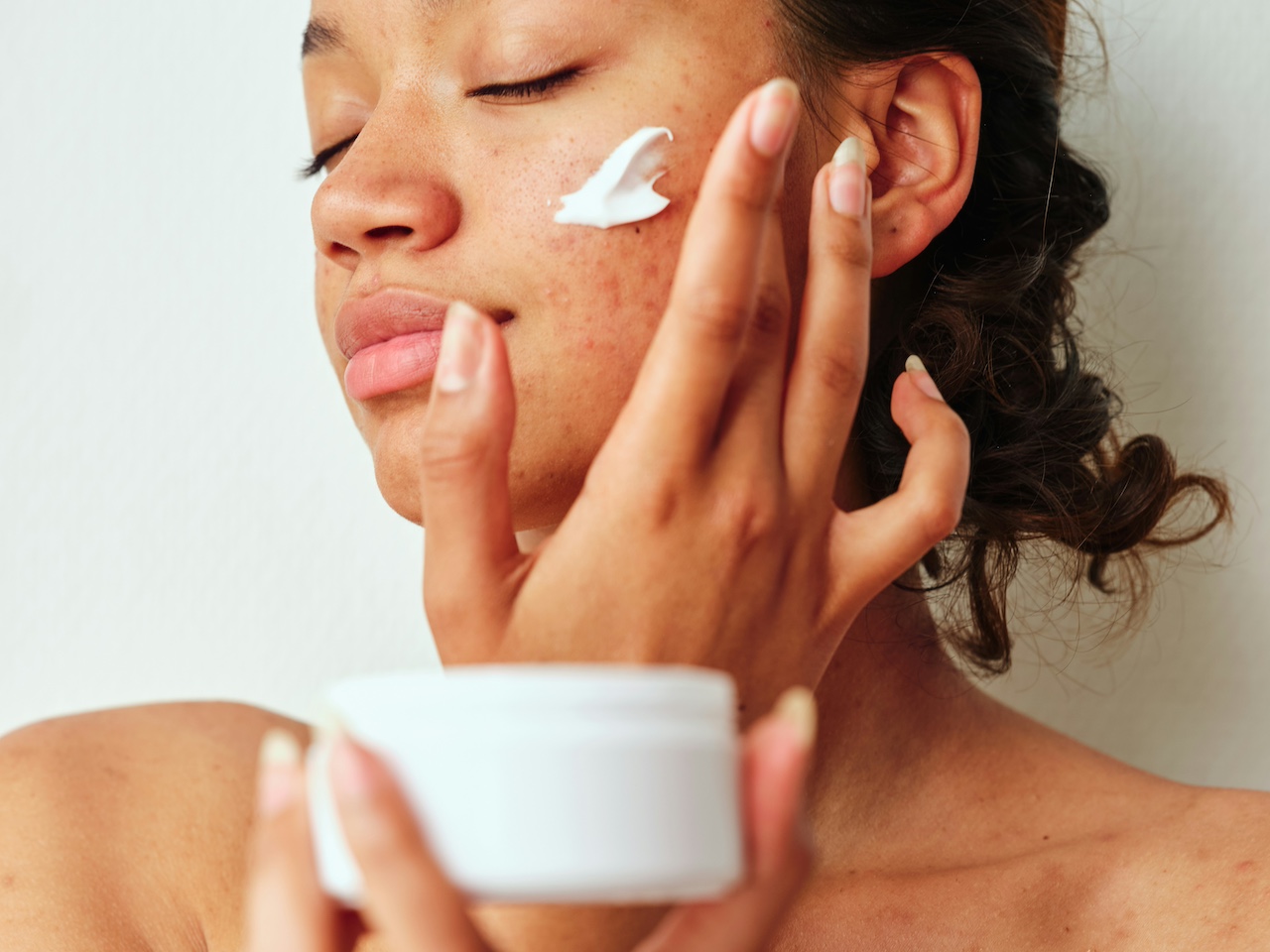


Winter is coming. This means days are growing shorter, temperatures are plummeting, and the sun is less present overall. As humans, our bodies are affected by those changes, and the most noticeable signs can perhaps be spotted on our skin. Noses turn red, hands become cracked, and scalps grow itchy. Luckily, there are some things to be done about those less-liked signs of winter.
1. Keep that body moisturised
One of the main reasons why our skin changes during the winter months is a drop in humidity. Outside, this may not always be the case – rain is common enough at the end of the year – but inside, chances are humidity levels have dropped exponentially due to central heating. And while an overly humid house is not something to aim for, too little humidity can be just as damaging for the body.
However, there are some things that need to be done about an overly dry environment. Firstly, investing in a humidifier might be well worth it if the problem is recurring. Generally speaking, one should aim for an indoor humidity of 40 to 60%. Sticking to this will not just keep the skin in better condition, but it will also reduce the risk of respiratory infections and allergic reactions.
Secondly, making sure to drink enough water will do a great deal for the skin. While during the summer months, staying hydrated seems to come more naturally, colder temperatures might not spark the urge to refill that glass of water. As our skin is our largest organ, providing it with enough water is key to keeping it in shape. Eating food that is rich in omega-3 fatty acids, such as salmon, flaxseeds, and walnuts, can also improve the skin’s ability to stay hydrated.
Finally, the skin should also be hydrated and protected in a more direct way, especially when experiencing itchiness, dry patches, or other symptoms. Richly formulated body butters should be preferred, while drying ingredients such as alcohol should be avoided at all costs. Applying a layer of oil on top of the body lotion can help to keep the moisture trapped and will provide extra protection against environmental factors such as wind or cold. Exposed parts of the body, such as hands and lips, should get some extra attention.
2. Don’t wash too much
While long, hot baths and showers are more tempting than ever during the winter months, they won’t do much good for the skin. Instead, try to limit the time spent under the shower and keep the temperature down. When using overly hot water, this will break down the natural oils of the skin, thus making it more prone to dryness.
Of course, water is not the only part of our cleaning routine that is drying to the skin. The products we use – from shampoos to body washes – also do quite a bit of damage. Especially during the winter, it is important to choose mild products with neutral pH levels to keep the skin barrier intact. Moreover, limiting the number of washes and the amount of product used will prevent the skin from drying.
3. Sunscreen remains a must
The sun might be less present during the winter months, and we might spend less time lying around on a tanning bed, but applying sunscreen remains just as important as usual.
UV rays are still doing their damage, and when spending time in the snow or on the ice, they are reflected as well – further increasing their damaging character. And although some of the consequences might not show directly, a sunburn can cause the skin to become even more flaky and dry.