


Flights in the United Arab Emirates and across the Middle East have faced major disruption in recent weeks as tensions escalated following military strikes involving the United States, Israel, and Iran. Several countries temporarily closed or restricted their airspace as a safety precaution. Thousands of flights were cancelled, and hundreds of thousands of passengers were left stranded across global travel networks. Despite these restrictions, some aircraft have continued flying through what aviation authorities call safe air corridors.
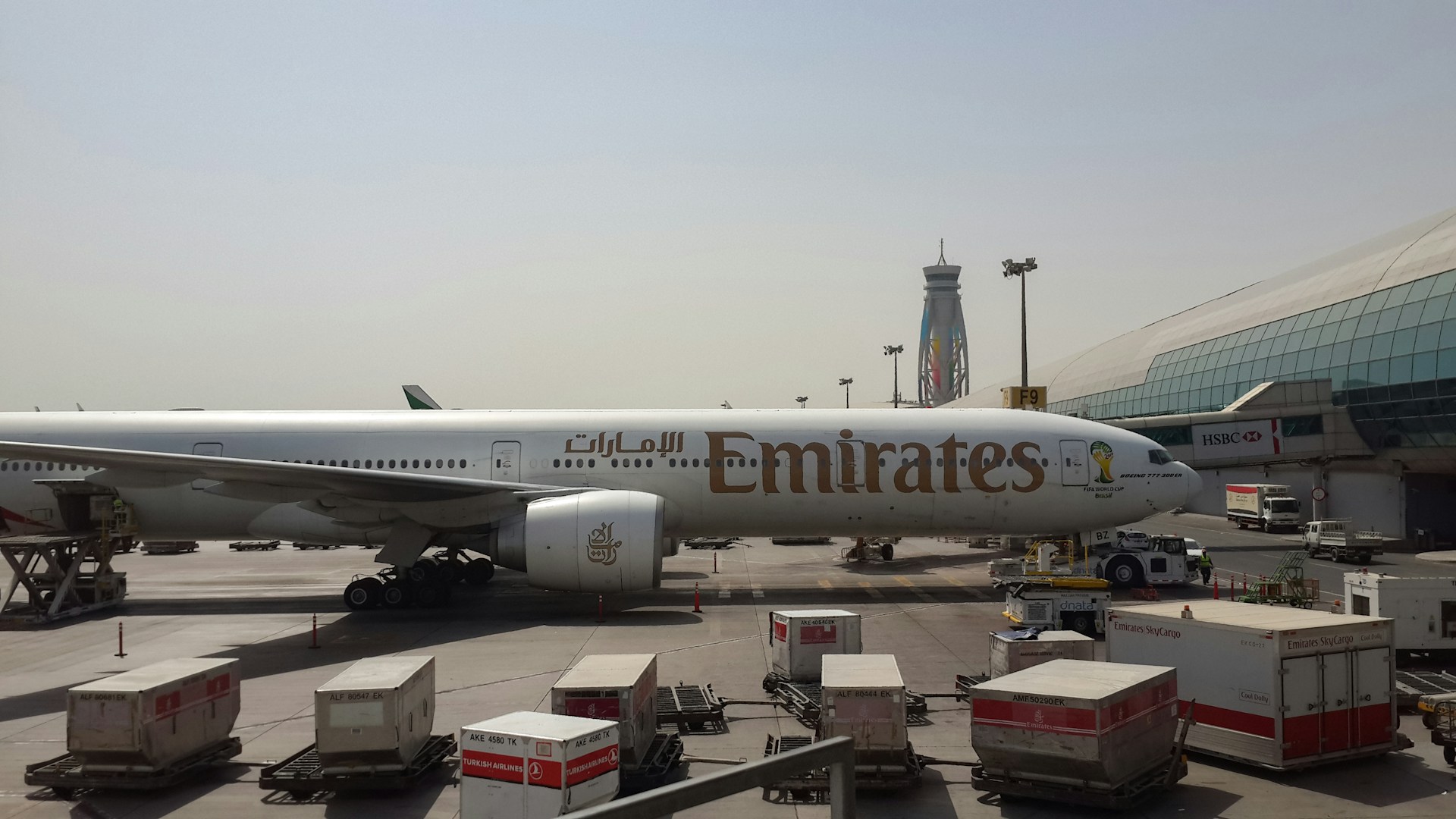
The disruption has affected major aviation hubs such as Dubai International Airport, the world’s busiest airport for international passengers. Airlines, including Emirates, Etihad Airways and Qatar Airways, suspended or reduced services as airspace across the region became restricted. At the height of the crisis, large parts of the skies over Iran, Iraq, Israel, Kuwait, Qatar and the UAE were almost empty. The disruption has been described as one of the biggest shocks to global aviation since the Covid-19 pandemic.
A safe air corridor is a predefined route through the sky that authorities consider secure enough for aircraft operations. Instead of flying freely across a large area of airspace, aircraft follow carefully defined paths and specific flight levels. Air traffic controllers monitor these routes closely to ensure aircraft remain safely separated. The system allows some flights to continue even when surrounding areas are closed because of security risks or military activity.
In the UAE, authorities introduced emergency corridors to maintain limited operations. “The capacity as of today, based on the emergency routes available, is 48 flights per hour with a possibility of increasing this figure at a later stage, according to the latest development and security ratings and measures,” said Abdulla bin Touq Al Marri during a government media briefing. This controlled capacity ensures that air traffic controllers can manage flights safely while maintaining wider separation between aircraft. The corridors also allow stranded passengers to leave the region and help airlines gradually restore parts of their schedules.
The system relies on several layers of aviation technology. Satellite navigation, radar and ADS-B tracking allow controllers to monitor aircraft in real time. Planes themselves are equipped with onboard collision avoidance systems such as ACAS or TCAS, which warn pilots if another aircraft gets too close. The global air traffic management framework coordinated by the International Civil Aviation Organization also helps countries share safety information and coordinate operations.
Modern aviation safety increasingly uses advanced data analysis to support decision-making. Artificial intelligence tools can analyse weather conditions, traffic flows, airspace restrictions and geopolitical alerts. This allows regulators and airlines to evaluate risks and adjust routes more quickly. However, the final decisions about whether flights can operate remain with aviation authorities, airline operations teams and air traffic controllers.
Creating a safe air corridor requires coordination between many organisations. National aviation regulators work with neighbouring countries and international partners to assess security risks. Air navigation service providers then design the exact routes and altitudes that aircraft must follow. These instructions are published in official aviation notices and integrated into airline flight planning systems.
Passengers may still experience delays or longer journeys when corridors are used. Flights sometimes follow longer routes to avoid restricted areas. Aircraft may also be spaced further apart to maintain safety margins. During recent disruptions, incoming planes were forced to hold in the air above Dubai while authorities briefly suspended operations after debris from an intercepted missile entered the airport’s airspace.
The effects of these disruptions reach far beyond the Middle East. Flights between Europe, Asia and Australia often pass through the region because it sits at the centre of global aviation routes. When major hubs reduce operations, airlines around the world must cancel flights or reroute aircraft. This can affect passengers travelling thousands of kilometres away from the conflict zone.
Safe air corridors, therefore, play an important role during crises. They reduce risks to civil aviation while allowing essential travel to continue. Cargo flights, tourism routes and business travel can still operate at a limited level. While conflicts can disrupt air travel across entire regions, safe air corridors allow airlines to keep passengers and cargo moving while maintaining strict safety standards.