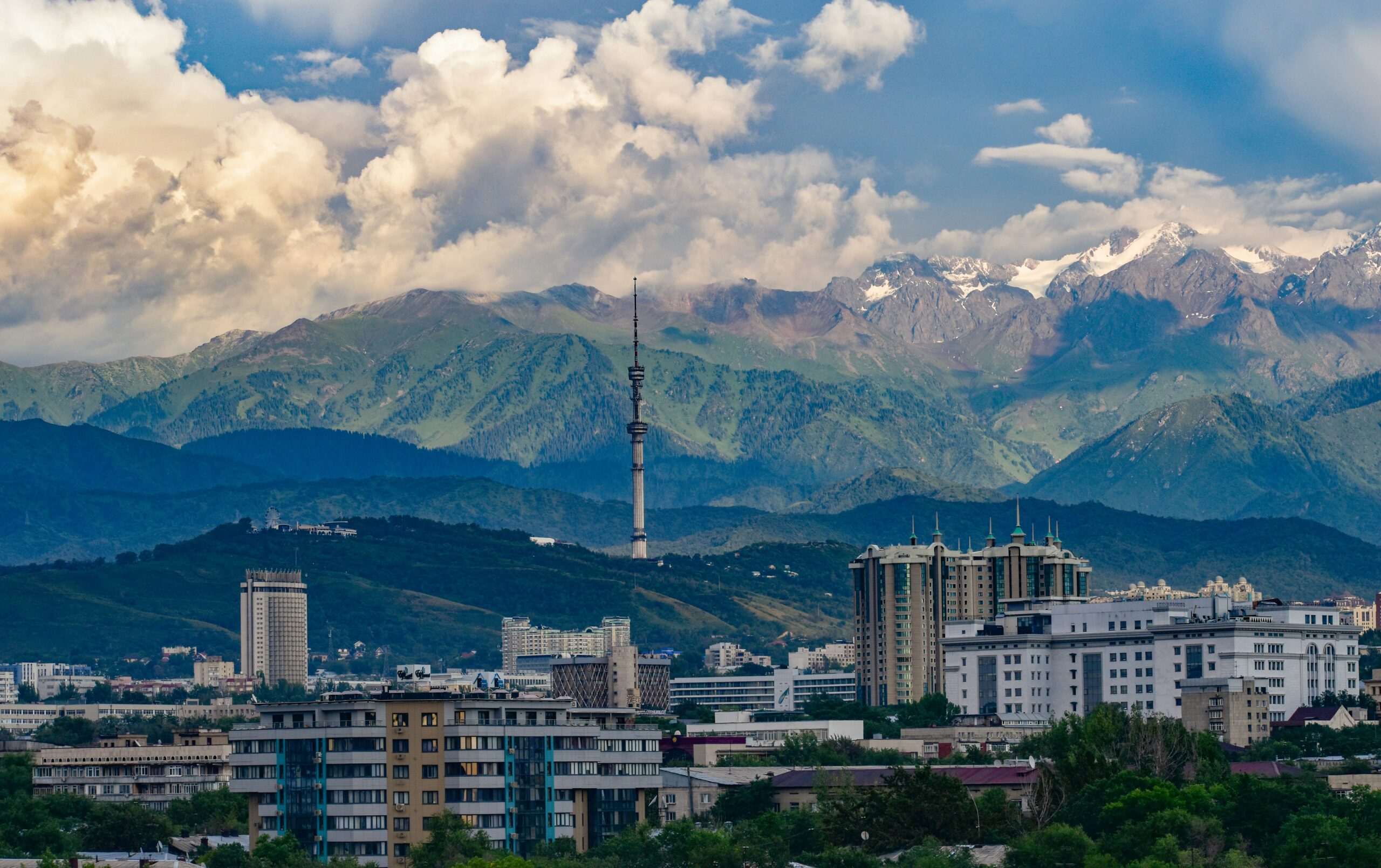



Central Asia’s urban map is changing fast. Trade diversification, youthful populations and rapid digital adoption are turning its principal cities into substantial markets and increasingly important destinations for business, tourism and international events. Tashkent, Bishkek and Dushanbe are modernising, while Shymkent and Samarkand are expanding their economic and cultural roles. However, the cities best placed to shape the region’s next phase will combine growth with economic density, finance, human capital, international connectivity and durable institutions.
Two cities, complementary strengths
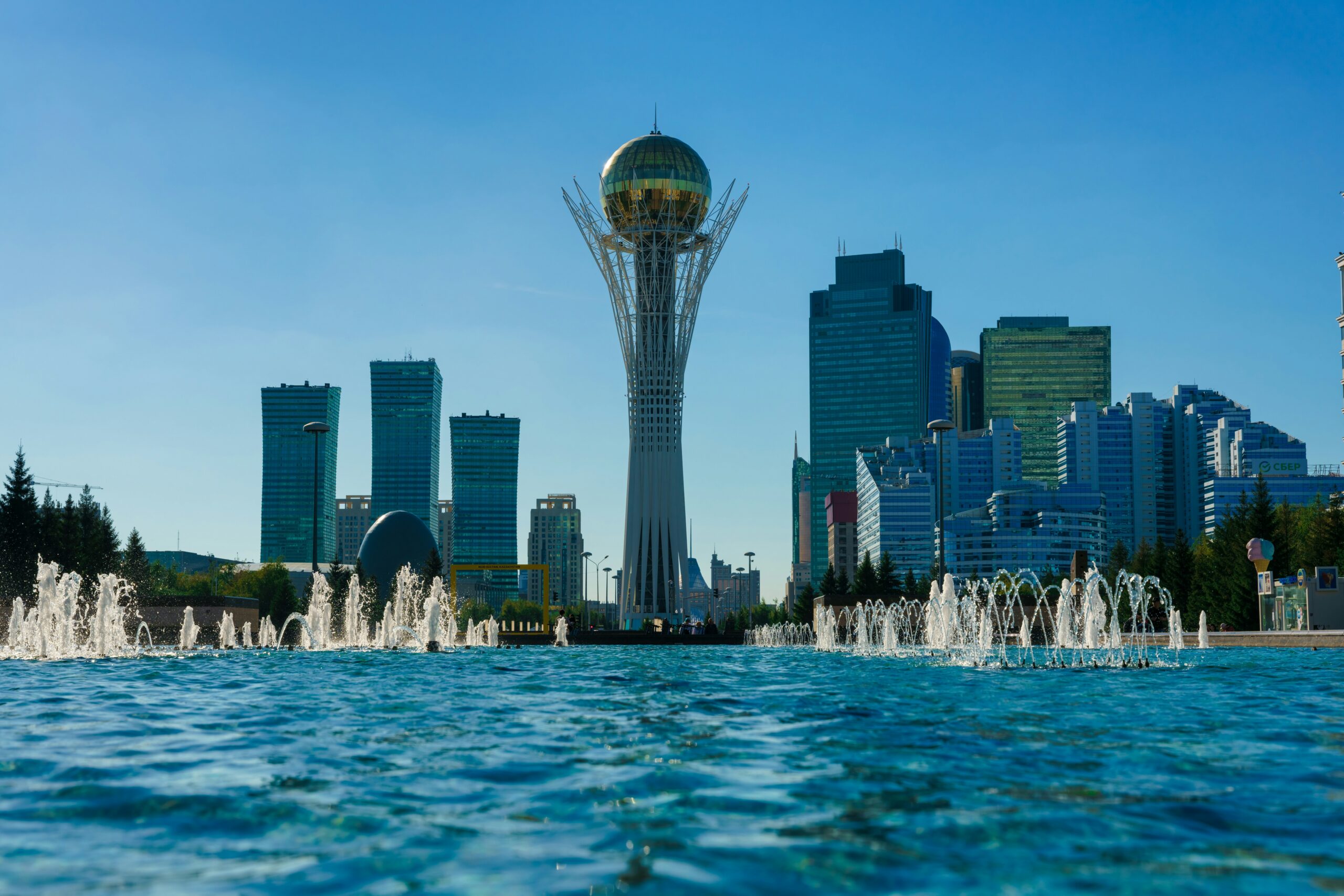
Kazakhstan has a distinctive advantage in this competition: two complementary centres. Almaty, its largest city and former capital, is the commercial, academic and cultural anchor; Astana, the national capital, adds national institutions, international finance and policy innovation. For international visitors, the contrast is equally clear: Almaty combines a major urban economy with mountain tourism and culture, while Astana has developed as a modern capital and a growing hub for international business and events.
Oxford Economics’ 2025 Global Cities Index offers one measure. Among 1,000 cities, Almaty ranked 258th and Astana 276th, the two highest positions in Central Asia, while Tashkent, the region’s largest city and a natural benchmark, ranked 471st. Almaty also placed 64th globally for human capital.
The economic base is substantial. In 2025, Almaty’s gross regional product reached KZT 36.2 trillion (about US$69.4 billion), while Astana’s was about US$37.6 billion. Together, they generated roughly 35% of Kazakhstan’s GDP. Tashkent, despite its larger population, generated about US$29 billion. Almaty and Tashkent both recorded real growth of 11.3%, meaning Almaty expanded at the same pace but from more than twice the economic base.
Astana is developing particularly quickly. Its population increased by more than 110,000, or 7%, in 2025, while 4.8 million square metres of housing were commissioned. The capital attracted around US$4.9 billion in fixed-capital investment, while gross foreign direct investment inflows reached US$4.1 billion, 2.6 times the previous year’s level. SMEs accounted for 65.9% of GRP, pointing to a broader private economy developing alongside the city’s role as an administrative centre.
Finance, talent and technology
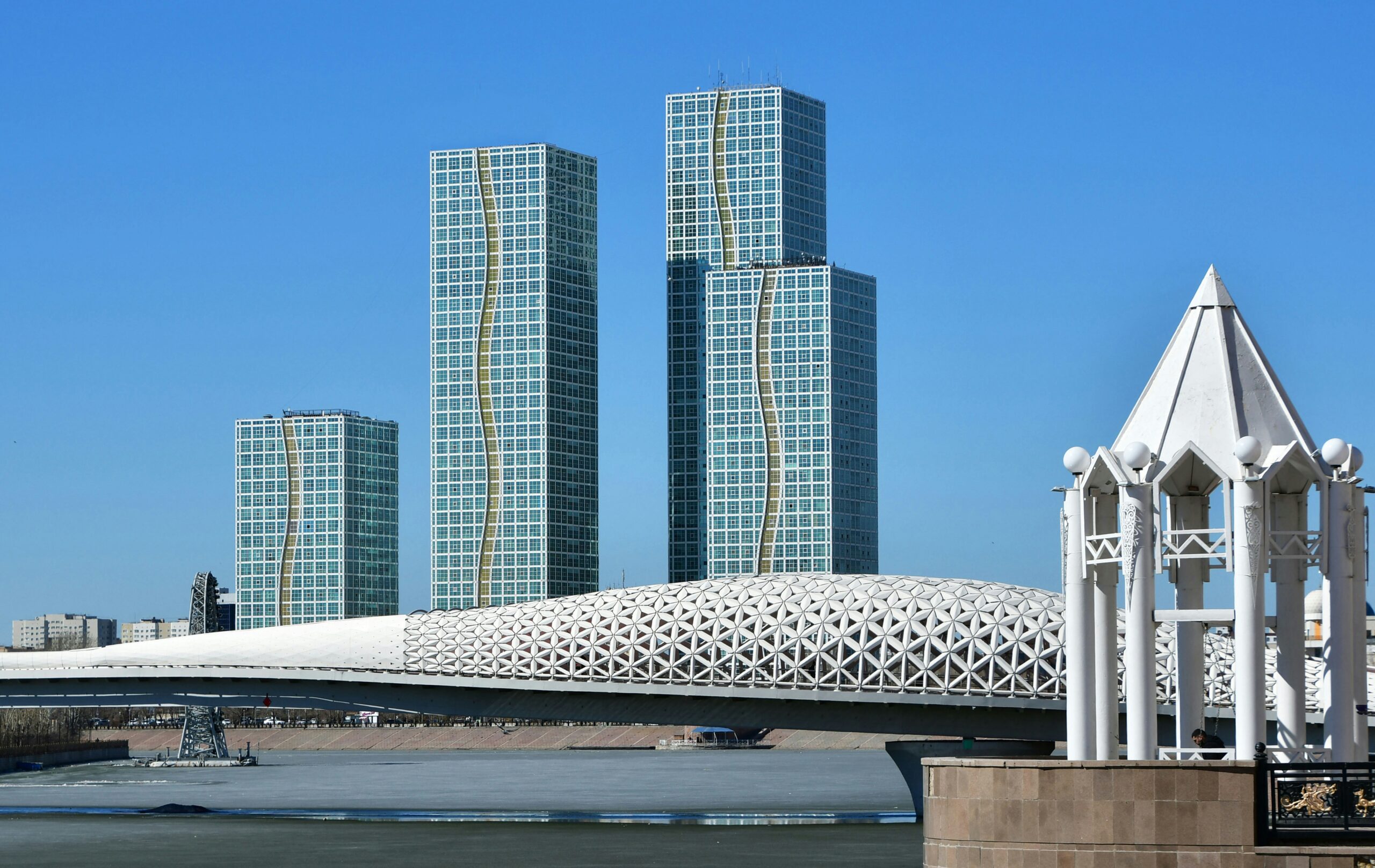
Astana’s clearest institutional asset is the Astana International Financial Centre (AIFC). Launched in 2018 under an independent common-law framework, it includes its own court, arbitration centre, regulator and exchange. In the March 2026 Global Financial Centres Index, Astana ranked 65th globally and first in Eastern Europe and Central Asia.
By mid-2026, the AIFC had more than 6,000 registered companies and reported US$26.3 billion mobilised since 2018. Almaty-based KASE adds domestic depth, with equity-market capitalisation of about US$76 billion at the end of 2025. This division of labour matters: Astana provides an internationally recognisable legal and regulatory gateway, while Almaty offers the deeper commercial market where capital can be deployed.
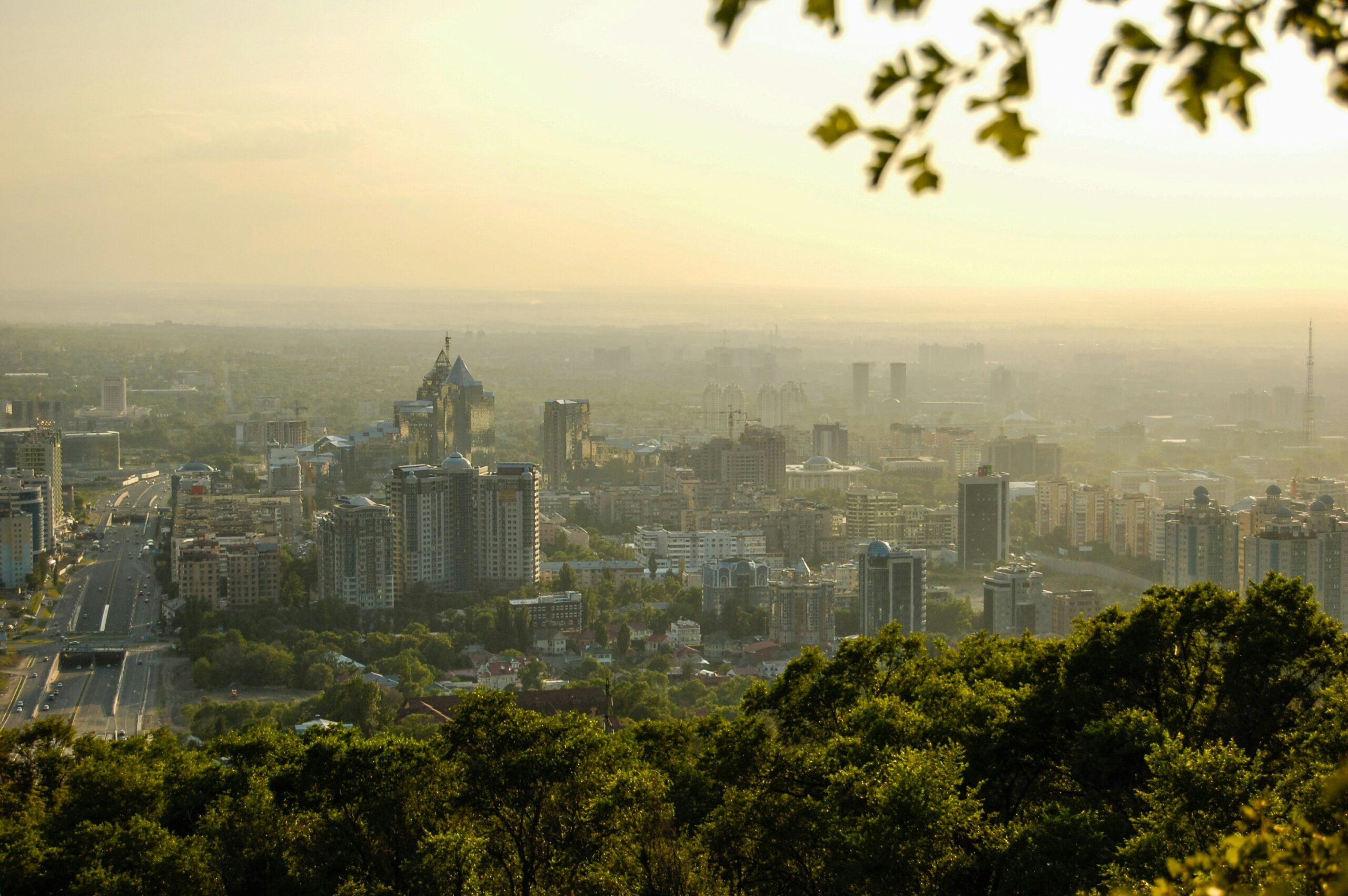
Almaty’s strength rests on decades of international business activity and a highly service-oriented economy. Services accounted for 85.9% of GRP in 2025, while the city attracted US$8.58 billion in gross FDI inflows. Trade, transport, finance, technology and professional services have created the concentration of businesses and skilled workers required by companies looking for a regional base. Tourism is increasingly part of that service economy, strengthening Almaty’s position as both a place to do business and a destination in its own right.
Human capital reinforces that position. Kazakhstan has three universities in Astana and Almaty among the global top 400 in the QS World University Rankings 2027, while the country reported more than 35,000 international students in 2025. Foreign institutions have also established a growing presence, including Coventry University in Astana and De Montfort University in Almaty.
Digitalisation is another shared strength. Kazakhstan ranked 24th among 193 countries in the UN’s 2024 E-Government Development Index, while Almaty ranked 27th globally in the UN Local Online Service Index. Astana, meanwhile, is developing a Smart City platform with Presight AI, part of Abu Dhabi’s G42 group. More than 60,000 cameras are being integrated alongside AI-enabled video analytics and a digital twin, part of a shift towards city management based increasingly on real-time data.
From city life to mountain tourism
Tourism and culture provide another measure of the cities’ growing international profile. Kazakhstan recorded 15.7 million foreign visits in 2025 as tourism investment and accommodation capacity continued to grow. Almaty alone welcomed about 2.49 million tourists, including 754,000 international visitors.
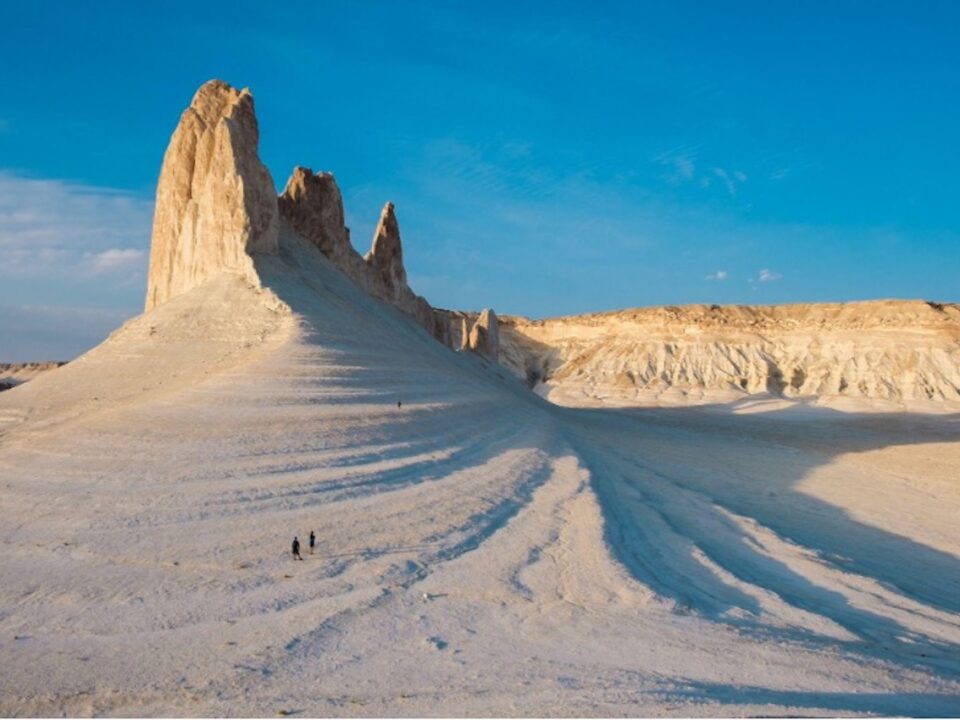
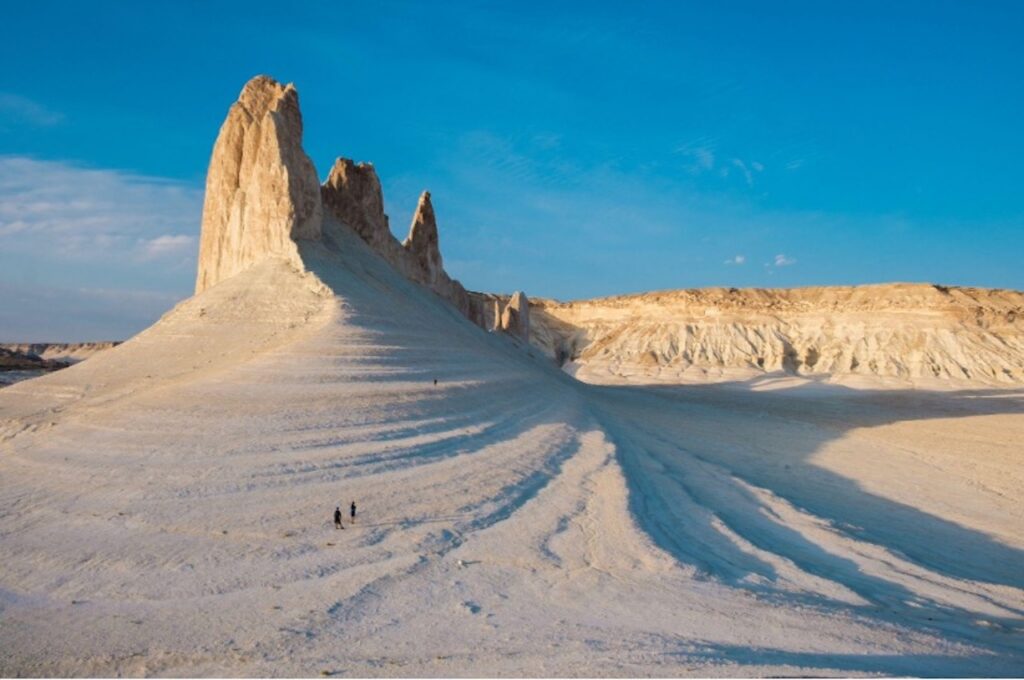
Its location at the foot of the Trans-Ili Alatau mountains gives Almaty an unusual combination of metropolitan life and immediate access to nature. Shymbulak ski resort, Medeu and mountain trails sit close to a city already recognised for its cultural and creative offer. For travellers, that creates the possibility of combining a major Central Asian city with skiing, hiking and mountain experiences. Its winter tourism profile will gain further international exposure when Almaty hosts the 2029 Asian Winter Games.
Astana has followed a different route. The capital hosted the World Nomad Games in 2024, bringing more than 2,800 athletes from 89 countries, and has become an increasingly important venue for international cultural, political and sporting events. Such events are helping broaden Astana’s identity beyond that of an administrative capital while generating international arrivals and showcasing Kazakhstan to new audiences. Together, the two cities allow Kazakhstan to offer very different urban experiences within the same destination.
Two gateways to Central Asia
Connectivity reinforces the same two-city logic. In 2025, Almaty airport handled 11.93 million passengers and Astana 9.2 million. Together they served more than 21 million, compared with 9.96 million at Tashkent. Two major gateways support different commercial, government and tourism flows while reducing reliance on a single hub.
Kazakhstan is also expanding international routes as tourism grows. In June 2026, the European Union and Kazakhstan signed a Horizontal Aviation Agreement opening further opportunities for European airlines to operate between the two markets. Infrastructure is expanding accordingly. A second runway is planned at Astana International Airport, alongside new passenger and cargo facilities, while the capital’s 22.4-kilometre automated LRT links the airport, city centre and Nurly Zhol railway station. Almaty is also investing in its airport and metro infrastructure.
Almaty shines in Brussels 🏆 Winner of the Tourism Innovation Award at the Global Tourism Forum 2025
— Travel Tomorrow (@TravelTomorrowX) October 24, 2025
📍 Global Tourism Forum
📸 Travel Tomorrow@Kazakhstan @KazBrussels @gtourismforum #Almaty #Kazakhstan #GlobalTourismForum #TourismInnovation #TourismAwards #SustainableTourism pic.twitter.com/jm5mGF7Rhf
Central Asia will benefit as Tashkent, Bishkek, Dushanbe, Samarkand and other cities expand. Urban development need not produce a single winner. But scale becomes more powerful when supported by institutions, skills and connectivity.
On that measure, Astana and Almaty remain Central Asia’s leading urban pair. Almaty brings commercial scale, talent, finance, tourism, nature and cultural energy; Astana brings international financial infrastructure, state capacity, technological innovation and a growing international events profile. Together, they give Kazakhstan two specialised and increasingly connected centres for business and travel at the heart of Central Asia’s transformation.