


There are few places whose name has travelled quite as far as Spa. Today, the word is used around the world to describe everything from luxury hotel wellness centres to neighbourhood beauty retreats. Yet behind those three letters lies a small town in eastern Belgium where water has shaped the landscape, economy, architecture and daily life for centuries.
Visiting Spa means repeatedly coming back to water. It flows beneath the streets, emerges from springs in the surrounding forests, fills the pools of the Thermes de Spa, appears in treatments whose origins stretch back more than 150 years, and leaves the region by the bottle from Spa Monopole. It is impossible to separate the destination from its springs.
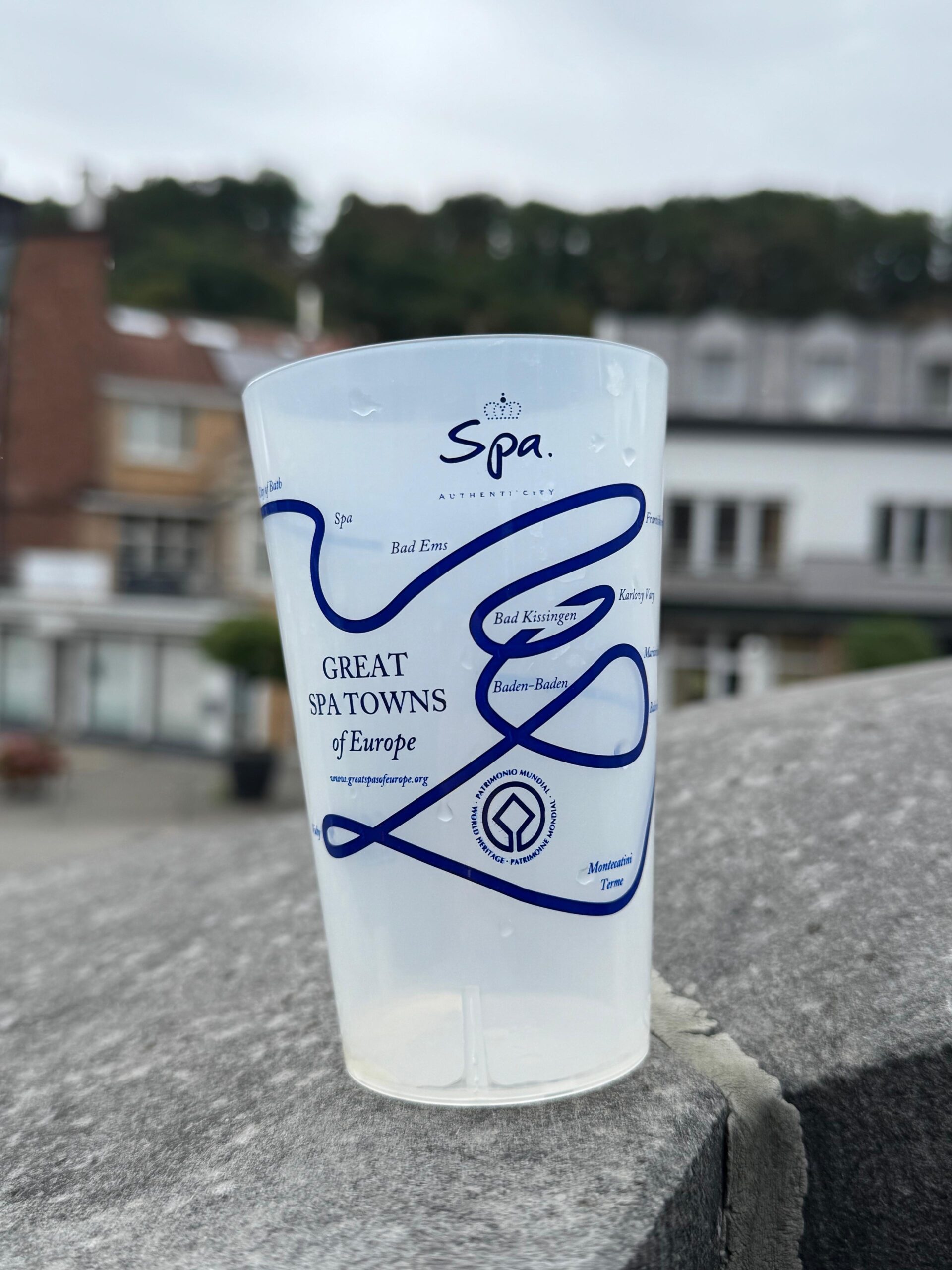
That heritage has international significance too. Since 2021, Spa has formed part of UNESCO’s Great Spa Towns of Europe, alongside ten other historic thermal destinations including Bath, Vichy, Baden-Baden and Montecatini Terme. Together, they represent the European spa culture that developed around natural mineral springs and flourished particularly between the early 18th century and the 1930s.
But in Spa, this heritage is anything but frozen in time.
When Europe came to take the waters
Walking through the centre with local guide Johny Lejeune quickly reveals how profoundly the arrival of visitors seeking the benefits of Spa’s waters transformed what had once been a modest settlement.
The town experienced two particularly prosperous periods: the second half of the 18th century and, later, the decades stretching from around 1870 until the First World War. Wealthy visitors arriving to “take the waters” became known locally as Bobelins. Aristocrats, monarchs, writers, composers and political figures came not only for treatments but also to socialise, promenade and be entertained.
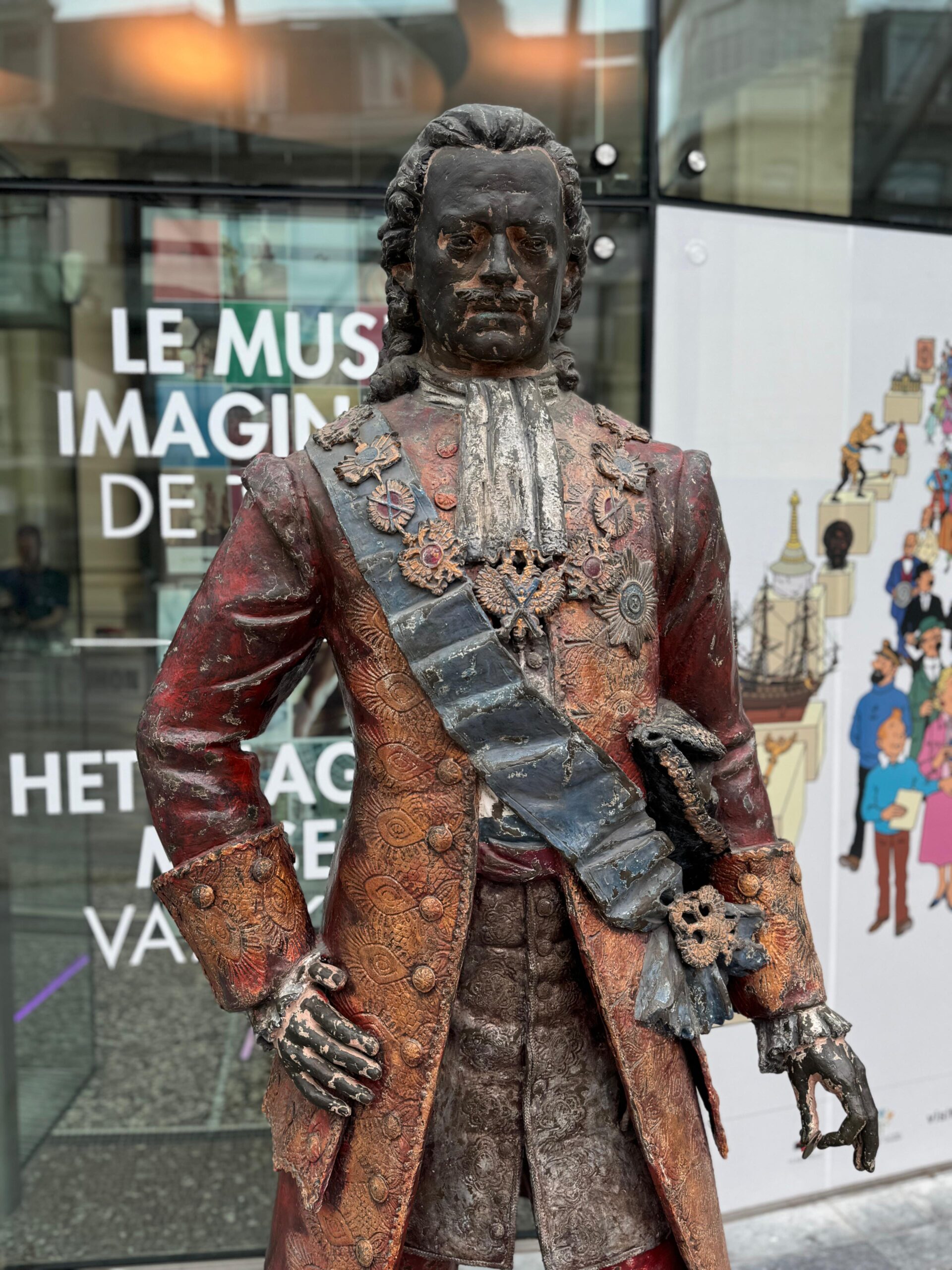
Spa consequently accumulated an extraordinary collection of visitors over the centuries. Peter the Great, Victor Hugo, Alexandre Dumas, Giacomo Meyerbeer and the Duke of Wellington are among the names connected with the town. Queen Marie-Henriette of Belgium developed an especially strong relationship with Spa, spending the final seven years of her life here. Her name survives today in perhaps the town’s most important thermal source.
The wealth brought by the Bobelins also produced an architecture intended as much for entertainment as for treatment. Spa’s gaming tradition dates to 1763 with the establishment of La Redoute, the predecessor of today’s Casino de Spa, regarded as the world’s oldest casino still in operation. The competition must have been intense: as Lejeune tells it, by 1787 disputes between Spa’s rival casinos had become so serious that the Prince-Bishop of Liège sent 200 soldiers and two cannons to restore order.
Nearby, the 130-metre Galerie Léopold provided fashionable visitors with a sheltered place to promenade, while the surrounding Parc de Sept Heures takes its name from the hour at which spa guests traditionally came out for their evening walk. Taking the waters was not simply a treatment. It was a social ritual, and water effectively created an entire urban lifestyle.
The waters beneath Spa
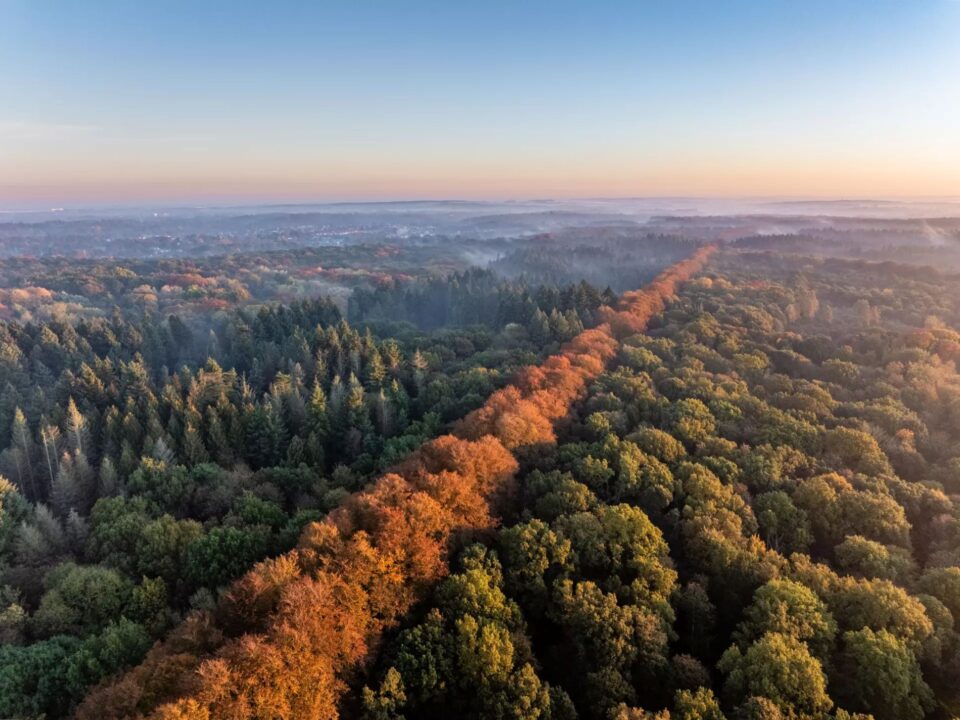
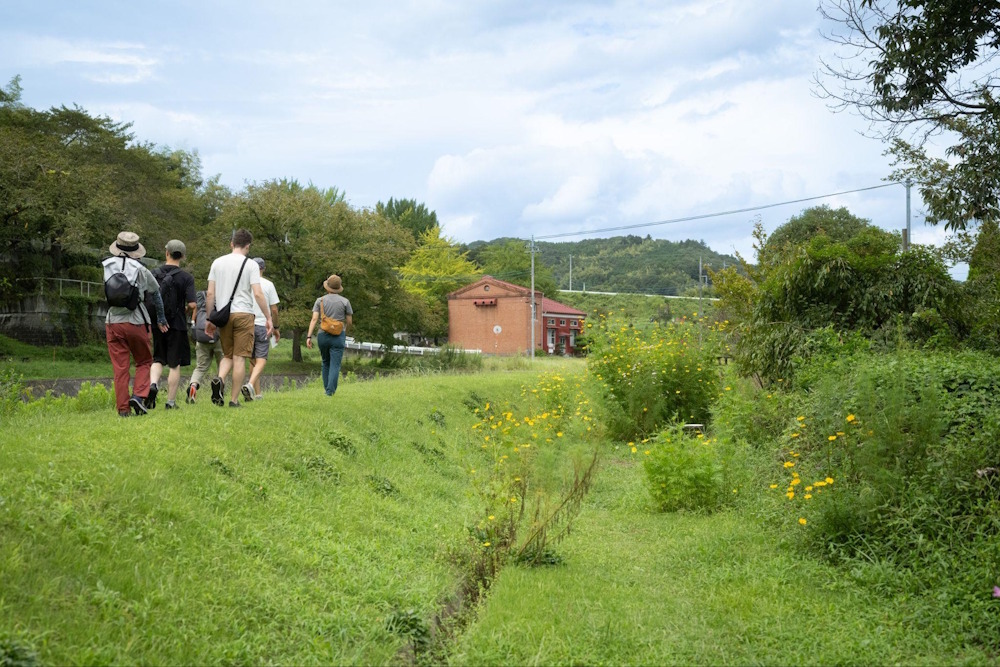
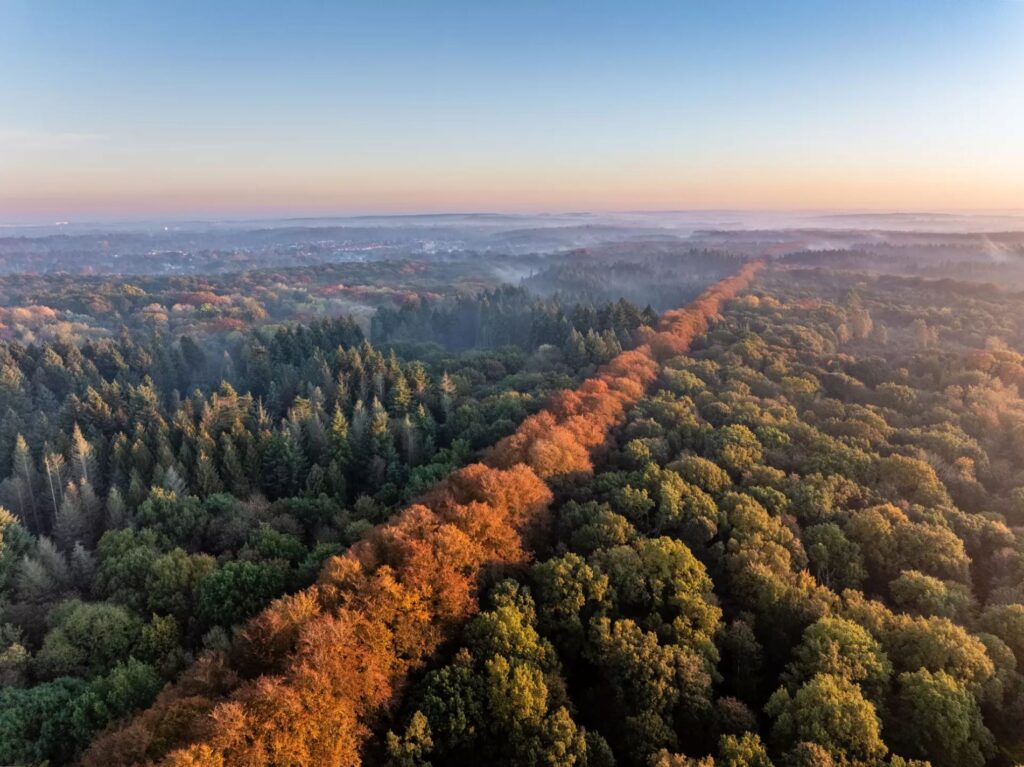
Leave Spa’s grand buildings behind, and the original reason for all this prosperity becomes much clearer. The wooded landscape surrounding the town is scattered with springs, or pouhons, whose waters vary considerably in mineral composition and taste.
At one of them, the presence of iron was immediately visible in the reddish deposits surrounding the water. And, naturally, I had to taste it. Slightly sparkling, intensely metallic and with an unmistakable iron aftertaste, it is certainly different from the Spa water most of us know from the familiar bottles on supermarket shelves.
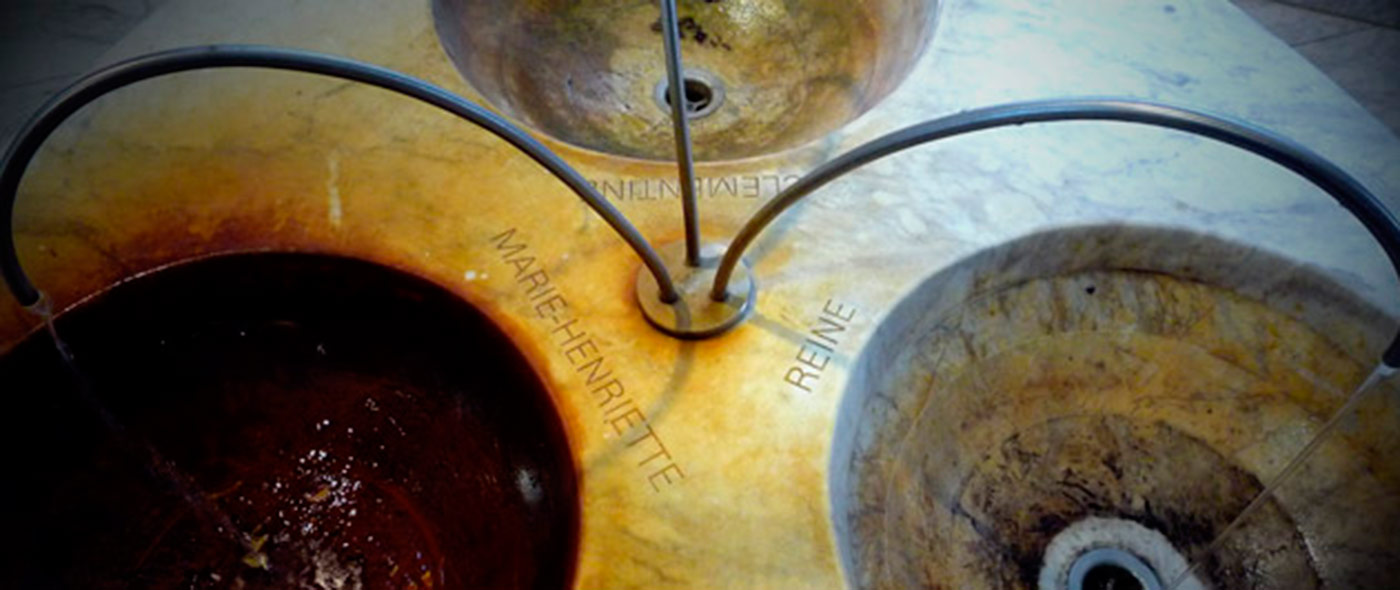
That diversity is fundamental to Spa’s thermal system because different springs have different purposes. Three in particular are closely connected to today’s Thermes de Spa. The naturally carbonated, iron-rich Marie-Henriette spring is used for traditional treatments, including carbonated baths and peat treatments, while water from the Clémentine spring supplies the swimming pools and several balneotherapy treatments.
In Spa, water is therefore not simply a backdrop to the destination or a generic wellness ingredient. Each source has its own characteristics, history and use.
Pierrots hiding in plain sight
Water even appears in one of the most colourful symbols scattered around the city.
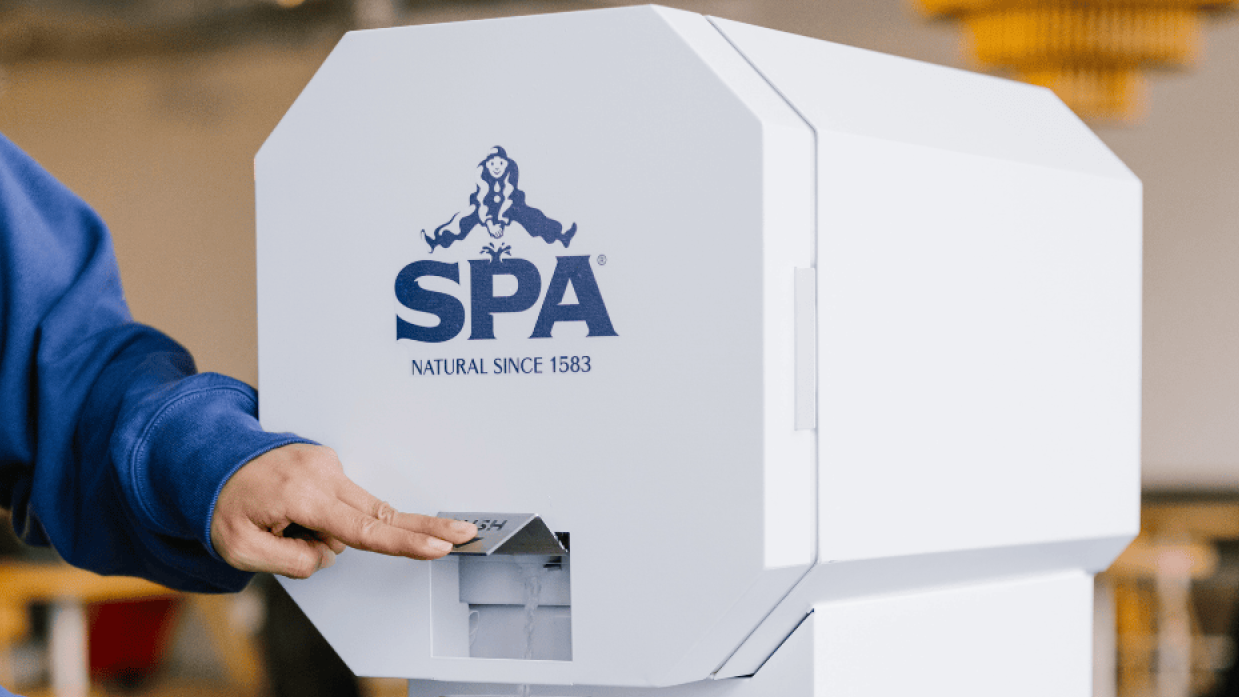
Spa Monopole dates back more than a century, and in 1923 a competition was organised to create a symbol for the company. The winning design was the Pierrot, a small figure attempting with both hands to hold back the stream of water bursting from a bottle. More than 100 years later, that same little character can still be found on Spa water labels.
I had barely noticed him before.
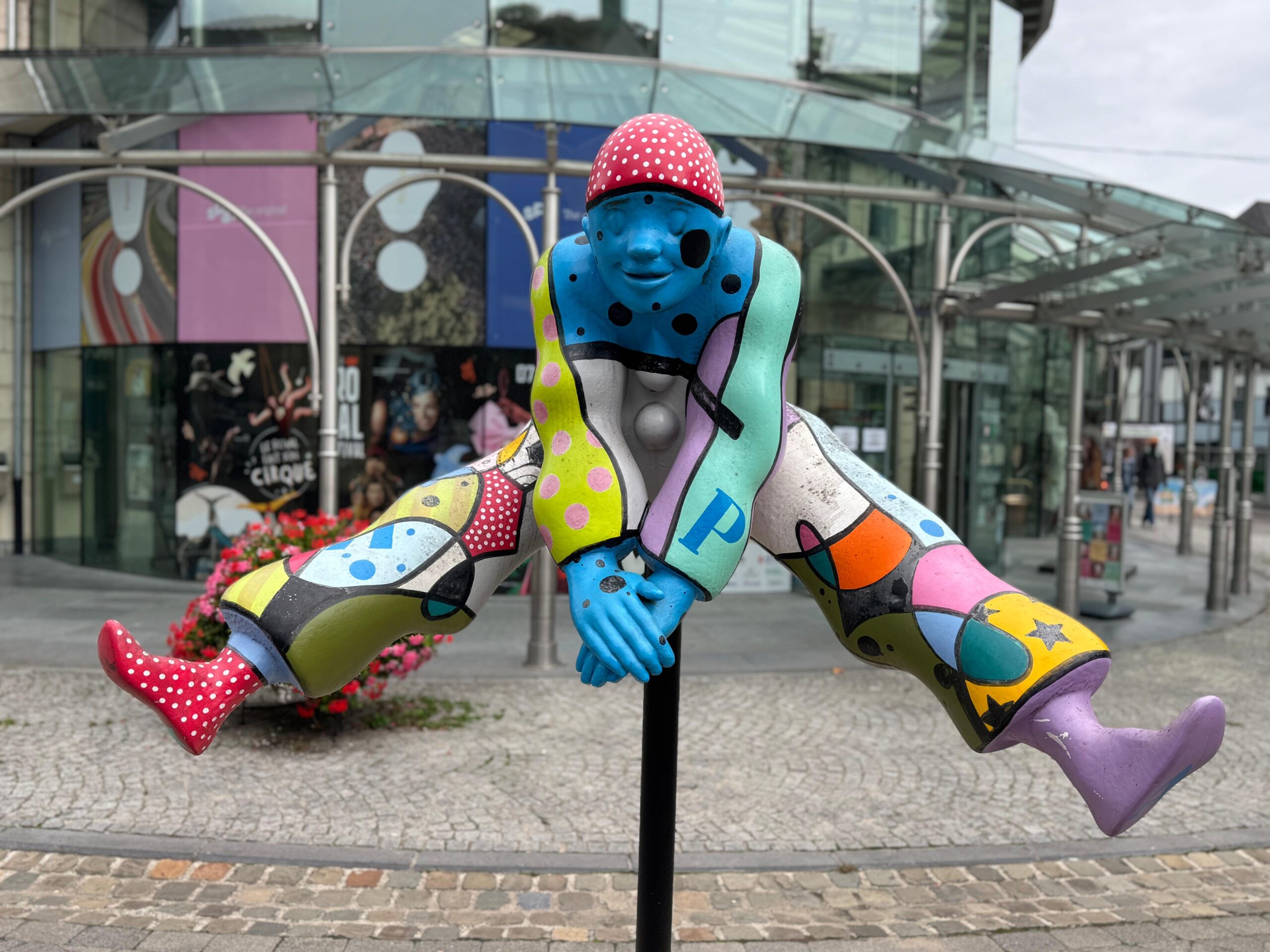
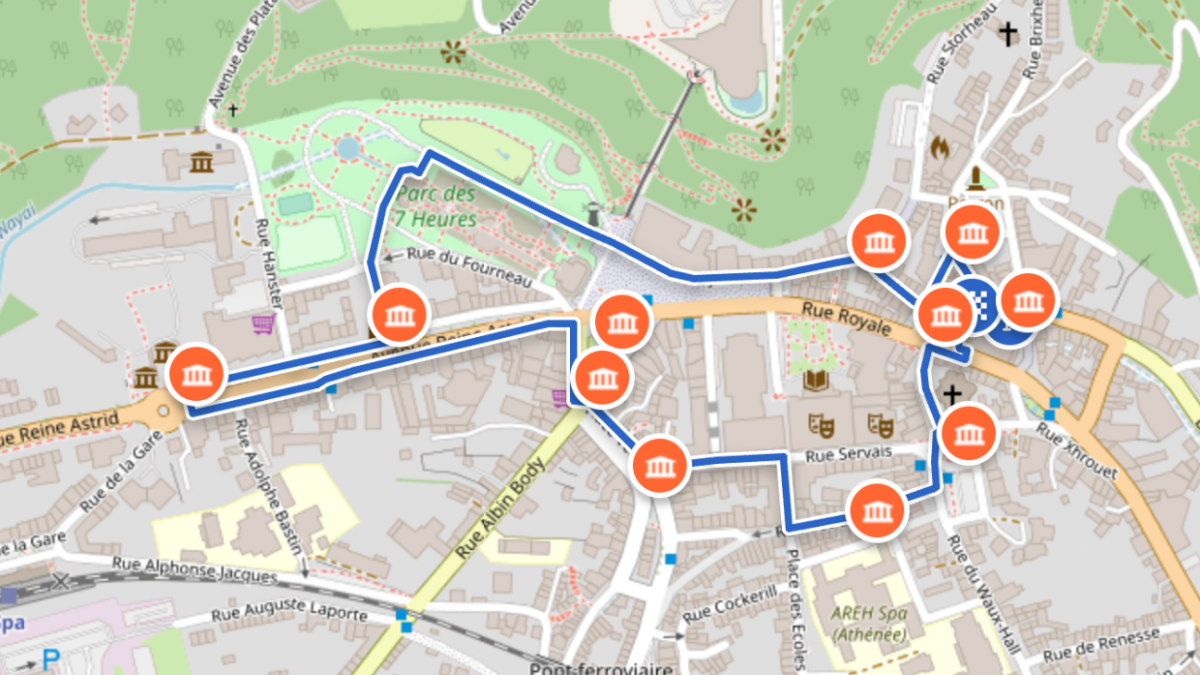
Once you know the story, however, the Pierrot suddenly seems to appear everywhere in Spa. Twelve larger Pierrots are scattered around the city, each decorated differently, bringing unexpected splashes of colour to the streets and creating a small discovery trail of their own. I came across several during my visit, each with its own personality.
It is a playful symbol, but an appropriate one. Even here, in the city’s public art, everything comes back to water.
A hotel with a direct line to wellness
Accommodation is naturally part of the experience of staying in Spa, and during my visit I stayed at the Van der Valk Hotel Spa, in the heart of the town and within walking distance of many of its main sights.
The hotel itself has recently undergone a significant transformation. According to Adrien Nys, Business Development Manager at Van der Valk Liège, the ground floor was completely redesigned ahead of its inauguration in April 2025, while a gradual renovation of the bathrooms is still underway.
Its most distinctive feature, however, is its connection with the Thermes de Spa. Although the hotel and the thermal complex are independently managed, a private funicular can be accessed directly from the hotel’s first floor, taking guests up the wooded hillside to the Thermes.
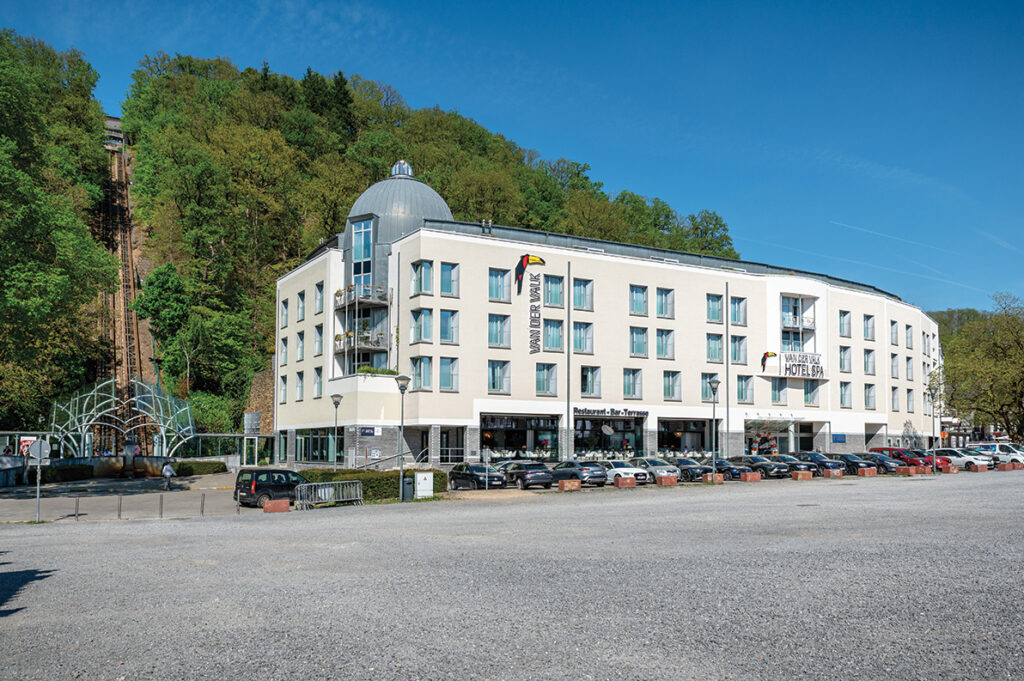
It changes the experience considerably. Rather than driving to the thermal complex and changing there, guests can get ready in their room, put on a bathrobe and head directly to the funicular. As Nys put it during our conversation, you can change “in your own oasis” before making your way up to the Thermes.
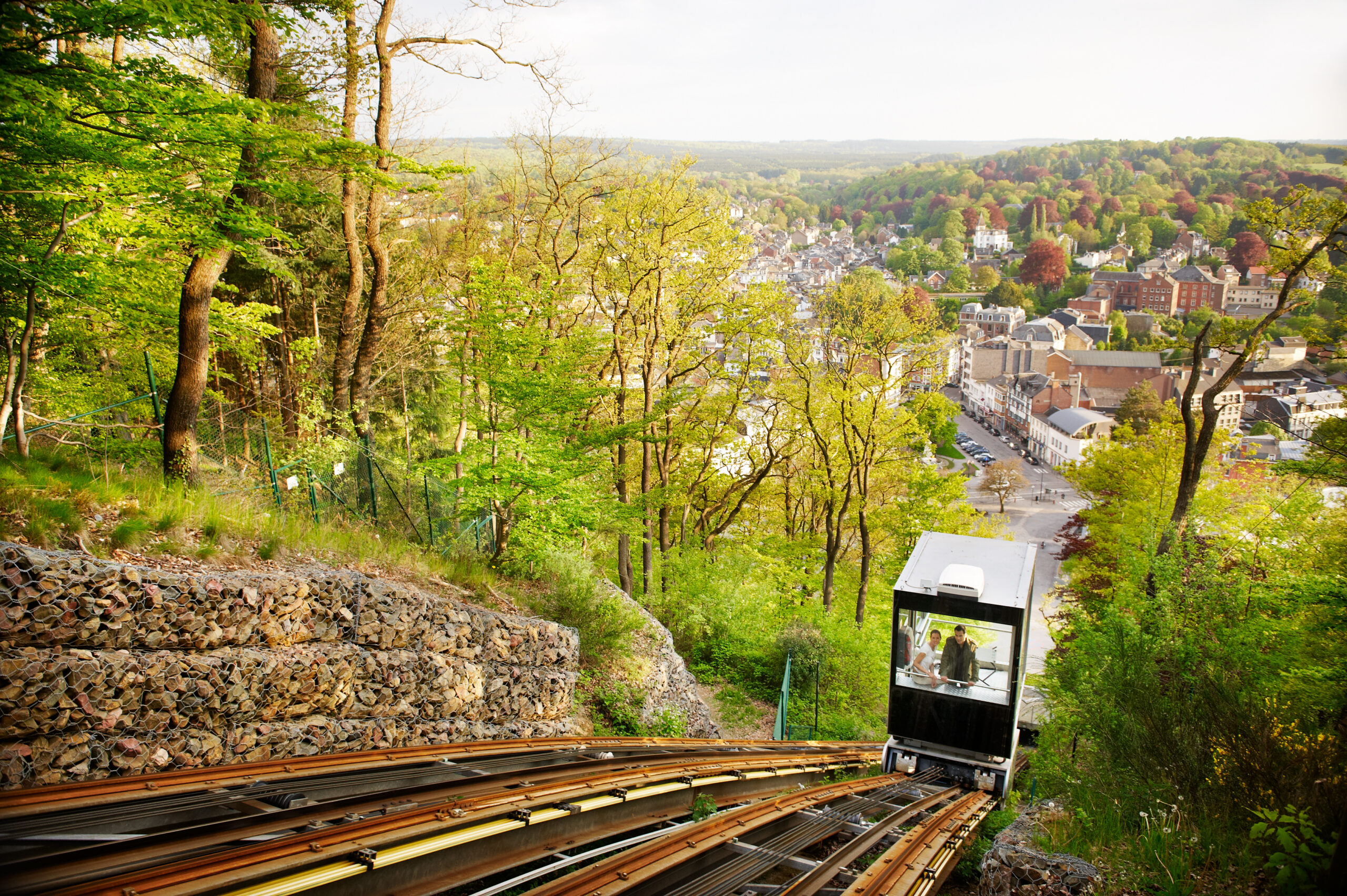
As the funicular climbs the wooded hillside, Spa gradually drops away beneath you. Within minutes, you have moved from the architecture and streets of the historic town to a contemporary thermal complex overlooking the valley. It is an extraordinary arrival and, rather than simply being a practical means of reaching the Thermes, the journey feels like part of the experience.
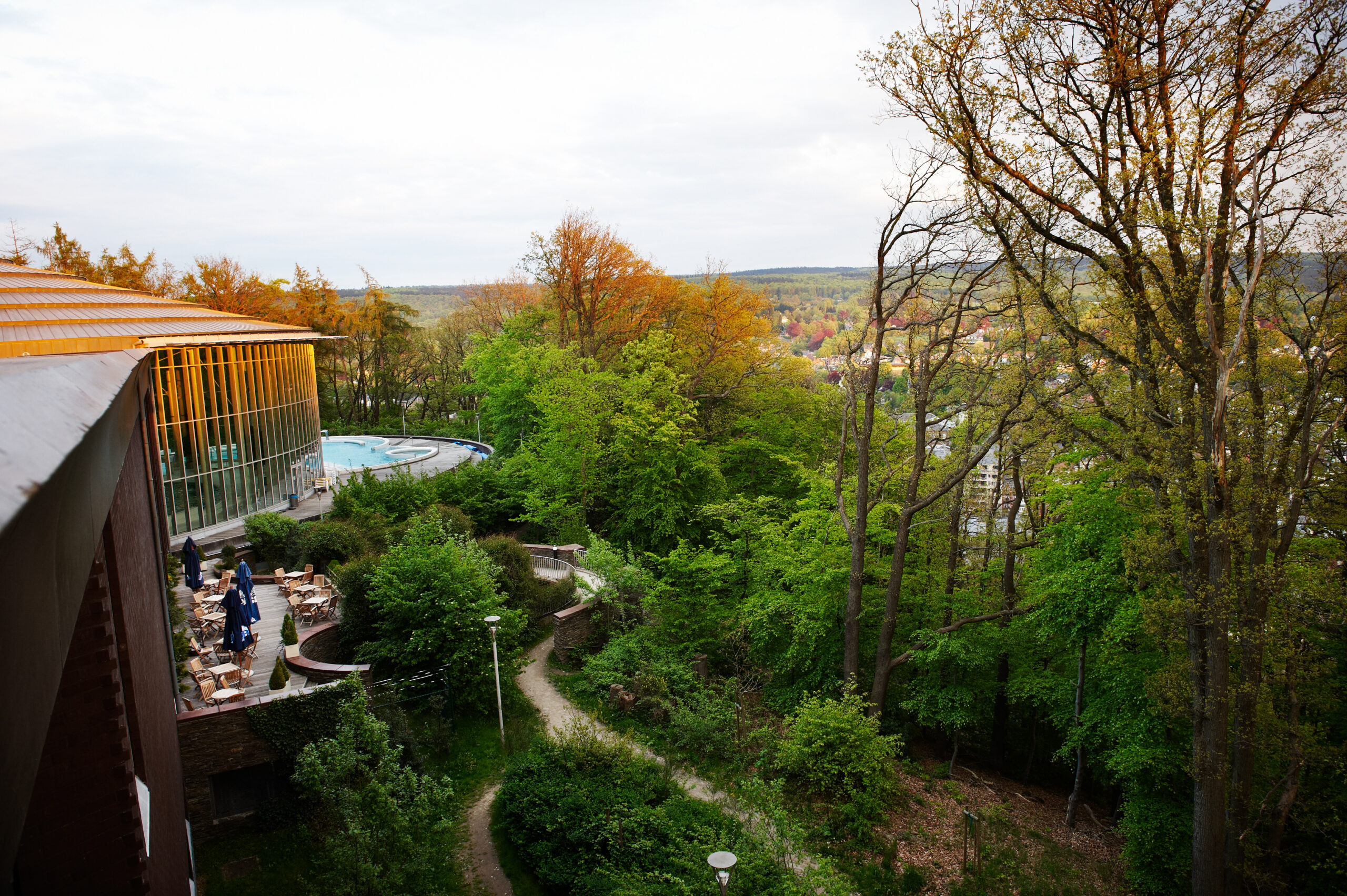
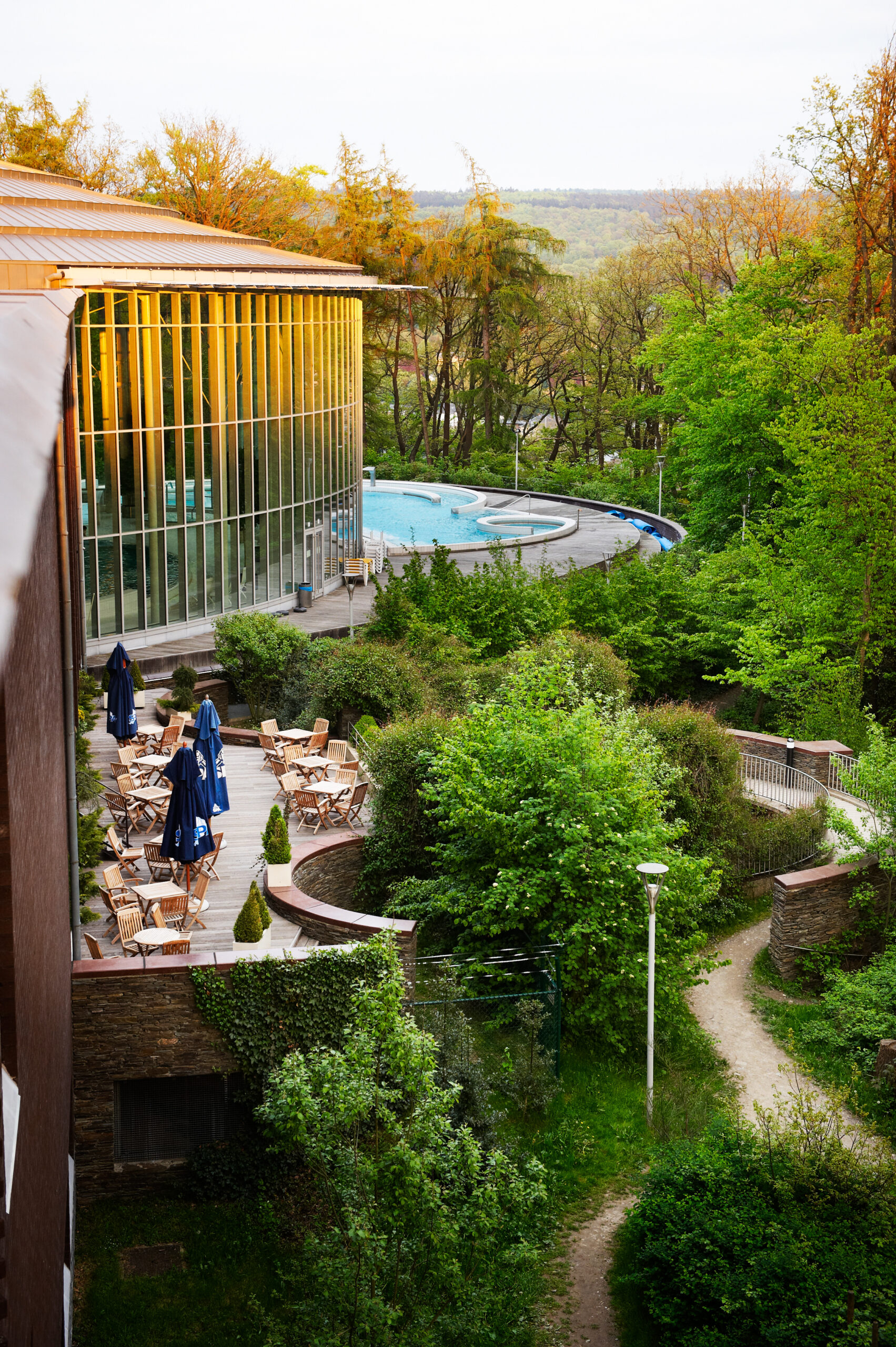
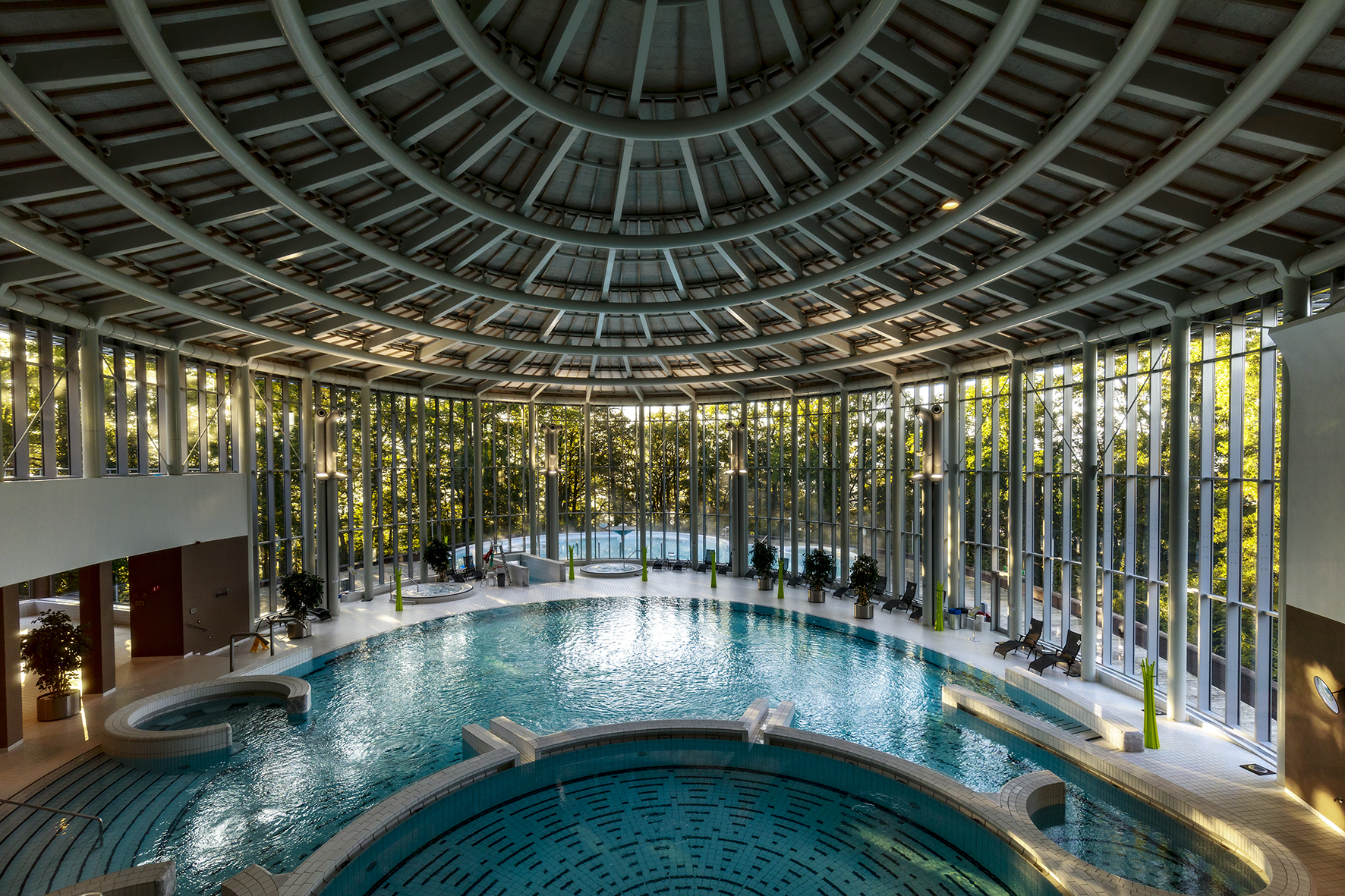
Opened in 2004, the Thermes de Spa sit high above the town, surrounded by greenery, rather than in the historic centre where the former thermal establishment once stood. Yet at the top, the connection with Spa below remains very tangible.
Christel Pire, Reception Manager at the Thermes de Spa, explained that the facility’s philosophy has changed considerably from the days when thermal treatments were more medicalised and could be reimbursed through Belgium’s social security system. Today, the emphasis is primarily on relaxation and wellbeing, while preserving several treatments directly linked to Spa’s thermal tradition.
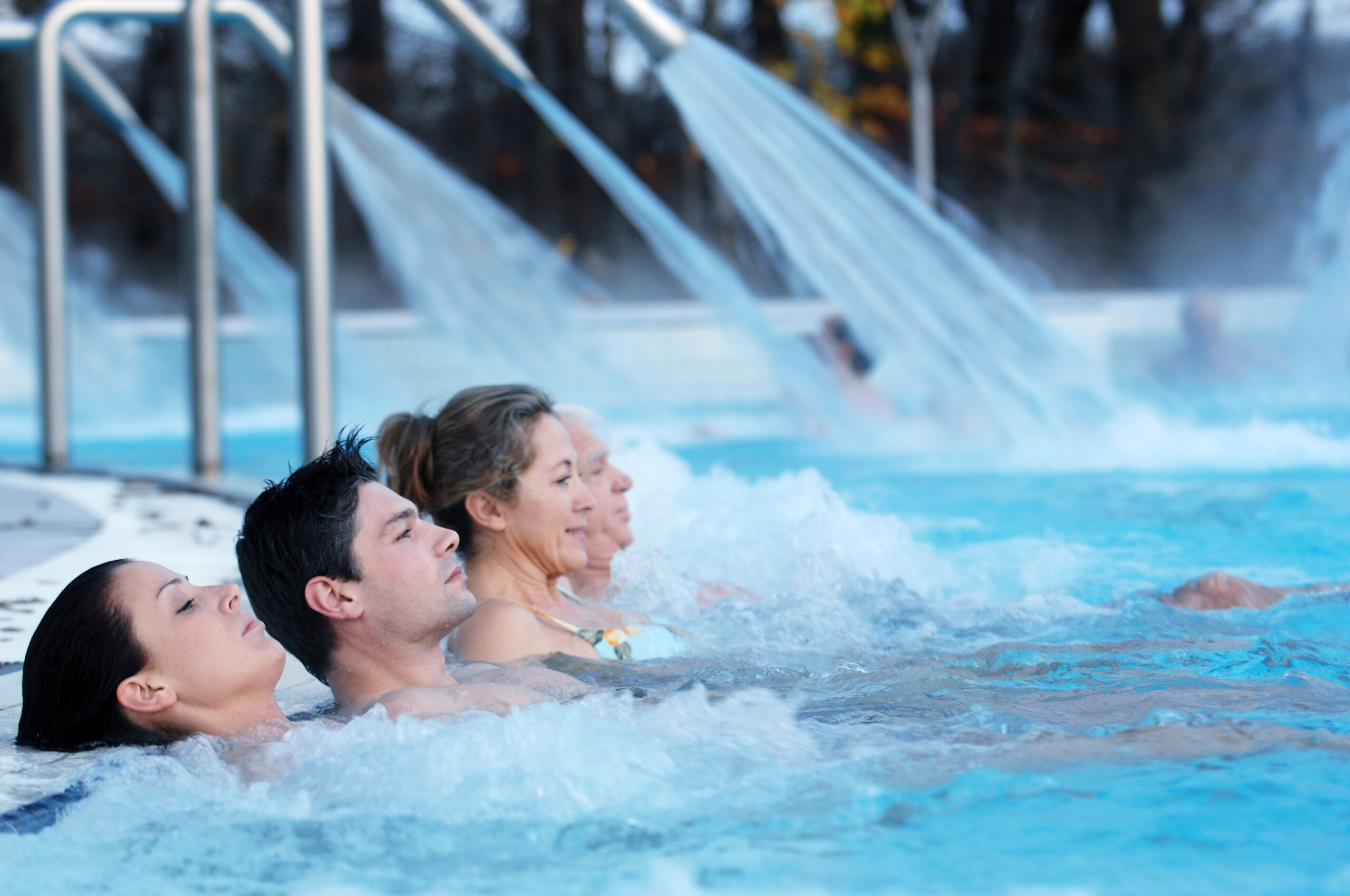
The Thermes welcome around 170,000 visitors annually, according to Pire, of whom approximately 35,000 book treatments. The majority come for the thermoludic facilities: indoor and outdoor pools, saunas, hammams and relaxation areas. The pools, filled with water from the Clémentine spring and heated to around 33°C, extend outdoors, allowing visitors to float in warm spring water while looking across the surrounding landscape.
1868, still alive in a copper bath
Some of the most fascinating experiences at the Thermes are found away from the pools. In the treatment area, Spa’s past and present come remarkably close together.
The carbonated bath is perhaps the best example. Large copper bathtubs of the type used in Spa since the 19th century are filled with naturally carbonated and ferruginous water from the Marie-Henriette spring, heated to around 36°C. There are no mechanical jets. Instead, tiny naturally occurring bubbles settle over the skin as the body rests in the water.
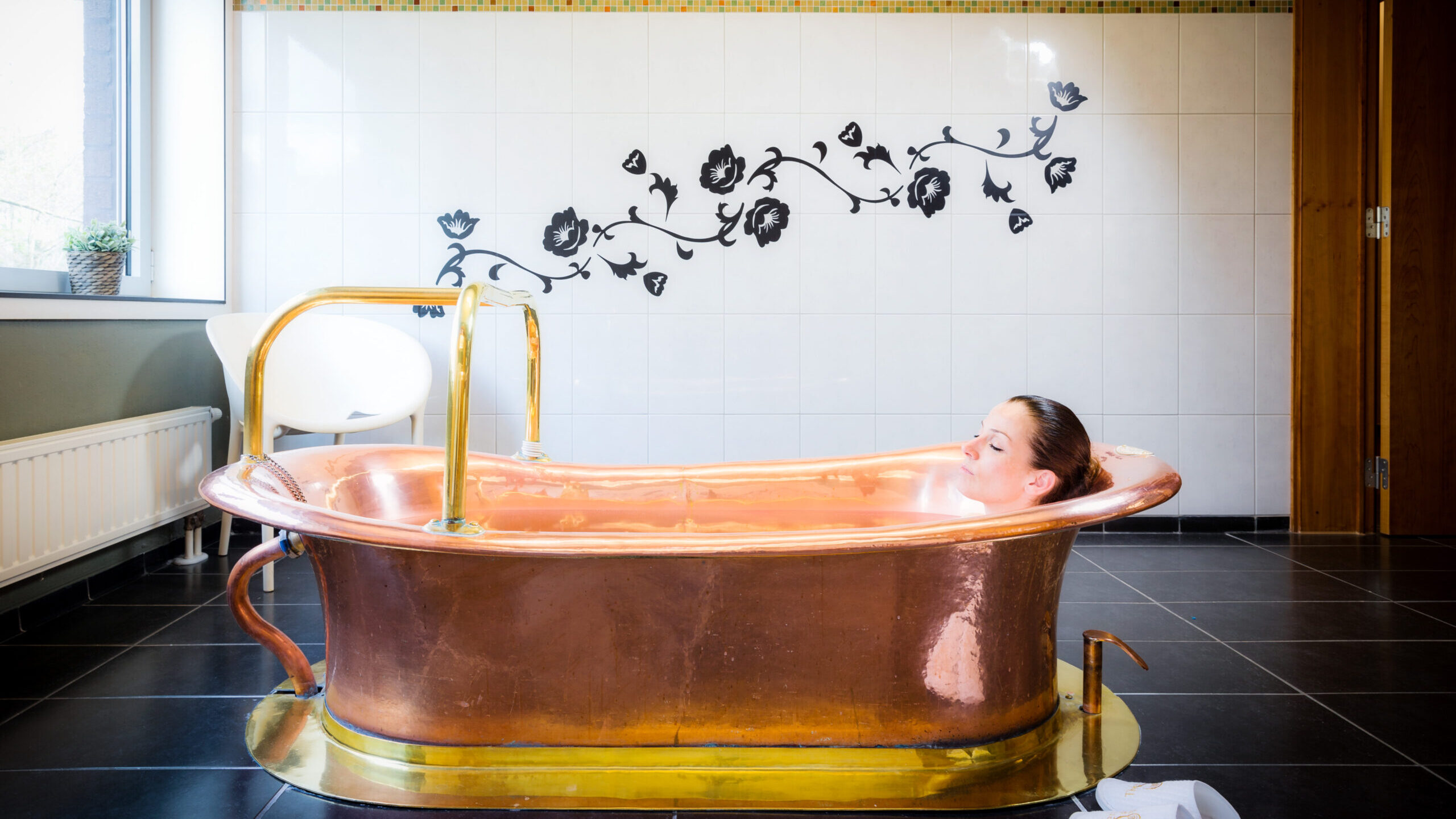
Pire describes it as one of the Thermes’ traditional treatments, a direct continuation of practices once offered in the old thermal establishment. The water and the copper are not incidental details but part of the treatment itself.
Another survivor is the peat bath. Peat is mixed with carbonated, iron-rich Marie-Henriette water and heated to around 40°C. Unlike most of today’s offer, which is centred on relaxation, Pire says the peat bath retains a stronger therapeutic dimension, with regular clients returning for treatments aimed at relieving rheumatic and joint discomfort.
This is where Spa becomes more than another European wellness destination. Modern pools, relaxation rooms and massages coexist with practices that connect today’s visitor with the generations who travelled here to take the waters.
Spa water meets Sothys
That historical identity has not prevented the Thermes from embracing contemporary wellness. Its treatment institute combines the traditional water-based treatments with a broader beauty and massage offer developed with French professional skincare brand Sothys.
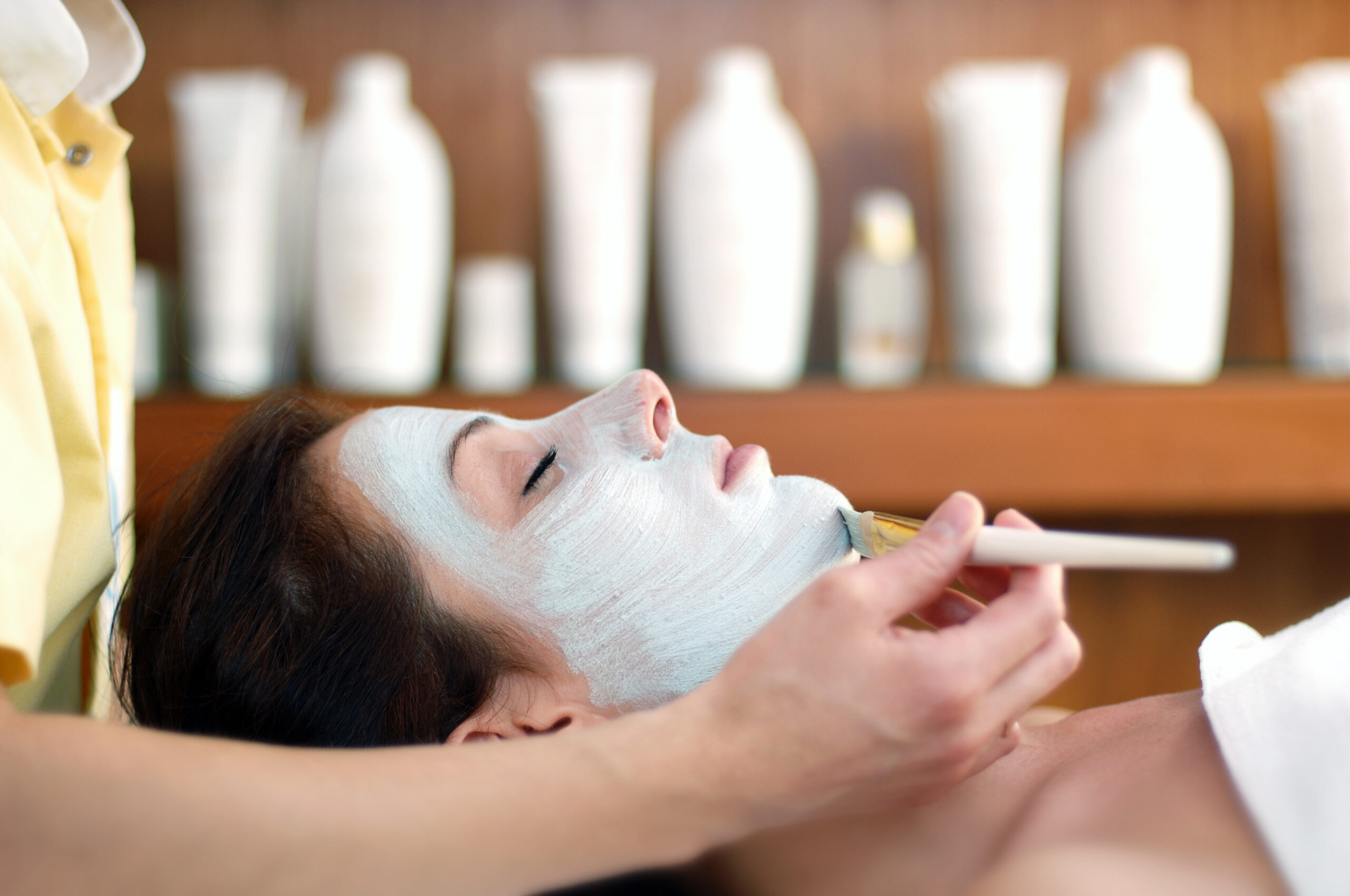
The partnership is particularly interesting because Spa’s own water has also found its way into the collaboration. The relationship between Sothys and the Thermes dates back more than two decades and has included the development of products incorporating water from the Marie-Henriette spring.
It is a good illustration of the balance Spa is trying to maintain. The destination does not need to choose between thermal heritage and contemporary wellness. The two can complement one another, with the springs providing the identity that distinguishes the offer from a wellness centre that could exist almost anywhere else.
Belgian water in Belgian hands
The same water story continues beyond tourism and wellness. Spa Monopole has been bottling water here for more than a century and today belongs to Spadel, a Belgian family-owned group.
That ownership has become increasingly distinctive in Belgium. Chaudfontaine, the country’s other internationally recognised mineral-water name, was acquired by Coca-Cola in 2003, while Spa has remained in Belgian hands through Spadel.
The group is also investing in the future of the site. Around €40 million is being invested in Spa Monopole between 2025 and 2027, including improvements to production lines and the plant’s environmental and energy performance.
There is something particularly striking about seeing how one resource operates at so many different levels. The same landscape that attracted aristocratic Bobelins centuries ago today sustains a major Belgian beverage company, a contemporary wellness destination and a tourism identity recognised around the world.
And that little Pierrot trying to contain the water escaping from his bottle suddenly makes a lot more sense.
Spa at the heart of Europe’s thermal future in 2027
Spa’s position within European thermal culture will come into focus again in June 2027, when the city is set to welcome a major joint event of the European Spas Association (ESPA) and the European Historic Thermal Towns Association (EHTTA), bringing European thermal heritage and the health tourism sector to the Belgian destination.
The choice of Spa feels particularly appropriate. Across Europe, thermal destinations are increasingly looking towards prevention, wellbeing, healthier lifestyles and longevity while asking how centuries of therapeutic tradition can remain relevant to a new generation of travellers.
Spa has already been navigating that transition for decades. Its old thermal establishment has found a new life, while the modern Thermes have moved wellness onto the hillside without abandoning the springs and traditional treatments that made the destination famous in the first place.
Over two days in Spa, water seemed to be everywhere, but rarely in quite the same form. It was red with iron at a pouhonin the woods, naturally carbonated in a copper bath, warm beneath the open sky at the Thermes, represented by colourful Pierrots in the streets and bottled under a Belgian brand recognised far beyond the country’s borders.
More than two centuries after Europe’s Bobelins came here to take the waters, Spa continues to reinvent what that relationship with water can mean.