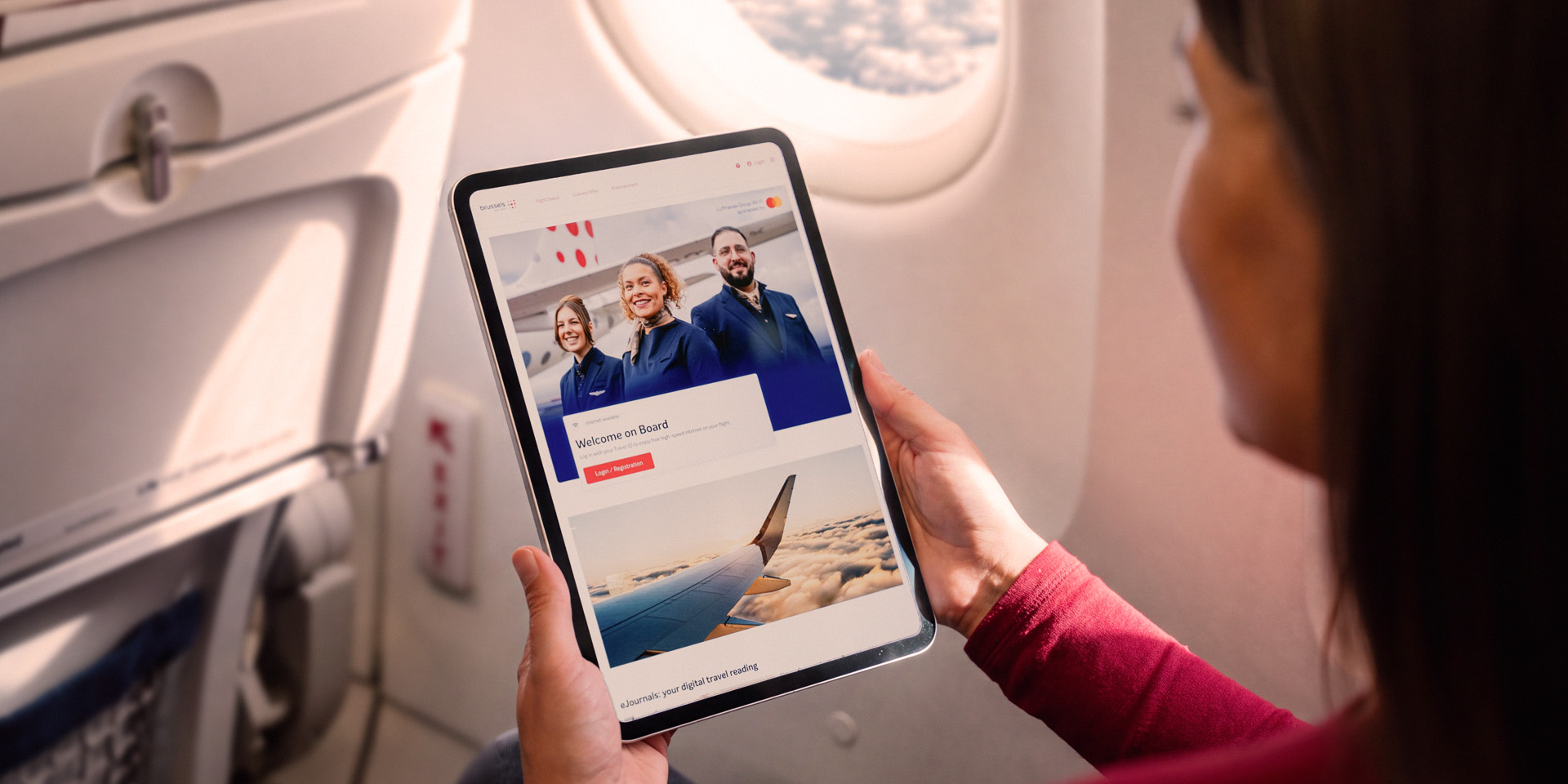



Brussels Airlines introduced free high-speed Wi-Fi on 9 November, when passengers on a flight from Brussels to Copenhagen became the first to use Starlink on board one of its aircraft. The Belgian carrier plans to equip 15 aircraft by the first half of 2027 before extending the service to the rest of its fleet.
The first aircraft to offer the service was an Airbus A320neo, registered OO-SBA, operating flight SN2257 to the Danish capital. Brussels Airlines used the connection to announce the launch, sending its press release from the aircraft at an altitude of 12,000 metres.
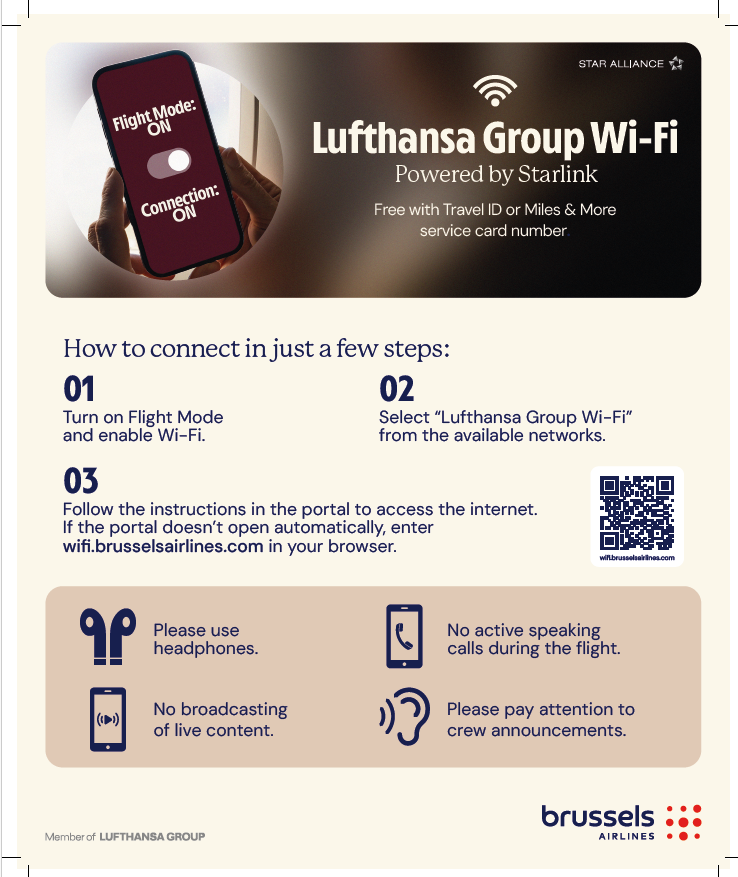
Passengers in every cabin can use the Wi-Fi free of charge if they have a Lufthansa Group Travel ID or a Miles & More account. Starlink uses satellites in low Earth orbit to provide a connection fast enough to watch a film online or work on a shared document. Brussels Airlines says passengers may in some cases get a faster connection in the air than they do at home or at work.
“With it, we’re making high-speed internet an integral part of the travel experience – across all travel classes,” said Dieter Vranckx, chairman of Brussels Airlines and Lufthansa Group’s chief commercial officer.
Passengers must accept the terms of use before connecting. They can stream music and videos provided they wear headphones, but broadcasting a live stream from the aircraft is prohibited. The rules also apply to passengers working on board. They may listen to a meeting or webinar through headphones, although voice and video calls are prohibited. Lufthansa Group says the rules reflect feedback from passenger surveys about keeping cabins quiet.
The Copenhagen flight is part of a wider Lufthansa Group programme covering roughly 850 aircraft. As Travel Tomorrow reported in August, the group expects to complete the rollout by 2029, fitting the equipment to aircraft already in service as well as new deliveries. Brussels Airlines is among the first carriers in the programme, alongside Lufthansa, SWISS and Austrian Airlines. ITA Airways, Edelweiss, Discover Airlines, Air Dolomiti, Lufthansa City Airlines and Eurowings are due to follow. Mastercard is sponsoring the service, extending its work with the group on its existing FlyNet Wi-Fi offering.
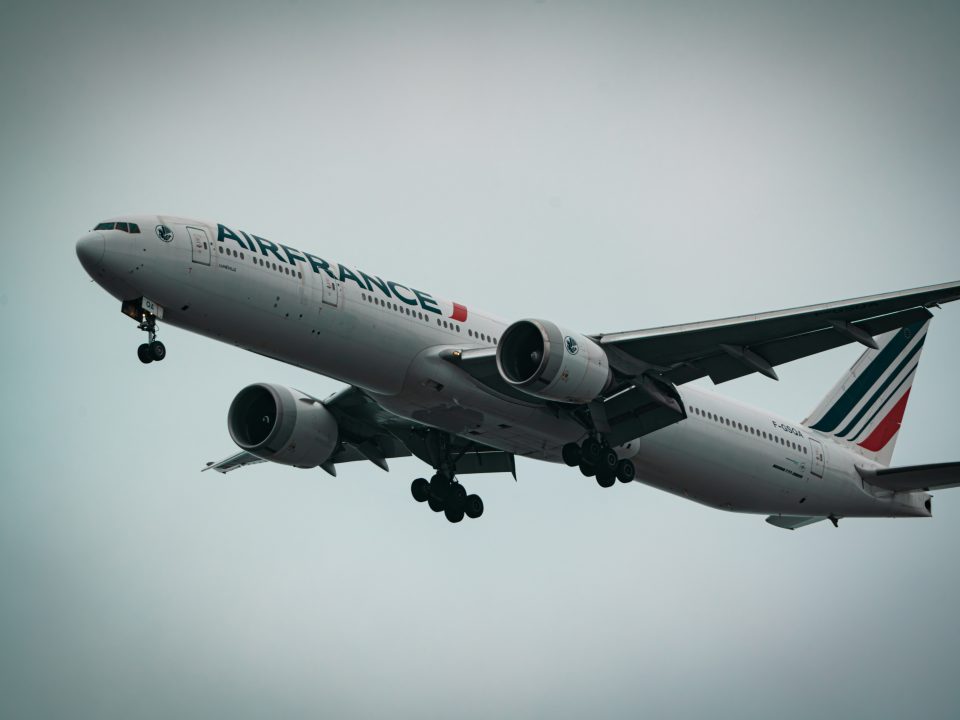
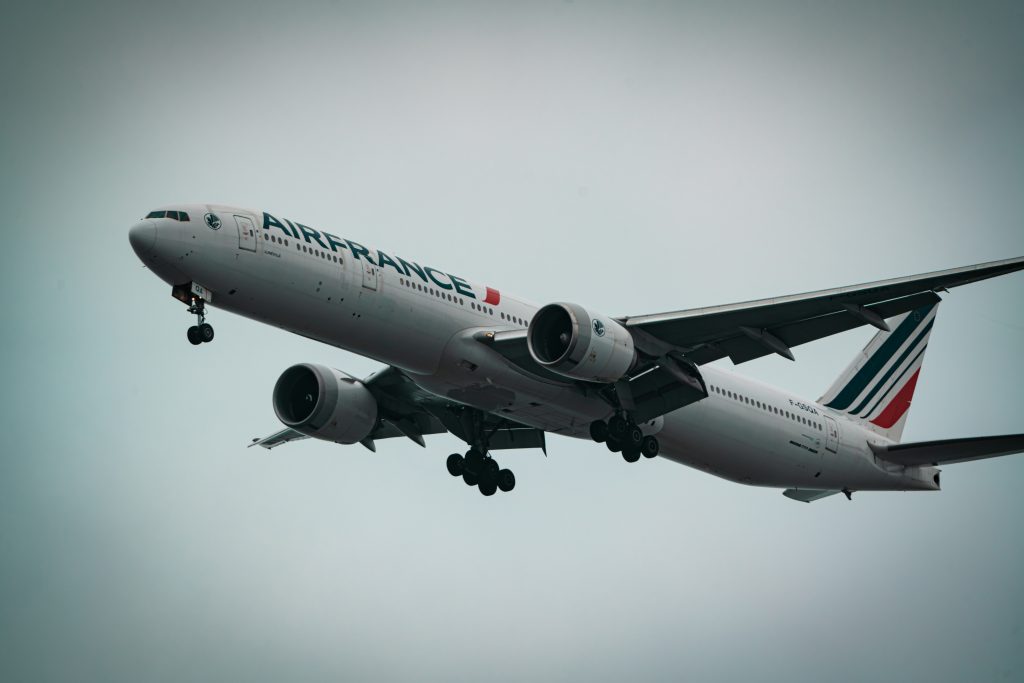
Other European airlines have already introduced the technology. Latvia’s airBaltic became the first European carrier to offer Starlink on commercial flights in February 2025. SAS introduced the service in March 2026, initially on its Airbus A320 fleet, and British Airways began flying its first Starlink-equipped aircraft the same month. As part of the same International Airlines Group rollout, Iberia, Aer Lingus, Vueling and LEVEL are also introducing Starlink. Air France and Virgin Atlantic are implementing the technology as well.
Among Europe’s low-cost carriers, Wizz Air announced in June that it plans to introduce Starlink Wi-Fi across its fleet from 2027. In October, easyJet said it would begin installing Starlink on its Airbus aircraft in the first half of 2027 and expects to complete the rollout by early 2028.