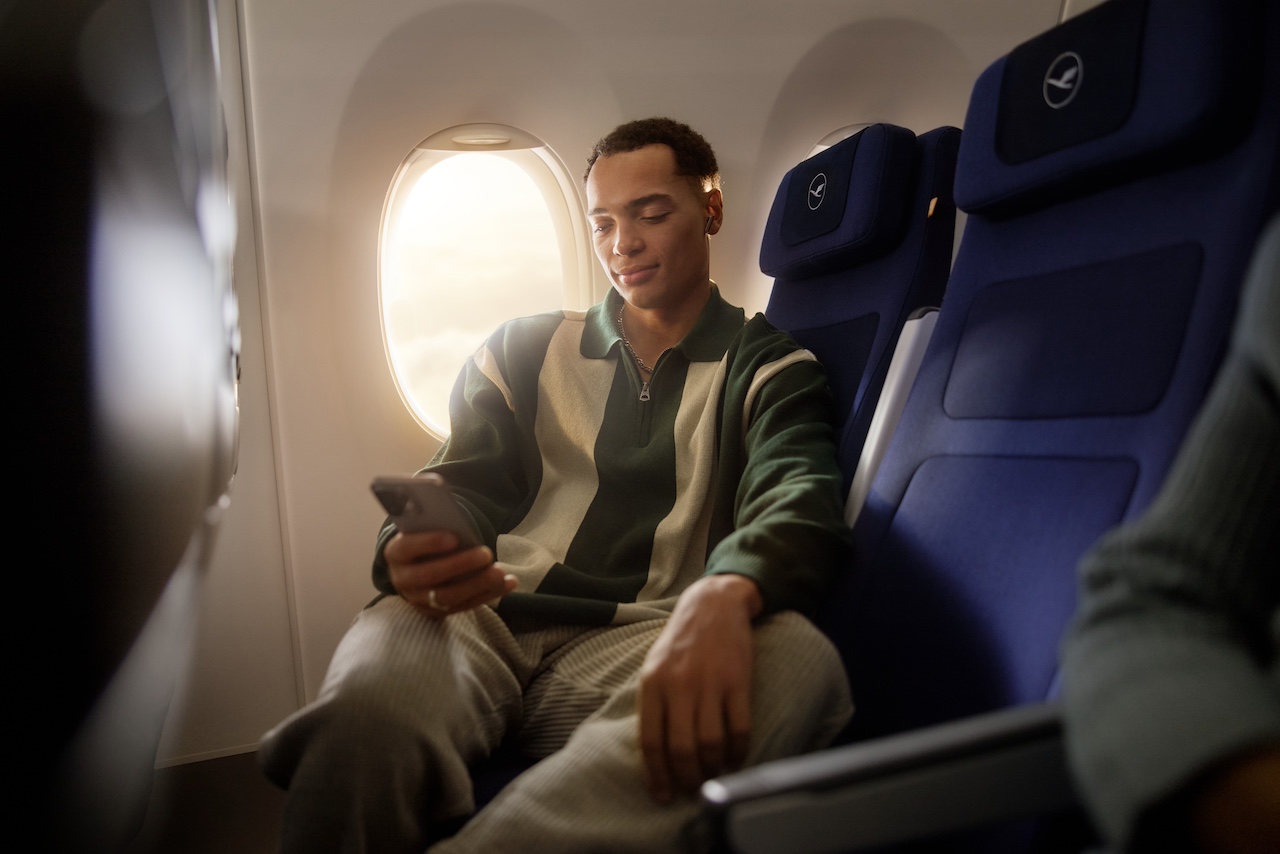



Lufthansa Group will launch its new Starlink-powered high-speed internet service on 19 August, marking the start of an ambitious rollout that will eventually bring the technology to around 850 aircraft across the group’s airlines.
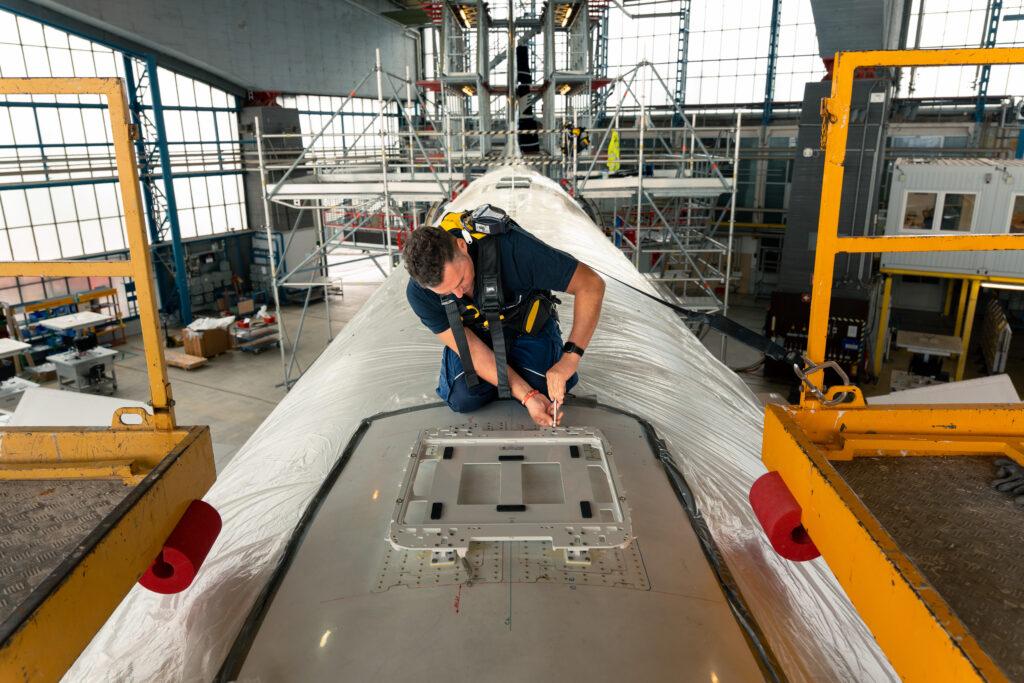
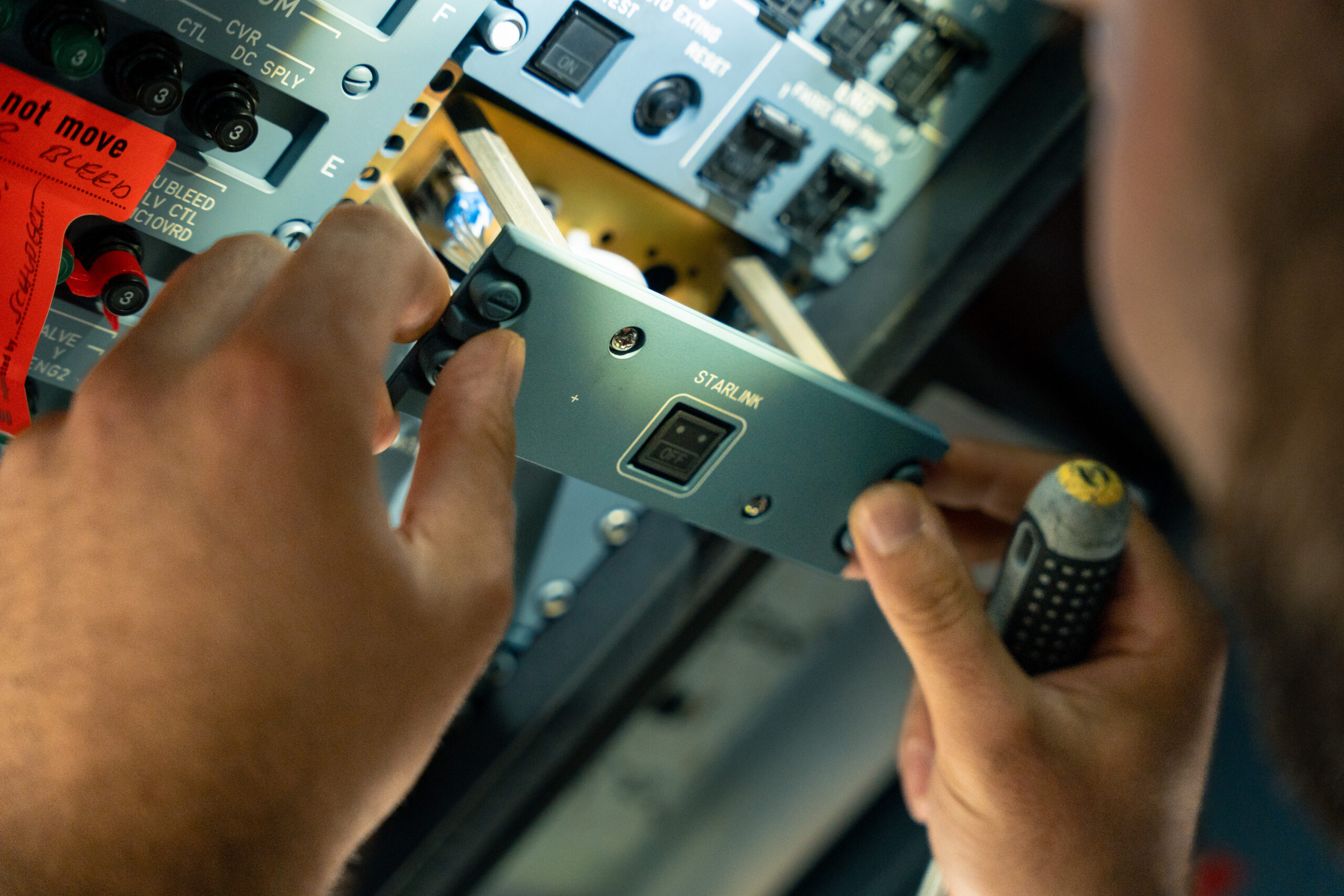
A Lufthansa Airbus A320neo will operate the first flight equipped with the new Lufthansa Group Wi-Fi, although the airline has not yet disclosed which route will receive the inaugural service. The launch comes seven months after the group first announced its partnership with Starlink and plans to begin installations during the second half of 2026.
As reported by Travel Tomorrow, the programme will ultimately cover existing and newly delivered aircraft across Lufthansa Group, with the entire rollout expected to be completed by 2029.
Lufthansa, SWISS, Austrian Airlines and Brussels Airlines are next in line for installations, followed by ITA Airways, Edelweiss, Discover Airlines, Air Dolomiti, Lufthansa City Airlines and Eurowings. Once completed, Lufthansa Group says it will be the largest airline group in Europe to equip its fleet with Starlink.
Free high-speed internet across all travel classes
Starlink uses a network of satellites in low Earth orbit to provide high-speed, low-latency connectivity. Lufthansa says the bandwidth available onboard will in many cases be faster than passengers’ internet connections at home or in the office, allowing them to stream video, browse the web, work on cloud-based applications and collaborate on documents during flights.
The service will be free for passengers registered with Miles & More or Lufthansa Group’s Travel ID, regardless of travel class. Mastercard will sponsor the new Wi-Fi service, extending its partnership with Lufthansa Group’s existing FlyNet product.
“I am excited to announce the launch of the new Lufthansa Group Wi-Fi on board our Group aircraft,” said Dieter Vranckx, Chief Commercial Officer of Lufthansa Group. “With it, we’re making high-speed internet an integral part of the travel experience – across all travel classes and on all Lufthansa Group airlines.”

Vranckx added that connectivity is now an integral part of the group’s definition of a premium passenger experience, alongside traditional elements such as seating and catering.
There will, however, be limits on how passengers can use the faster connection. Voice and video calls will not be permitted, although passive participation in online meetings, webinars and similar events will be allowed with headphones. Live streaming from the aircraft will also be prohibited, while passengers playing audio or video content will be required to use headphones.
Lufthansa Group says the rules were developed following passenger surveys and are intended to preserve a pleasant and quiet cabin environment.
Starlink race accelerates across Europe
Lufthansa’s rollout comes as high-speed internet becomes an increasingly important battleground for European airlines, with Starlink rapidly expanding its presence across the continent.
Latvian carrier airBaltic became the first European airline to introduce Starlink commercially in February 2025. Air France followed with its own deployment, while SAS launched Starlink-powered Wi-Fi in March 2026, initially focusing on its Airbus A320 fleet.
British Airways also started operating Starlink-equipped aircraft in March. The rollout has already raised questions about cabin etiquette after passengers demonstrated the ability to make video calls using the high-speed connection. More than 300 British Airways aircraft are ultimately expected to receive the technology.
The wider International Airlines Group is also rolling out Starlink across Iberia, Aer Lingus, Vueling and LEVEL, while Virgin Atlantic, SAS and Air France are among the other major European carriers adopting the technology.
Wizz Air is set to bring Starlink into another segment of the European market. The low-cost carrier announced in June that it plans to begin rolling out the service from 2027, while Ryanair and easyJet have so far remained more cautious about the economics of installing satellite connectivity across their fleets.
Not every airline is turning to Starlink. KLM has instead opted to develop its onboard connectivity with existing provider Viasat. As Travel Tomorrow reported earlier this year, the Dutch carrier began introducing free Wi-Fi on European flights in January 2026.
The contrasting strategies point to a broader transformation in passenger expectations. Free internet is increasingly moving from an optional or premium extra towards a standard part of the onboard experience, while airlines compete not only on connectivity speeds but also on how seamlessly digital services can be integrated throughout a journey.
For Lufthansa Group, the scale of the project sets it apart. The first A320neo taking off with Starlink on 19 August will represent only a fraction of the planned 850-aircraft deployment, but it marks the beginning of a rollout that will eventually extend high-speed connectivity across virtually every airline and travel class in the group.