


With ubiquitous connectivity now truly hitting the skies, many are questioning the rise of in-flight telecommunications and the implications for passenger privacy, peace, and productivity on board.
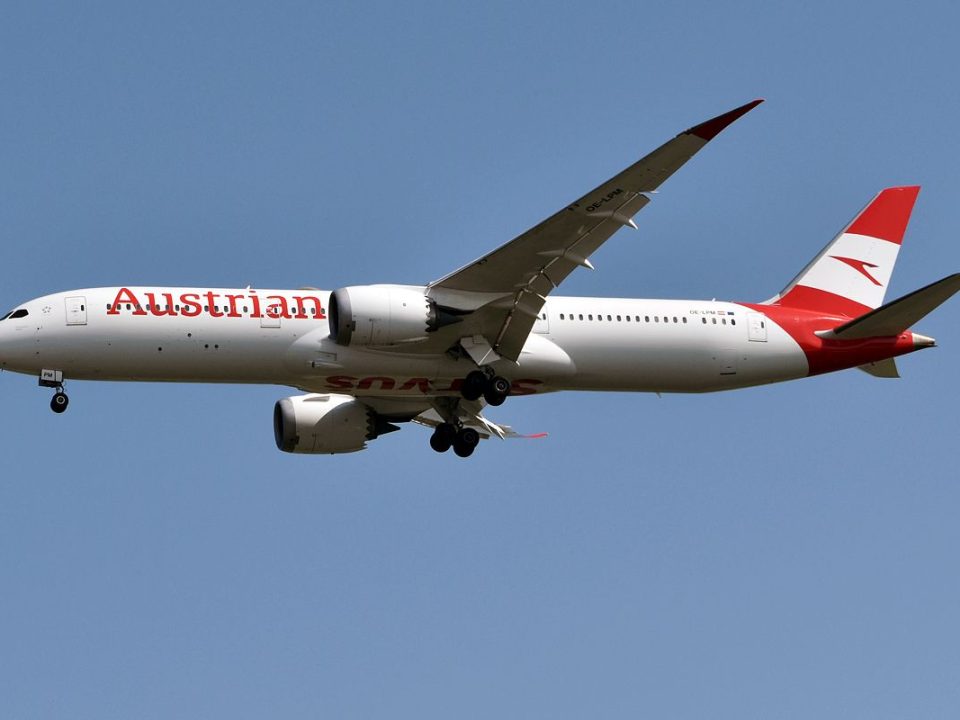
British Airways (BA) rollout of Musk’s SpaceX Wi-Fi began on one Boeing in March 2026, with more than 300 aircraft slated to be equipped with Starlink services over the next two years. But the advent of in-flight video phone calls is causing particular concern.
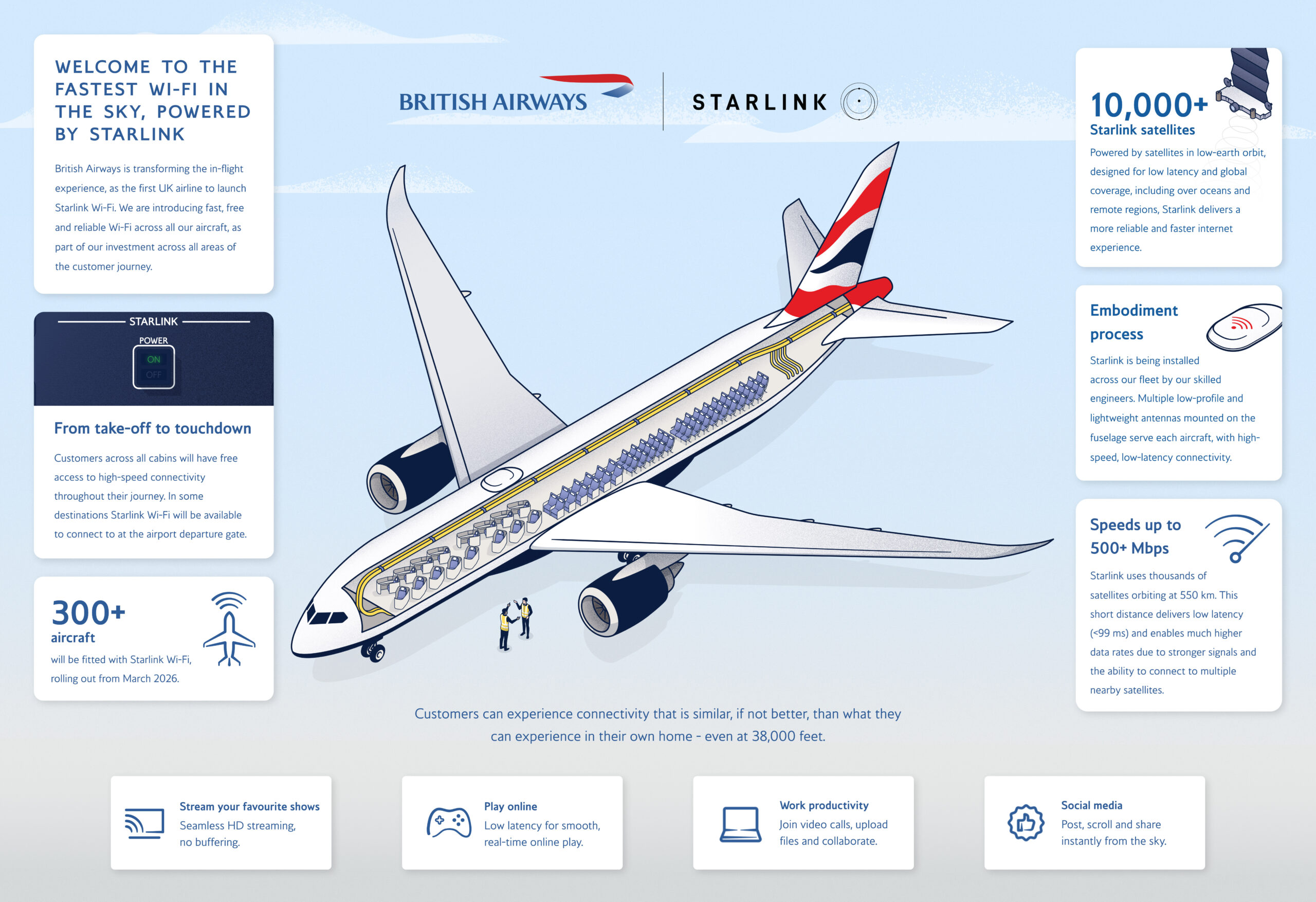
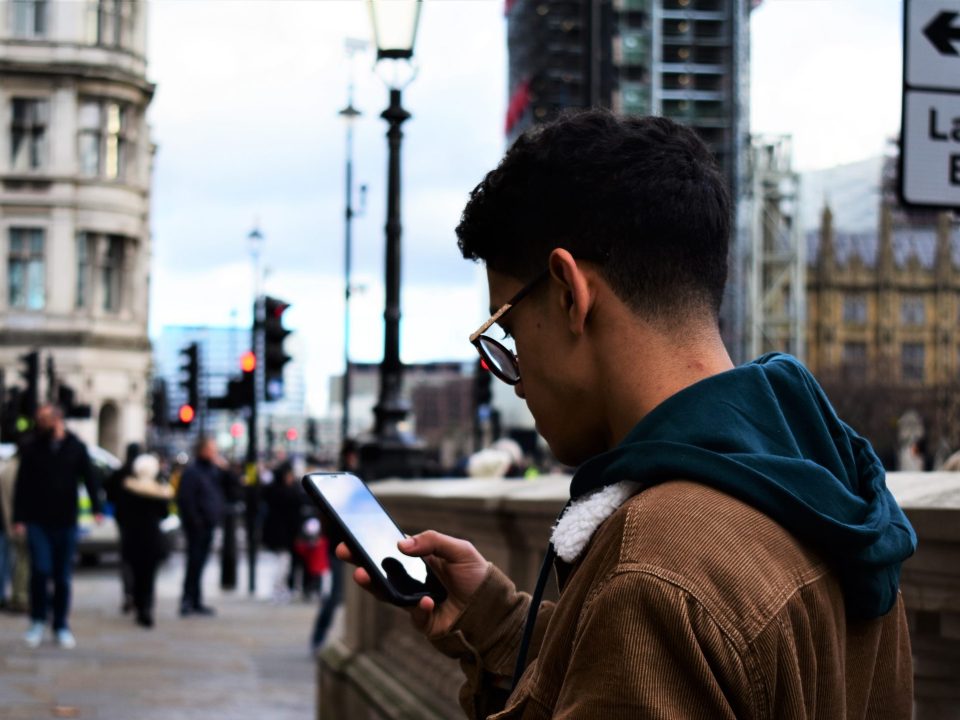
BA’s Starlink service promises free-to-all download speeds of up to 500+ Mbps, as well as gaming, scrolling, streaming, and video calls. The boost such speeds could give to working productively, in shared teams globally, or the opportunity to catch up with friends and family, all while on the move, seems appealing. But, while the UK flag carrier has said that “transforming the customer experience” through fleet modernisation is “part of a wider investment in elevating every aspect of our customer journey,” critics say that passengers being able to make video calls mid-flight is not an improvement.
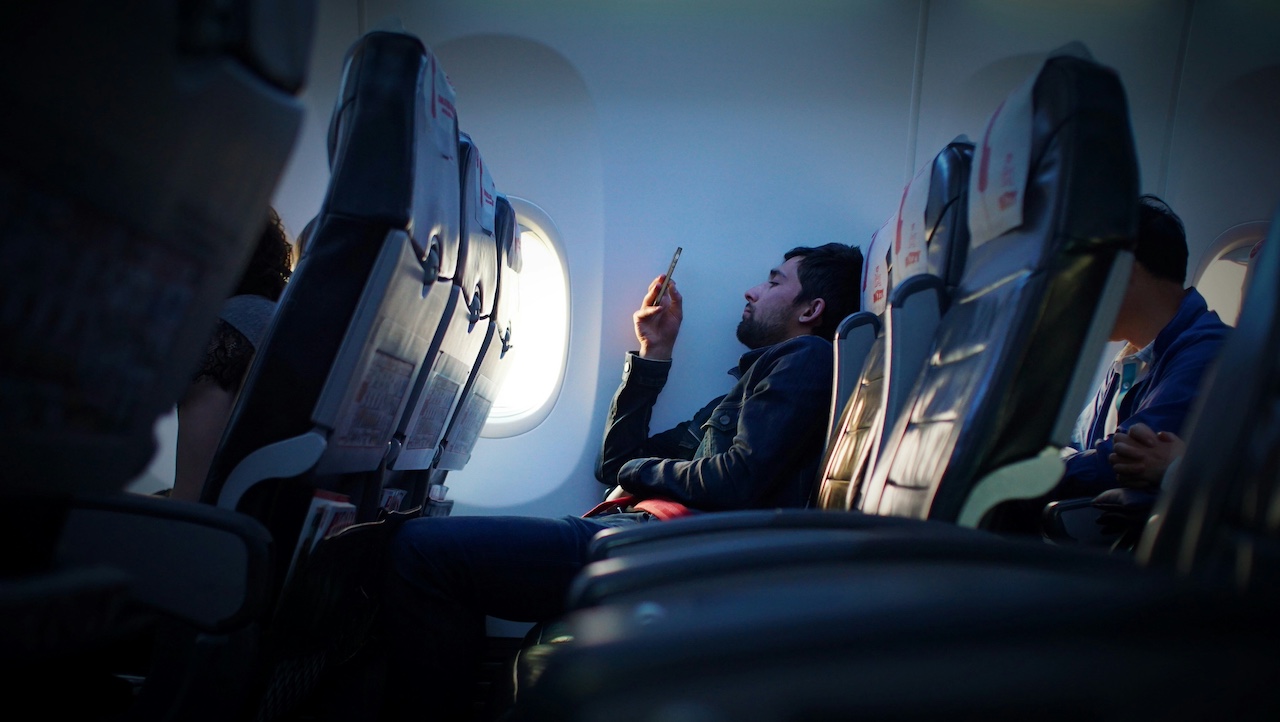
Expert travel commentators have pointed out that flights used to be a refuge from the “work week creep,” the phenomenon that saw constant connectivity translate into an expectation that work could take place anywhere, at all times, denying people downtime. Now, previously precious moments of uninterrupted time on flights are potentially up for grabs by colleagues, meetings, family hygiene calls, or even cold callers.
Others have noted that on many red-eyes, a tranquil place to rest, lulled only by the white noise of the aircraft, is essential, raising the prospect of “quiet zones,” resembling those on some trains, where phone calls are banned.
NEWS: Today, British Airways completed its flight equipped with @Starlink.
— Sawyer Merritt (@SawyerMerritt) March 20, 2026
BA: "We’ve reached a new milestone in connectivity in the skies. As we continue to roll it out across our fleet, customers on Starlink aircraft can stream, work, or stay in touch while in the sky." pic.twitter.com/kA554tg4UO
BA appears to be on top of the issue, already posting guidance to would-be callers, such as “please be considerate” and “keep your voice low and use headphones.” Aer Lingus and Iberia, BA’s IAG bedfellows, look set to offer similar advice to passengers. The same softly-softly approach is followed by Air France, which started its own introduction of Starlink in 2025. A suite of other carriers that partnered with Musk to implement Starlink, such as airBaltic, Qatar Airways, and SAS, may also need to review their in-flight etiquette rules as a result.
Most airlines ban in-flight calls in the United States, where, until now, such communications have gone against federal regulations on the use of certain radio frequencies on domestic flights. That absence of phone calls is something apparently cherished by a majority of flyers. A survey by the US Department of Transportation (DOT) found 96% of respondents are in favour of the phone call veto and think it should only be lifted for emergencies. Nonetheless, Wi-Fi-based calls do not fall under the same prohibition, DOT has confirmed, meaning US flyers and airlines could soon face the same dilemma as those across the pond, weighing the pros and cons of in-flight telecoms.