


As the 25th anniversary of New York’s 9/11 attacks approaches, the United States is set to allow non-ticketholders to approach secure airside parts of airports once more, in a move that some argue prioritises consumerism over security.
Before the attacks on New York on 11 September 2001, when commercial jets were flown into the city’s iconic Twin Towers, killing 2,997 people, non-flyers could go with their travelling friends and family right to the airport gates. That privilege ended after the hijacking of the weaponised jets, amid tightened airport security all over the US and the world.
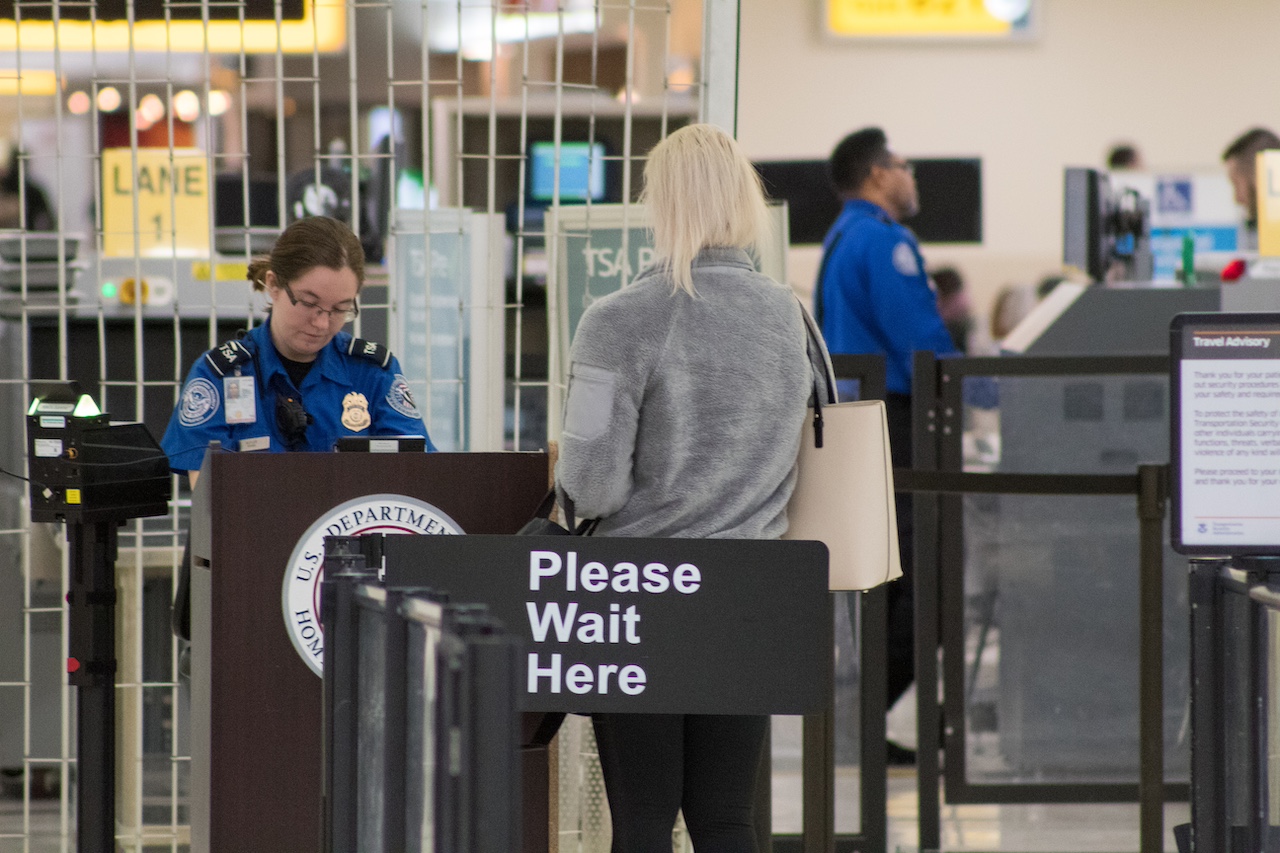
A quarter of a century later, the US Transportation Security Administration has announced it will allow members of the public to go through security and access airside gates at a small number of the country’s airports, but only under strict conditions.
The “Gateside” programme introduces permits that people who are members of TSA Pre-Check can apply for online between one and three days prior to their airport visit, if they wish to accompany their loved ones to the gate. Members of other validated trusted traveller schemes with Known Traveler Numbers (KTNs) may also apply.
The permit lasts for just one day and is completely free to apply for, but the security approval must be obtained before arrival at the chosen hub. Approved visitors will be allowed through TSA PreCheck lanes as long as they are in possession of valid identification documents.
Announcing the move, the TSA said on its website: “As an exclusive benefit for our most trusted travellers, this new program makes it easier to return to the gate for welcomes and send-offs, meet friends during a layover, and enjoy dining and shopping along the way, bringing back the moments that once defined air travel.”
Just 13 airports will participate in the scheme to start with. They are:
- Bill and Hillary Clinton National Airport (LIT) in Arkansas
- Mesa Gateway Airport (AZA) in Arizona
- Los Angeles International Airport (LAX) in California
- San Diego International Airport (SAN) in California
- Indianapolis International Airport (IND) in Indiana
- Wichita Dwight D. Eisenhower National Airport (ICT) in Kansas
- Detroit Metropolitan Wayne County Airport (DTW) in Michigan
- Eppley Airfield (OMA) in Nebraska
- Harry Reid International Airport (LAS) in Nevada
- John Glenn Columbus International Airport (CMH) in Ohio
- Will Rogers International Airport (OKC) in Oklahoma
- Dallas Fort Worth International Airport (DFW) in Texas
- Salt Lake City International Airport (SLC) in Utah
Commentators note that the change in security approach retains checkpoint verification and is not a total lifting of gate restrictions. As Department of Homeland Security Secretary Markwayne Mullin said: “We came up with a program that doesn’t compromise security at all — it’s just a part of the known passenger process. We hope that it will help the passenger experience.”
Agreeing with that sentiment, speaking to ABC6, Columbus Regional Airport Authority President and CEO Daren Griffin hailed the scheme as a way to “bring back special moments that many travelers have missed — welcoming loved ones at the gate, enjoying a meal together before a flight, or simply sharing time in the terminal,” he told a local outlet.
Others might take a more cynical approach, noting that the scheme will boost non-passenger footfall and spending in terminal shops and restaurants, with the so-called “return to a Golden Age of Travel” coming at a time when the US travel sector has, in fact, suffered a prolonged slump. The move also coincides with controversial plans to privatise airport security that some say effectively contract out the safety and security of the flying public to the lowest bidder.