


Conventional wisdom holds that growth in aviation translates to economic benefits for communities served by airports, but a recent study shows that is not necessarily the case and that air transport development can exacerbate inequality and high living costs.
The research by the New Economics Foundation and commissioned by T&E has found that in Ireland and countries in southern Europe, which are very dependent on tourism, the cost of rental housing is rising faster than household incomes, leaving locals, including tourism workers, worse off.
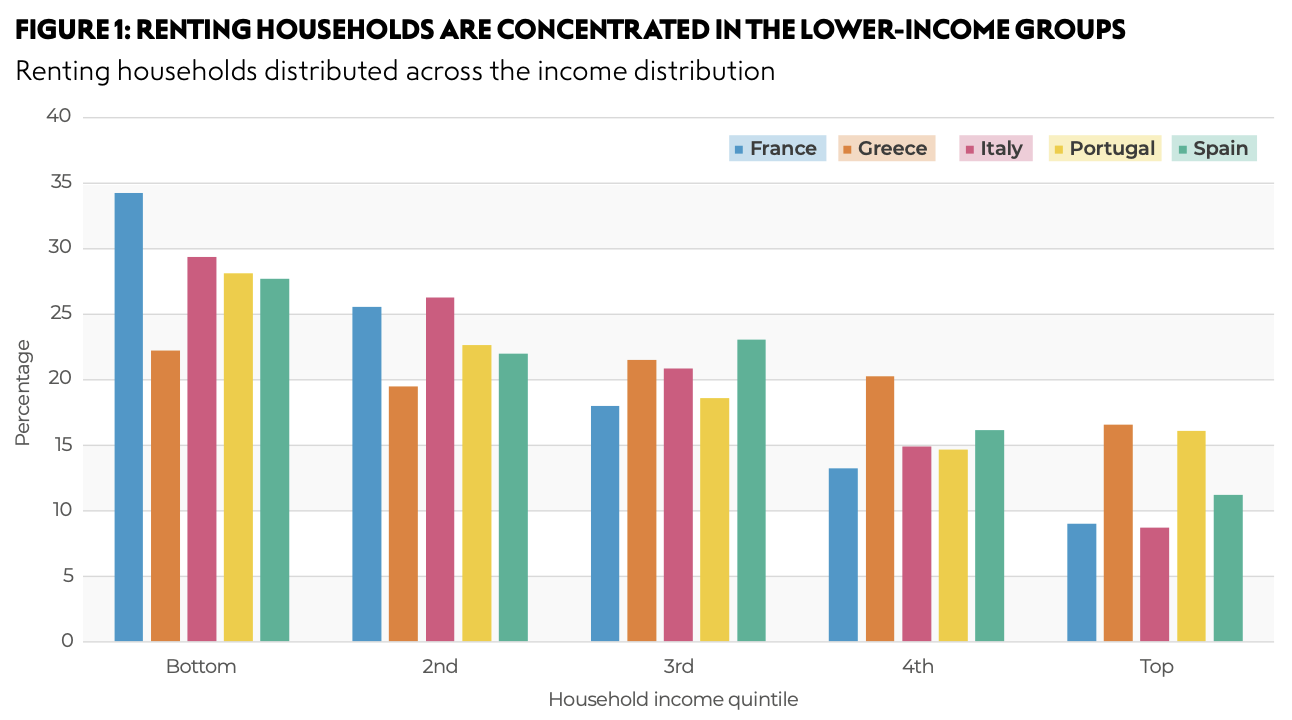
Average annual rents in five of Europe’s largest tourism-dependent economies are projected to rise by up to €250 per year over the next five years (2026-2031) as a consequence of incoming air tourism, T&E says, claiming that “These rises will primarily affect lower-income households, as income fails to keep pace with rental costs.”
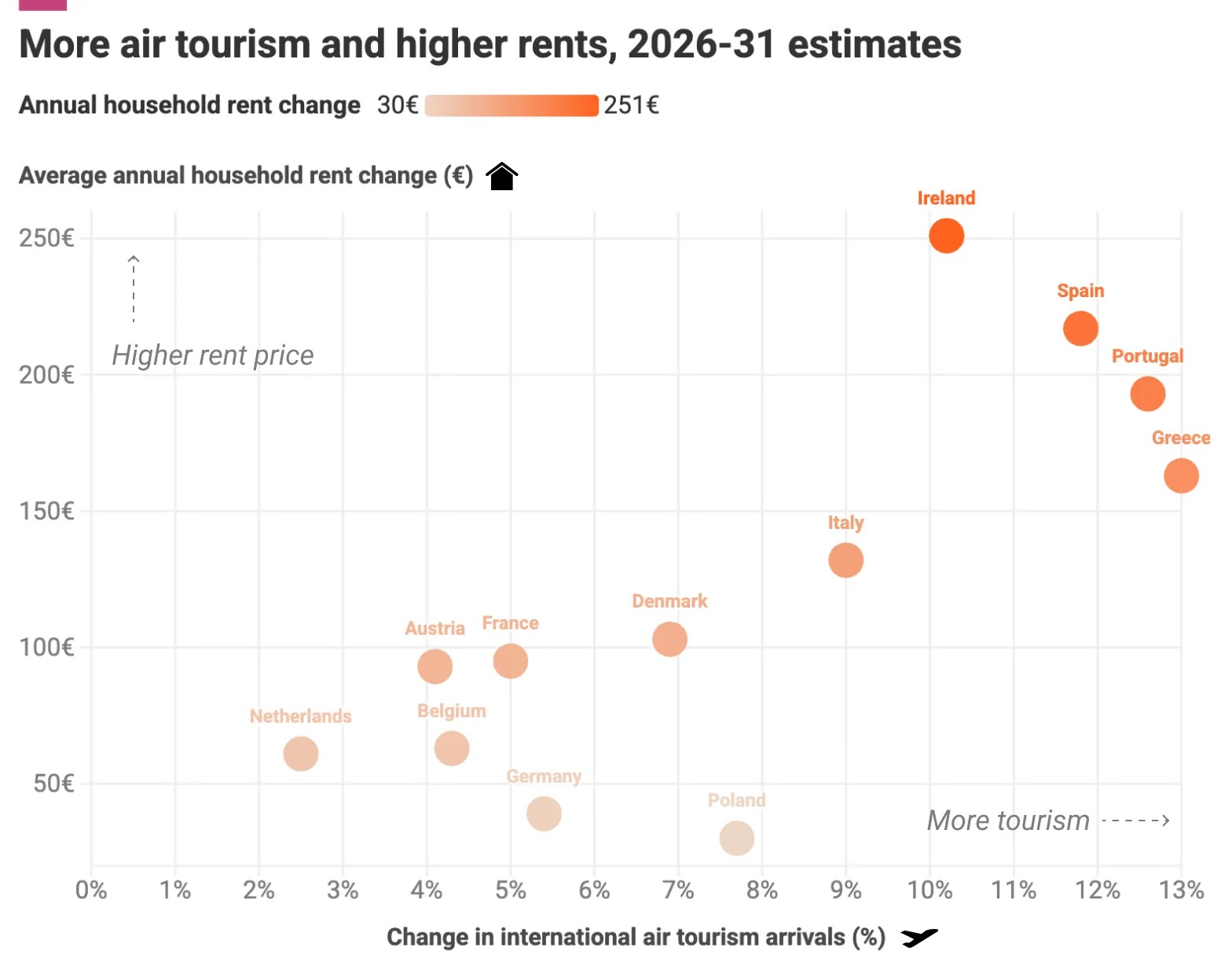
In absolute terms, Ireland is expected to see the largest rise, facing a rent increase of €250 per year. In relative terms, Greece, Portugal, and Spain are forecasted to see the largest increases, with rent price rises between €160 and €220, the study found.
The study argues there is a connection between the European regions facing the most intense local backlash against overtourism, such as the Balearic Islands, Crete, and Madeira, and the rise of commercial aviation. Anti-tourist feeling is highest, T&E says in the nations that “almost always register the highest volumes of foreign arrivals per resident, with the vast majority landing by air.”
Despite this negative sentiment and aviation’s contribution to climate change (an estimated 52% of the global tourism industry’s direct emissions and projected to rise over 60% between 2016 and 2030), governments are continuing to pursue incoming tourism as an economic strategy to drive up exports, T&E notes.
The green campaign group points to the fact that Spain has committed €12.9 billion toward airport investment, including the expansion of airports in Barcelona and Madrid. Athens, too, is currently rolling out a €1.3 billion expansion to boost annual passenger capacity by 25%, and terminal expansions are actively underway in Lisbon.
“We cannot separate the anti-tourism protests on the ground from the surge of flights arriving overhead. Trying to manage tourism overcrowding while simultaneously expanding airports in Dublin, Barcelona, or Lisbon is a losing battle,” Denise Auclair, Head of T&E’s Travel Smart Campaign, says, adding: “If governments are serious about protecting affordable housing and meeting climate targets, they must put an immediate stop to airport expansions and reconsider strategies for tourism and transport connectivity.”
The situation is made worse by large businesses capturing a growing share of tourism revenues while local tourism workers see no uplift in their salaries.
“So often when airports expand, local communities are promised a wealth of economic benefits, but what we’re seeing in the data challenges this assumption. Jobs have been created, but the low wages they offer are poor compensation for rising housing costs, stretched infrastructure and increasing pollution,” Dr Alex Chapman, Head of Economic Policy at the New Economics Foundation, said.
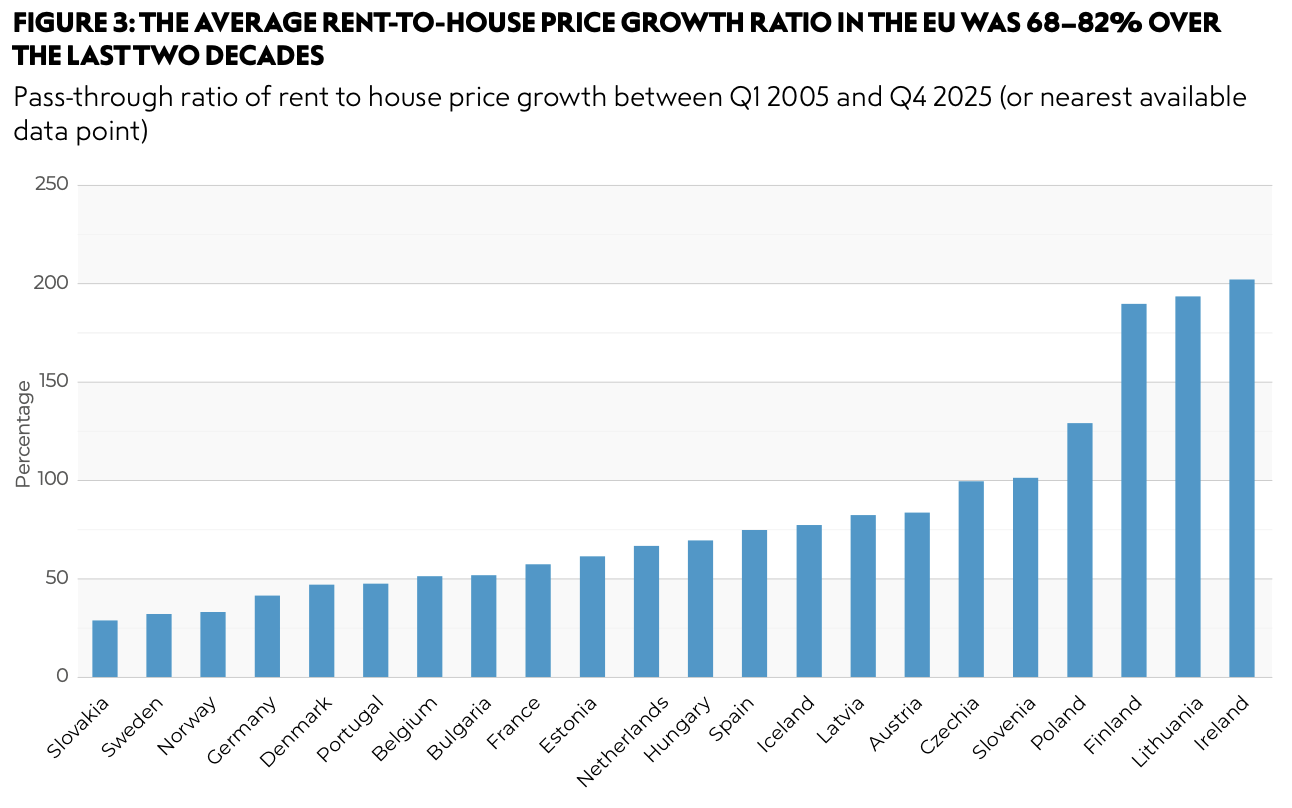
And yet another red flag to be flown as tourism grows is that “investment in non-tourism businesses falls as investors opt for property accumulation instead.” According to Chapman, “This leaves workers trapped by their housing costs, unable to move to better work or invest in their skills.” In short, higher property prices can reduce business investment in the wider economy. The study suggests that over the 2019-2031 period, business investment can be expected to fall most sharply in Greece, Portugal, Spain, and Italy.
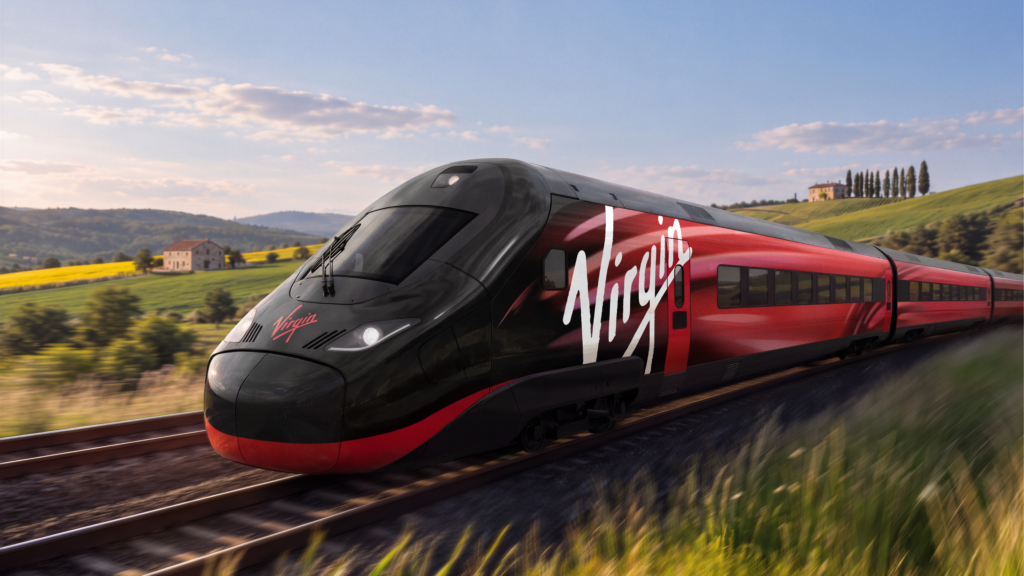
T&E is calling for the forthcoming EU Sustainable Tourism Strategy to prompt “a critical review of the impacts of international air tourism arrivals in Europe, considering effects in vital areas such as housing.” The group also want international air arrivals to be reduced “in regions approaching tourism saturation” and for stakeholders to prioritise “low-carbon transport like rail and improving workers’ wages to support equitable value creation.”