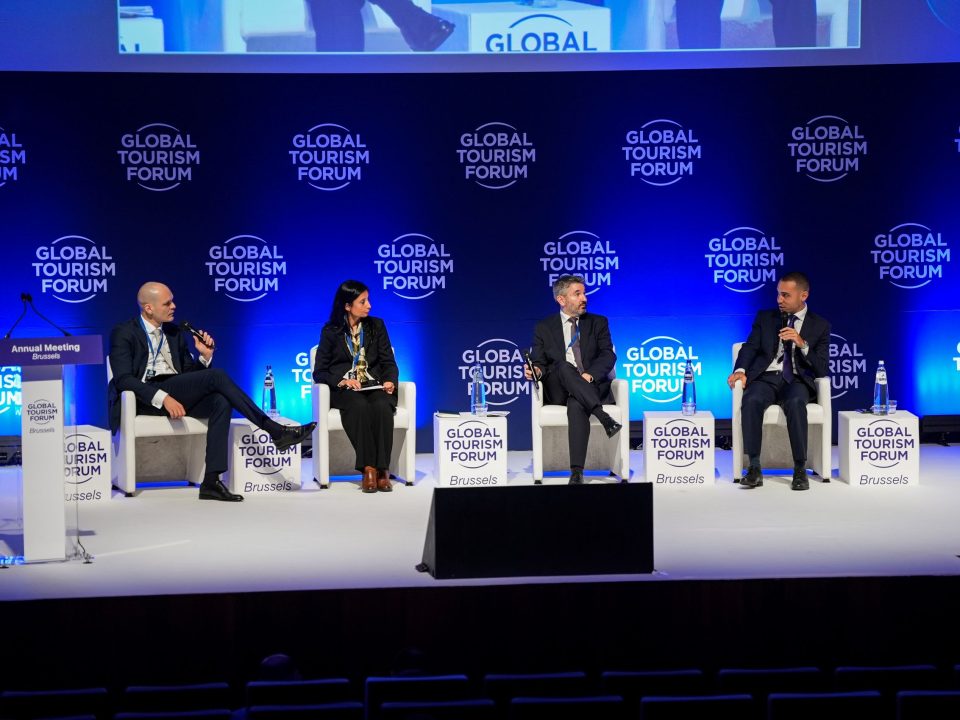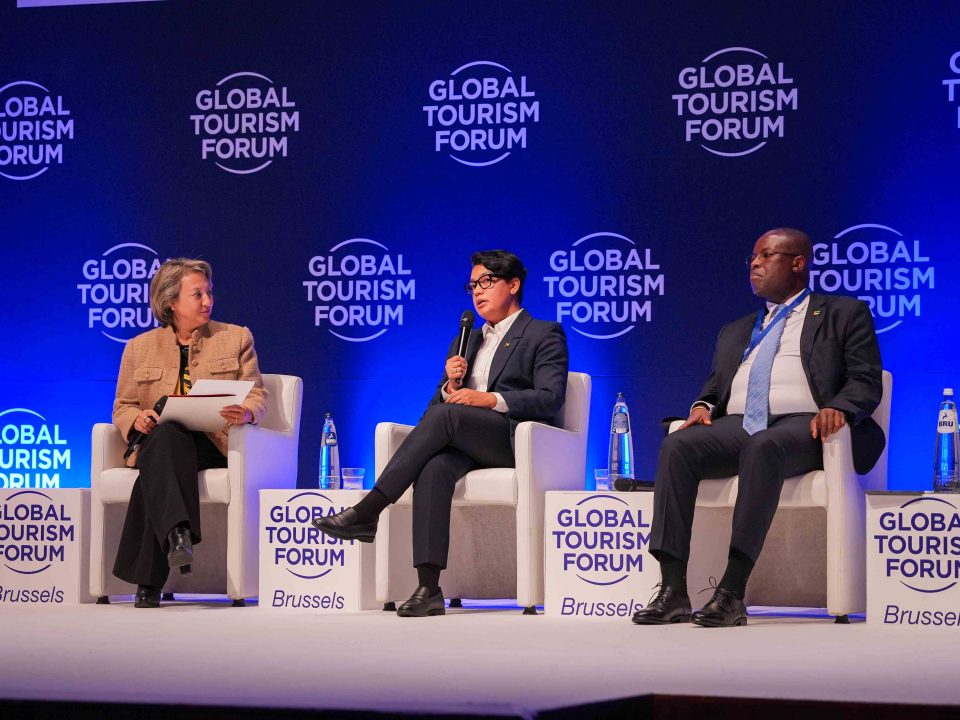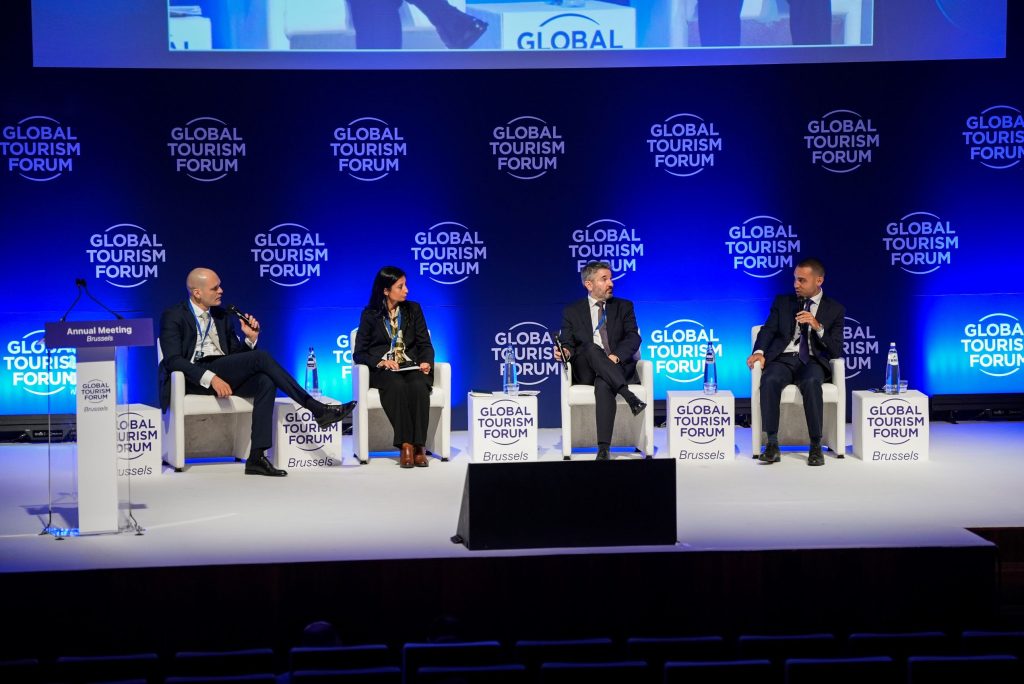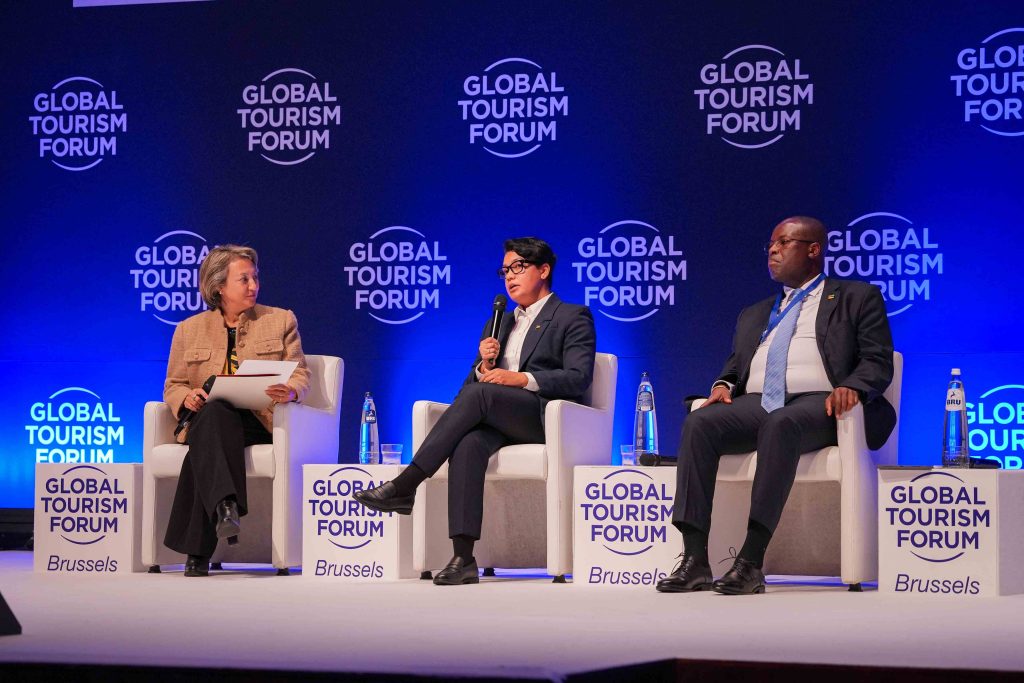


Destinations need coordination, constant training and better data to protect residents and visitors before a crisis hits, speakers said at the closing panel of the Global Tourism Forum in Brussels on 10 November.
The session, “Climate Security, Health Security and Tourism Resilience”, was moderated by António Buscardini, CEO of Travel Tomorrow.
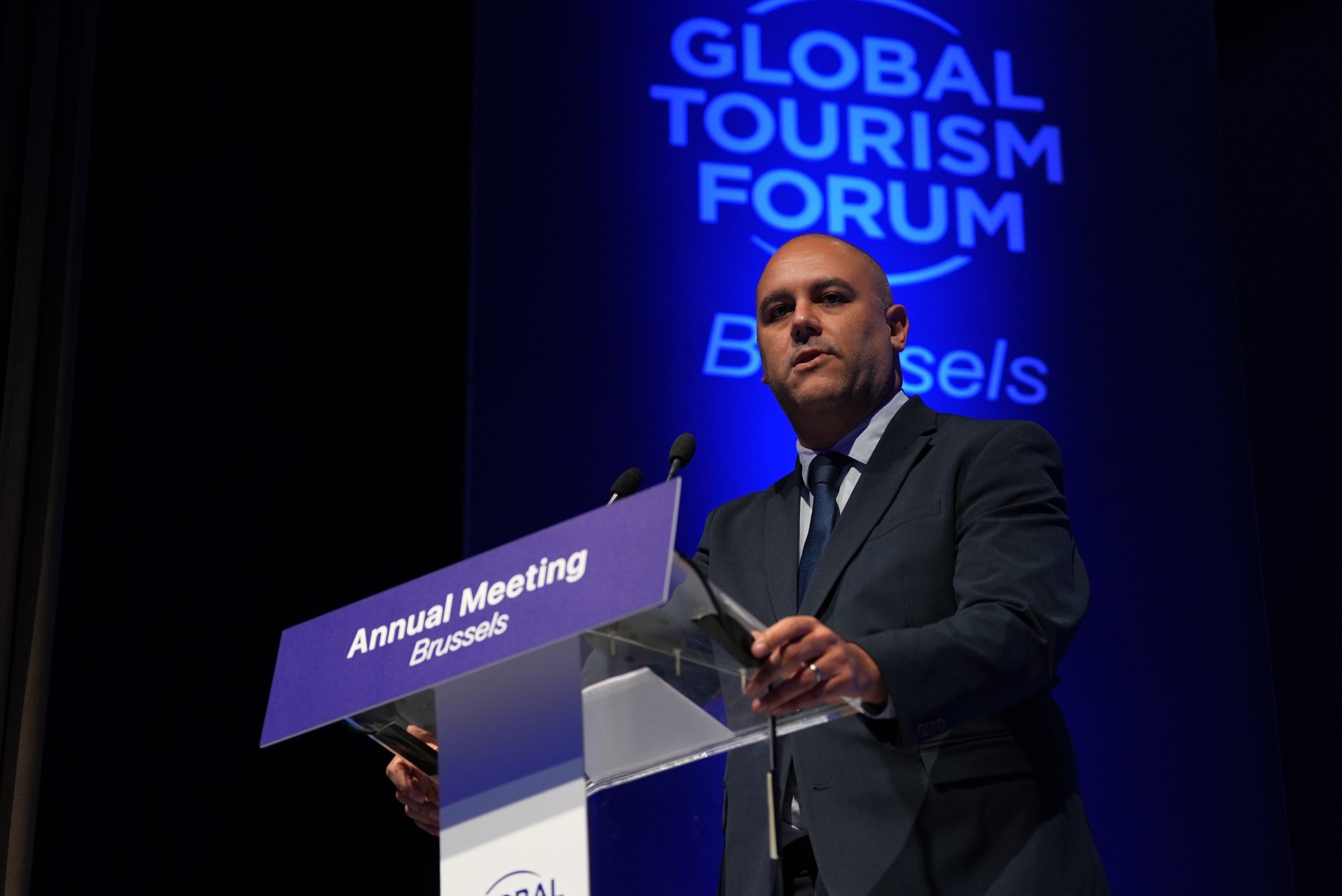
Victoria Petrova, Senior Tourism Expert at the European Commission’s Directorate-General for Mobility and Transport (DG MOVE), said the COVID-19 pandemic changed how policymakers see the sector. “Tourism is not just leisure,” she said. “It’s a very serious economic, industrial ecosystem.” It now generates more than 10% of the gross value added of the European economy.
Tourism remains a national competence, but the EU Sustainable Tourism Strategy, adopted by the Commission on 4 November, sets out EU-level actions. These include the EU Tourism Crisis Coordination Network, where national and European authorities “will meet and will share their experience”, and an online EU Tourism Academy for workers and small businesses.
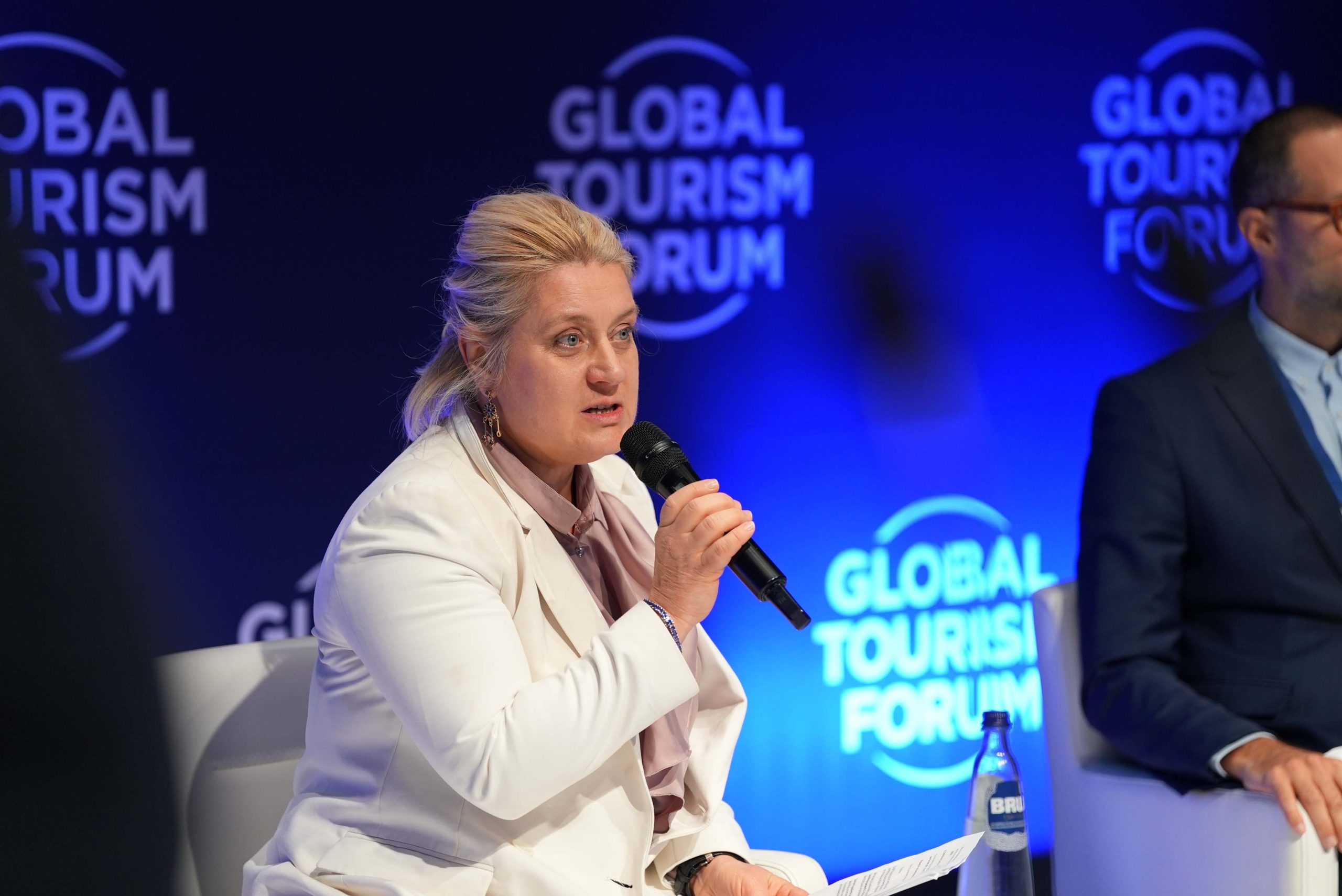
Petrova stressed that preparation cannot rest on companies alone. “You could have the best reaction of an SME, a hospitality company, but if the rules are not adapted, if the public transport is not adapted […] there will be a bottleneck,” she said. A destination must first be “acceptable, agreeable, practical, safe” for locals, “and then it will be the same for the visitors”.
Marko Gajić, co-founder of the Bled Water Forum, focused on water and health. With international experts, the forum has developed a “new literacy” to help people understand drinking water, he said. The forum also assesses water by source, treatment and distribution, and is developing QR codes showing mineral levels, hardness, pH and alerts. Demand from hotels is strong, he added: “We are fully occupied until the beginning of 2029.”
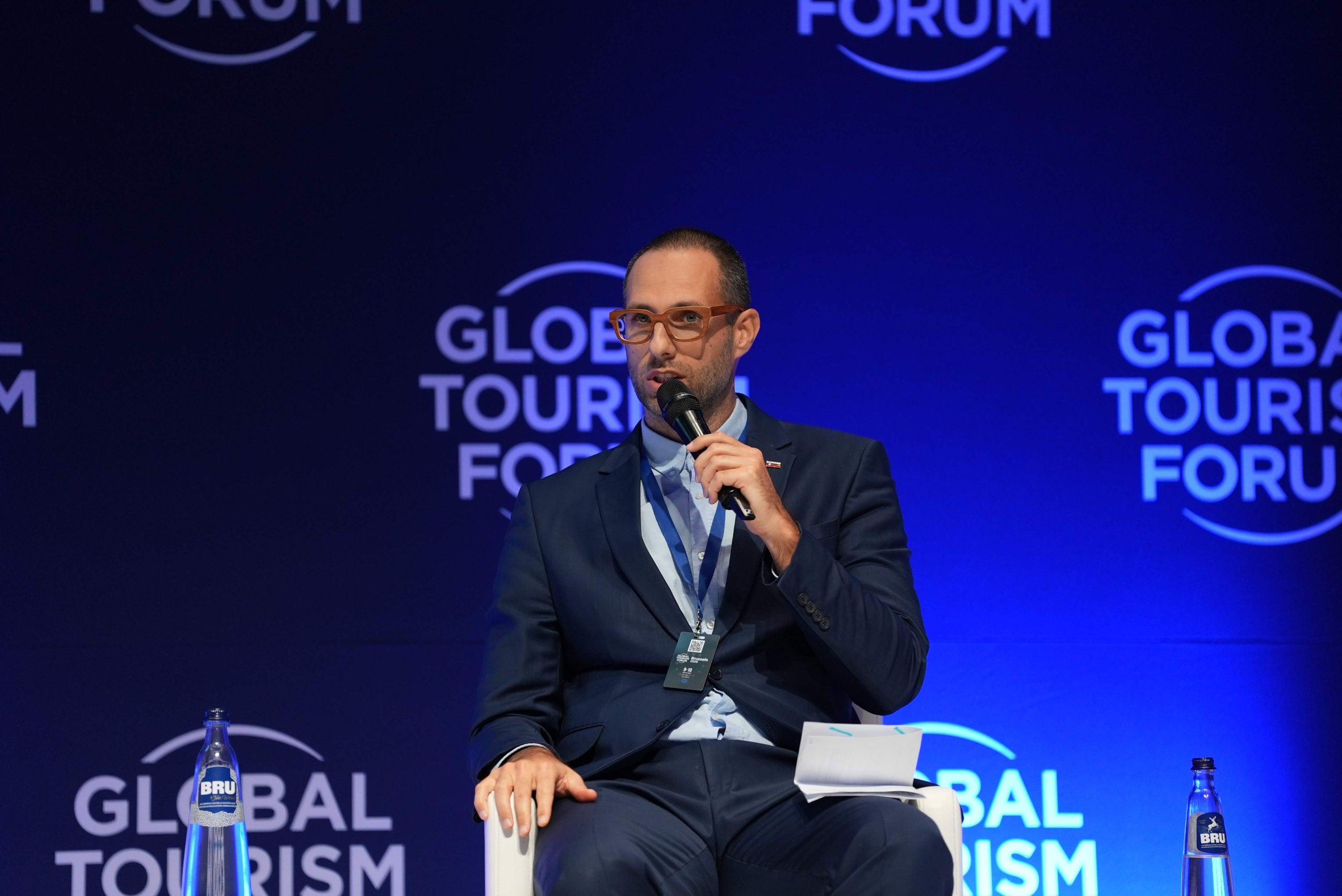
Prof. Dr Ali Jafari of Purdue University, founder and CEO of Course Networking, said AI could do for hotel management systems what it already does for learning platforms. After a major train accident, for example, a hotel manager could be alerted within seconds to how many arrivals are affected. “We should not underestimate the power of AI,” he said.
Martin Barth, founder of the World Tourism Forum Lucerne, shared a tourism safety exercise that showed how a destination can prepare for an emergency. Tourism businesses, rescue services, safety authorities and educational institutions all took part, because no one can handle a crisis alone. “You can’t just have documents ready,” he said. He named three priorities: a written crisis plan, constant training and crisis lessons in schools and universities.
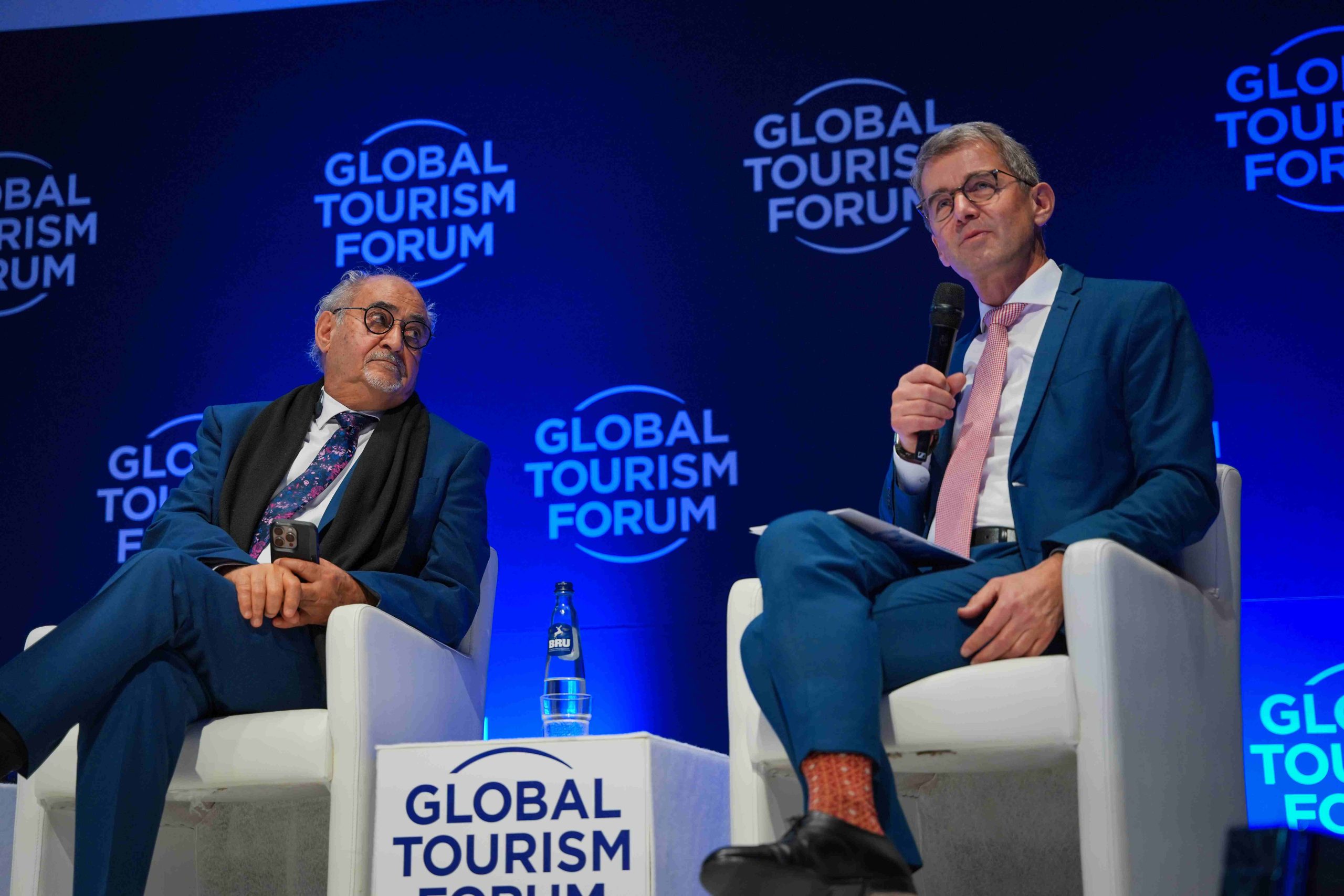
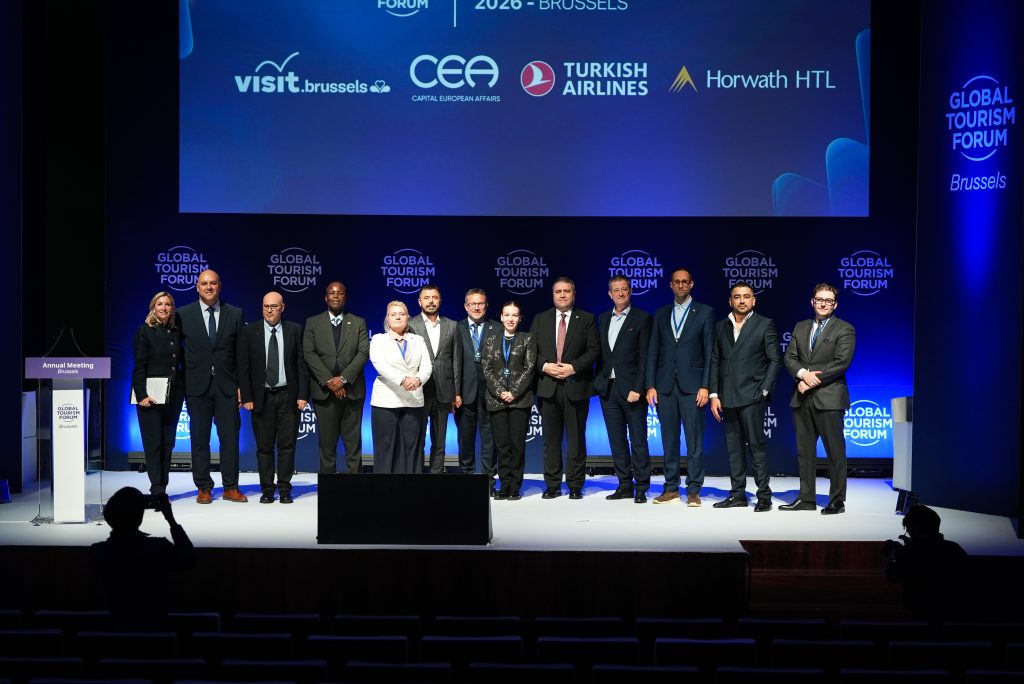
The panel closed the forum’s two-day annual meeting at the Royal Museums of Fine Arts of Belgium. As reported by Travel Tomorrow, the first day focused on investment, with tourism leaders calling for coordinated investment in green and climate-resilient destinations. The second day turned to security and resilience, including cybersecurity, border systems and crisis management.