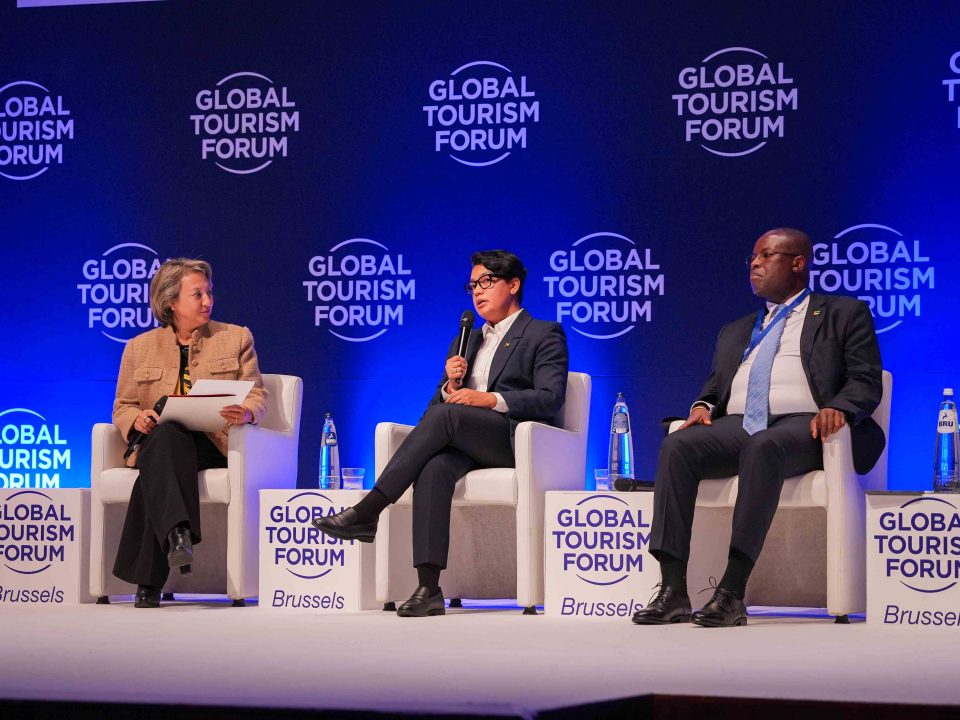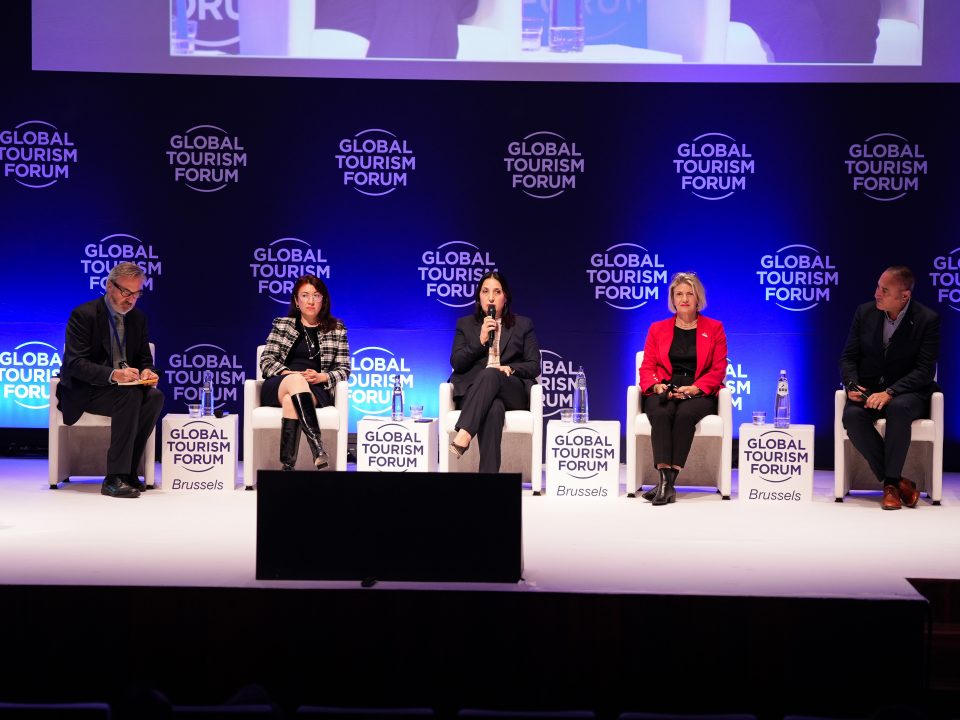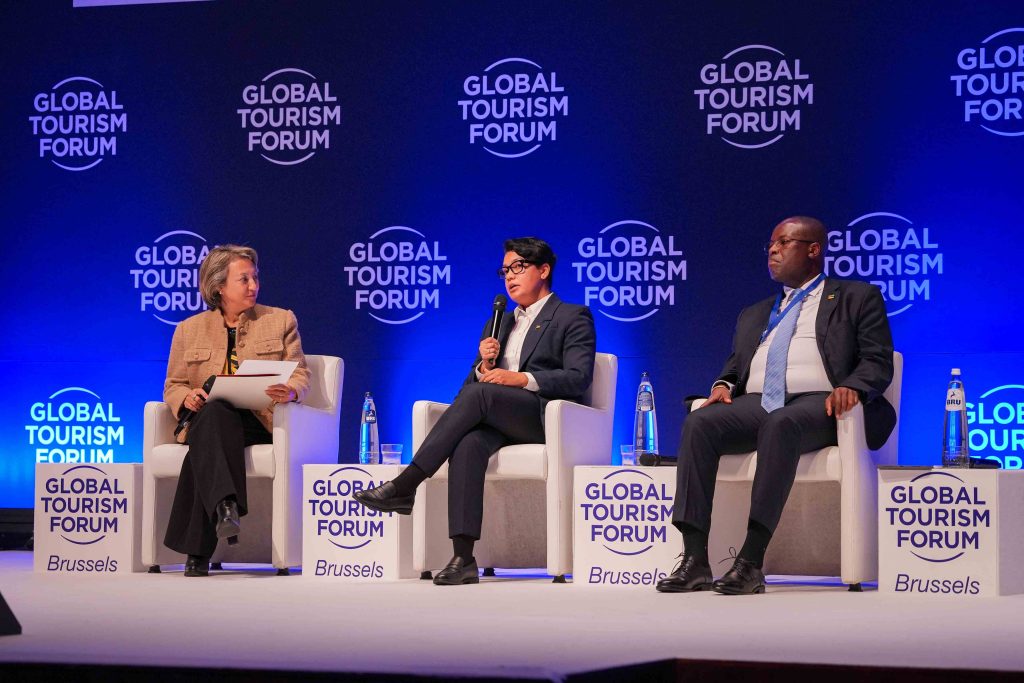

On the second and final day of the Global Tourism Forum 2026 in Brussels, speakers discussed how tourism investment can help destinations withstand climate disruption and bring more of the benefits to local communities. The closing sessions also covered traveller confidence, with discussions on border procedures, passenger protection and data security.
Held on 9–10 November at the Royal Museums of Fine Arts of Belgium, the forum brought together policymakers, investors and industry leaders. The final day built on earlier discussions about transport and financing, with examples of how destinations are attracting visitors outside peak season and creating opportunities for local businesses.

Make the journey work
Oana Gherghinescu, executive director of the European Union Agency for Railways (ERA), urged rail authorities and operators to work with booking platforms to remove barriers by the next travel season. She said easier cross-border journeys should extend the benefits of better rail connections to smaller destinations as well as major hubs.
Remote communities can improve access while working with the infrastructure they already have. Weibin Wang of Hiseas International and Nordis described how coaches and seasonal programmes have helped Kirkenes, in northern Norway, extend its tourism season from four months to seven. Making experiences easy to find and book can help build more predictable demand, which in turn can encourage investment and widen transport options.

TUI’s Vincent Snauwaert highlighted traffic rights and protectionism as obstacles to expanding air services. He said destinations should approach operators with funded plans backed by tourism ministries and treasuries. He also warned that airlines could withdraw from existing routes if they regarded fiscal measures, including climate-related charges, as punitive.
Build resilience into the whole destination
During a discussion on net zero, Radisson’s Inge Huijbrechts said hotel brands need property owners and local partners to help deliver emissions cuts. In Sheffield, a decade of city-led regeneration laid the groundwork for Radisson to turn a historic venue into a net-zero hotel.
Nathalie Kvachantiradze made a similar point about Georgia, where expanding year-round hiking and food and wine tourism depends on local roads that can withstand snow and flooding. Funding remains a hurdle for other environmental initiatives. Zero Group’s Nico Nicholas described how converting wastewater into biofuels could help offset some of the costs of the green transition. He said securing backing for the technology remained difficult.

The European Commission’s Andreea Staicu pointed to EU toolkits that help destinations manage visitor flows, water and waste, improve accessibility and prepare for climate risks. She said managing demand also means attracting visitors outside peak season and spreading the benefits of tourism more widely.
Give communities a stake
Ministers offered examples of how tourism can benefit local communities. Montenegro reported that the number of registered rural hospitality businesses had grown from a few dozen to more than 400 in five years. Guyana linked economic growth and infrastructure investment to the development of community-owned tourism experiences. Mozambique highlighted conservation, cultural exchange and gastronomy as ways to broaden its sun-and-beach offer.
Forum president Bulut Bağcı linked public confidence to feeling safe and knowing what to expect when travelling. The second day’s programme also covered how destinations can prepare for climate disruption and health emergencies.
The planned Brussels Agenda for Tourism Investment and Security could help turn those discussions into action. Delivering on its priorities will depend on securing funding for individual projects and making clear who is responsible for each one.