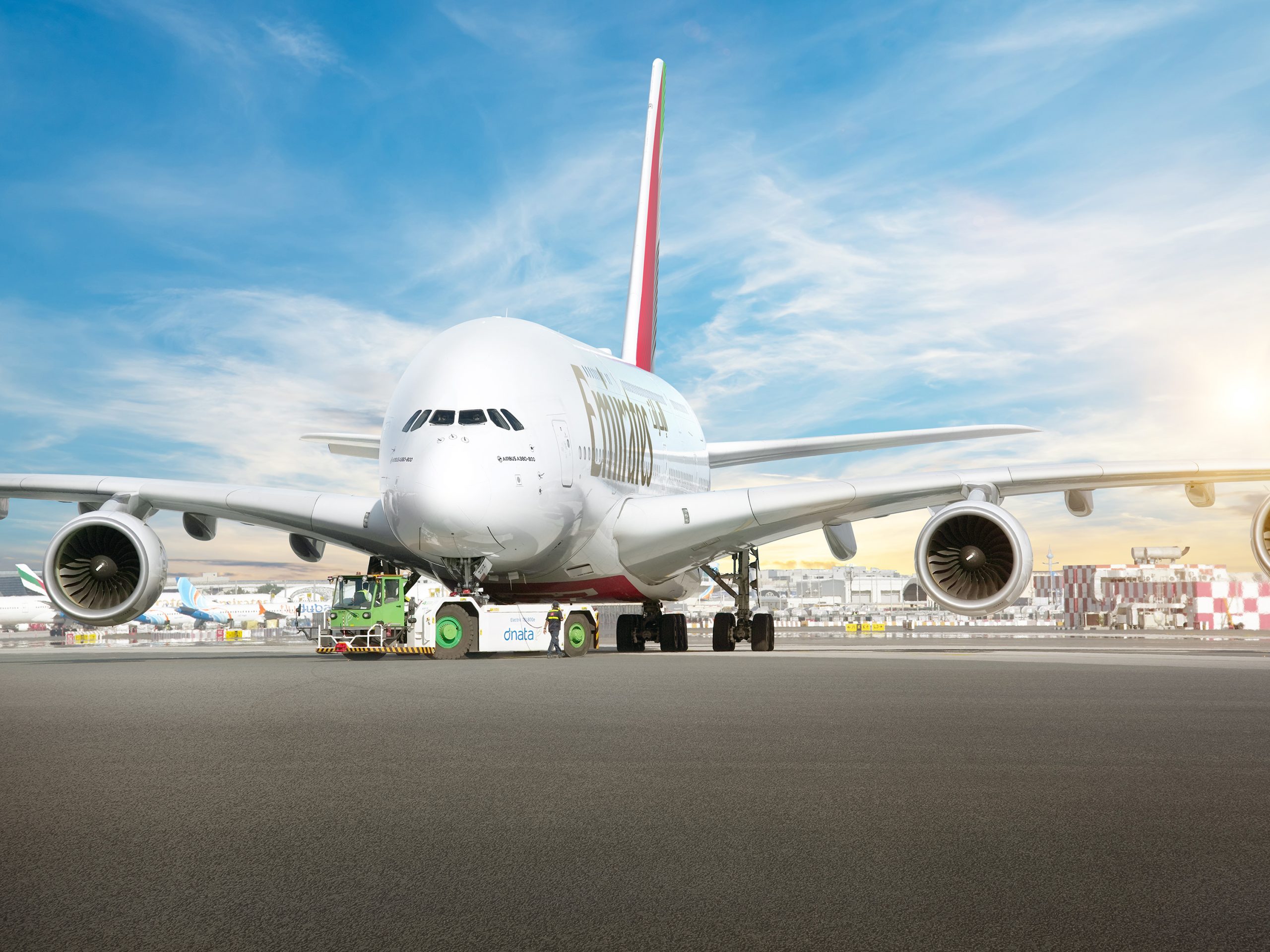


The Emirates Group managed to remain profitable during the first six months of its 2026–2027 financial year, despite facing some of the worst and longest disruptions in its history. A remarkable feat, it would seem, considering the impact of the conflict in the Middle East and soaring jet fuel prices.
According to results released on 5 November, the Group reported a pre-tax profit of AED 4.1 billion (€1 billion) between April and September, down 66% compared with the same period last year. Emirates Airline alone recorded a profit before tax of AED 3.7 billion (€904 million), while its revenue fell 13% to AED 56.9 billion (€13.9 billion).
The Emirates Group has announced its results for the first six months of 2026-27. Emirates Airline reported a profit before tax of US$ 1.0 billion and revenue of US$ 15.5 billion. https://t.co/OQJVmnNI3H
— Emirates (@emirates) November 5, 2026
But how did the airline manage to keep its head above water?
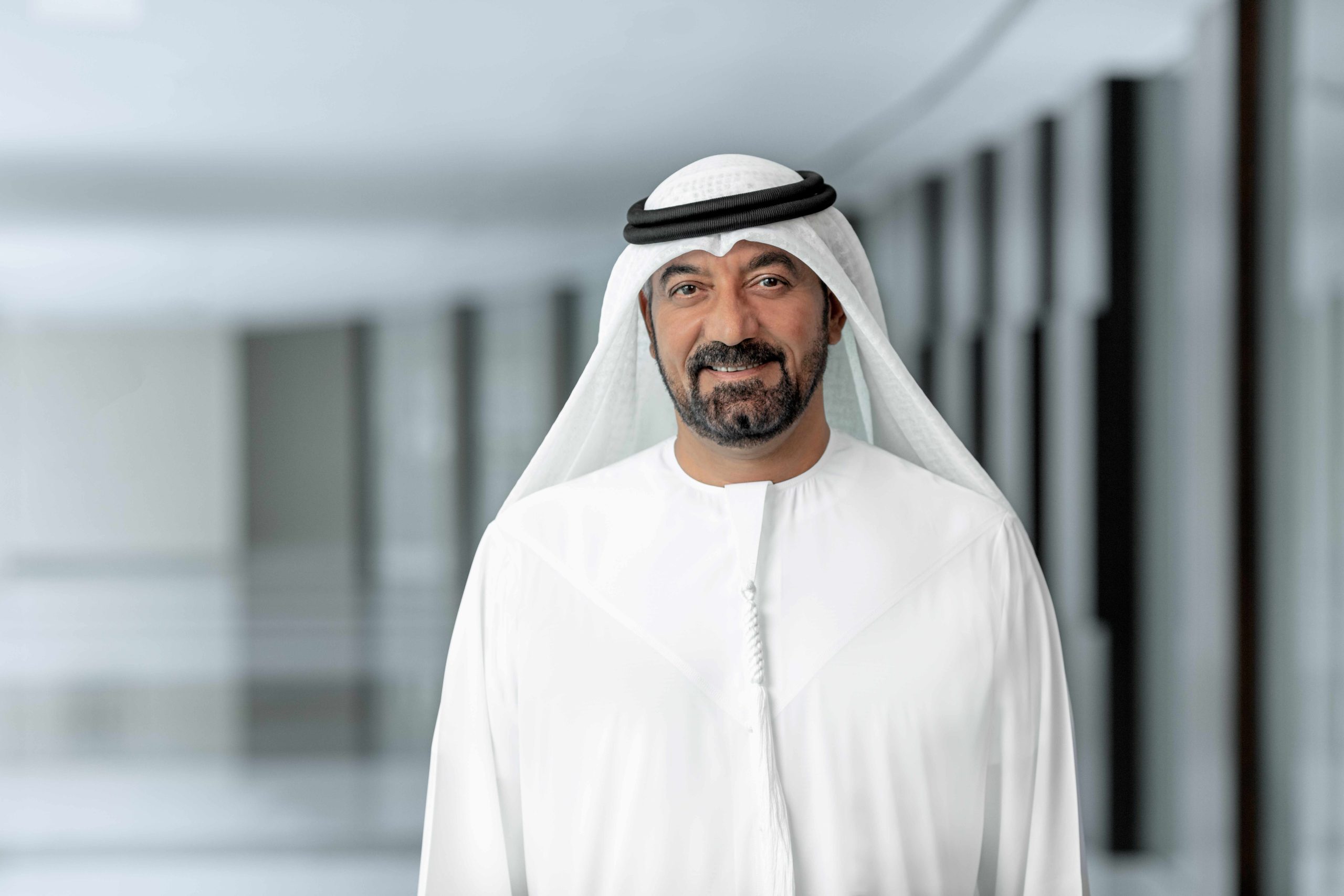
Sheikh Ahmed bin Saeed Al Maktoum, chairman and chief executive of Emirates Airline and Group, attributes the results to its business model and employees.
“It has been a demanding six months, and once again, our business model and our people stood up to the test.”
Regional airspace closures and restrictions forced Emirates to cancel flights and reduce its schedules, while government travel advisories discouraged passengers from flying. The airline carried 21.8 million travellers, 22% fewer than a year earlier, against a backdrop of soaring fuel prices.
Yet several factors helped Emirates remain profitable, namely, sustained demand for premium cabins, strong cargo revenues boosted by disruptions to maritime shipping, measures to reassure travellers and, perhaps most importantly, a fuel price risk management strategy that considerably reduced the impact of soaring costs.
The airline also adapted its operations to reduced demand, cutting overall capacity by 10% and operating costs by 2%. As a result, it maintained an average seat occupancy rate of 72%, compared with 79.5% a year earlier. By the end of September, it had restored 91% of its pre-disruption network, while its workforce had shrunk by just 2%.
Cargo proved another major source of support. Emirates SkyCargo transported 1.2 million tonnes of freight, barely 1% less than in the previous year. Its revenue, on the other hand, rose by 52%, as reduced air freight capacity and disruptions to maritime shipping prompted more businesses to turn to who turned to air transport where possible.
“Our cargo operations made a strong contribution, keeping revenue and cash levels healthy”, Al Maktoum said.
The airline also sought to restore travellers’ confidence by introducing comprehensive travel cover, unaffected by government travel advisories, free date changes and more generous refunds.
At the same time, Emirates continued investing in its passenger experience, adding nine A350 aircraft, refurbishing 12 existing planes and expanding its Premium Economy offering. Part of a longer-term strategy developed before the disruptions, these investments helped strengthen its appeal to travellers.
But perhaps the most decisive factor was how Emirates dealt with its fuel bill.
Although it used 12% less fuel because of reduced operations, fuel costs before hedging gains rose by 60%. Its fuel price risk management strategy, however, generated AED 7.1 billion (€1.73 billion) in gains, limiting the net increase in fuel costs to 13%. Fuel still accounted for 34% of operating costs.
The Group also benefited from the international operations of its airport services subsidiary, data, which helped offset weaker activity in the Gulf. It ended September with cash reserves of AED 54.1 billion (€13.2 billion).
Emirates enters the second half of its financial year with what Al Maktoum called “measured optimism”, with regional instability and fuel prices remaining a concern.
Its performance stands in contrast to the wider Arab aviation sector, for which the Arab Air Carriers’ Organization (AACO) has forecast a net loss of approximately €3.86 billion in 2026.